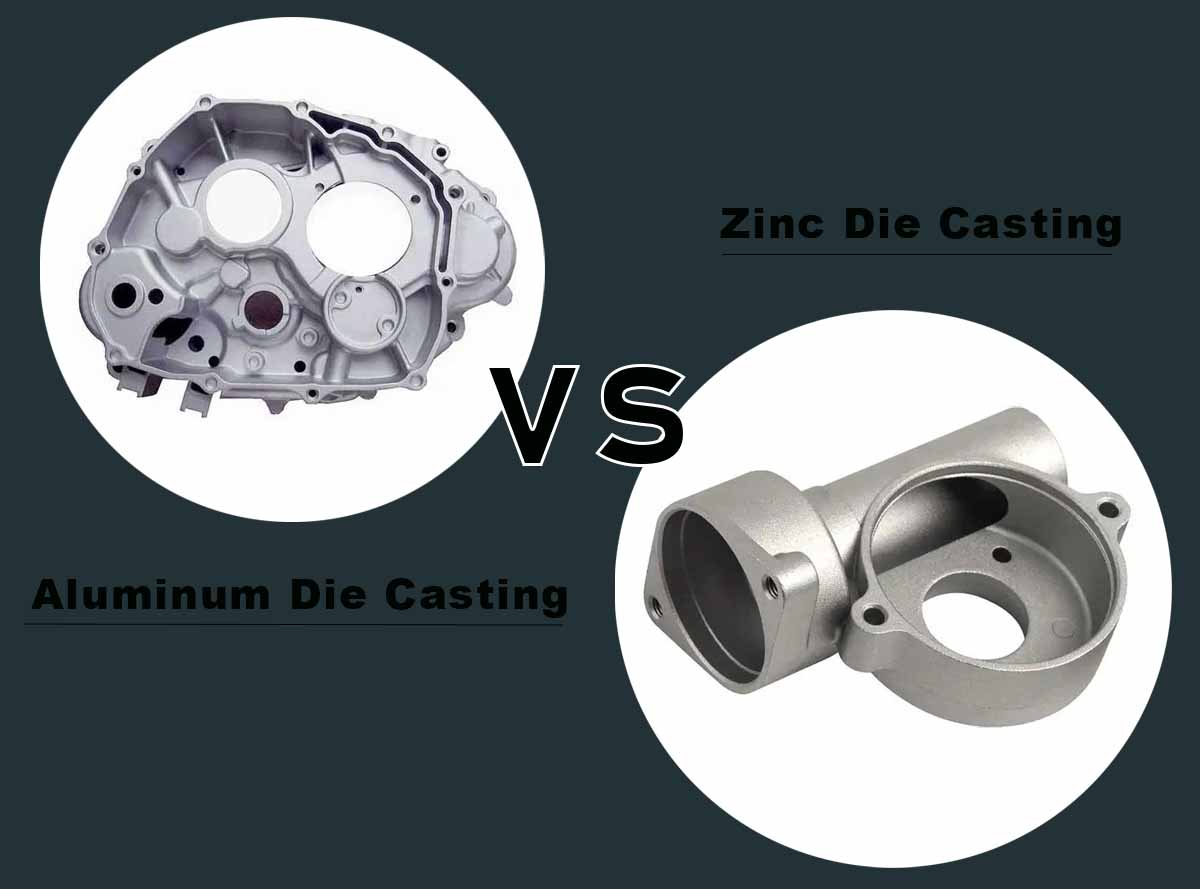
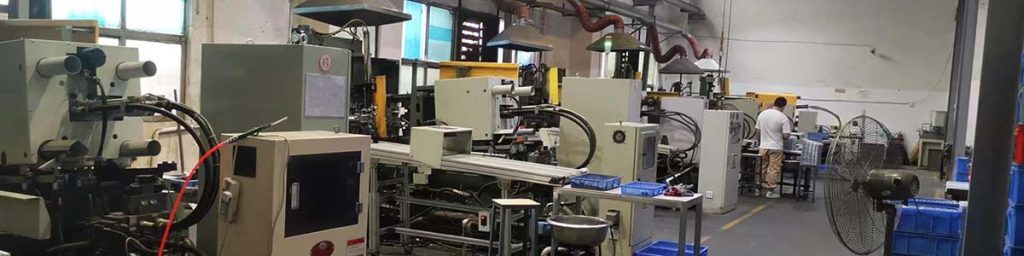
A right visual guide to troubleshooting zinc castings on cmmon defects when die cast manufacturer is seek for mass production efficency. We often encounter some common defects in zinc die casting process, which includes of porosity, sink mark, blister, flash, soldering and lamination. These defects caused are impacted by poor venting and impurity, uneven cooling, casting die inappropriate design, poor lubirant on the core of the die and two metal streams fusing poorly. Our expert suggests to understand common defects rightly, and also draft a visual guide to troubleshooting zinc castings before mass production.
Common Defects In Zinc Die Casting Process
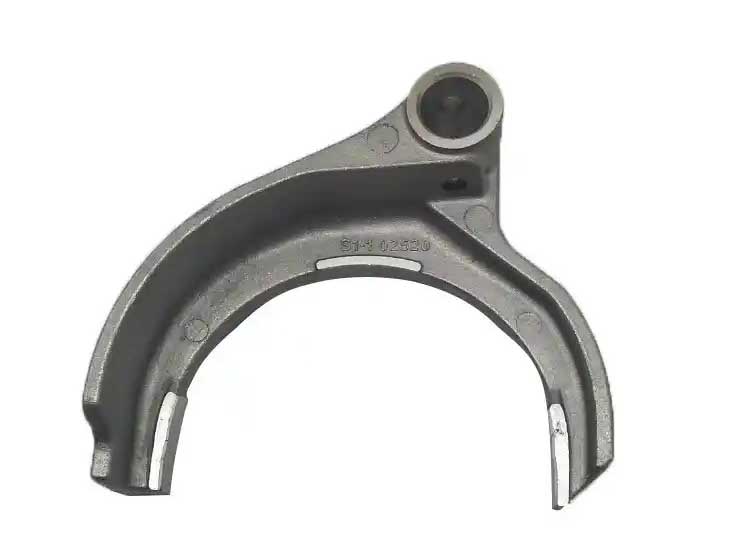
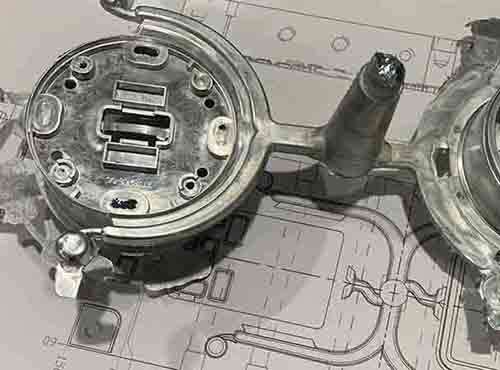
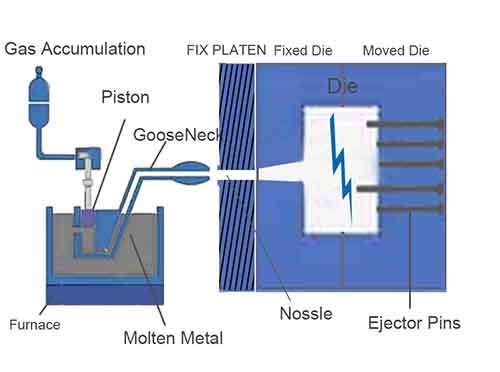
Hot Chambe die casting provides precision intricate high speed steel mold, faster metal flow injection, shorter cooling and solidifying time and advanced die casting technique, where common defects occurred in zinc die casting include of porosity, sink mark, blister, soldering on die and lamination.
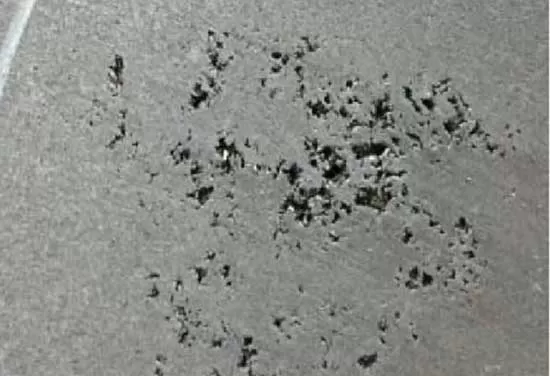
Porosity On Zinc Die Castings
The frequent phenomenon is much pin holes and porosity on the zinc cast part. That impacts further surface treatment for appearance of the cast part. The common problem is caused by improper casting die design, inadequate process parameter, impuried material and uneven cooling and solidification.
Sink Mark On Zinc Die Castings
Depression or dimple on a thick section of the cast part, which is caused by Insufficient cooling time, inadequate pressure during solidification.
Blister On Cast Part
Raised bubble on the surface, often appearing after plating, lead to trapped gas or porosity just under the skin, expanded during heating.
More Flash On Cast Part
There is thin layer of excess metal at the die parting line, The main reason is die wear, insufficient clamping force, die misalignment.
Soldering On the Casting Die
Zinc alloy sticking to the die steel. Maybe die temperature too high in a local area, lack of proper lubricant.
Lamination
Thin layer of metal peeling from the surface, two metal streams fusing poorly during die casting process.
The above is common defects of zinc die castings, these defects impact the quality of zinc die casting parts severely. So making a visual guide to troubleshooting zinc castings is necessary before mass production.
Making Visual Guide To Troubleshooting Zinc Castings
Making some effective solutions can resolve the above defective issues in zinc die casting process. As a visual guide to troubleshooting zinc castings, which guides our technician and engineers to resolve defective issues and proper improvement in zinc die casting process.
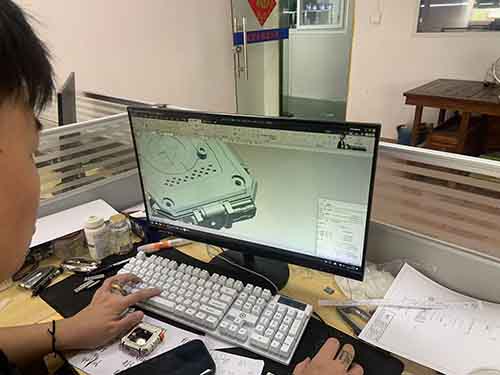
1. Optimize Mold Design
Improve Venting and Overflow: Optimize proper venting channels so that the retained gas is expeled within the melton metal when casting the part. Overflow the impurities and residues inside the molten metal in the furnace reserviors and hold the steady temperature molten purified zinc material.
Focus on Gate Design: Position gates on the unessential surface of the cast part, keep smooth surface of the part, minimizing post-process operation. Improve venting channels ensure the molten metal excellent flow fluidity, avoid turbulance or air entrapment inside the molten metal causes the defective parts.
Consideration for Uniform Cooling: Design the high performance cooling system for the cast die, Avoid uneven wall thicknesses of the cast part accepts consistent cooling and shrinkage porosity. Ensure troubleshooting zinc castings , uniformly cooling the part.
2. Control Process Parameters
Handle Injection Speed and Pressure: high speed injection can fill the mold quickly, ensure the cast part can be cooled uniformly. Meanwhile, Optimize pressure to ensure the mold cavity is filled fully without air entrapment, create fine surface cast parts.
Temperature Control: Maintain an optimal temperature for the molten zinc alloy. Keep the purified molten zinc material, ensure the metal flow excellent fluidity and fill the mold completely quickly. More repeative trial cast cycle so that preheating the die to avoid premature cooling and shrinkage porosity during the process of die casting.
Cycle Time Optimization: Handle Fine-tune cycle time, and ensure uniform cooling the cast part without stress or defects occurred. Meanwhile the proper cycle time can be sure that the strong stress internal structure of the cast part.
3. Improve Zinc Alloy Quality
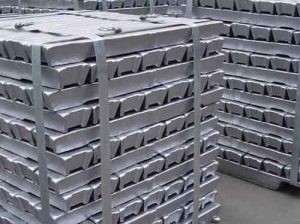
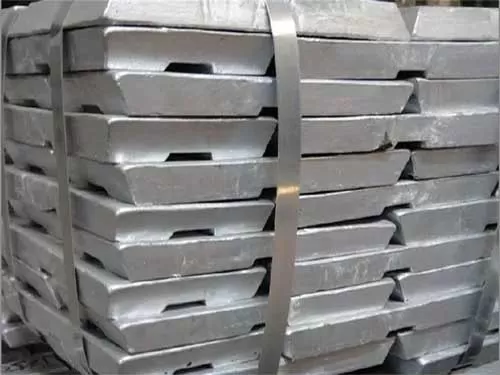
We should select certified, clean zinc alloy material that minimizing the risk of porosity on the die castings. Different zinc alloy contains different metal element account. Our Expert Engineer Sundy Ma suggests that “grain refiners can improve the structure of the zinc alloy, minimize the porosity on the surface of the part”. So Improve zinc alloy quality helps reduce porosity on zinc die castings.
4. Introduced Advanced Technologies
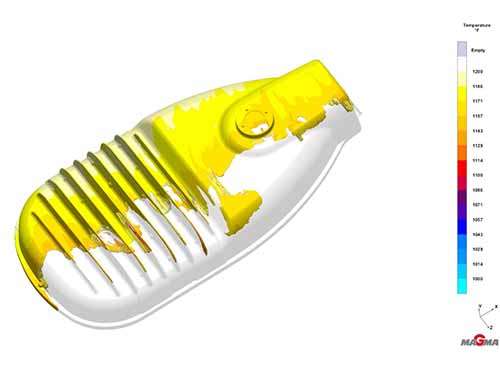
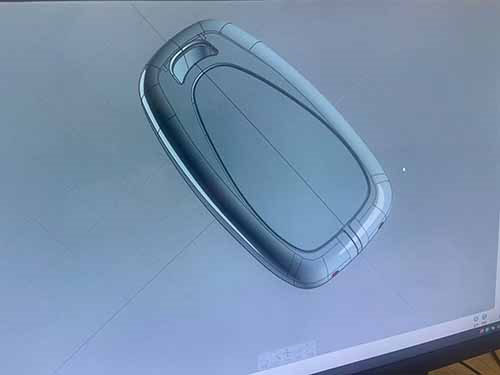
Simulation Software: Using some advanced technology, such as MAGSOFT to simulate metal flow. It can predict the potential troubles of the die casting, make engineeers optimize and improve the design of the cast die ahead. This eliminate some issue of the defective issues in real die casting process.
Real-Time Monitoring: sensors to monitor temperature, pressure, and flow during the casting process. Real-time data allows us to implement some immediate adjustments to prevent porosity. and handle proper operation parameter, and reduce porosity problems on zinc die castings and maintain a steady mass production.
5. Implement Rigid Quality Control Rules
We implement strict quality control regulations. Use some precision inspection instruments to detect all porosity and ensure consistent quality. Conduct adjustment actions to improve the cast die and control parameter, optimize casting technology, and running high efficiency mass production at high volume.
Implement the above effective approaches to resolve some common troubles in zinc die casting process, As professional die casting manufacturer, employs experience-engineered experts and had enrich die casting project experience, and make perfect guide to troubleshooting zinc castings, enables ensure consistent high quality zinc die castings at high efficiency.
Conclusion
In summary, a right visual guide to troubleshooting zinc castings can guide technicians and engineers to improve these common defective issues, such as porosity on zinc die castings, sink mark on zinc die castings, blister on cast part, more flash on cast part, soldering on the casting die and lamination. Of course, TangSheng Hardware Technology is one professional die casting manufacturer, who not only the perfect visual guide to troubleshooting zinc castings, but also provide high quality zinc die castings and considerational services for you.