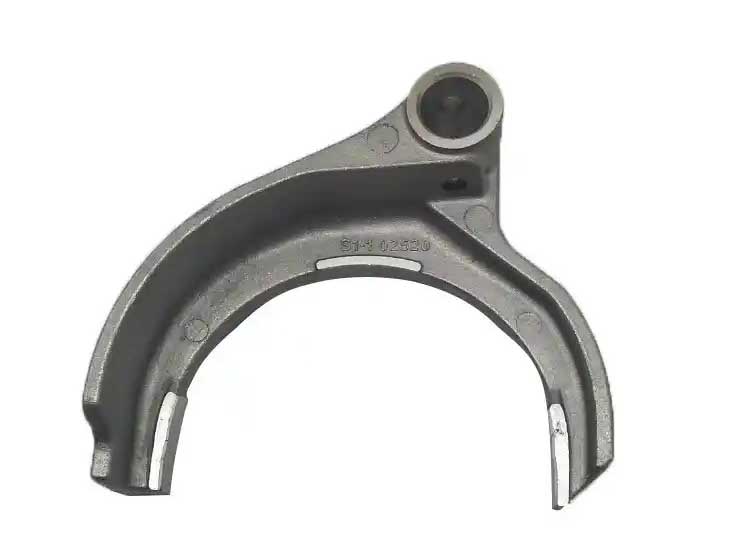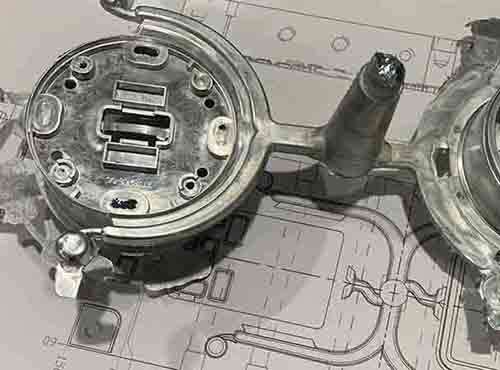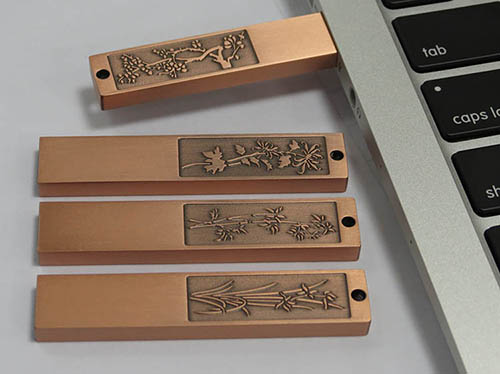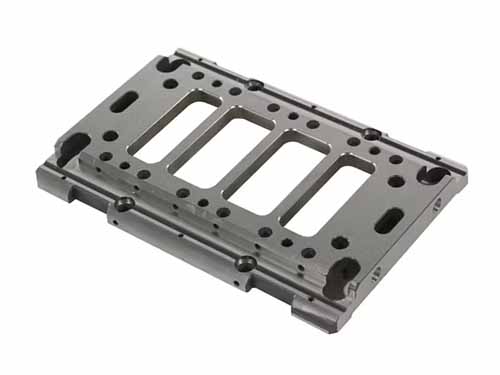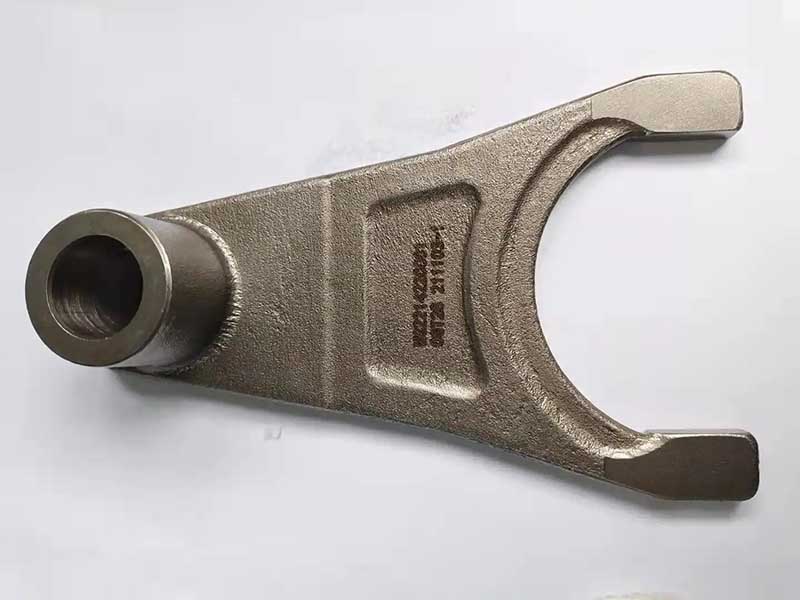
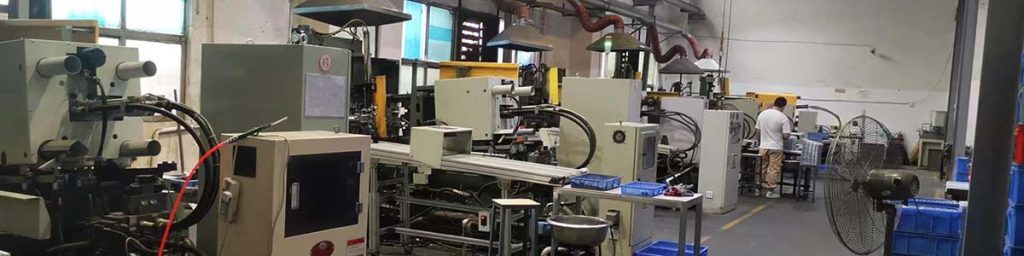
Brass alloys in die casting are used widely in industrial manufacturing, its feature is high mechanical properties and excellent wear resistance. These brass alloys are generally made into furniture hardwares and water-line fittings. They require high temperature to melt and cast various shaped cast parts, which have high hardness and strength, and suitable for bear-loading structural parts and impact repetively. The brass alloys are basic of brass content, and added with other metal content, such as Pb, Sn, Al, or Fe.
Brass Alloys Types Used in Casting
Brass alloys all belongs to high melting point metal alloy, and require higher temperature to melt, the range from 900–950°C. The process can exhaust more heat energy, the brass alloys in die casting enables servere die wear, high temperature fatigue and shorter die life. These brass alloys types used in casting include the below items.
| Brass Alloy | Typical Grade | Property | Application |
|---|---|---|---|
| Leaded Casting Brass | C83600, C84400, C85700 | Excellent fluidity, Very good machinability and Low shrinkage defects. | Valves, Pump bodies and Plumbing fittings |
| Tin Brass (Red Brass / Gunmetal) | C90300, C90500, C90700 | Good corrosion resistance, Better strength than leaded brass and Good pressure tightness. | Marine components, Steam fittings and bearings. |
| Silicon Brass (Eco Brass / Lead-Free Casting Brass) | C87300, C87850 | Good corrosion resistance, Moderate casting performance. | Drinking water systems, Plumbing components and Food-grade parts. |
| Manganese Brass (High-Strength Casting Brass) | C86300, C86400 | Very high strength, Excellent wear resistance and Good load-bearing capability. | Gears, Bushings and Heavy-duty industrial parts. |
| Aluminum Brass (Limited Casting Use) | C95200 | High strength and Excellent corrosion resistance. | Marine hardware, Special corrosion-resistant parts. |
Brass Alloys In Die Casting Process Approaches
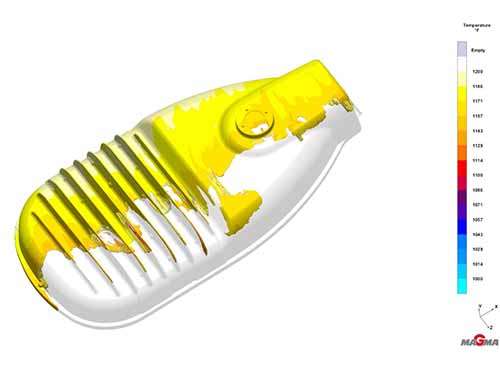
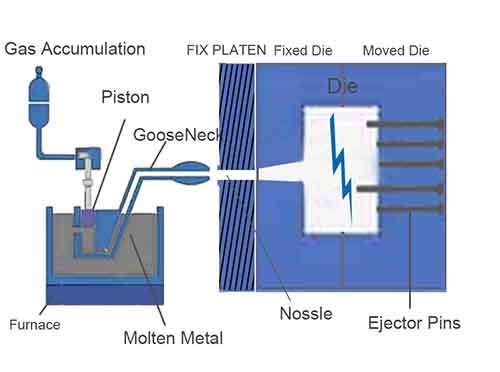
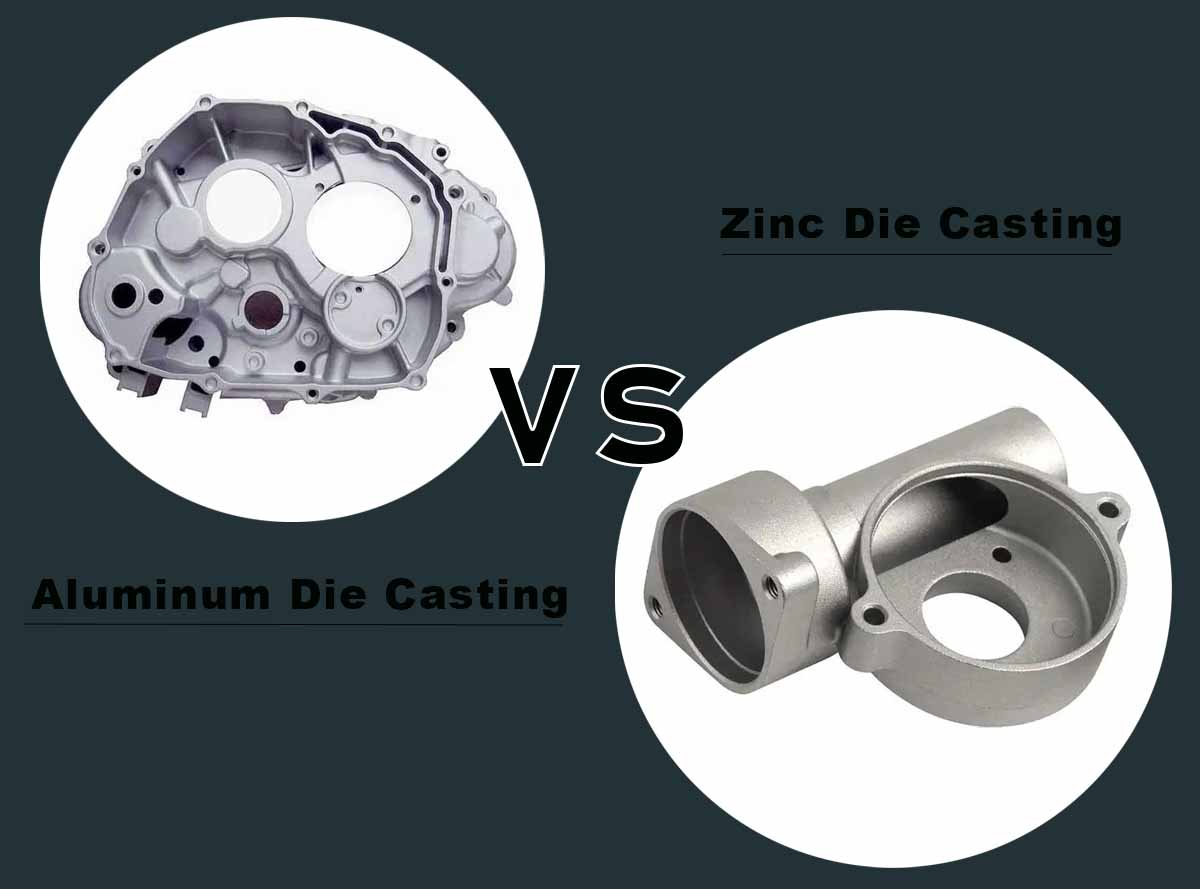
Brass alloys in casting is not like zinc die casting, which injecting the molten metal into the precision steel mold under high pressure. They require a natual irrigation of molten metal alloy, pass natual cooling and solidifying an has a slow cooling cycle. Through the below common methods for brass cast parts in manufacturing.
Gravity Casting
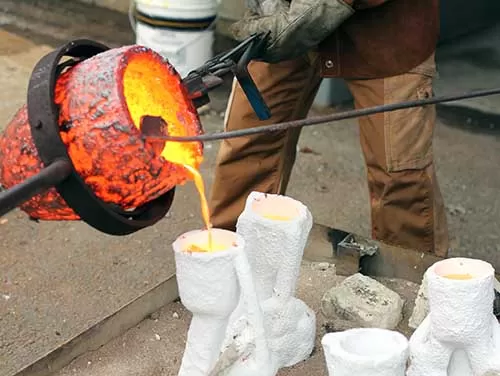
The molten brass is poured into the alloy steel die by gravity only, without any high pressure, and shaped naturally inside the preheated steel die. But the die casting needs very high temperature, from 950–1050°C, and create the tough surface finish of these brass components, more post-processing is necessary.
Suitable for brass alloys
- Leaded Casting Brass, like C83600, C84400.
- Tin Brass (Red Brass): C90300, C90500
- Silicon Brass (Lead-Free): C87300
- Manganese Brass: C86300
Sand Casting
This kind of casting is old traditional casting process, which cast some large and medium sized metal cast parts, with not any accurate dimensions and precision structure design. Making the simple and rough sand mold, and injecting the molten brass into it, and pass a natural cooling and producing brass cast parts. Its defective parts are much more. Accept low production rate and flexible design rough brass cast parts.
Suitable for brass alloys :
- Leaded Casting Brass, like C83600, C84400.
- Tin Brass (Red Brass): C90300, C90500
- Silicon Brass (Lead-Free): C87300
- Manganese Brass: C86300
Investment Casting
Investing casting is wax pattern mould workcraft, wrapping it with plaster material, burn the wax pattern inside, and irrigate metal alloys and forming process. It is natural irrigation process, without any pressure, some disagent added into the molten brass to remove the gas iniside it if necessary. The tough surface finish of cast parts requires more further post-processing treatments. More wax patterns shaped, acheive mass production at high volume. Accept small order at so far low cost.
Suitable for the brass alloys:
- Leaded Casting Brass, like C83600, C84400.
- Tin Brass (Red Brass): C90300, C90500
- Silicon Brass (Lead-Free): C87300
- Manganese Brass: C86300
The Best Application For Brass Alloys In Die Casting
The best application for brass alloys In die casting, depends on the specific purpose of the part, die cast manufacturer select proper casting approach and the right brass alloy among various brass alloys to make high performance metal cast part. Below is a practical selection guide you can use with customers or in production.
Plumbing & Valves
These parts are common cast parts, their features are flexible geometries, pressure tightness and corrosion resistance. Without high precision dimensional requirements. So the gravity casting is suitable for the plumbing and valves, the cast material for brass alloys : C83600, C87850.
High-Strength Mechanical Parts
The brass mechanical parts have high strength, excellent wear resistance and good load-bearing capacity. They require high precision and complex structural design, so the investment casting is favor of high-strength mechanical parts. The cast material for brass alloys : C86300 (Manganese brass).
Marine / Corrosion-Resistant Applications
The brass parts have high corrosion resistance which is excellent resistance to seawater and anti-dezincification properties. without high precision dimensions, but flexible apperances, so the gravity-casting and sand-casting is suitable for these marine parts. Recommanded brass alloys: C46400 (Naval brass),C44300 (Admiralty brass).
Electrical & Precision Machined Parts
Electrical components are need of excellent electrical conductivity and precision dimension. So the brass alloys are better for electrical components. The investment casting is best for brass alloys. Recommanded brass alloys: C36000 (Free-cutting brass).
General Casting Parts
These common parts are used for decoration purpose and practical properties. They can be made with various casting aproaches, the above three kinds of casting process can process them evenly, but considering of cost-efficiency, the specific casting process is defined. Recommand brass alloys: C83600 / C84400, C90300 (Tin brass / red brass).
Brass alloys in die casting had been used widely across industries due to the specific features of brass alloys. depends on different application purposes, the right brass alloy is selected and made into best cast part. Passing the rough casting process, further post-processing is indispensable for precision dimension and excellent surface finish.
Conclusion
In summary, brass alloys in die casting are versatile, using them to made into different purpose cast parts and meet the specific requirement of environment and functions. Considering of cost-efficiency, selecting the proper casting process among gravity casting, sand casting and investment casting, choose the best brass alloy to made high performance cast parts at cost-efficiency. This is our permanent service aim for customer.