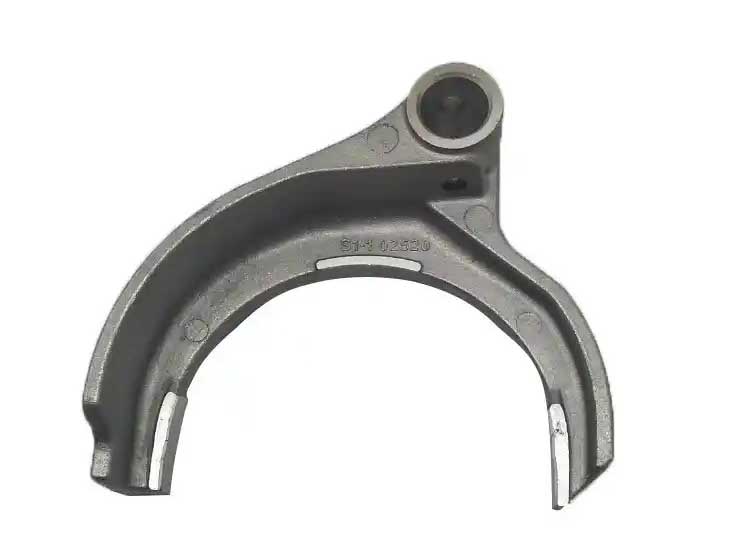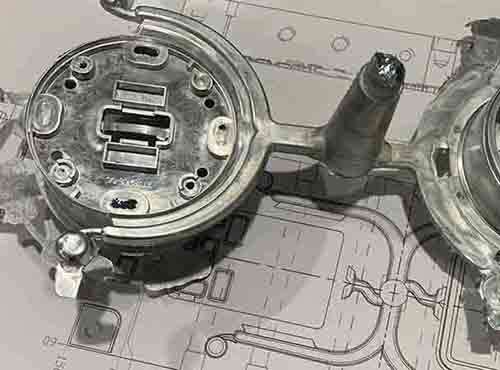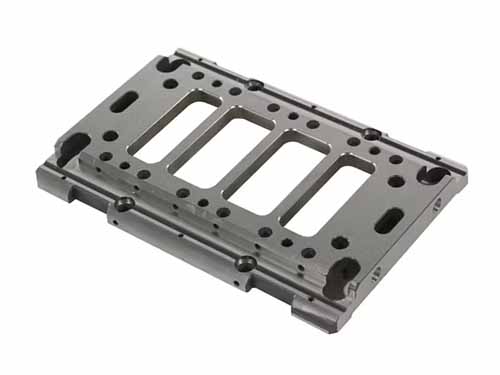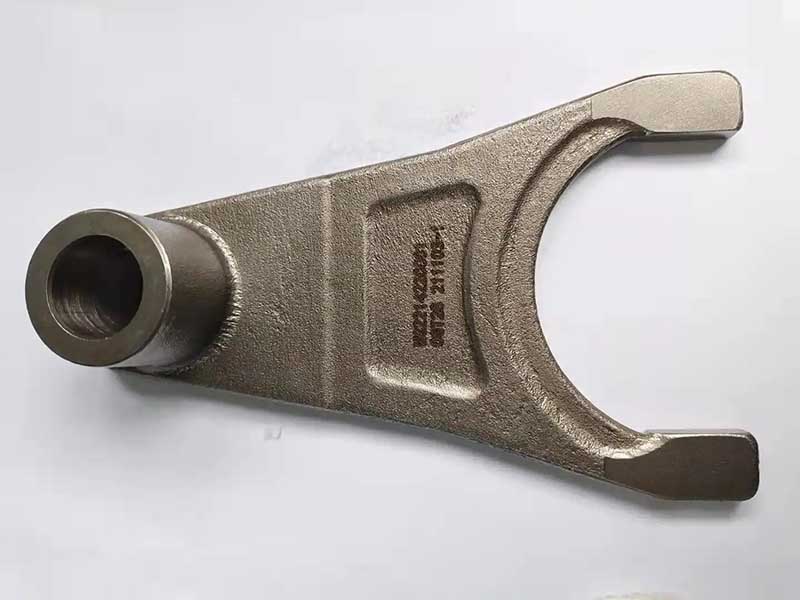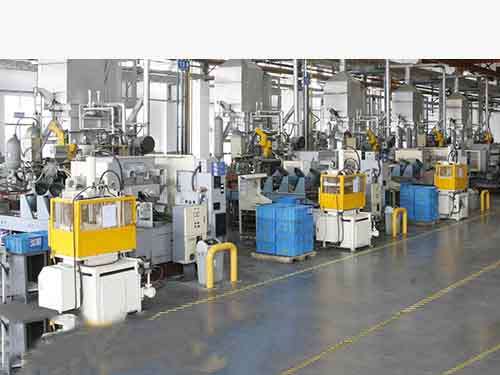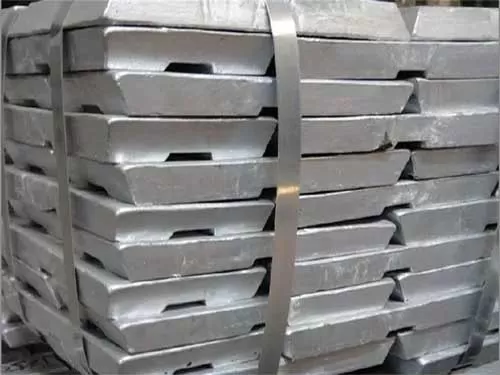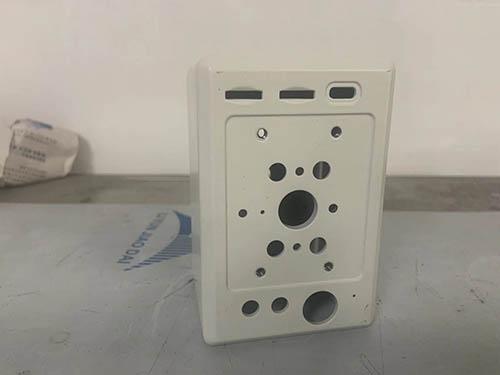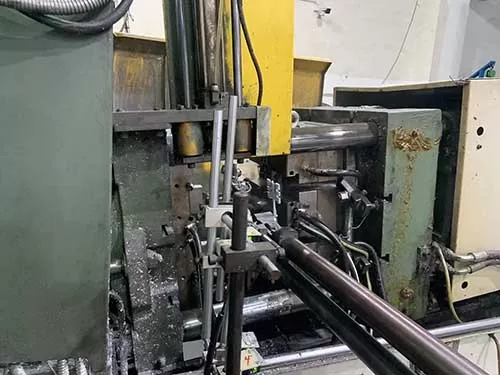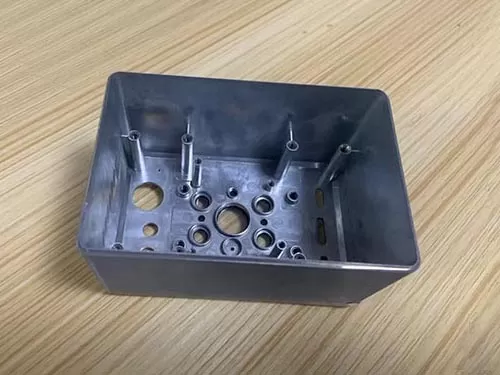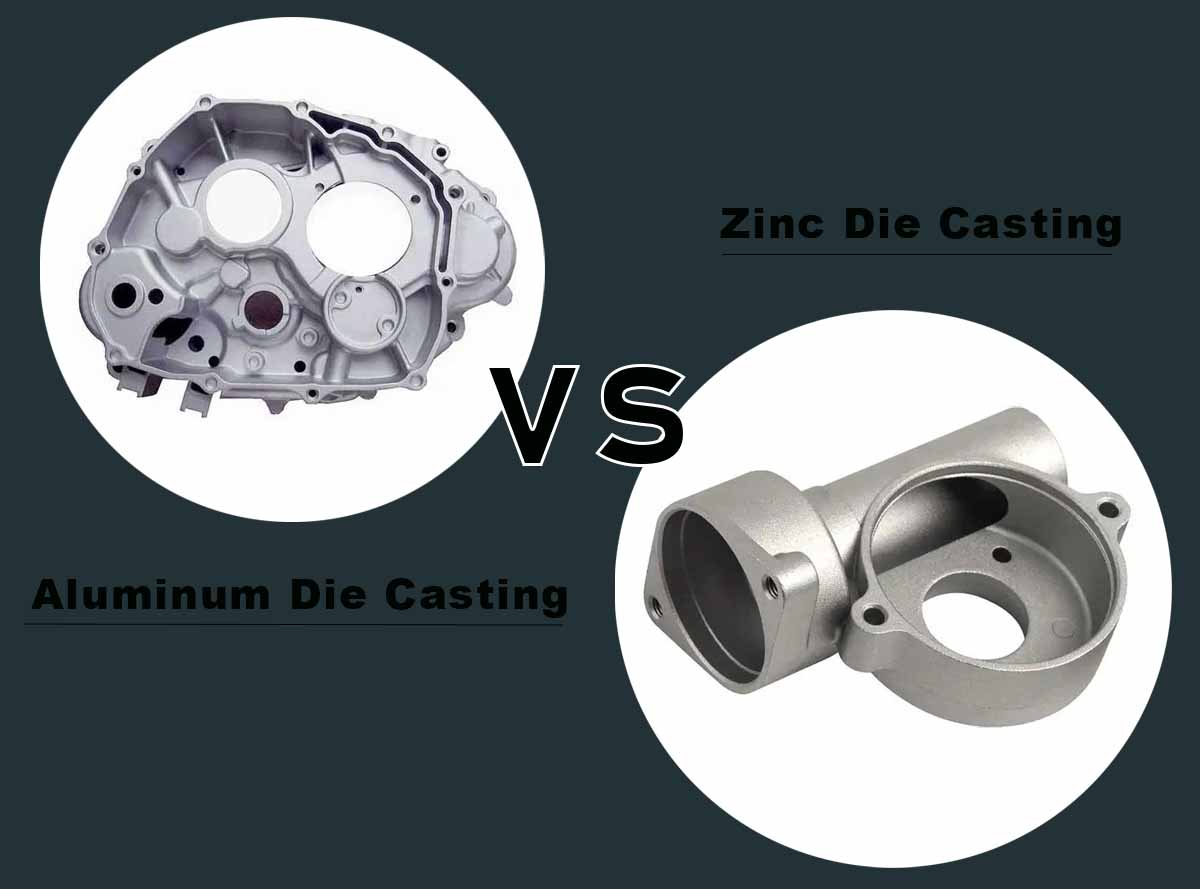
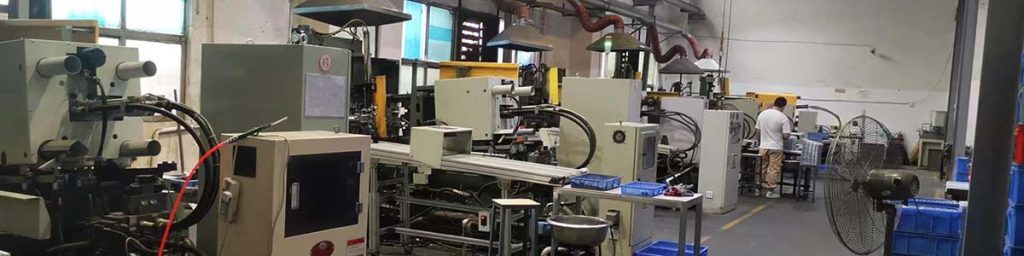
Automotive led lighting housing belongs to precision aluminum die castings, which is lightweight and high strength, and has steady dimension, complex structure and excellent heat dissipation. Ensure the mass production of the precision aluminum die casting components at high efficiency at high volume. Ts die casting technology designs and makes High precision casting die and prepares advanced higher tonnage cold chamber die casting machine. Equipping with automation operation system and high intelligent production lines, consistent high quality precision automotive led lighting housings are outcoming.
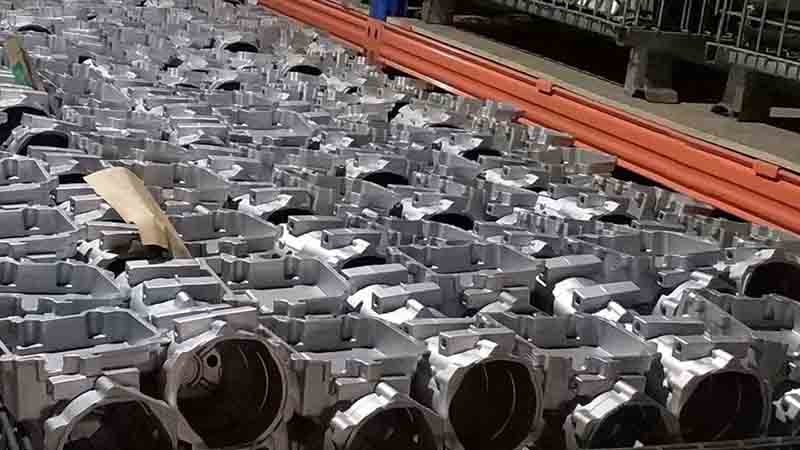
Why Automotive LED Lighting Housing Is Made Of Aluminum ?
Automotive LED lighting housings are often made of aluminum alloy because aluminum provides an excellent balance of heat dissipation, lightweight performance, strength, corrosion resistance, and manufacturability. As aluminum automotive led lighting housing, not only has strength integrated structure, protects the led lighting well, but also has a superior heat dissipation, maintain the lighting works at lower temperature. Extends the life of the led lighting.
1. Excellent Heat Dissipation
LED chips generate heat during operation. If heat is not removed efficiently, it can reduce brightness, shorten LED lifespan, and damage electronic components. Aluminum led lighting housing has excellent heat dissipation, conducts the heat that the led chips generate to air, maintain thes led chips works at lower temperature. Deliver High Performance of the led lighting.
2. WeightLight Material
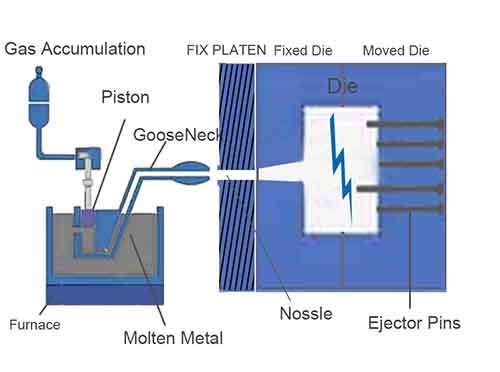
Automotive factory chooses aluminum alloy to cast flexible structural lighting housing because aluminum is far weightlight metal, excellent corrosion resistance, high strength properties. With the cold chamber die casting machine, under high pressure, the molten aluminum is pushed into the pre-heated die. enhance the density of metal, create excellent surface finish, high strength and accurate dimensional cast part. It weight is far much lighter than other metal, such as iron, copper, stainless steel.
3. Good Corrosion Resistance
Vehicles operate in rain, humidity, road salt, mud, and changing temperatures. Aluminum naturally forms a protective oxide layer that improves corrosion resistance, makes the automotive withstand harsh environments and worse weather. This helps LED housings maintain long service life in harsh outdoor environments.
4. Easy to Cast And Meeting High Volume Production
Many automotive LED housings are produced by aluminum die casting. Aluminum alloys flow well in molds and can create complex structural and accurate dimensional cast parts. Aluminum die casting allows precision high speed steel die to cast precision metal cast parts in mass production at high efficiency.
5. Flexible Structural Design
Modern LED lamps are smaller, brighter, and more integrated. Aluminum allows our designers to combine housing structure, heat dissipation, compact geometries and mounting fixture and more.
6. Wide Range Aluminum Selection
Typical alloys include:
- ADC12 – Common die casting alloy
- A380 – Popular for cast housings
- AlSi10Mg – Used in some precision applications
- 6061 / 6063 – Used for machined or extruded heat sink parts
Automotive LED lighting housings are made of aluminum alloy mainly because aluminum removes heat efficiently, reduces weight, resists corrosion, and can be manufactured economically through die casting. Also meeting the demand of mass production at high volume, provide matched automotive components for vehicles in fast sale on market.
Steps For Manufacturing Automotive LED Lighting Housings
As one of professional die casting manufacturer, aluminum die casting process requires us to select high quality aluminum alloy, and use advanced cold chamber die casting machines to play high effective mass production at high volume. Below is a practical step-by-step production flow.
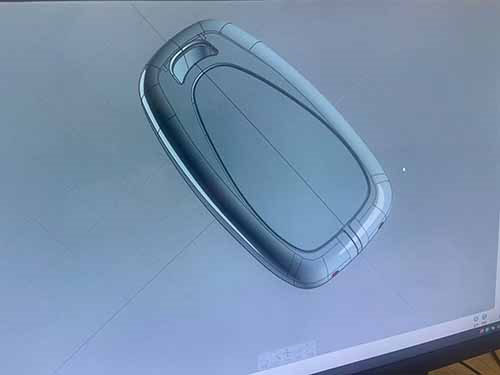
- Product Design Review: Our engineer design precision die cast with 3d design software according to 2D drawings or 3D CAD files from the client.
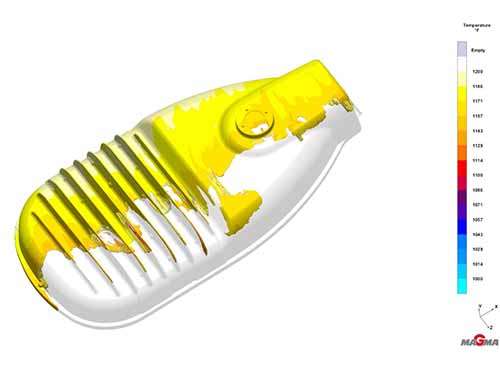
- Mold Flow Analysis: With metal flow simulation tools , testing the mold flow, troubleshooting and correcting some defects in flow testing ahead, then confirm the drawing of the cast die, and transfering 3d design file into 2d drawings.
- Tooling / Die Manufacturing: Tooling room is started, mold technician make the real cast die depend on the drawing, select proper tooling steel material, then cutting, milling, grinding, and EDM etc, finish all components for the die, then assemblies them, mount die on the die casting machine. Align with the halves of the die, have a trial cast for the die.
- Die Casting Production: Molten aluminum alloy is injected into the steel die under high pressure. Accept uniform cooling on the surface of the metal flow, solidifying the precision cast part. As medium sized cast part, the aluminum led lighting housing has a fast cast cycle.
- Trimming and Deburring: After casting, extra material such as runners, gates, and flash must be removed.
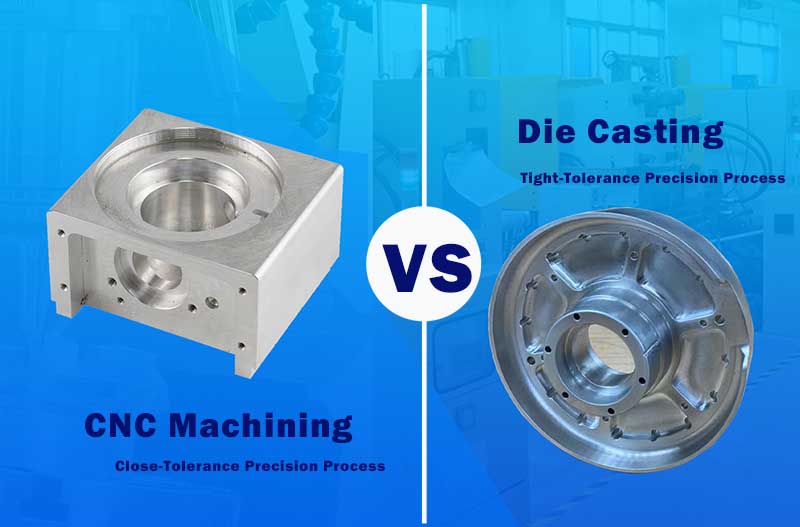
- CNC Machining Operations: Aluminum led lighting housing has some detail features to secondary processing by cnc machining.
- Surface Treatment: Depending on application, housings may need protective or decorative finishes. Such as painting, powder-coating, anodizing and sandblasting.
- Thermal Interface Preparation: The step ensure the aluminum led lighting housing can conduct quickly the heat that led lighting chips generate, make the led lighting have a best performance.
- Quality Inspection: Implement QC inspection on full-process, from raw material to cast parts, even to accurate dimensions measurement for cnc machined parts.
- Assembly Trial: Before mass production approval, sample housings are assembled with the below components together and have a trial testing.
- Reliability Testing: Salt spray testing, themal cycling, vibration testing, humdity testing, UV agent test and water ingress test.
- Packaging and Shipment: Precision housings need careful packaging to avoid scratches or deformation. We adopt soft form to wrap the housings, avoid impacts and scratch each other in long distance transportation.
Automotive LED lighting housings are made of aluminum alloy mainly because aluminum removes heat efficiently, reduces weight, resists corrosion, and can be manufactured economically through die casting. Meanwhile strictly handling quality control on full process, deliver high quaity aluminum automotive cast parts to automaker with safety package and fast transportation company.
TroubleShooting Solutions In Automotive LED Housing Production
The below is some defects in precision aluminum automotive led lighting housings casting process, our engineers collaborates with our mold technician, through further improvement for die and optimization of operation parmater, reduce the happening of the follow defects in efficency.
Porosity
Aluminum alloys are molten, and generate much hydrogen inside molten aluminum, the molten aluminum flow is injected into the precision steel mold under high pressure, However the molten metal flow accept cooling and solidifying, hydrogen solubility inside the molten metal drops sharply, these much hydrogen pop up on the surface of molten metal, so much pin holes appear on the surface of cast parts.
Our best troubleshooting solution is impregnation technology, place these porosity aluminum cast parts into liquid resin pool, let resin to seal pin holes and porosity on the cast parts.
Warpage
The aluminum cast part can deform because the surface of the part accepts uneven cooling, like some thin walled structure of the cast part, areas of thin wall on the part has a shut cold lead to uneven cooling of overall cast part. makes the cast part is deformed and warpped.
The troubleshooting solution : Add thick to the too thin wall of the cast part, range from 1-3mm, allows the cast part has an uniform cooling, an maintain high effective mass production.
Poor Surface Finish
Poor surface finish on an aluminum cast part usually forms because of problems during mold condition, molten metal flow, gas control, alloy cleanliness, cooling behavior, or post-casting handling. Aluminum casting is sensitive to process stability, and small issues can quickly appear on the surface.
The troubleshootig solution: Tooling Optimization, Process operation parameter control, Selecting high quality aluminum alloy. Using precision post-processing.
Thermal Flatness Issues
Poor accuracy may cause lens misalignment during assembly. Strong process engineering is essential.

Need Aluminum Die Casting for Your Project?
China Die Casting Manufacturer Provides
✓ Aluminum die casting
✓ Mold design and manufacturing
✓ CNC machining
✓ Surface finishing
✓ OEM mass production
Conclusion
Automotive LED lighting housings are vital structural and functional components in modern vehicles. They protect electronics, manage heat, maintain optical alignment, and support stylish vehicle design. Whether produced in aluminum die casting, zinc die casting, or engineered plastics, quality manufacturing requires careful control from design review to final inspection.