
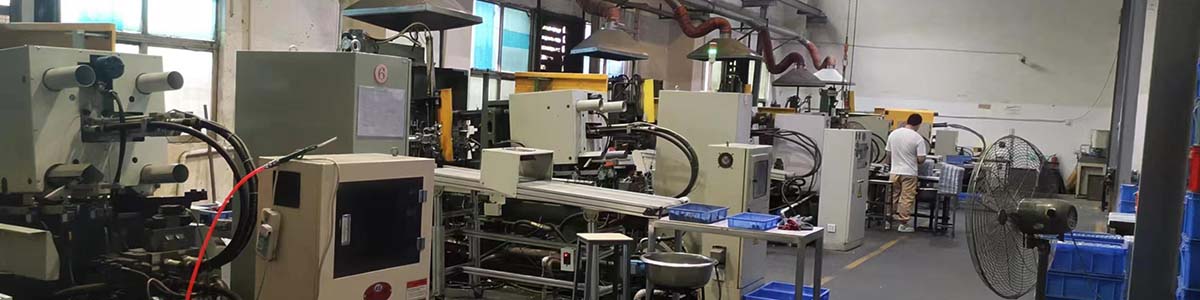
Zinc die casting switch box, which has steady integrated structure,tight tolerance dimension and personalized design appearance. It is one of classic zinc alloy die casting projects. Because the metal switch box is portable and durable, so it is always used for light controlling switch in hotels and some noble places. The follow let everyone know it more about zinc die casting Switch box project.
Contents Of Table
- Advantages Of Zinc Die Casting Switch Box
- Zinc Die Casting Switch Box Unique Structure
- Zinc Die Casting Switch Box Mass Production
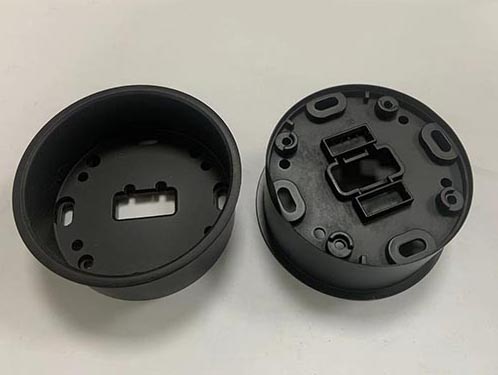
Powder-coated black zinc cast parts, decorate and protect the precision switch housings.
Advantages Of Zinc Die Casting Switch Box
For a high-end switch box in a hotel, zinc alloy die castings are durabe, aesthetic appeal, and reliable. Especially the zinc die casting switch boxes can be used in luxury hotels and high grade sites. These parts are made in accordance with client unique requirements and decoration purposes. Rely on the below advantages:
Precision and Aesthetic Design
Zinc’s excellent castability creates high-end switch boxes with intricate and refined designs, especially hotels often want sleek, modern designs for decorating luxury interiors. Zinc die casting design creates the dimensional tight tolerance and aesthetic design gemotries. Using some computer aid plugin, like MAGMASOFT, FLOW-3D CAST, AnyCasting, and ProCAST, implement mold flow simulation, optimize and modify mold design, finish perfect mold design drawing.
Durability and Resistance to Wear
Hotel switch boxes are frequent use, so durability. Zinc alloy is highly resistant to wear and impact, so zinc casting switch box affords high frequency usage and fine wear resistance over time.
Corrosion Resistance
In humid environments like bathrooms or coastal hotels, More corrosion resistance parts are required. Zinc’s natural resistance to corrosion ensure zinc die casting switch box can be used in these places for longer time and maintain its high quality and functionalities.
Customizable Surface Finishes
Zinc die castings can be easily plated, painted, or finished with various coatings, especially customize zinc casting switch boxes, which are treated to match their interior design. From polished chrome to matte finishes, depends on luxurious feel of the room in hotel and high grade sites.
Cost-Effective for Large-Scale Production
For hotels, where each room requires several switch boxes. Zinc alloy die casting is cost efficiency for large-scale production with high quality. Its lower energy consumption, recyclability, each fast cycle in mass production reducing the average cost of production in high volume quantity.
Fire Safety
Zinc alloy has favorable properties when it comes to fire resistance. High-grade switch boxes in hotels must adhere to strict fire safety standards, and zinc can help in meeting these standards while still offering a high-end appearance.
Zinc Die Casting Switch Box Unique Structure
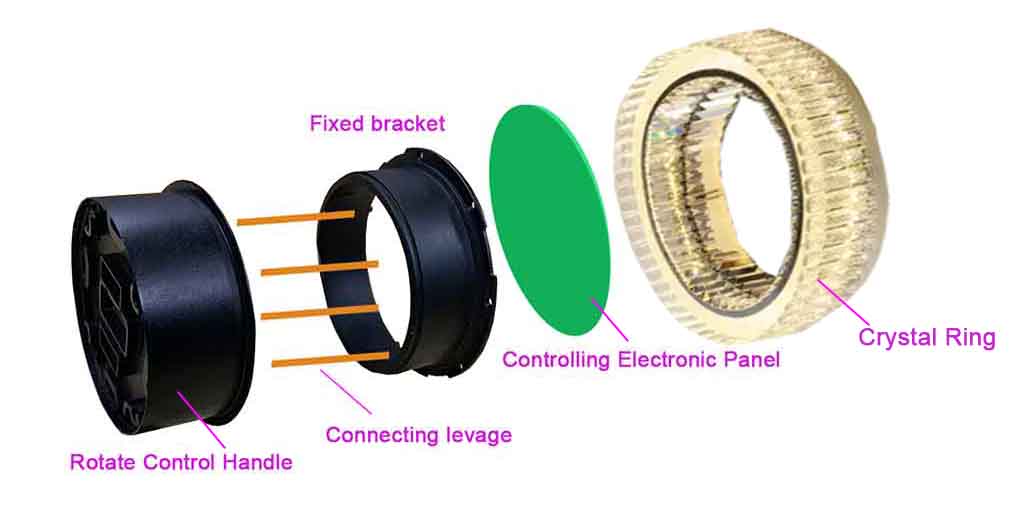
This unique design ensure that more match client’s control switch, also have a good appearance. It is portable and durable. Either protecting electronic circuit and components well, or install and fix electronic circuit control reasonable. This is a item of high grade switch structure design component, at this time, also reflect that our engineering design and technique is excellent.
Zinc Die Casting Switch Box Mass Production
This kind of metal switch box can be used in luxious hotels, noble auditorium and cofference room, so the quality of the switch box must be qualified. At Ts die casting technology,every step for their production should be handled strictly on quality so that these metal switch box can be installed accuractely on the luxious control switches.
Firstly, Best Zinc alloy Choice
The set of swithc box is commonly used indoor, its purpose is decorating the switch and functional switch. but its structure is very complex, although its wall thickness is standard, many rib, boss and assembly hole-diameter must be tight-tolerance. So engineers balance injection pressure, injection speed, cooling time and tooling wear, and decide to use Zamak 3 to employ high-efficiency mass production on hundreds of thousand times cast cycle.
Melting Zamak 3 With Furnace
Zamak 3 is molten into liquid mteal at 430℃, stay the consistent temperature molten meal in reservior, impurities inside molten metal naturally overflows the surface of molten metal, worker removes the impurities and the top oxidation layer any time, and remain purified molten metal.
The Die Preparation
Before mass production begins, the die must be preheated to ensure stable casting conditions and prevent thermal shock. After the hot chamber die casting machine is started,we choose 80 ton power machine, several trial shots of molten zinc alloy are injected into the die at the normal casting temperature. These initial shots rapidly raise the die temperature to the required operating range.The die has a service life of 500,000 to over 2,000,000 shots.
Once the die surface temperature reaches approximately 150–220°C (depending on the alloy, die design, and part geometry), the die casting process becomes thermally stable. At this point, the machine operator can begin mass production, maintaining consistent casting parameters for hundreds of thousands, or even millions, of production cycles. Proper die preheating improves molten metal flow, reduces cold shuts and misruns, minimizes dimensional variation, extends die life, and ensures consistent casting quality throughout the production run.
Fast Cast Cycles Process
The molten Zamak 3 alloy is rapidly injected into the preheated die under an injection pressure of 25–45 MPa, filling the die cavity within a few milliseconds. After a short holding and cooling period of several seconds, the casting solidifies sufficiently, and the die opens automatically. The near-net-shape casting is then ejected by the ejector pins, requiring little or no additional machining.
To increase production efficiency, many hot chamber die casting molds are designed with multiple cavities. For example, a two-cavity die can produce two identical castings in a single injection cycle. Depending on the part geometry, the die may also incorporate multiple core pins or movable cores to form complex internal features, holes, and undercuts. A well-designed multi-cavity mold significantly increases output per cycle, improves machine utilization, reduces the manufacturing cost per part, and enhances overall mass production efficiency.
Net-shape Cast Parts Secondary Operation
The as-cast surface of hot chamber zinc die castings typically has a surface roughness of Ra 3.2–6.3 μm. Although these near-net-shape components require little machining, their surface quality is generally not suitable for high-quality decorative or protective surface finishes. Therefore, secondary finishing processes are performed to reduce the surface roughness and remove casting imperfections.
Depending on the part design and customer specifications, the castings may undergo shot blasting, vibratory finishing, belt grinding, CNC machining, drilling, tapping, and mechanical polishing. These operations remove flash, burrs, oxide films, machining marks, and other surface contaminants while improving the overall surface finish.
For components requiring an electrophoretic (E-coating) finish, our standard surface roughness specification is Ra 0.8–1.6 μm. After precision CNC machining, all required holes and threads are completed before the parts are polished using hemp buffing wheels or other suitable polishing media. This process removes residual grease, dirt, oxide films, and fine surface defects, producing a clean and uniform substrate that meets the required roughness for electrophoretic coating.
Following polishing, the parts undergo a complete pretreatment process, including degreasing, rinsing, and conversion coating, before being transferred to our qualified surface finishing partner for electrophoretic coating. The resulting E-coated components feature a uniform coating thickness, excellent adhesion, enhanced corrosion resistance, and an attractive, durable surface finish that satisfies the quality requirements of automotive, industrial, and consumer product applications.
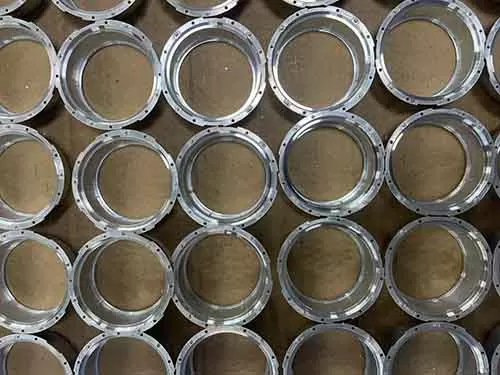
SourceComing Inspection And Assembly Testing
After electrophoretic coating treatment, the zinc alloy die casting parts are returned to our factory for final quality inspection. Our quality inspectors perform a comprehensive inspection of the finished batch to verify coating appearance and overall product quality.
During inspection, potential defects such as coating peeling, exposed metal areas, bubbles, blisters, pinholes, and black spots are carefully identified. Any non-conforming parts are sorted out according to the quality standards, while qualified components are approved for final assembly testing.
Based on the customer’s assembly specifications and technical documents, the finished zinc alloy die casting parts are assembled with other components to verify proper fit, functionality, and overall performance.
During the assembly validation process, inspectors check the smooth installation of each component and confirm that all functions operate correctly. Key inspection items include screw tightening torque, assembly alignment, fastening reliability, component looseness, interference issues, and movement clearance.
Any problems such as loose screws, difficult assembly, improper fitting, or moving interference are recorded and analyzed. Necessary improvements are implemented to ensure the final assembled product meets the customer’s dimensional, functional, and quality requirements before shipment.
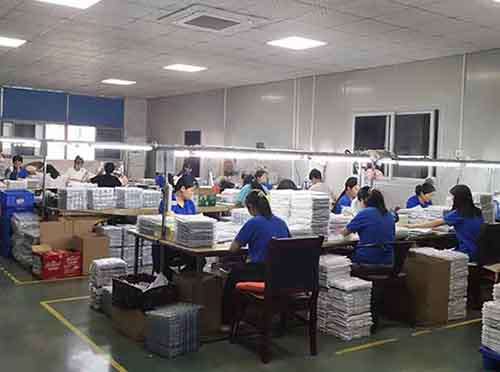
Good Safety Package
To ensure that the products remain in excellent condition during long-distance transportation, customers require reliable and secure export packaging. Appropriate protective measures are implemented to prevent scratches, impact damage, and part-to-part collision caused by rough handling during shipment.
Depending on the product structure and surface finish requirements, plastic blister trays, foam inserts, or soft protective wrapping materials are selected to separate individual components and protect critical surfaces. In addition, moisture-proof measures are applied, including the use of desiccants, moisture-resistant bags, and sealed packaging, to prevent corrosion and surface deterioration during transportation.
Through careful packaging design and strict protection procedures, the finished products can safely withstand international logistics conditions and arrive at the customer’s facility without damage.
GET IN TOUCH
Have a further discussion about project
Our Lead Delivery Time
Product 3d Model Design Time : 5-7 days
Development Of Mold Time: 20-35 days
Mass Production Time : This depends on the quantiy of your order
- Quantity of The Order is 10000 sets, mass production time : 20-30 days.
- Quantity of The Order is 50000 sets, mass production time: 30-35 days
- Quantity of The Order is 100000 sets, mass production time: 40-45 days
- Quantity of The Order is 5000 sets, you should consider if the die cast is fabricated.