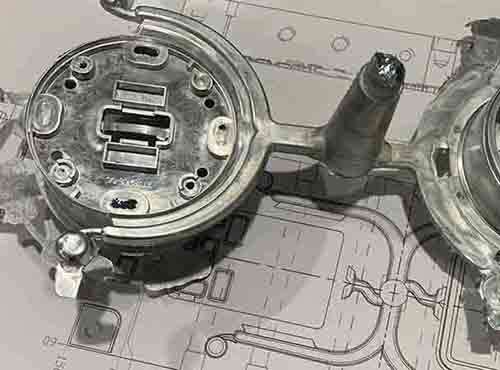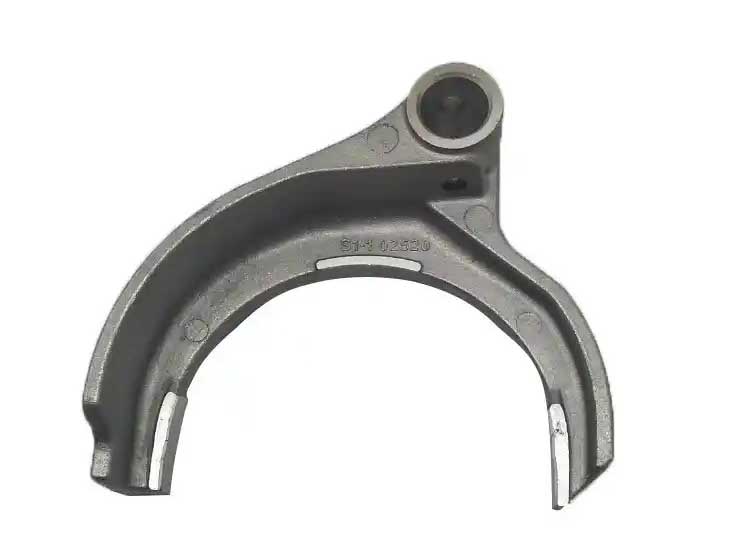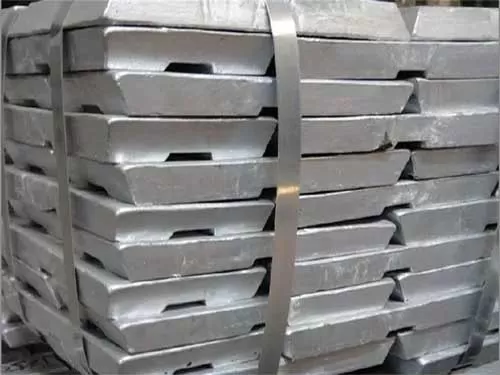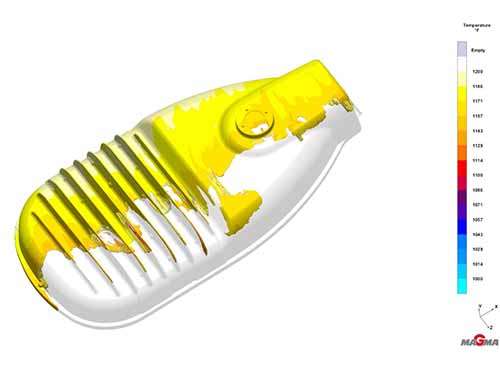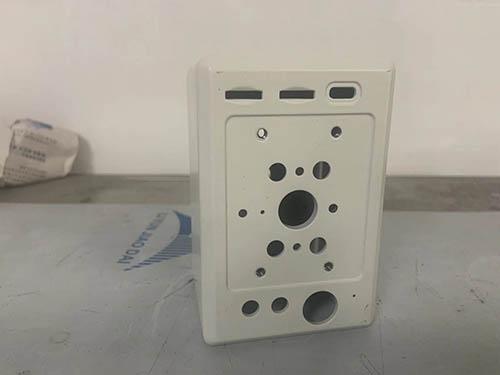
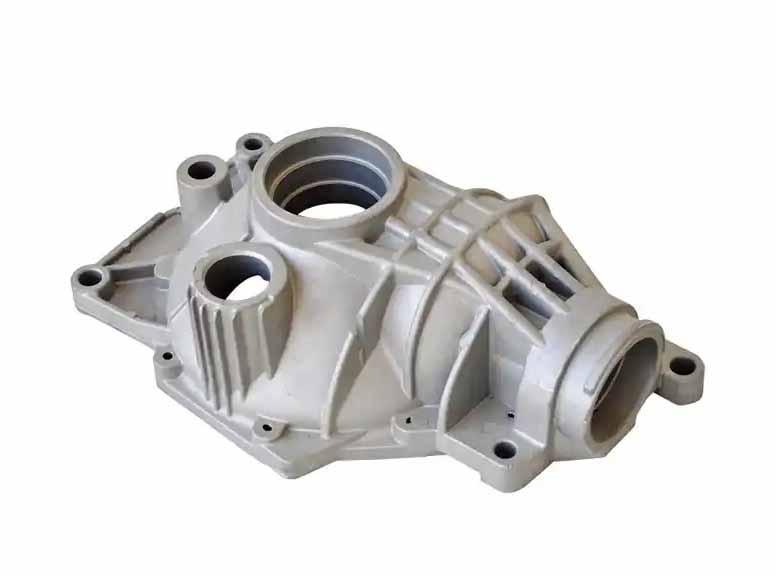
Automotive aluminum die casting components have their own advantages and benefits. To reduce the overweight of car or vehicle and ehance cost efficiency of fuel efficiency car and electricity power execss exhaustion of electric car, many other heavy duty automotive parts may be replaced by this kind lightweight products, which are automotive aluminum die casting components. These aluminum parts are either very light or good strength and strong corrosion resistance, and commonly used for automotive engine shell, wheel and battery chassis. They are large sizes and high precision, and have a good integrated structural properties. Their benefits also will show the follow aspects in the article.
Automotive Components Aluminum Die Casting
- Lightweight
- Complex Geometries & Thin Walls
- Superior Surface Finish
- High Strength & Durability
- Corrosion & Heat Resistance
- Sustainability & Recyclability
What Are Automotive Aluminum Die Casting Components ?
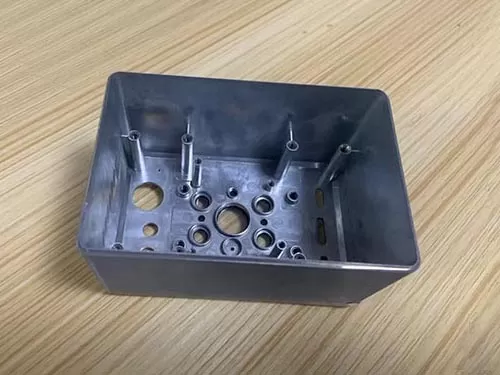
Automotive aluminum die casting components have a wide range, they can be used for many sectors in automotive industry. From engine system components to electrical components, these lighter weight and strong strength aluminum components are used for engine housings, transimission enclosures, electrical mould heat sinks and connectors due to aluminum natual properties, which superious conductivity(thermal conductivity and electrical conductivity). Aluminum alloy density is so lower, about 2.7g/cm³, most of wheels on car is made of aluminum alloy, aim to reduce the overweight of car and increase cost- efficiency for fuel-effiency cars and electrical vehicles.
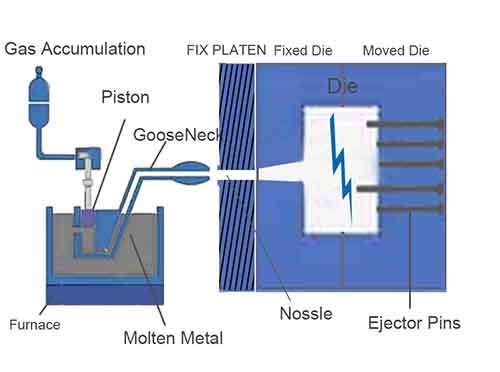
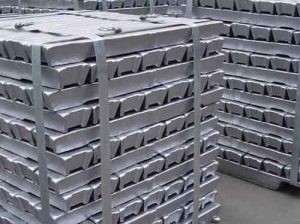
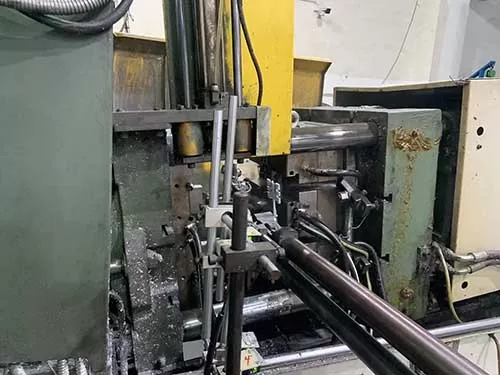
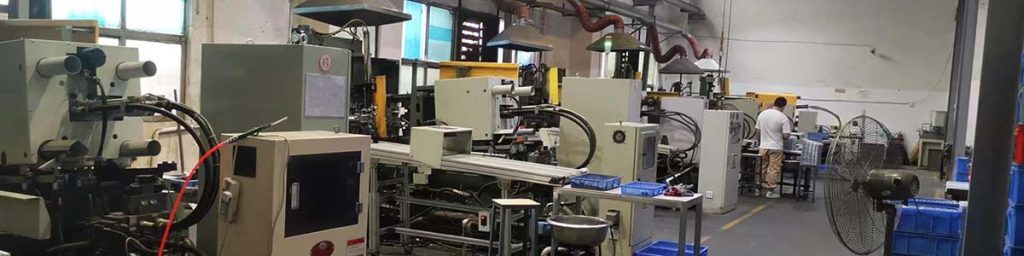
Aluminum die casting components process belongs to cold chamber die casting, which require auxhause more heat energy to melt aluminum alloy and inject the molten metal into precise steel die to form and have a lower cooling, eject the cast part out of the die. Aluminum alloy is porosity metal, so the surface of the cast part requires more further post-processes and reach to qualified automotive components. Like wheels for private car, they maybe anodized and passivated and make them more durable and corrosion resistance. Other specific components can be impregnated and treat a striking bonding and accept luxurious plating coating.
Common Aluminum Alloys For Automotive Aluminum Die Casting Components
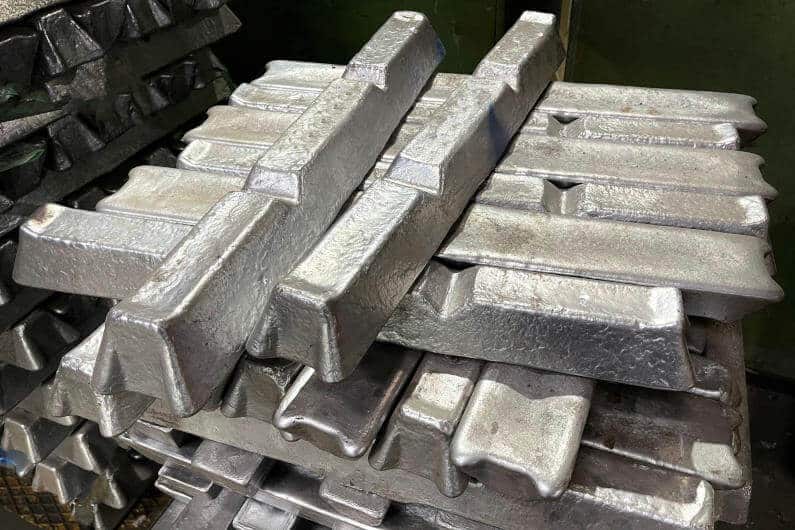
Refer to the below several types of aluminum alloys, we can have more knowledges about aluminum alloys, especially aluminum alloys for automotive components, and helps us choosing the right alloy to process high quality automotive aluminum die casting parts. Hereby show aluminum alloys parameters and mechanical properties.
Aluminum Alloys Parameter
| Aluminum Alloys | Composition | Properties | Applications |
|---|---|---|---|
| ADC12 | Si (10.5-12%), Cu (1.5-3.5%), Fe (<1.3%) | Excellent fluidity & castability | Transmission housings Engine brackets Sensor housings |
| A380 | Si (7.5-9.5%), Cu (3-4%), Fe (<1.3%) | High strength and hardness Good machinability and thermal conductivity | Engine blocks Cylinder heads Pump housings |
| A360 | Si (9-10%), Mg (0.4-0.6%), Fe (<1.3%) | Superior corrosion resistance Excellent pressure tightness (for leak-proof parts) Good ductility and impact resistance | Coolant system parts Fuel system components EV battery housings |
| A390 | Si (16-18%), Cu (4-5%), Mg (0.5-0.65%) | Extremely high hardness & wear resistance Good high-temperature performance Poor ductility (brittle) | Pistons Cylinder liners High-wear engine parts |
| ADC3 | Si (9-10%), Mg (0.3-0.6%), Fe (<0.6%) | Good weldability & elongation Better impact resistance than ADC12 | Structural chassis parts Suspension components |
Aluminum Alloys Mechanical Properties
| Alloy | Strength | Corrosion Resistance | Fluidity | Machinability | Best For |
|---|---|---|---|---|---|
| ADC12 (A383) | Medium | Good | Excellent | Good | Transmission cases, housings |
| A380 | High | Moderate | Very Good | Excellent | Engine blocks, pump housings |
| A360 | Medium | Excellent | Good | Moderate | Coolant parts, fuel systems |
| A390 | Very High | Low | Poor | Difficult | Pistons, high-wear parts |
| ADC3 (Al-Si-Mg) | Medium-High | Good | Good | Good | Structural parts, suspension |

Die Casting Project Quote
Professional OEM die casting factory to finish your project? Please send 3d file to us for quick quotation !
Benefits of Automotive Aluminum Die Casting Components
Automotive aluminum die casting components are so far lightweight than the same volume metal parts, while they have excellent corrosion resistance and wear resistance at high temperature. The aluminum die casting can also accept precision small size parts that own complex function and internal structure.
Lightweight and Reducing Overweight Of The Car and Vehicle
Aluminum is ~3x lighter than steel, and helps reducing vehicle weight. More aluminum die casting parts are installed on car and vehicle, and largely reduce the overweight of vehicle, Lighter fuel efficiency car can saving more fuels and lower CO₂ emissions, improve contaimination of air , and meet a strict requlation of the environment. The lighter electric car can start and speed up quickly, too.
Acceptable Complex Geometries & Thin Walls
The Cold chamber die casting technique is suitable for aluminum die casting process. At same time, it also needs high precision high quality steel mold, under high pressure, injecting the molten aluminum alloy into the mold, and cools and solidifies into intended aluminum die casting part, and eject the part out from the mold. Since the molten aluminum alloy has a good ductility, and shape thin walls complex geometries. This just meet some specific requirements of automoble manufacturing.
Corrosion & Heat Resistance
Aluminum is natrual resist rust, touch the oxygen in the air, and generate Alumina, which cover on the surface of the aluminum part, create a protective film, and stop the other aluminum further Oxidation. The alumina layer has strong corrosion resistance. Aluminum has a nactive thermal conductivity, and can transfer the heat energy into the air and other substance quickly, and remain a steady temperature for automotive components.
Superior Surface Finish & Dimensional Accuracy
Automotive components aluminum die casting is processed by high precision casting die, so its suface is fine. Although a higher shrankage when the aluminum part is cooled, we can control some parameter tolerancy for die casting process and ensure dimensional accuracy of aluminum die casting part. Depends on the texture of surface of die cating part, our engineering team can offer diversity of superiou surface finish for aluminum die casting components.
Aluminum Casting Die Components are High Strength & Durability
The common aluminum alloys such as A380, ADC12, A383, offer excellent strength-to-weight ratio and high strength properties. Lightweight aluminum die casting parts can replace traditional heavy duty iron casting parts, and reduce the overweight of the car, makes fuel efficiency car and electric car more benefits . for engine blocks, transmission housings, and structural parts. These aluminum automotive parts are durable.
Sustainability & Recyclability
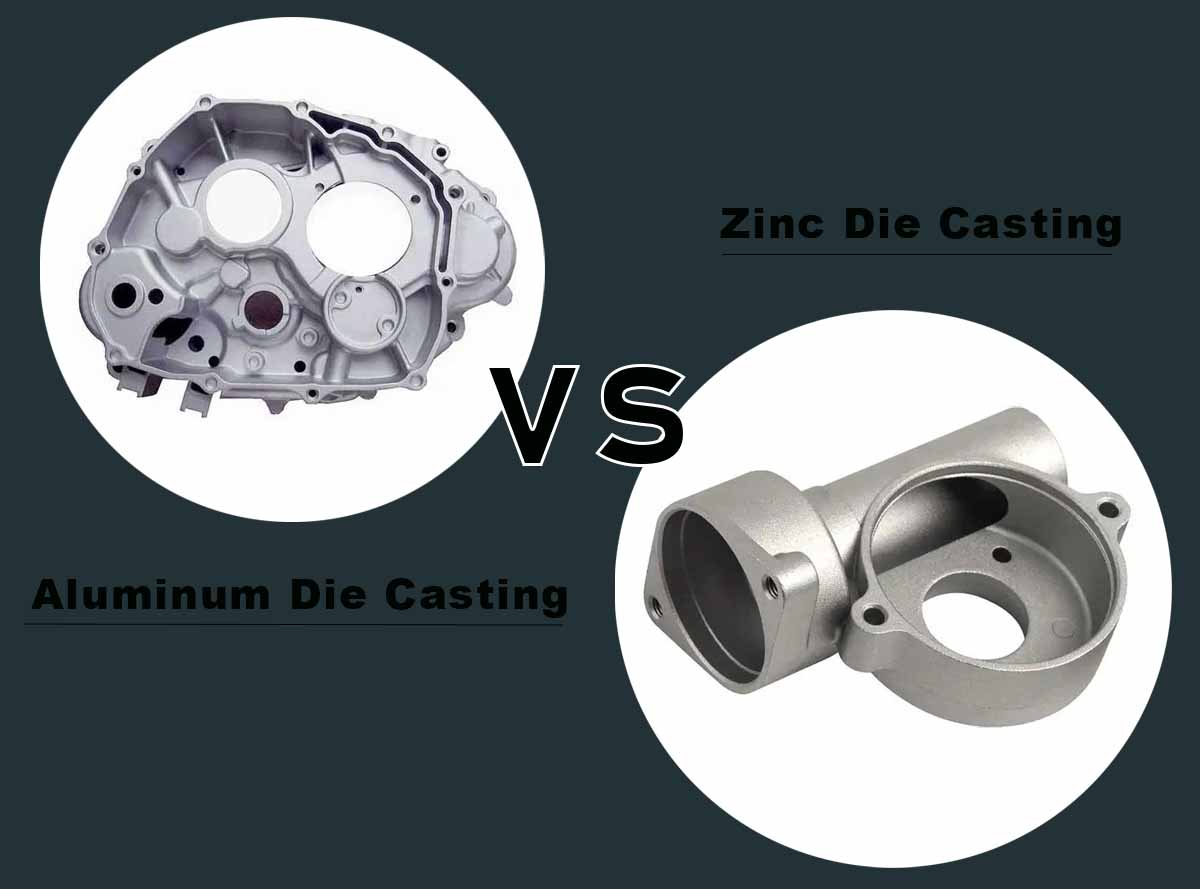
The aluminum die casting components are sustainable and recycled, similar with our zinc die casting parts in automotive industry. When these automotive components aluminum die casting have been used for a longer time, and lose their functions, they will be recyled, and reused, and melt them and reinject and fabricate the new die casting part or some defective parts reusage. So aluminum casting die components are sustainable and recycled.
The detailed description from the above, we found that the advantages for the automotive components aluminum die casting is beneficial and so far weightlight. This kind of metal cast parts were used widely in different sectors in automotive industry due to the far lower density and strong corrosion resistance.
Common Automotive Aluminum Die Casting Components Surface Finishes
Surface finishing is a critical step in automotive aluminum die casting. It improves corrosion resistance, wear resistance, appearance, electrical properties, and paint adhesion while meeting the demanding quality standards of the automotive industry.
Large automotive aluminum die casting components are more susceptible to porosity due to their complex geometry, varying wall thicknesses, and longer metal flow paths. Surface porosity or pinholes can compromise pressure tightness, corrosion resistance, and the performance of subsequent surface finishing processes. Before applying coatings such as powder coating, painting, or anodizing, sealing these surface pinholes is essential. Vacuum resin impregnation is one of the most effective solutions for sealing microscopic pores and interconnected porosity. At Ts die casting technology project practice, engineers use a low-viscosity thermosetting resin penetrates the pores under vacuum and pressure before being cured, permanently sealing leakage paths without affecting the component’s dimensions or mechanical properties. Resin impregnation significantly improves leak-tightness, enhances corrosion resistance, and increases the reliability of large aluminum die cast components used in automotive engines, transmission housings, EV battery enclosures, and hydraulic systems.
Anodizing is an ideal and economical surface treatment for automotive aluminum die casting components. The anodized oxide layer protects the casting from corrosion, abrasion, and environmental exposure, extending the component’s service life. Besides improving durability, anodizing creates a clean, attractive metallic appearance that enhances the aesthetic value of visible automotive parts. It is widely used for EV battery housings, electronic enclosures, heat sinks, and decorative aluminum components requiring both high performance and an appealing finish.
Conclusion
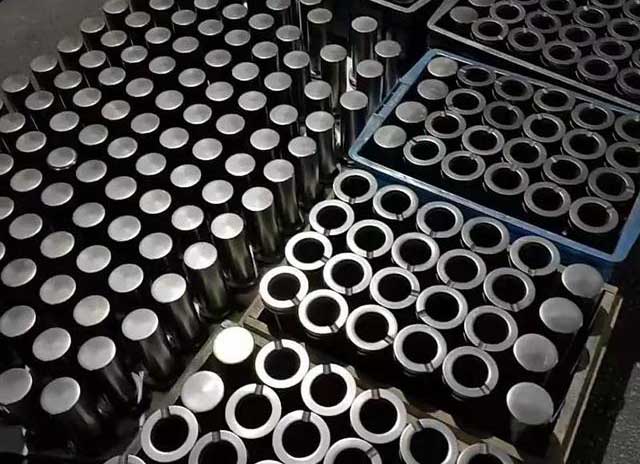
In Summary, automotive aluminum die casting components are high corrosion resistance and so far weightlight. They can be used for car transmmision system, fuel way fittings, headlighting housings and some heat sinks for electrical modules. These aluminum die casting parts reduce overweight of the car and electrical vehicle, result in the speed-updated and engergy-saved.