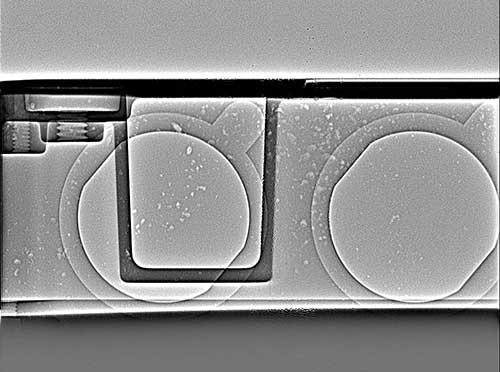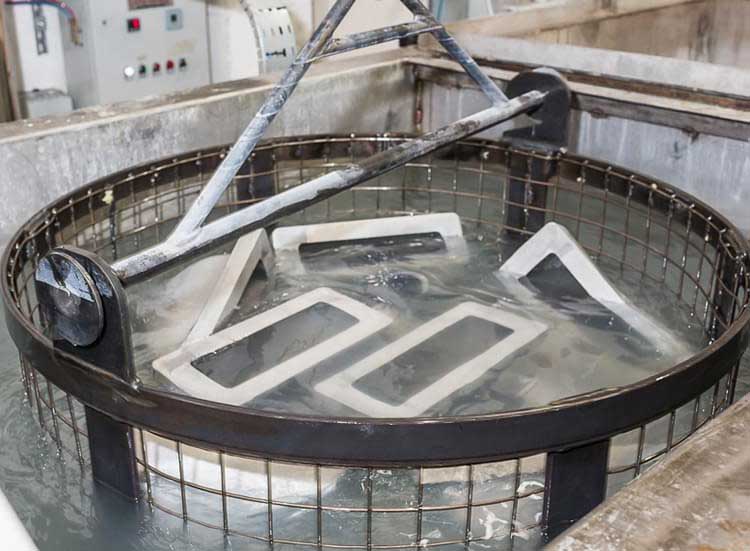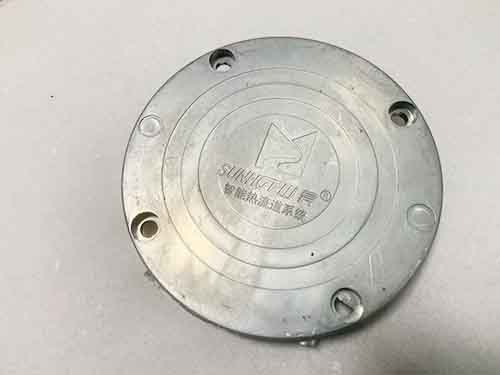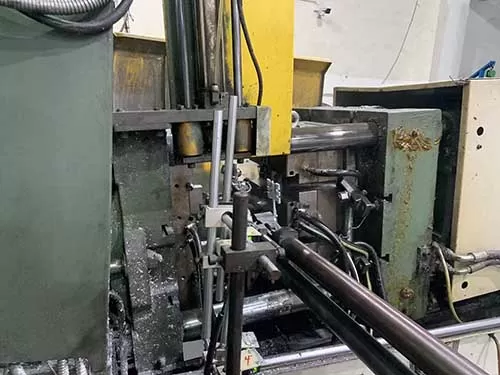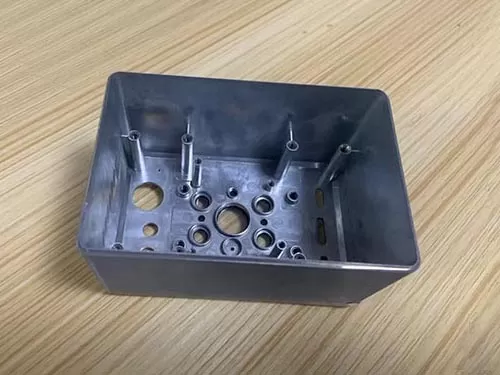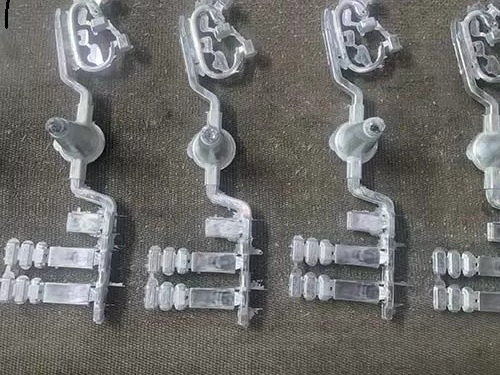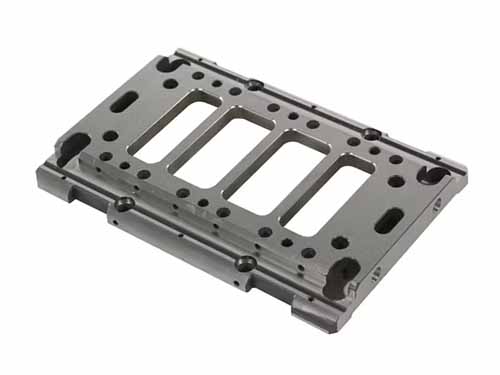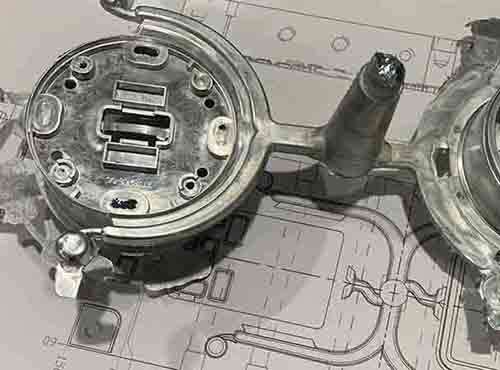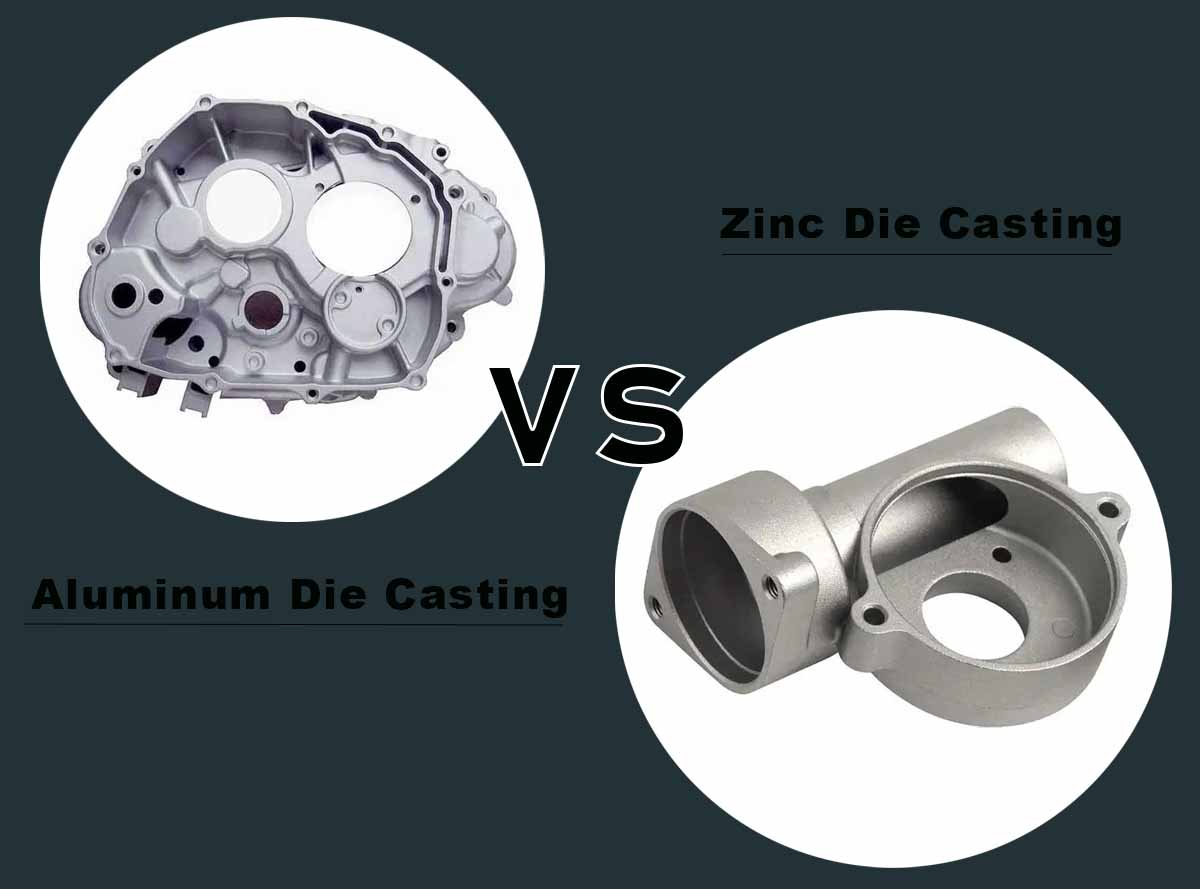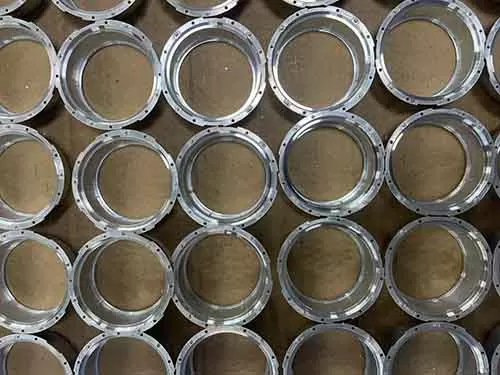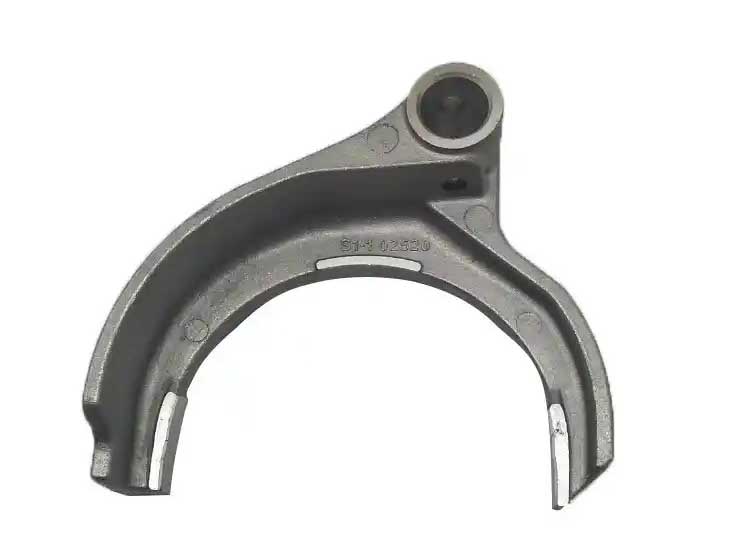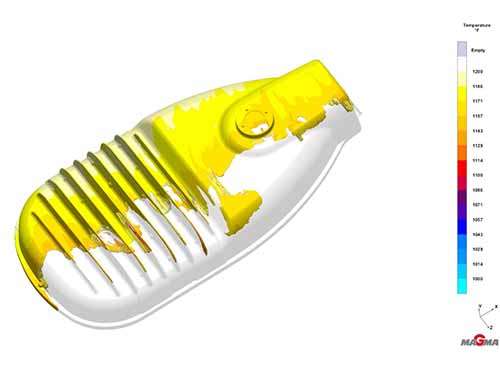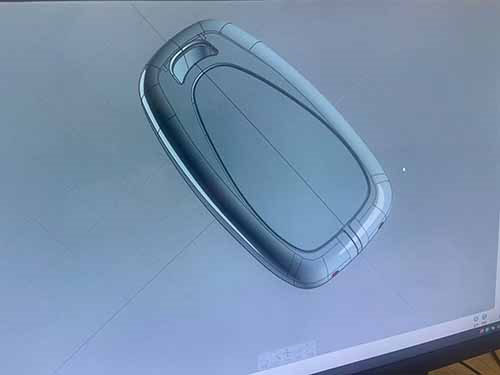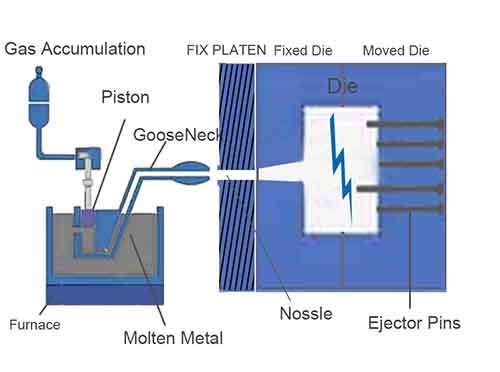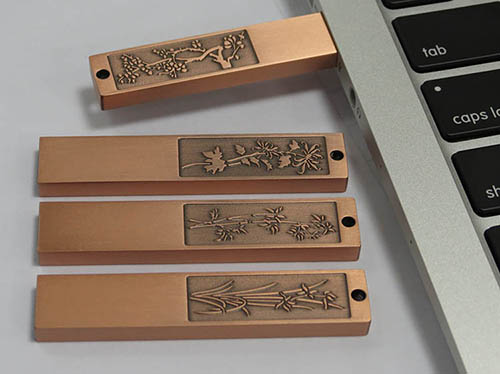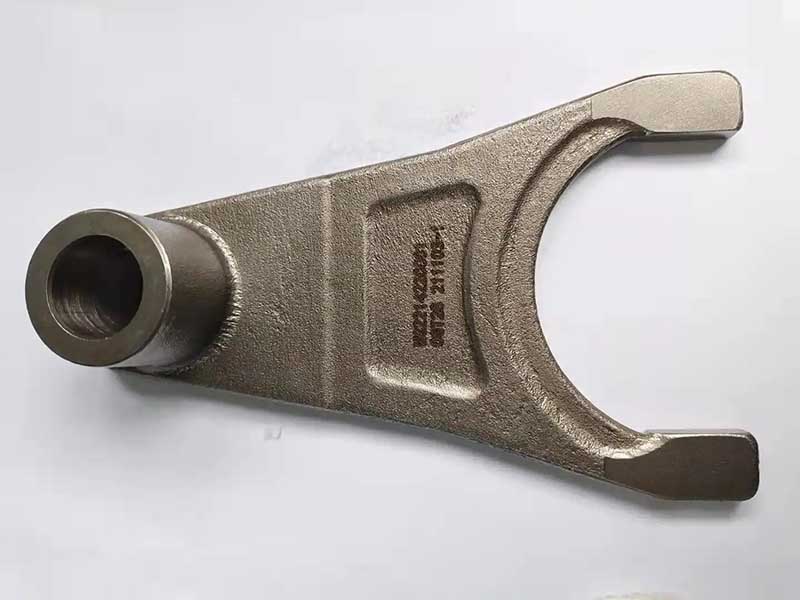
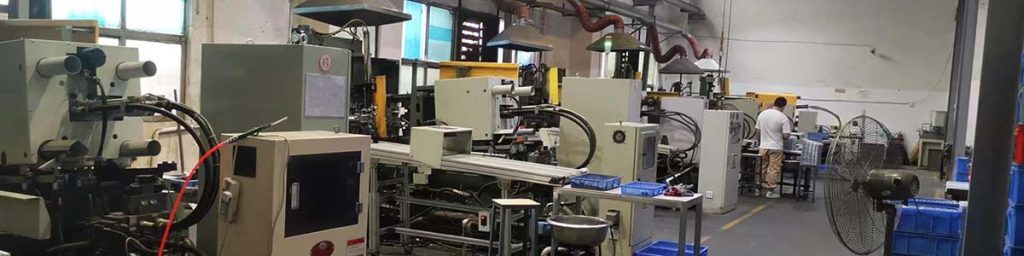
Zinc die casting electroplating is a process that enhances their lifespan and durability by covering a thin metal coating layer on their surface. It can prevent corrosion and rust on the surface of zinc die casting component from acid and oxidation. This makes these component strong corrosion resistance and more durable, bring more benefits to our life and work. The article will tell you that zinc die casting electroplating complete process and benefits.
What Is Zinc Die Casting Electroplating ?
Bare zinc die casting components are susceptible to surface corrosion, oxidation, and discoloration after prolonged exposure to moisture, chemicals, and outdoor environments. These issues can reduce the component’s service life, durability, and visual appearance. Electroplating is a widely used surface finishing process that deposits a thin layer of metals, such as copper, nickel, or chromium, onto the surface of zinc die cast parts. This protective coating significantly improves corrosion resistance, wear resistance, surface hardness, and decorative appearance, while extending the service life of the component for demanding industrial and consumer applications.
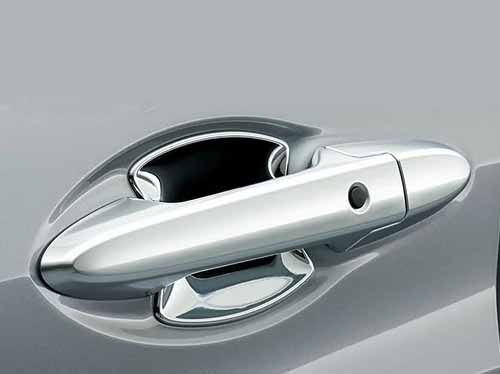
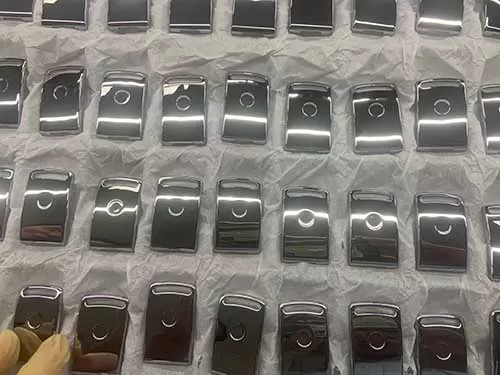
The most common electroplating finishes for zinc die castings are chrome plating and nickel plating. Chrome plating produces a bright, mirror-like finish with a slight bluish tint, giving components a premium appearance. The thin chromium coating offers excellent surface hardness, wear resistance, and scratch resistance while enhancing corrosion protection and long-term durability. As a result, chrome-plated zinc die castings are widely used for decorative automotive, sanitary, and consumer hardware applications.
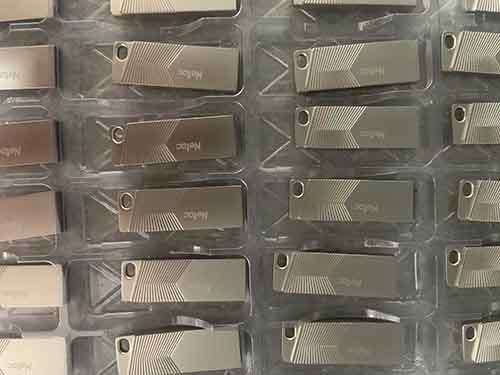
Nickel plating provides a smooth, bright silver-white finish that enhances both the appearance and corrosion resistance of zinc die cast components. Compared with chrome plating, nickel coatings are slightly softer but offer excellent adhesion, good ductility, and reliable corrosion protection. Nickel plating is often used as a decorative finish or as an undercoat before chrome plating, making it suitable for electronics, communication equipment, furniture hardware, and industrial components.
Why Zinc Die Cast Parts Need Electroplating ?
Zinc die cast parts have good natural corrosion resistance, their surface still oxidize, wear and lose its apperance over time. However electroplating process is coating thin metal firm on the surface of them, with no impact to its tight-tolerance dimension due to the plating layer thickness is around 1um. Like chrome, nickel, copper and tin. There rare metal may enhance hardness of their surface and improvement of apperance or special functionality.
Increasing Corrosion Resistance, Extend Components Life Span
Zinc die castings electroplating creates a protective barrier that shields the zinc component. It can prevent corrosion from environmental factors,such as moisture, oxygen, and industrial chemicals. Particularly zinc die casting components in automotive, marine, and outdoor equipment where exposure to harsh environments frequently, And extending the components life span.
Improved Surface Hardness
Coatings like nickel or chrome adds hardness to the component surface. This makes the components wear resistance and more durable in high-stress and frequent wear and tear applications. These electroplated zinc die casting components can withstand repeative impact and keep its original shapes. The enhancement of hardness on the surface of component can be used for automotive and communication industries and fight frequent wear and corrosion against collision and harsh environments,
Enhanced Aesthetic Appeal
Electroplating provides a smooth and fine surface with various finishes (e.g., shiny, matte, or colored). These aesthetic appeal appearance components are used widely in consumer electronics, automotive interiors, and decorative components. Particularly zinc die casting components electroplated have a glossy, colored and matte final surface, present aesthetic appeal appearance.
Better Electrical Conductivity
Electroplated components used in communication and electronics. By electroplating with metal material like gold, silver, or copper enhances conductivity and ensures optimal performance and applications of zinc die casting components. Especially electric connector, which provide better electrical conductivity.
Common Electroplating Finishes for Zinc Die Cast Parts
| Plating | Purpose | Thickness | Application |
|---|---|---|---|
| Nickel | Corrosion resistance | 5-20 μm | Automotive |
| Chrome | Decorative | 0.2-1 μm | Door handles |
| Copper | Conductivity | 5-15 μm | Electronics |
| Tin | Solderability | 3-10 μm | Electrical connectors |
| Silver | Conductivity | 5-15 μm | RF components |
| Gold | Premium conductivity | 0.5-5 μm | Aerospace |
On the whole, electroplating transforms zinc die cast parts from precision cast components into high-performance products with improved corrosion resistance, wear resistance, electrical performance, and appearance. By selecting the appropriate plating material and coating thickness, manufacturers can optimize zinc die cast components for applications in the automotive, electronics, telecommunications, consumer goods, and industrial equipment sectors.
Why Zinc Die Castings Are Easier to Plate ?
Zin die castings are widely regarded as one of the easiest metal components to electroplate. After polishing and surface cleaning, zinc die casting components exhibit a smooth, dense, and uniform surface with minimal defects. The removal of grease, oxides, and contaminants exposes a clean zinc substrate that readily accepts a zinc strike or copper strike layer. This excellent surface condition promotes strong coating adhesion, uniform plating thickness, and a bright, defect-free finish, making zinc die castings easier to electroplate than many other casting materials.
- Excellent Surface Finish: Zin alloy die casting works at lower melting temperature, uses hot chambe die casting machine and precise tooling steel die to produce high precision cast parts under proper pressure. It will produce stable dimensional cast parts with excellent surface finish repeatedly. Especially Common Zamak 3 and Zamak 5, always create precision zinc alloy die casting components for automotive, electronic, medical and industrial equipment.
- Superior Coating Adhesion: Zinc is regarded as one of stricking adhesion substance for electroplating. After zinc alloy die castings are polished, white zinc accepts electroplating easily.
- Low Porosity with Optimized Die Casting: Modern hot chamber die casting processes produce dense zinc castings with low porosity when tooling and process parameters are properly controlled. A dense substrate helps achieve a more uniform electroplated coating and reduces the risk of pinholes, blistering, and poor adhesion.
- Excellent Compatibility with Multiple Plating Finishes: Zinc die castings are compatible with a wide range of electroplating processes, including: Nickel plating, Chrome plating, Copper plating, Tin plating, Silver plating, Gold plating and Black nickel plating.
Zinc die castings is one of the most plating-friendly materials in the die casting industry. These advantages enable manufacturers to produce durable, corrosion-resistant, and aesthetically appealing components for automotive, electronics, consumer products, telecommunications, and industrial applications with high efficiency and consistent quality.
Zinc Die Casting Electroplating Process Guide
To ensure the electroplating process produces high-quality, durable zinc die casting components, manufacturers should implement strict process controls and quality management throughout every stage of production. Proper surface preparation, plating parameter control, and post-treatment inspection are essential for achieving excellent coating adhesion, corrosion resistance, surface appearance, and long-term performance.
Following proven electroplating best practices not only improves the quality and consistency of zinc die cast components but also reduces plating defects such as blistering, peeling, pitting, and poor adhesion. The following guidelines outline the key process controls and quality requirements for successful electroplating of zinc die casting components.
Surface Preparation
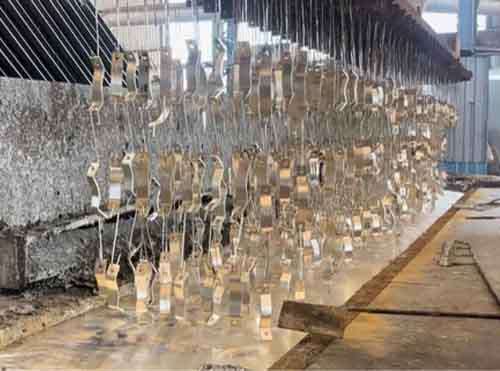
Proper cleaning and preparation of the zinc die casting component to achieve a strong bond between the base metal and the plating layer. This includes degreasing, acid cleaning, and surface activation. This is the base of creating high quality electroplating layer. To create a good adhesive layer to bond with the plating coating layer, vertasility surface roughness requires follow the follow parameter for zinc die casting parts.
| Electroplating Process | Recommended Surface Roughness (Ra) | Typical Surface Finish |
|---|---|---|
| Copper Plating | 0.8–1.6 μm | Smooth, conductive base layer |
| Nickel Plating | 0.4–0.8 μm | Bright decorative or semi-bright finish |
| Chrome Plating | 0.2–0.4 μm | Mirror-like decorative finish |
| Tin Plating | 0.8–1.6 μm | Functional, solderable finish |
| Silver Plating | 0.2–0.8 μm | High-conductivity finish |
| Gold Plating | 0.1–0.4 μm | Premium decorative and electrical finish |
Plating Material Selection
The choice of electroplating material (e.g., nickel, chrome, or gold) should match with the component’s intended application and desired properties.
- Nickel Plating: Extend these zinc die casting components life span and enhance thier durability.
- Chrome Plating : Decorate these zinc die casting components and make them aethetics appeal and a good appearance, and enhance their wear resistance and corrosion resistance and extend their life span.
- rare metal Plating(like silver, gold and copper): To meet the specific requirements of functions and applications of zinc die casting components, mostly used for electric connector, which create a good electric conductivity for these components.
Controlled Plating Thickness
Consistent and appropriate coating thickness ensures optimal protection. With no compromising dimensional accuracy or not any additional cost. We can use non-destructive testing (NDT) methods like X-ray fluorescence (XRF) to measure coating thickness and verify uniformity. Execute adhesion tests with typical adhesive tape to ensure the durability of the electroplated layer under mechanical stress.
Post-Plating Process
Implement post-treatment processes such as polishing, passivation, or additional coatings to enhance properties like corrosion resistance or aesthetic finish. To reinforce electroplating layer practise and avoid varnish and peeling, These zinc die casting components may be done post-plating process if the functions and applications of them isn’t compromised.
Quality Inspection and Coating Thickness Testing
Quality inspection is the final and one of the most critical stages of the zinc die casting electroplating process. To ensure each shipped parts are conformed with customer quality requirements and strictly follow standard quality management system. Comprehensive inspection and testing should be done.
Visual Inspection
Each electroplated zinc die casting component should be visually inspected under adequate lighting to verify the surface quality. Inspectors check for common defects such as blistering, peeling, pitting, pinholes, discoloration, burns, scratches, stains, and uneven plating.
Coating Thickness Measurement
use non-destructive coating thickness gauges or X-ray fluorescence (XRF) instruments to measure the thickness of nickel, chrome, copper, tin, silver, or gold coatings. Multiple measurements should be taken at representative locations to ensure uniform coating distribution across the entire component.
Adhesion Testing
manufacturers may perform tape tests, bend tests, thermal shock tests, or other adhesion evaluations to confirm coating integrity. A properly bonded coating should not peel, blister, or crack during testing.
Corrosion Resistance Testing
Salt spray testing is commonly used to evaluate the corrosion resistance of electroplated zinc die cast components. Testing is typically performed according to ASTM B117 or ISO 9227 standards.
Dimensional Inspection
Critical dimensions, threaded features, and mating surfaces should be measured after plating to ensure they remain within specified tolerances and assembly requirements.
Documentation and Traceability
coating thickness measurements, adhesion test results, corrosion test data, dimensional inspection records, and visual inspection findings. Maintaining full production traceability enables manufacturers to monitor process consistency, satisfy customer quality requirements, and comply with industry quality management systems such as ISO 9001 and IATF 16949.
Packaging and Storage
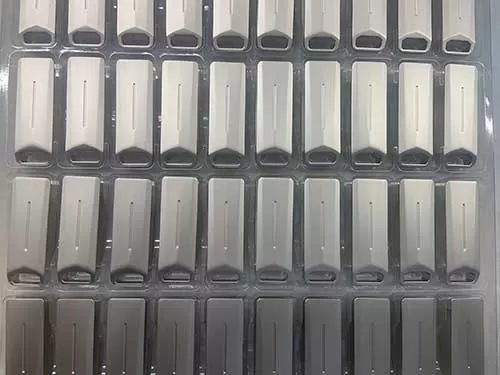
Proper packaging and storage are essential for preserving the quality and appearance of electroplated zinc die casting components after production. Electroplated zinc die casting components require careful packaging to prevent scratches, dents, and surface damage during long-distance transportation. Since decorative coatings such as nickel and chrome plating are susceptible to abrasion from metal-to-metal contact, each component should be adequately separated and protected. Plastic blister trays, thermoformed plastic trays, or shrink-wrapped plastic panels are commonly used to secure individual parts and prevent them from impacting one another during handling and shipment. This packaging method helps preserve the appearance and integrity of the electroplated surface, ensuring that the components arrive at the customer’s facility in excellent condition.
To ensure these electroplated zinc die casting components dry and clean in storage. Engineers tell our worker put desiccant into each blaster tray or shrink-wrapped plastic panel. This enable keeping them good status in warehouse, prevent their surface corrosion from long-term rain days in South China.
Careful handling throughout logistics helps preserve the quality of electroplated components. Packaging should provide adequate protection against vibration, impact, and compression during loading, shipping, and unloading. Clear handling labels such as “Fragile,” “Handle with Care,” or “Keep Dry” can further reduce the risk of damage.
Proper packaging and storage are the final steps in delivering high-quality electroplated zinc die casting components. By protecting parts from moisture, contamination, abrasion, and mechanical damage, manufacturers can preserve coating integrity, maintain product appearance, and ensure that components arrive at the customer in excellent condition, ready for assembly or end use.

Die Casting Project Quote
Professional IATF 16949 die casting factory, send your CAD files to us and gain fast quotation.
Zinc Die Casting Electroplating Application
Electroplated zinc die casting components are widely used across industries where combining with high precision, decorative appearance, corrosion resistance, and durability. The electroplating process enhances both functional performance and surface aesthetics, making zinc alloy parts suitable for a broad range of industrial applications.
Automotive Industry
Electroplated zinc die castings are commonly used for both interior and exterior components. Chrome and nickel plating provide a premium appearance and long-term corrosion protection. It is well favor of Door handles, interior trims, Emblems and decorative badges, Seat adjustment components, Control knobs and switches, Mirror housings and brackets.
Consumer Electronics
The zinc cast components for consumer electronics allow chrome-plating or nickel-plating and make them a beautiful look and longer life time. Functional metal components play their electricity conduction and thermal disippation roles. The plating finish is suitable for Smartphone frames, and decorative housings, Laptop and device structural components, Camera housings and accessories, Audio equipment knobs and panels and Smart home device enclosures.
Communication and 5G Equipment
Electroplated zinc die castings are important in communication systems due to their combination of EMI shielding performance and corrosion protection. So zinc die casting electroplating serves these urltra-precision and high-precision electric components ,like EMI/RF shielding housings, Base station components, Connector housings and Signal transmission device enclosures.
Industrial and Mechanical Components
Special zinc alloy is cast into bear-loading, highly strength and dimensional stabile precision components used for some heavy-duty industrial equipment. Zinc die casting electroplating is applied for them at same time. Such as Machine control knobs, Instrument housings, Small mechanical connectors, Protective covers and housings.
Zinc die casting electroplating enables manufacturers to produce components that combine precision engineering, corrosion resistance, and high-end appearance. This makes it an ideal solution for industries ranging from automotive and electronics to sanitary hardware and industrial equipment.
Common Defects in Zinc Die Casting Electroplating
Poor surface preparation or improper electroplating operations can lead to surface defects on zinc die casting components, such as corrosion, peeling, spotting, blanking, and blistering. These defects negatively affect the appearance, corrosion resistance, and overall reliability of the plated parts if the process is not properly controlled.
Surface Corrosion
Surface corrosion is one of the most common issues observed in zinc die casting components when electroplating quality or surface protection is insufficient. It typically appears as discoloration, dull spots, oxidation marks, or localized rust-like degradation on the plated surface.
Solution: Carefully surface preparation(grinding, polishing, cleaning ) and multi -layer stricking platings.
Peeling On The Surface
It usually occurs because of poor adhesion between the zinc substrate and the electroplated layers. Surface peeling not only degrades the component’s appearance but also exposes the underlying zinc alloy to moisture and corrosive environments, significantly reducing corrosion resistance, durability, and service life.
Solution: Implement strict quality control throughout the electroplating process: Thoroughly clean and degrease zinc die castings before plating. Minimize casting porosity by optimizing die casting parameters and mold design.Apply a high-quality copper strike to improve adhesion between the zinc substrate and subsequent plating layers.
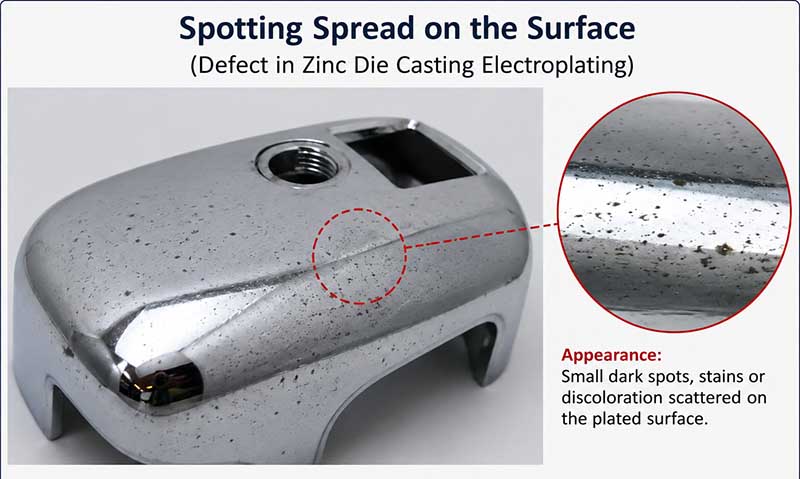
Spotting Spread on The Surface
Characterized by small dark spots, stains, discoloration, or irregular marks on the plated surface. These defects reduce the decorative appearance of the component and may indicate problems with the electroplating process or surface preparation. In severe cases, spotting can also affect corrosion resistance and coating quality.
Solution: Use high-purity plating chemicals and regularly filter the plating bath.Rinse parts thoroughly between each processing step. Optimize current density and plating parameters to ensure uniform coating deposition.
Blanking Defect
Blanking defect in zinc die casting electroplating means the coating is missing, thin, or completely uncoated, leaving the base zinc alloy exposed. These “blank” areas usually appear as dull patches or uneven surface zones and significantly reduce both the appearance quality and corrosion resistance of the plated component.
Solution: To eliminate blanking defects in zinc die casting electroplating, manufacturers should focus on: Improve Surface Pretreatment, Optimize Electroplating Process, Reduce porosity through optimized die casting parameters.Avoid long exposure time after activation.
Blistering On the Surface
Appears as raised bubbles, dome-shaped swelling, or small hollow pockets under the plated layer. In severe cases, these blisters may burst, leading to peeling, corrosion, and complete coating failure.
Solution: control both casting quality and plating process:Strengthen alkaline degreasing and ultrasonic cleaning, remove all oil oxide, During plating process, use proper copper strike to enhance adhesion.
Excessive Process Cost
higher-than-expected manufacturing expenses caused by inefficient process control, low yield rate, rework, or high material and energy consumption. These cost increases directly reduce profitability and competitiveness, especially in high-volume production.
Solution: Strengthen standard quality management regulations, reduce rework, high material and energy consumption, optimize plating process, seek for the best cost balanced production method.
Zinc die casting electroplating requires cost-efficiency process, achieve real functional, aestheris appeal and durablity. To avoid these common defects, our engineers must strengthen quality control and reduce material and energy excess consumption, and produce high performance znc die casting electroplated through our advanced die casting techique and enrich plating experience.
Conclusion
Zinc die castings electroplating brings more benefits and advantages for various industrial applications, especially automotive, communication and consumer electronics. The unique metal zinc alloy provide a bond layer for coating other metal coating material. So zinc die castings plating experience a more simple process and finish plating final process.
Common FQA
Why do zinc die castings need electroplating?
To improve corrosion resistance, surface durability, and decorative appearance.
Can zinc alloy be chrome plated?
Yes, but usually with a nickel underlayer for proper adhesion and protection.
What plating gives the best corrosion resistance?
Multi-layer nickel plating systems (copper + nickel) provide the best corrosion resistance.
What is the difference between nickel and chrome plating?
Nickel provides corrosion protection; chrome provides harder, brighter decorative finish.
What plating thickness is recommended?
Typically 10–25 μm for nickel layers and 0.2–0.8 μm for chrome.
Does electroplating improve wear resistance?
Yes, especially chrome plating, which significantly increases surface hardness and wear resistance.