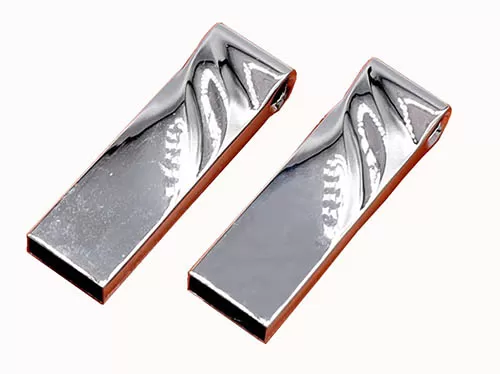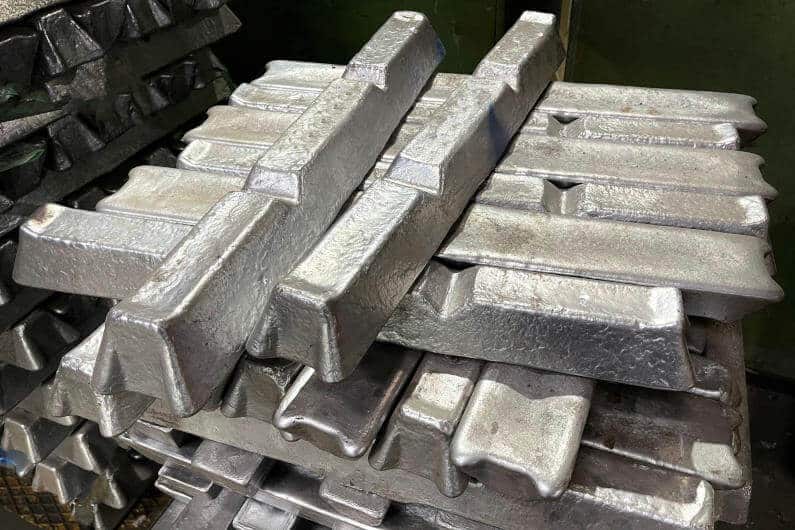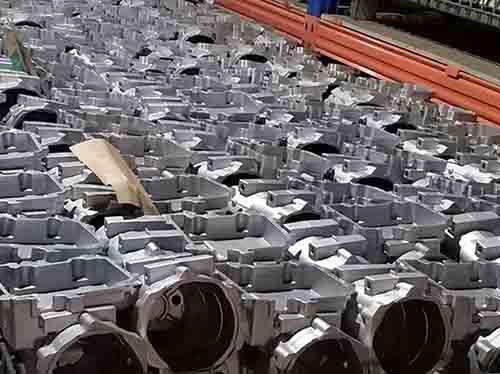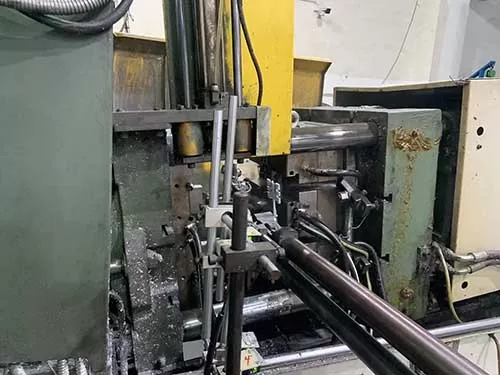
Zinc die casting engineering service includes of review of 3d file, 3d model of product design and DFM analysis, zinc alloy material selection, mold flow simulation, precision mold & die design and manufacturing, FAI strategy and mass production engineering support.
Ts die casting technology often recieves these cases like automotive zinc die casting and high precision zinc die casting components for comunication equipment. These OEM projects require some personalized and tailored design for the specific application. They require our engineering team to collaborate with them, assist to finish these special projects.
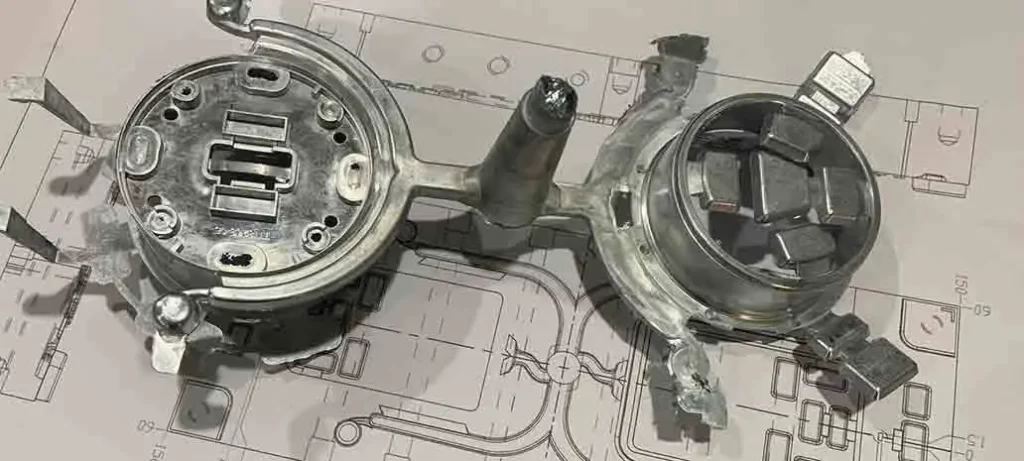
Custom Zinc Die Casting Parts Manufacturing For OEM Customers
Custom zinc die casting parts manufacturing belongs to tailored specific process project, where customer require supplying custom drawing to zinc die casting supplier, then supplier review the custom file and address DFM analysis, Mold flow simulation and design high performance mold drawing, and delicately manufacture the high precision mold, implement prototype vertification, after approval of mass production, arrange cost-efficiency, fast casting cycle and high-effective mass production and versatility secondary finishing operations.
Popular Zinc Alloys For OEM Zinc Die Casting Projects
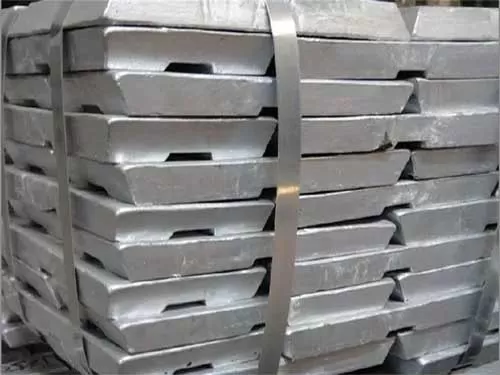
Zinc alloy selection is a critical part of zinc die casting engineering support. Different zinc alloys provide different combinations of strength, hardness, wear resistance, dimensional stability, surface finishing performance, and casting characteristics. Selecting the right alloy helps OEM customers achieve reliable part performance, consistent casting quality, and cost-effective high-volume production.
| Zinc Alloy Model | Feature | Typical Application | Process Type |
|---|---|---|---|
| Zamak 3 | Best all-rounder | General die casting | Hot Chambe die casting |
| Zamak 5 | Higher strength | Automotive / industrial | Hot Chambe die casting |
| ZA-8 | Balanced engineering alloy | Precision strong parts | Hot & Cold Die Casting |
| ZA-12 | Strong + wear resistant | Gears / machinery | Cold chamber die casting |
| ZA-27 | Higher Aluminum element content, Maximum strength | Heavy-duty parts | Cold chamber die casting |
Complete Zinc Die Casting Project Support From Design To Production
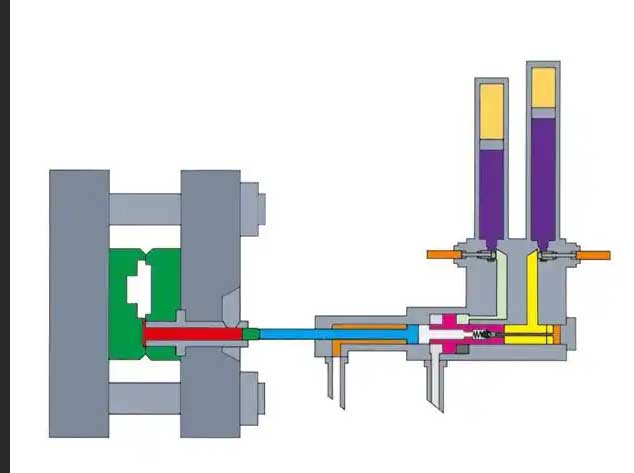
From Mold and die design and manufacturing to high-efficiency production at high volume, Ts die casting technology offers complete zinc die casting engineering service. Follows the lower cost zinc die casting design guide, use hot chamber zinc die casting process to meet high quality consistent die casting parts high volume production.
A High Precision Casting Die Design And Manufacturing
High precision casting die design and manufacturing is the foundation of producing dimensionally accurate, intricate geometries and very smooth surface finish cast parts for industries such as automotive, electronics, telecommunications, aerospace, medical devices, and industrial equipment. In modern manufacturing, the performance of a casting die directly determines the casting quality, production efficiency, product consistency, and overall manufacturing cost.
Design Phase #
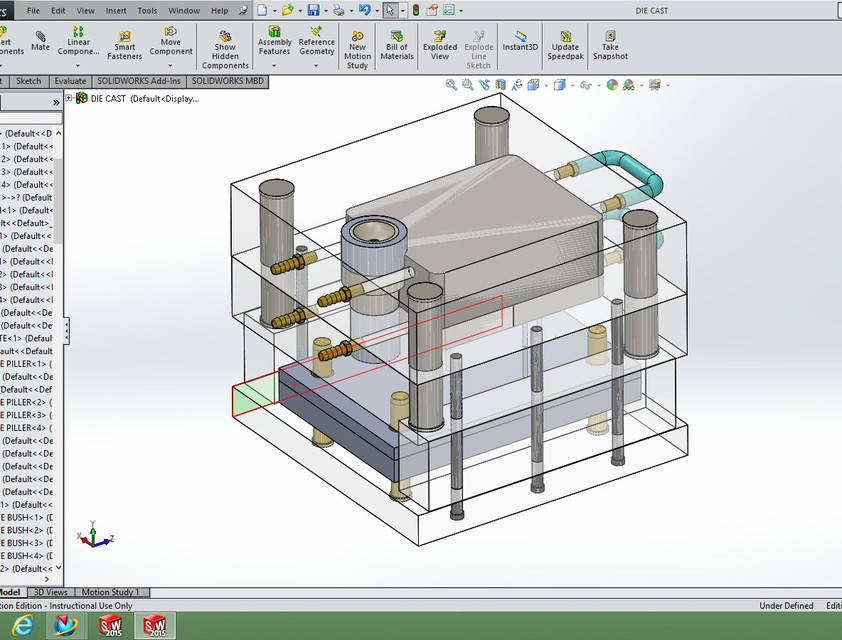
Well-experienced engineers can design custom casting die with cutting-edges 3d modeling software, like solidwork, ug, ux and CAD. They begin have a DFM analysis accessment before proceeding the project. Through some mold flow simulation testing tools which we often use MAGMAsoft and FLOW-3D CAST, predict some errors in die casting process in advance and have a troubleshooting for problems ahead. Of course, considering of some of the blew factors that impact casting die design.
- Die Material Selection: Choose the right tooling steel, like H13 or 8407 steel, and have a supperior surface finishing treatment, maybe quenching if necessary.
- Die Component Design: Core, Cavity, Gate and vent channel, molten metal flow channel, cooling system and ejector mechanism.
- Part Design Factors: Draft angles, Wall thickness, Shrankage allowance, Ejector pins and two halves of mold alignment.
- Mold Flow Simulation Testing: FLOW-3D CAST is the best testing for zinc die casting, The further optimization of the intial cast die mechanism.
- Thermal balance analysis: Steady temperature ensure full molten zinc in the pool, adjusting uniformly cooling temperature on the surface of the cast part, avoid cold shut and crack defects.
Manufacturing Phase #
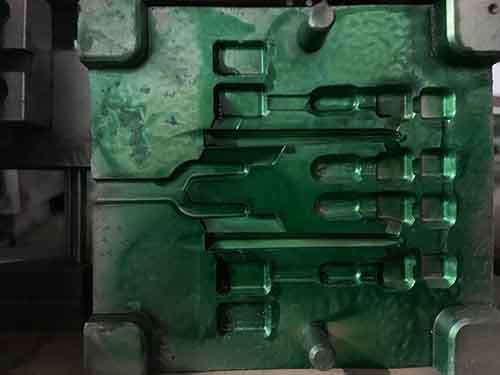
After finishing the design of the precision custom cast die, engineer transfers the design files into 2d drawing documents, and hand these documents to mold technician for perfect manufacturing. Mold technician will process high hardness steel block into high precision casting die, Mold technician enables different mode of varying precision rely on the cast part dimensional accuray.
| process | tolerance | Application |
|---|---|---|
| Standard zinc casting die | ±0.1 mm | General Decorative products, |
| Precision Zinc Die Casting Die | ±0.02–0.05 mm | Electrical connectors, EMI Shielding housings |
| Ultra-precision Zinc casting die | ±0.005–0.01 mm | assemblies and sensor housings in automotive industry |
First Article Inspection #
At the zinc die casting factory, engineers require proving that first article inspection is true with mold performance verification.
Small Set of Trial Cast
Our mold technician have a trial testing for its performance, they mount the die on the computer numerical control die casting machine, and set up the cast prameters and begin having a small set of trial cast, and observe and adjust times until casting the qualified prototypes. Record the operation parameters and travel. And maintain the high performance of the die steadily.
| Paramer | Record |
|---|---|
| Alloy selection | Selection Among Zamak 3, Zamak 5 and ZA-8 |
| Die Temperature | Typically maintained at 300-400°F (150-200°C) |
| Cycle Time | Faster than aluminum due to lower melting point |
| Die life Expectancy | 500,000-1,000,000 shots with proper maintenance |
| Secondary process | Post-process operatons: sand blastering,belt sanding,polishing and cnc machinig |
| Finishing treatment | plating, electrophoresis, painting and powder-coating |
Inspection & Measurement For First Prototype
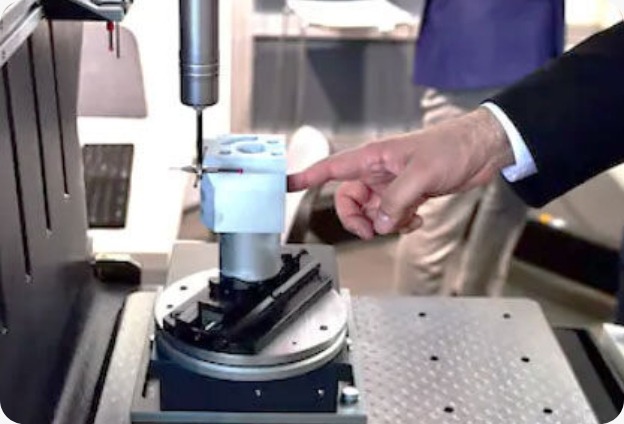
Confirming that the metal material is correct rely on the testing report of various inspection instrument and general look. Then the dimensional accuracy tesing, with CMM inspection instrument to measure dimension of First Article Samples, at last implementing a fit assemblies with other relevant component, define that first article samples fit the detailed requirements of the client completely, then notice client and deliver the prototype to client for a true approval.
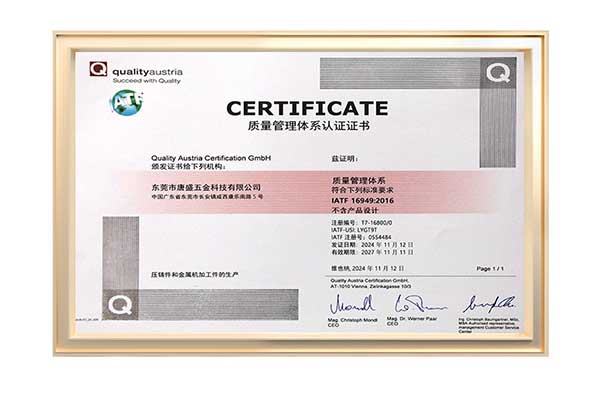
Typical Zinc Die Casting FAI Documentation Package
We record the zinc alloy formulation, precision die casting parameters, first article sample dimensions, and detailed inspection reports. All production and quality data are documented and compiled into a comprehensive First Article Inspection Report for customer review.
This systematic documentation process demonstrates our professional capabilities in zinc die casting design, mold development, and tooling modification. By providing complete traceability and verified dimensional results, we help customers evaluate product feasibility, validate design requirements, and gain confidence in our ability to deliver consistent, high-quality zinc die cast components for mass production.
High-Efficieny Zinc Die Casting Production At High-Volume
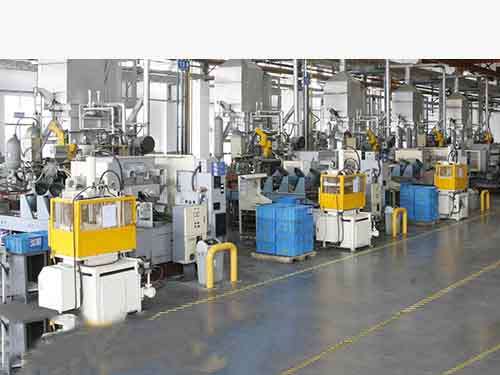
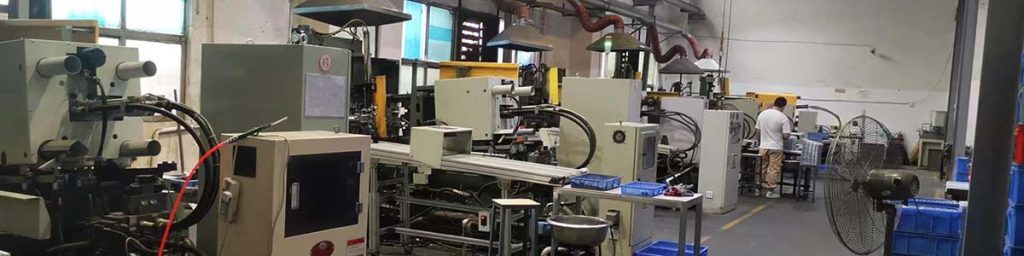
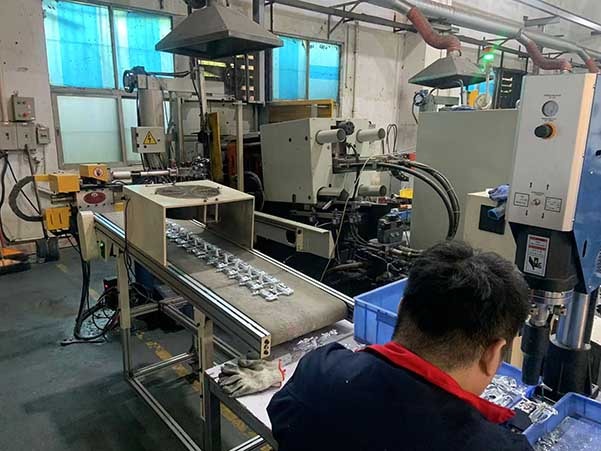
Precision zinc die casting mass production is implemented by numberical control machine, automation production line and robotic hands operation, The correct operation procedures and automated conveying systems ensure high-efficiency production of high-precision zinc die casting parts with consistent quality and stable output.
Numberical Control System Operation
At lower temperature, zinc die casting can create precision as-cast part with tigh-tolerance dimension and high strength in short time. The process is controlled by digital technique, which controls the cast cycle time delicately. It includes the molten metal filling time, the cavity of the die temperature, cooling time and opening mold time. The die casting machines can work within the set time repetitively and finish high effective mass production at high volume.
Automation Production Line
Automated robotic handling and conveyor systems transport as-cast components directly from the die casting machine through deburring, quality inspection, and packaging processes without interruption. This streamlined production flow enhances workplace safety, eliminates manual handling of hot castings, reduces human error and rework, and significantly improves manufacturing efficiency and delivery performance.
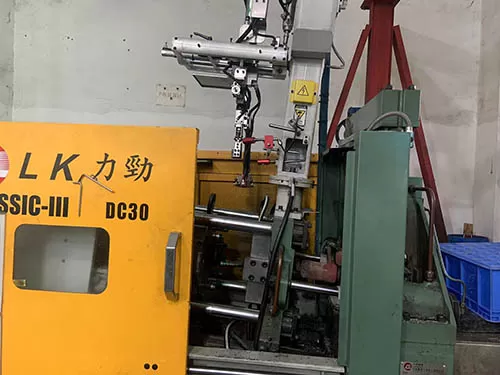
Robotic Hands
Automated robotic arms are controlled by advanced computer numerical control (CNC) and intelligent automation systems, enabling them to accurately and consistently remove cast parts from the die immediately after each casting cycle. Compared with traditional manual operations, robotic handling significantly improves positioning accuracy, production stability, and workplace safety.
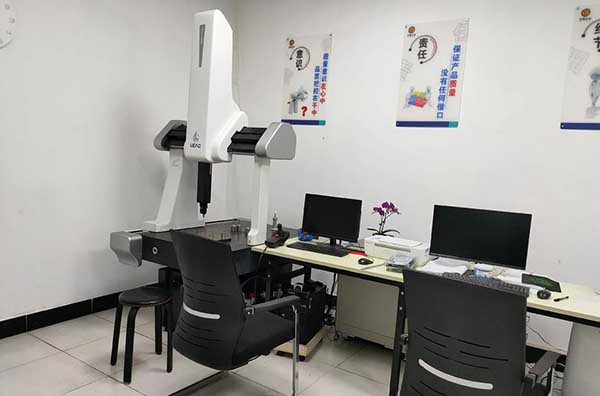
Spectrum Inspection Instrument
Some custom zinc die casting parts demand ultra-precision dimensional tolerances of up to ±0.05 mm and high surface roughness level. To ensure dimensional accuracy and reliable assembly performance, At Ts die casting technology, use Coordinate Measuring Machines (CMMs) for comprehensive quality inspection. CMM measurement verifies critical dimensions, geometric tolerances, and part consistency, helping deliver high-precision zinc die cast components that meet stringent customer specifications.
Perfect Secondary Operations
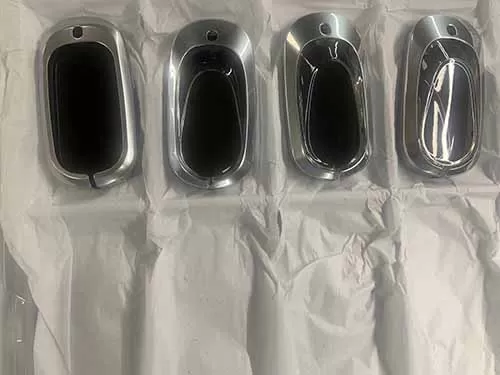
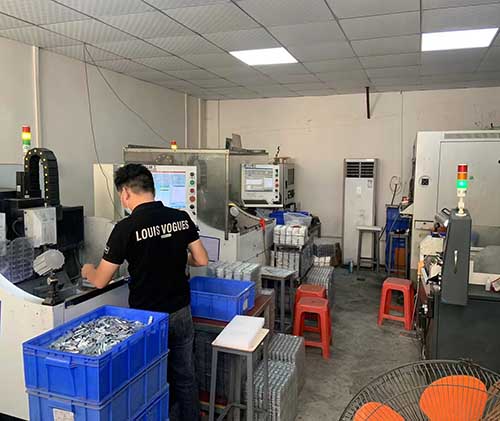
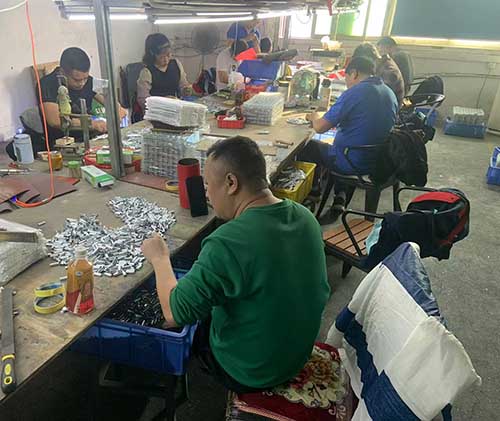
As zinc die casting parts require various post-processing operations to treat their surface issues, die casting company generally employs some post-processing equipment and deburring machines. Like surface roughness requirement of the cast parts, when chrome-plating is needed, their surface roughness is up to the range from 0.1-0.8um, while power-coating and painting, the demand is the range from 1.6-3.2um. Various sand blasterings, abrasive processings, polishings may be used. Zinc die casting parts need more wear resistance, high corrosion resistance and moisture proof, They should be treated with using the effective approaches, such as chrome-plating, nickel-plating, electrophoresis, powder-coating and painting.
Safety Package And High-Effective Storage
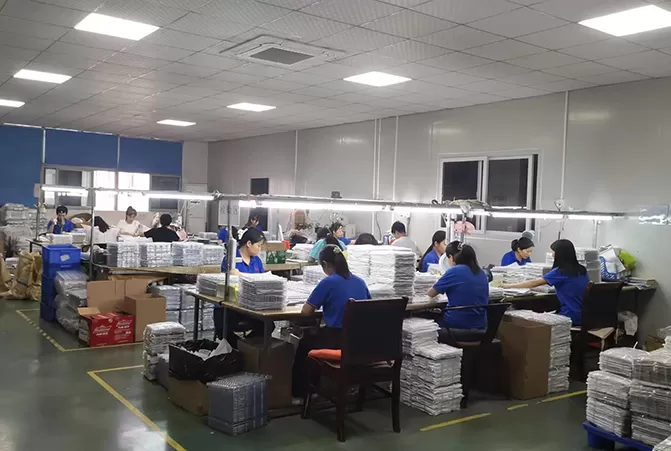
These finished zinc die casting goods require preventing scratching and damaging the surface each other and moisture at rain weather environments, safety package is necessary. people often select eco-friendly plastic blister trays and wrapping the soft paper around the finished cast part. Additionally, desiccant may be taken with these zinc alloy die casting components together. At last, with exported standard paper cartons or wood crates and store them in dry place.
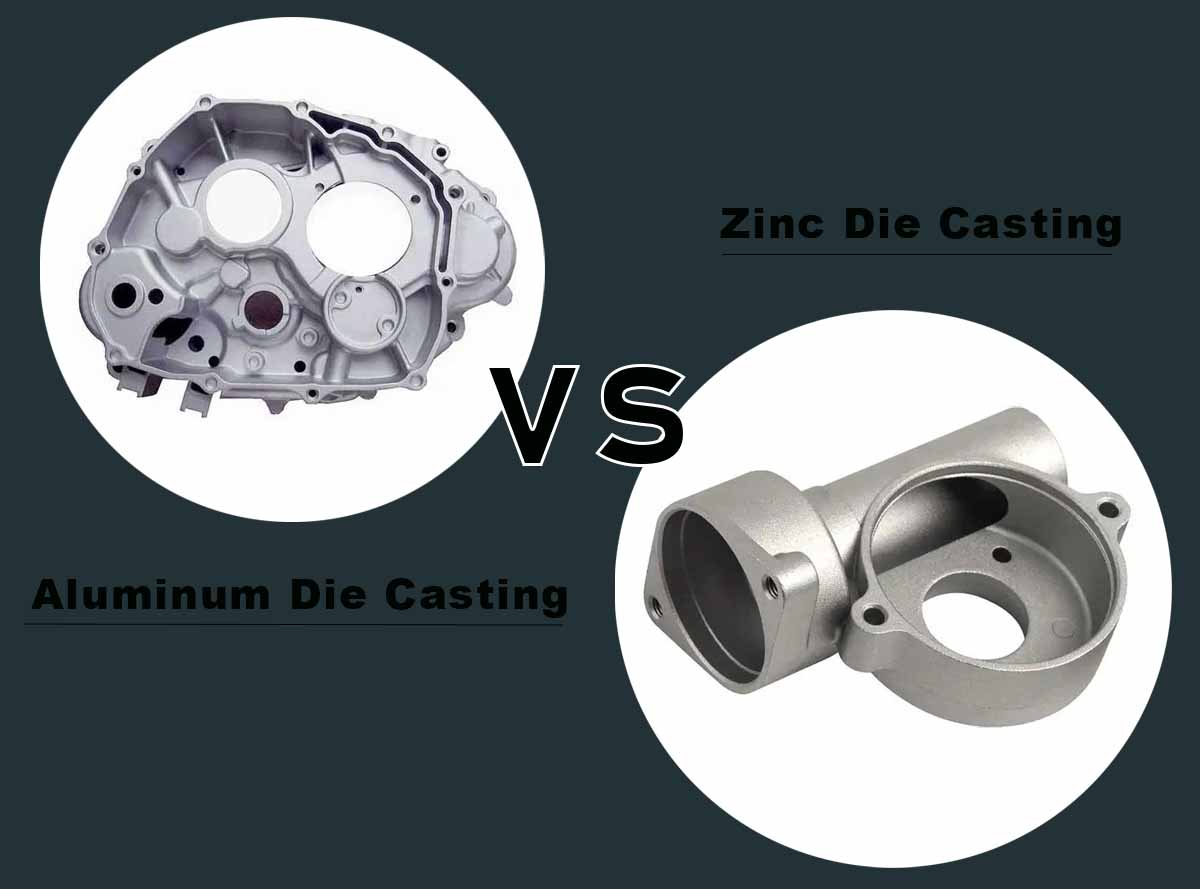
Zinc vs Aluminum Die Casting Cost For OEM Projects
People recognized that zinc die casting cost is lower than aluminum one due to zinc die casting lower mass production cost, minimal secondary operations cost and longer tool life. Although on marketing raw material cost of zinc alloy is always higher a bit than aluminum one, however lower mass production cost and minimal secondary operations cost can narrow the investment cost gap quickly, and blance, at last achieve negative gap. In total cost, the cost zinc die casting part is still much lower than aluminum one.
Material Cost
On marketing, zinc alloy price is higher a bit than aluminum alloy, The cost of raw material purchasing is significantly higher.
| Material | Typical Price (USD/kg) |
|---|---|
| Zamak 3 | $3.2–4.0 |
| Zamak 5 | $3.5–4.5 |
| ADC12 Aluminum | $2.4–3.2 |
| A380 Aluminum | $2.6–3.5 |
Mass Production Cost
The mass production includes melting metal alloy, injection molten metal and form the cast parts, rough cast part secondary operations. In different process stages, cost expension is different for different castable metal alloy material.
Zinc Alloy Die Casting Mass Production Cost
- Energy Consumption Cost : Zinc alloy Melting Temperatue : 420°C, needs lower heat energy consumption.
- Injection Cost : Direct Injection Through Gooseneck mechanism. Short Cycle Time, Low tooling wear at low temperature, Superior surface finish. Lower tooling maintenance and repair cost.
- Secondary Operations Cost : Excellent rough surface requires minimal post-process operations, saving much process cost. And easily accept finishing treatments, like anodizing, chrome-plating, nickel-plating, electrophoresis and painting and powder-coating. The cost for it, Zinc is lower by 10–30%
Aluminum Alloy Die Casting Mass Productoin Cost
- Energy Consumption Cost : Higher Melting Temperature: 660°C, exhause large volume heat energy consumption. Extra 25–40% heat energy consumption.
- Injection Cost : Ladling molten metal into slot, extra machine operation cost, long cycle time, Higher tooling wear at high temperature, rough and porosity surface finish, higher tooling maintenance and repair cost
- Secondary Operations Cost : These loose rough aluminum die casting parts must accept cnc machining, like milling, turning and impregnation, sealing pinholes and porosity on the surface of cast parts. So versatility post-process operatons are allowed, increase much process cost. For anuminum die casting , anodizing is best finishing treatments, other treatments cost are very high.
Let us a good example comparison from the costs between zinc and aluminum die casting, Unit weight : 150g , production quantity : 500,000 pcs.
| Item | Zin alloy die casting | Aluminum Alloy Die Casting |
|---|---|---|
| Casting Operation Cost | $0.05 | $0.07 |
| Die amortization | $0.008 | $0.006 |
| Trimming | $0.002 | $0.001 |
| Machining | $0.006 | $0.01 |
| Inspection | $0.005 | $0.007 |
Tooling Life
Tooling is one of the largest investments. The same steel die casting is applied in different temperature environemts, show different tooling life.
| Factor | Zinc | Aluminum |
|---|---|---|
| Mold Steel Wear | Low | High |
| Thermal Fatigue | Low | High |
| Die Maintenance | Low | High |
| Tool Life | 1–3 million shots | 100,000–300,000 shots |
Although the zinc alloy itself costs more, the total manufacturing cost is approximately 25% lower in this example due to production efficiencies.
Zinc Die Casting Engineering Service Case Studies

Zinc Die Casting Camera Housing
Zinc die casting camera housing is durable and lower cost. With it to replace aluminum camera housing will save much expense in Communication and network deployment. Select Zamak 5, highly corrosion resistance, wear-resistance and excellent strength, always has precision dimensional stability and good surface finish.
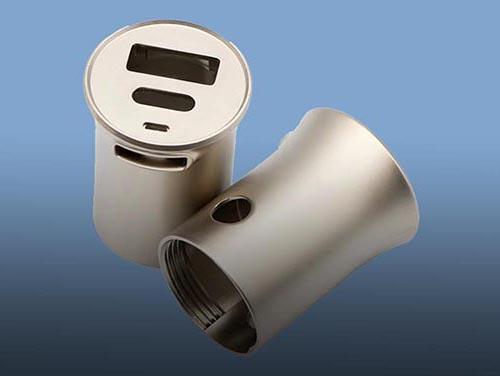
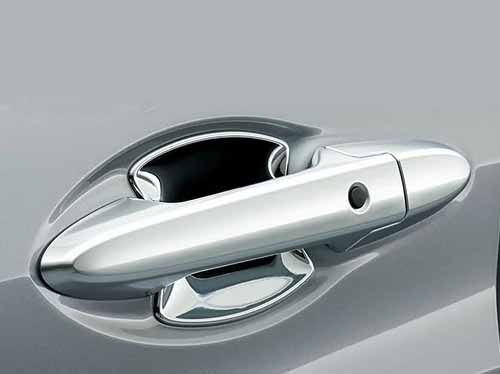
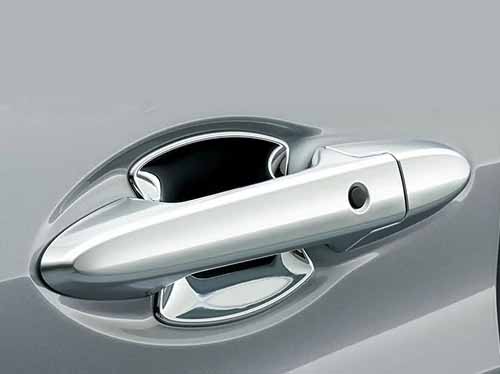
The custom automotive zinc die casting project is classic Zamak alloy die casting mass production, Using Zamak 3 best metal fluidity and ductility, ensure the thin-walled cast part remain close-tight tolerance dimensional stability and high-quality surface finish.
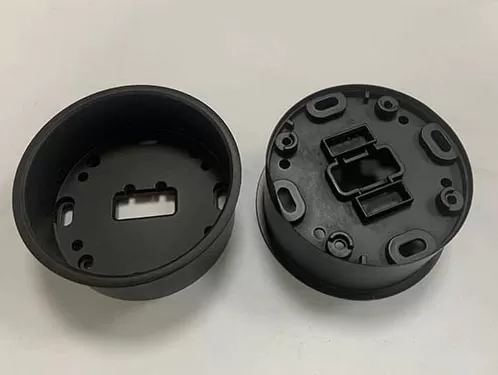
Zinc die casting switch box in construction and decoration industry, which has steady integrated structure,tight tolerance dimension and tailored design appearance. Because the metal switch box is portable and durable. Zamak 3 is selected due to their common application indoor.

Die Casting Project Quote
One-Stop OEM Zinc Die Casting Project Service, Please Contact Us And Gain Latest Quote Here !
Mass Production Process Optimization
The aim of custom zinc die casting project is to saving much more money and provide around services. So reducing the cost of zinc die casting requires optimization throughout the entire manufacturing process, from product design and tooling development to mass production.
Reduction For Tooling Steel Cost
In many projects, die design and mold manufacturing is account for a significant portion of the total production cost, especially during the initial development stage.
To reduce tooling investment, some customers consider refurbishing existing molds or reusing available mold steel blocks to manufacture dies for new products. This approach can be a cost-effective solution for prototype production and small-to-medium volume manufacturing.
However, for high-volume production projects, our engineering expert generally recommends manufacturing a new die. Although the initial tooling investment is higher, a new mold can be designed with optimized gating, cooling channels, venting systems, and cavity layouts to achieve superior casting performance, dimensional consistency, and longer tooling life. Reworked molds may experience accelerated wear and reduced service life due to repeated thermal cycling and continuous exposure to molten zinc alloy temperatures. We can recommend proper aproach to meet your requirements and save much money for the zinc die casting project.
Automation Smart Production Line Introduced
Robotic arms can accurately grasp freshly ejected zinc die casting parts and maintain stable, efficient operation throughout continuous production cycles. An automated conveyor system transfers the hot cast parts from the die casting machine to the workbench while allowing controlled cooling time, reducing the risk of operator burns and minimizing handling errors.
By integrating robotic automation and smart material transfer systems, zinc die casting manufacturers can improve production consistency, reduce labor intensity, enhance workplace safety, and increase mass production efficiency. Automated handling also helps maintain stable cycle times, reduces part damage caused by manual operation, and supports high-volume production with repeatable quality.
Material Scrap Waste Reduced
Material scrap generates mostly defects and excess flash on the surface of cast parts. The precision process should control defective rate and excess flash occurrance rate. ensure the mass production process has consistent high quality cast part output.
Die Thermal Adjustment
Excessively high molten zinc temperatures can increase metal flow turbulence inside the die cavity, leading to casting defects such as gas entrapment, porosity, surface flow marks, and excessive flash and stick the die. Maintaining the proper melt temperature and die temperature is critical for achieving stable cavity filling and dimensional consistency.
Our engineers carefully optimize die casting parameters, including molten metal temperature, injection speed, injection pressure, and cooling time, to support efficient hot chamber die casting production. By controlling these parameters within the optimal process window, we can reduce defects, minimize flash generation, improve casting quality, and achieve shorter cycle times per shot, resulting in lower manufacturing costs and higher production efficiency.
Minimal Secondary Operation
Machining is often one of the largest hidden costs. The secondary process for net-shape castings should be selected correctly, and reduce the secondary process cost.
| Stage | Action | Expected Savings |
|---|---|---|
| Tooling Steel | Old tooling refurbrished | 20–30% |
| Process Control | Reduce defects and scrap | 3-5% |
| Secondary Operations | Reduce machining | 8–10% |
| Material Scrap Waste | Reduce excess flash and defects | 2–3% |
Zinc die casting engineering service offers some feasible optimization actions, reduce the cost of zinc die casting project as soon as possible, and save much more money for any customized zinc die casting project, and achieve more ture with customer and establish long term business cooperation with customers.
Die Casting Project Quote
Finish your Zinc Die Casting OEM/ODM project, Please Contact Us here !
Conclusion
Zinc Die Casting Engineering Service For OEM Projects focuses on high precision tooling design and manufacturing, proper handle of die casting process parameters, achieve cost-efficiency and high-effective mass production. It allows complex, accurate, and durable parts to be produced quickly and economically.
Implementing proper mold design, alloy selection, and quality control, custom zinc die casting project execution, contribute outstanding results for automotive, electronics, hardware, medical, and consumer industries.
Common Generic FAQ
What engineering support do you provide for zinc die casting projects?
We provide comprehensive engineering support for zinc die casting projects, helping OEM customers transform product concepts and designs into reliable mass-production components. Our engineering team supports the entire development process, including design optimization, material selection, tooling development, prototype validation, and production improvement.
Our zinc die casting engineering support includes:
- DFM Analysis and Design Optimization
- Zinc Alloy Selection Assistance
- Mold Flow Simulation and Tooling Design Support
- Prototype Development and Validation
- Mass Production Process Optimization
Can you manufacture low-volume prototype zinc castings ?
Yes, Ts die casting technology accepts large-volume order production and single prototype trial order. Our engineers will negotiate with you before the OEM project is proceeding due to zinc die casting allows large-volume order production aim to lower unit cost per part. If low-volume prototype is required, we suggest 3D printing or CNC machined parts.
What tolerance can custom zinc die casting achieve ?
Custom zinc die casting can typically achieve dimensional tolerances from approximately ±0.05 mm to ±0.10 mm for well-designed precision components, depending on part size, geometry, alloy selection, tooling accuracy, and production requirements.
For standard zinc die casting parts, general tolerances are usually around ±0.10 mm to ±0.25 mm, while high-precision zinc die casting components with optimized tooling and controlled production processes can achieve tighter tolerances in critical areas.