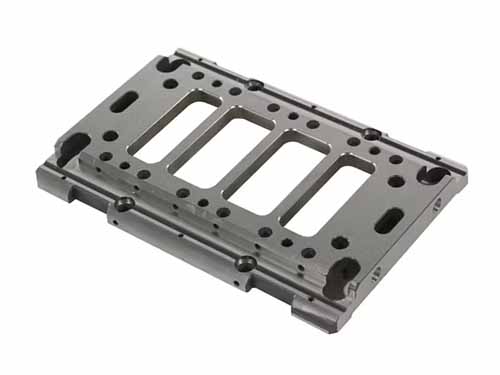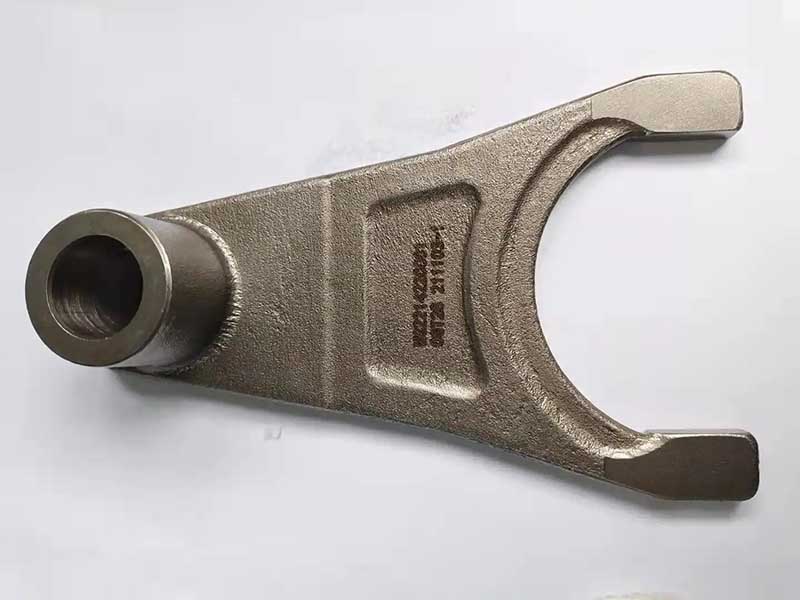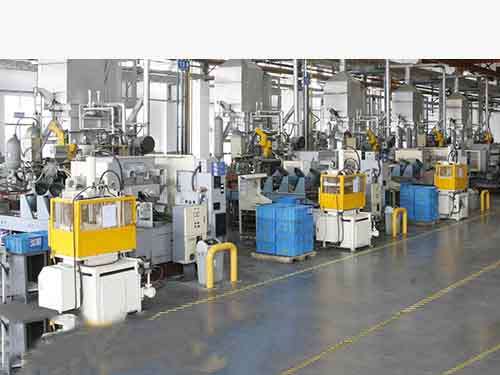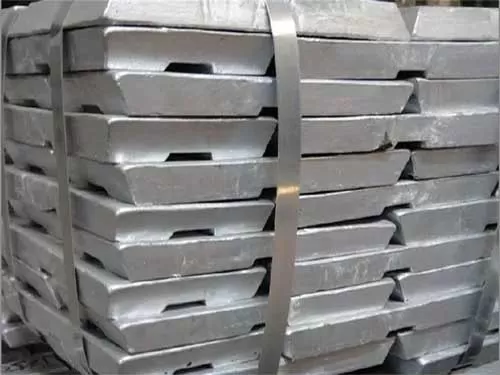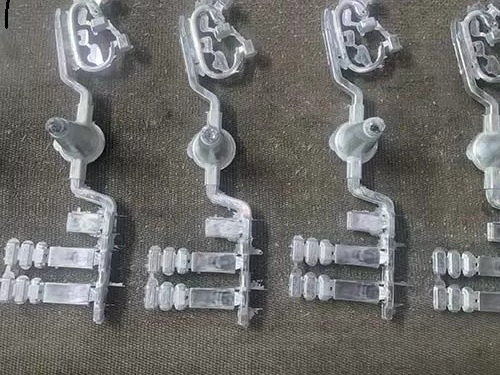
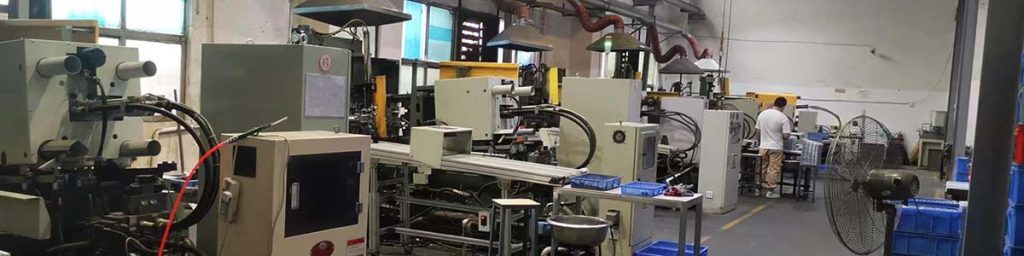
The difference between zinc and aluminum die casting decides best defined RFQ that buyers and purchasing managers want to gain. As two types of main industrial manufacturing processes are used widely across many industries. Zinc die casting creates small and medium sized, tight-tolerance dimensional, fine surface detailed and cost-efficiency mass production under lower metling temperature operation. While aluminum die casting focuses on lightweight, large sized, thermal environments, higher cost mass production under higher melting temperature. The article shows the comparison from zinc die casting vs aluminum die casting in detailed information.
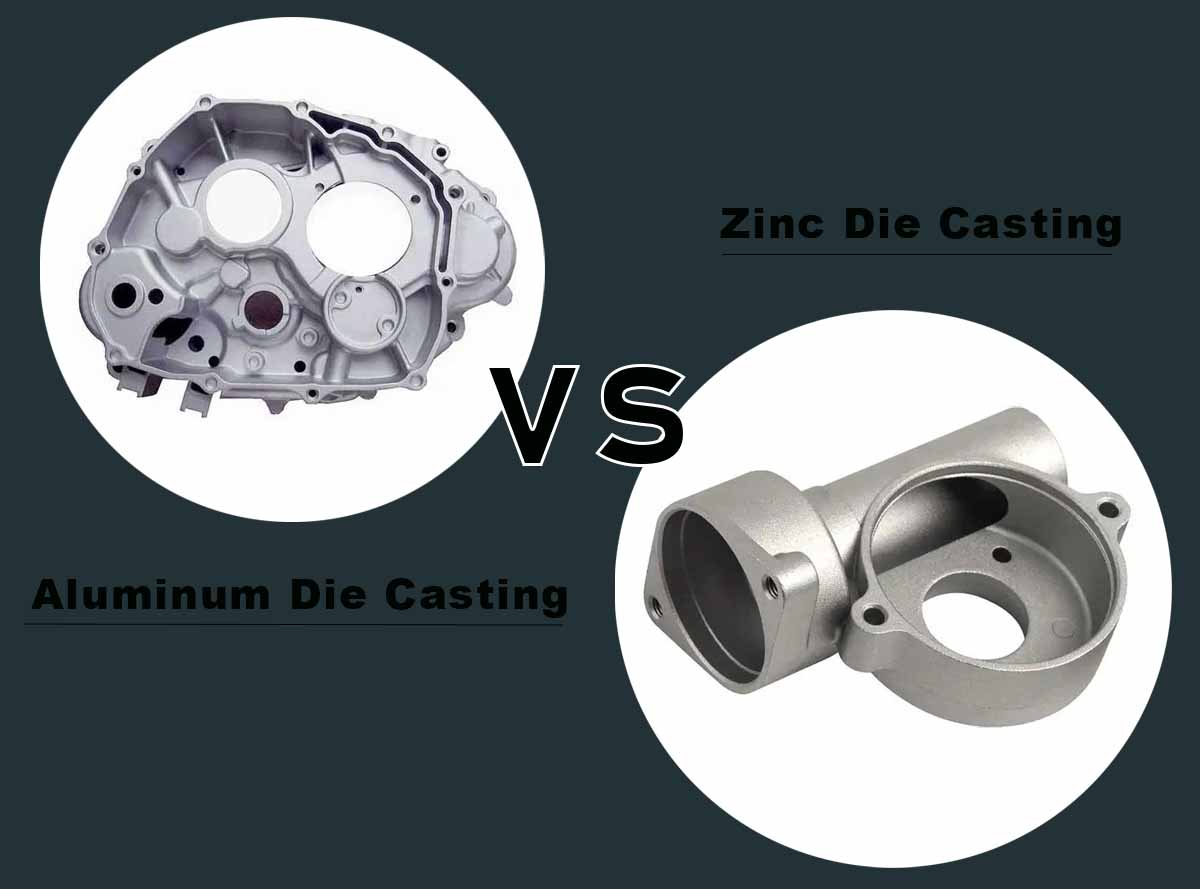
Advantages Comparison: Zinc Die Casting Vs Aluminum Die Casting
Ts die casting technology transits specific RFQ information from required die casting route exactly. Because the requirements and parts functionality is on demand, different die casting route, selection of diferent alloys material, tooling cost and mass production cost will generate accordingly detailed RFQ report.
Zinc Die Casting
Zinc die casting is the most common casting process for zinc alloys. The process occupies most casting industry market share. With zinc alloy unique properties, zinc die casting components have been used for many industries applications. Through hot chamber die casting process, many manufacturers are beneficial from fast cast cycle in zinc die casting mass production.
Metal Properties
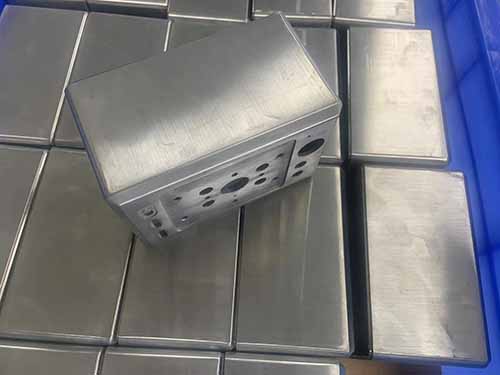
Zinc alloys are lower melting points metal, at 420℃. It is heavy weight, and density is 6.6g/cm³ . Better excellent impact resistance, but more poor thermal conductivity than aluminum alloys. It has good corrosion resistance prevent moisture environment, limited in aid and salt environments. Purified Zinc alloy has poor strength, such as Zamak 3, but has excellent fluidity and ductility.
Fast Cast Cycle
Zinc alloy’s lower melting point allows for fast cast cycle, and saves more production time. But we can’t have a detail cost comparison between zinc and aluminum die casting mass production due to two different types of manufacturing processes, which produce different sized parts.
Tight Tolerance Dimension
Zinc die casting focuses on miniature precision cast parts, like some thin-walled and complex internal structural parts, ensure metal flow fills the die fully quickly, while a low shrinkage, consistent high precision dimensional parts output on scale. typical tolerance range :from 0.1-0.5mm
Longer Tooling Life
Zinc die casting mass prodcution often works at the lower melting temperature, about the range from 380℃-420℃, Tooling wear is lower, makes longer tooling life. Normal tooling life of zinc die casting is about 800,000-1200,000 shots before the tooling is replaced.
Lower Secondary Operations
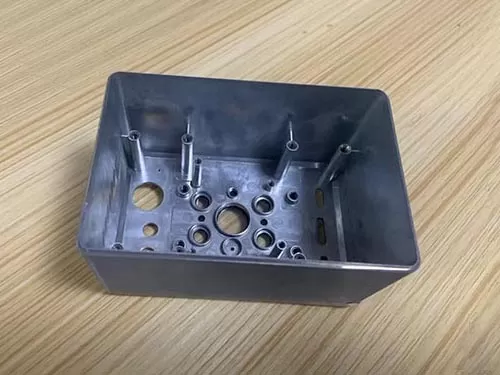
The molten zinc alloy has a good fluidity, added the precision steel casting die, under high pressure, it can provide a smoother surface finish that often requires minimal post-processing. Especially some miniature zinc die casting components with precision dimensions and complex design shapes. Finishing treatment is easy to treat, including chrome-plating, nickel-plating, electrophoresis and powder-coating and painting, only cleaning, polishing.
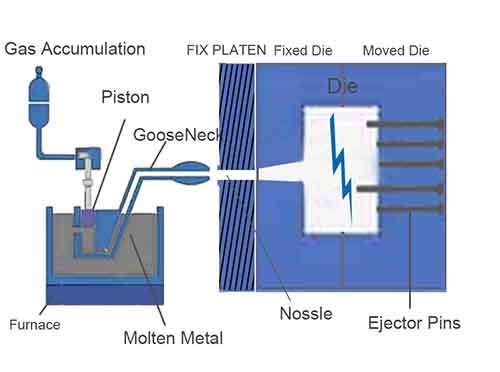
Hot Chamber Die Casting
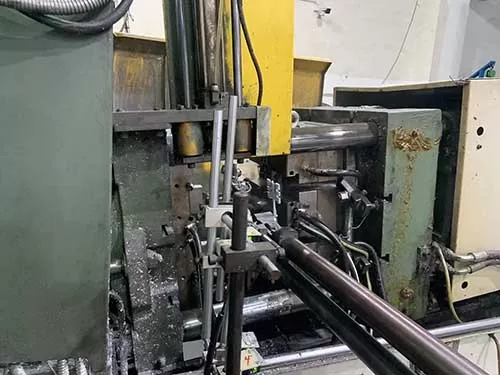
Integrated with melton metal pool, overflow impurities inside molten zinc, keep steady temperature purified molten zinc alloy and preheated casting die. Through specific gooseneck mechanism, Inject molten zinc into the preheated casting die, cooling and soliditying quickly, having a fast casting cycle and high volume production.
Aluminum Die Casting
Aluminum die casting belongs to cold chamber die casting process, which can create lightweight high precision metal cast parts. Because of aluminum alloy’s excellent thermal and electrical conductivity and lightweight and high strength, aluminum die casting parts are used for automotive, aerospace, industrial equipment structural parts.
Metal Properties
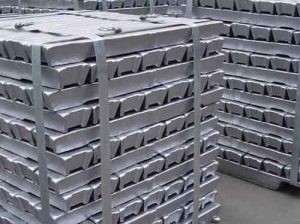
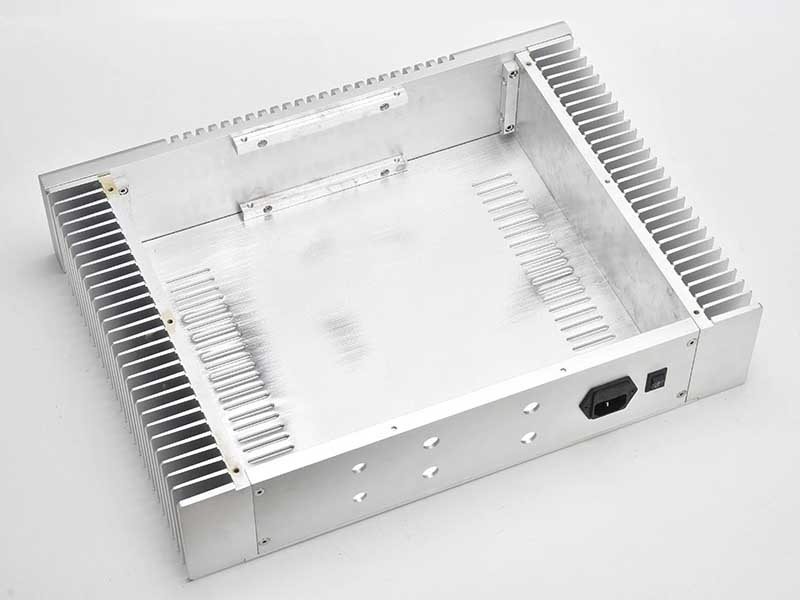
Aluminum alloys belong to high melting point metal, at 660℃. They are high light weight, and density is 2.7g/cm³ and only one-third that of zinc alloy. Aluminum alloys have natural heat dissipation properties, so these material A380, ACD12 are used generally for heat sinks for electrical moudles. Its corrosion resistance is excellent, and can withstand strong corrosion from aid and salt environments. The metal alloy has better strength and mechanical machining character.
Slow Cast Cycle
Alumimun alloy high melting points lead to slow cast cycle for aluminum die casting, injection time, cooling and solidifying time maintain more longer. But this can’t mean the cost of aluminum die casting mass production is higher than zinc die casting one, because they are two different manufacturing processes.
Loose tolerance dimension
Aluminum die casting is suitable for medium and large cast parts, It needs that metal flow fills the die at limited time. The high metlting point metal generate big gap shrinkage, near net-shape part often has rough surface, typical tolerance range : 1-5mm. They require secondary operations to improve its loose-tolerance dimension.
Shoter Tooling Life
Aluminum die casting mass production expriences higher melting temperature, about the range from 660℃-720℃, Under this temperature, the steeling tooling fatigue resistance becomes lower slowly, tooling wear will be enhanced, and make its life shorter, Normal tooling life of aluminum die casting is about 500,000-800,000 shots before the tooling is replaced.
More Secondary Operations Required
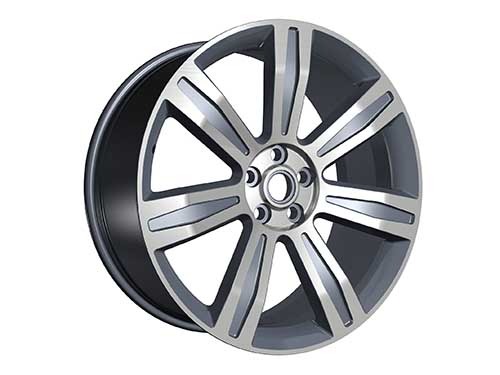
The rough surface of aluminum die casting need more post-process operations and achieve surface roughness level on custom demond. Some large sizes of aluminum die casting may be treated by impregnation, and sealing voids and pinholes on the surface of them and then accept polishing and cleaning, at last allows plating and painting. like automotive wheel frame, and integrated die casting car body, only allow anodizing or powder-coating.
Cold Chamber Die Casting
Apart from melton metal pool, avoid the higher temperature damage the cold chamber die casting machine. Slower part shape, cooling and soliditying, due to higher melt pointings aluminum alloy. More heat energy consumption to melt aluminum alloy, and storage the preheated melton metal reservior, and ladle the molten aluminum alloy andunder higher injection pressure, shape die casting part inside the steel die and eject it out from the die.
Overview, Zinc die casting vs aluminum die casting, two types of different metal process approachers, which process various applicational cast parts depends on specific specification requirements from the clients. Low cost zinc die casting is ideal if the cast parts required lower cost and high precision, while aluminum die casting is suitable for fast thermal conductivity, high light weight and higher cost high volume production.
Zinc Vs Aluminum Die Casting Applications
Advantages of zinc die casting application makes OEM manufacuturers and end-user gain high precision dimension high volume die casting parts at low cost, however aluminum die casting application focuses on its fast thermal conductivity, far light weight, high strength and high corrosion. So Different features serve different applications in morden variety industries.
Zinc Die Casting For Miniature Precision Parts And More Smoother Surface Detailed
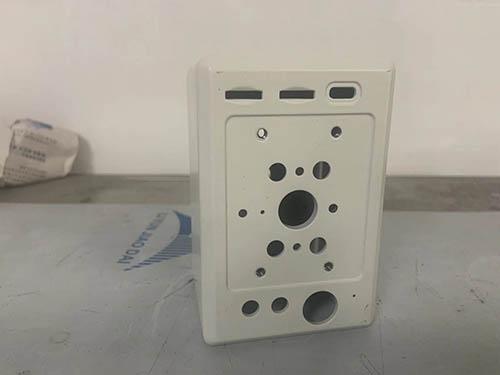
Zinc die casting focuses on cost-efficiency mass production of high quality precision die cast parts at large volume at low melting temperature. The process creates tight-tolorance dimensional and smoother suface finish. The common Zamak 3 and Zamak 5 are widely selected due to their low melting temperature and high metal fluidity.
- Electronics and Communication Industry: EMI/RFI shielding covers, connector housings, sensor housings, compact communication device components and IoT device enclosures.
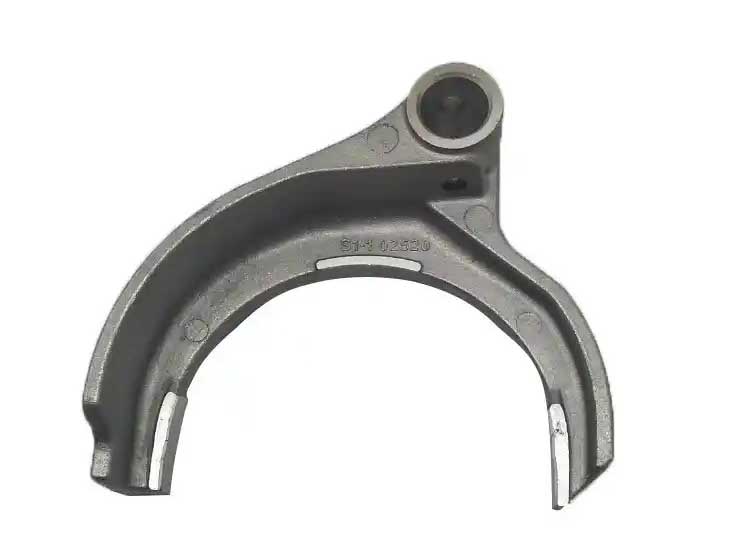
- Automotive Precision Components: Door handles, Lock components, Gear shift parts, Small brackets, Sensor housings and automotive decorative parts.
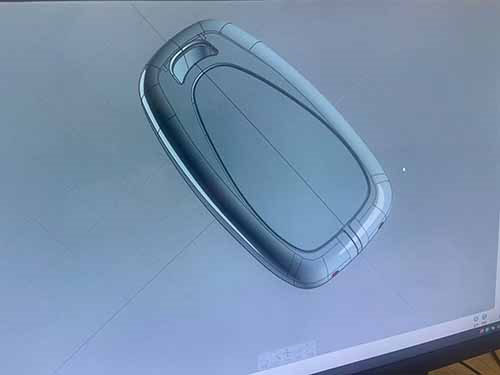
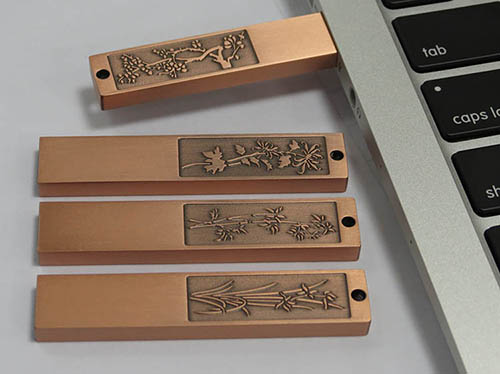
- Consumer Electronics: consumer electronic device enclosures and housing , appliance compoents, decorative goods and fashion accessories.
- Industrial Precision Parts: some fittings and fasteners in plumging industry, but these need more frozen resistance.
Aluminum Die Casting For Large Size, Far LightWeight And Thermal Parts
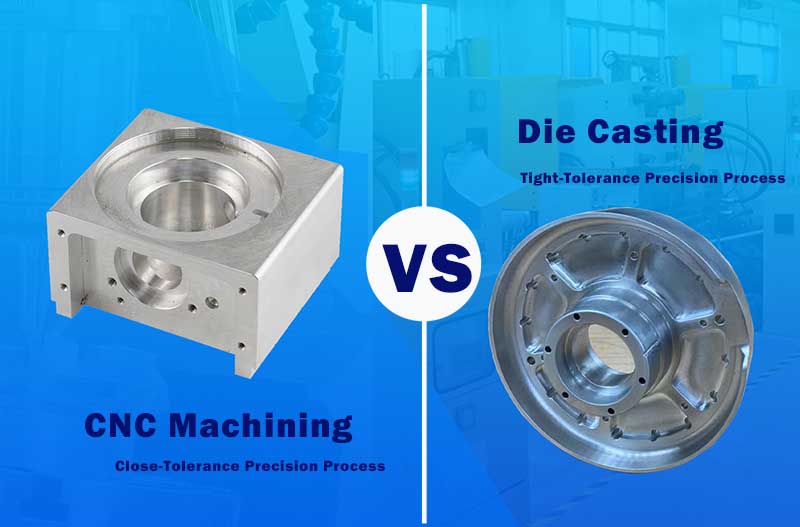
The lightweight metal alloy has excellent tensile-strength and preminum mechanical process properties, under high injection pressure, The accurate dimensional die casting parts can be formed at high melting temperature, common aluminum castable alloys, such as 380A and ACD12 with a balance between strength, castability and corrosion resistance. These rough surface aluminum die casting parts need CNC machining process to achieve close-tight tolerance dimensional level.
- Automotive Industry: transmmission housings, motor housings, Battery housings for electric vehicles and suspension components.
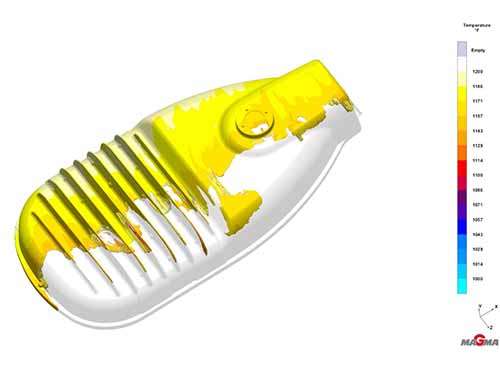
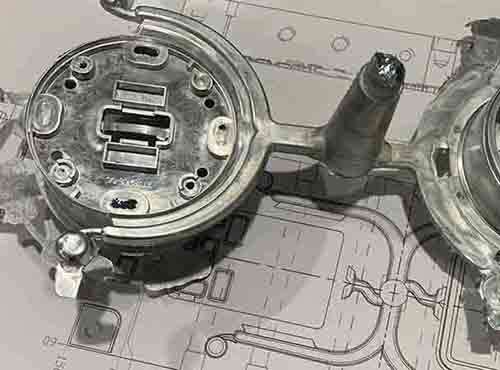
- Thermal Management Required: Automotive headlight housings, power electronics housings and communication equipment cooling components. such as camera housings.
- Heavy-Duty Industry: Pump housings, Gear housings, Machine components and Automation equipment frames.
Aluminum vs Zinc Die Casting Applications Comparison
| Industry | Aluminum Die Casting | Zinc Die Casting |
|---|---|---|
| Automotive | Structural parts, housings, EV components | Precision parts, locks, handles, sensor housings |
| Electronics | Large housings, cooling parts | EMI shields, connectors, small housings |
| Consumer products | Lightweight frames | Decorative and precision components |
| Industrial equipment | Large mechanical parts | Small complex components |
| Heat management | Excellent | Good |
| Precision parts | Good | Excellent |
Cost Comparison : Zinc Die Casting Vs Aluminum Die Casting
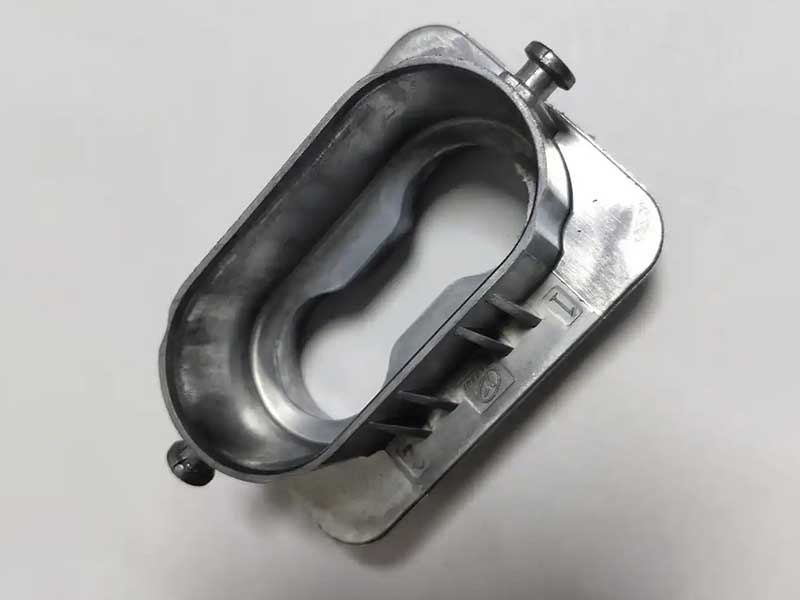
Zinc hot chamber die casting is often more cost-effective for small-to-medium precision components because of lower tooling wear, faster production cycles, better casting accuracy, and reduced secondary machining. The small metal zinc volume has very heavy weigtht, the requirements of tooling steel material is comparable lower, cost of tool is lower. However aluminum cold chamber die casting usually focuses on lightweight and higher strength medium and large sized components at higher production cost. The larger volume cast part accordingly requires more larger sized tooling, the cost of tool is higher, too. The clear table has a cost comparison from zinc die casting vs aluminum die casting .
| Cost Factor | Zinc Die Casting | Aluminum Die Casting |
|---|---|---|
| Raw material cost | Higher per kg | Lower per kg |
| Material consumption Heat Energy | Low | High |
| Melting temperature | ~420°C | ~660°C |
| Die casting process | Hot chamber | Cold chamber |
| Tooling Cost | $8,000 | $20,000 |
| Tooling Life | 1000,000-3000,000 shots | 300,000-2000,000 shots |
| Cycle time | 8-20 s | 20-150 s |
| Mold maintenance | Lower | Higher |
| Machining cost | CNC machining, polishing and grinding | Impregnation, polishing, cnc machining and grinding |
| Surface Finishing Teatment cost | copper striking and plating, powder-coating nd painting | directly anodizing ,zinc-plating , copper striking and plating, powder-coating and painting |
| Cast for | Precision small and meduim parts | Lightweight medium and large parts |
From the above table, the mass production cost of zinc die casting can be lower than aluminum die casting one due to different temperature operations, process apporches and tooling life. Although aluminum alloys generally have a lower raw material cost than zinc alloys, but in multi-step mass production, zinc die casting provides several cost advantages, including lower melting temperature, reduced energy consumption, longer tooling life, lower die wear, faster casting cycles, and improved dimensional accuracy. By contrast, aluminum die casting often requires higher processing temperatures, greater mold thermal stress, more frequent tooling maintenance, and additional machining operations for achieving final dimensional requirements. The lightweight, large sized and premium thermal conductive cast parts is cast by cold chambe die casting machines.
In summary, for small-to-medium sized precision components requiring complex geometries, thin walls, high production volumes, and excellent surface finishes, zinc die casting can achieve significant overall cost savings during imploying miniature precision cast part mass production. While aluminum die casting is excel at medium and large sized cast parts, invest high cost heat energy and more cast cyle time, produce tough suface cast parts, under help of secondary operations, aim to high precision metal parts.
Which Material Should You Choose?
Die casting material selection is decided completely by custom die casting demands and application and functionality of the die casting components. You can follow the guide to get best material and process for die casting.
Zinc Alloy For Die Casting
- Custom Zinc Die Casting Services Project
- Small and medium sized precision parts, like thin-walled and complex internal structural parts with close-tight tolerance dimension.
- Lower melting temperature mass production
- Low tooling maintenance and repair
- Cost-efficiency High-volume mass production
- Impact resistance metal parts
- Excellent decorative apperance
- Minimal secondary operations
- A substantial feel
Aluminum Alloy For Die Casting
- Custom aluminum die casting project
- Medium and large sized precision components, like automotive transmmision housings, automotive aluminum die casting wheel frames.
- High melting temperature mass production
- Highly lightweight integrated structural parts ,better strength-to-weight performance. such as automotive integrated car body, large sized aerospace components.
- Better thermal and electrical conductivity required, like electric module housings and heat sinks.
- Light Weight
| Factor | Zinc Die Casting | Aluminum Die Casting |
|---|---|---|
| Density | 6.6–7.1 g/cm³ | 2.7 g/cm³ |
| Melting temperature | ~420°C | ~660°C |
| Casting process | Hot chamber | Cold chamber |
| Tool life | 1–3 million shots possible | 100,000–500,000 shots typical |
| Dimensional accuracy | Excellent | Good |
| Thin wall capability | Better | Moderate |
| Surface finish | Excellent | Good |
| Machining requirement | Lower | Higher |
| Production speed | Faster | Slower |
| Weight advantage | Heavier | Lightweight |

Need Zinc or Aluminum Die Casting for Your Project?
TS Die Casting Technology provides:
✓ Professional Custom Zinc die casting services
✓ Aluminum die casting
✓ Mold design and manufacturing
✓ CNC machining
✓ Surface finishing
✓ OEM mass production
Mold Design, As-Cast Cosmetic And Defects Control For Zin And Aluminum Die Casting
Mold Design Requirements for Zinc Die Casting focuses on proper melting temperature control around 380℃, injection pressure, cast cycle time, metal flow filling, entrapped air and cooling system setting, gating location and parting line design. Ensure hot chambe die casting machine produces consistent stable tight-tolerance dimensional and fine surface detail as-cast parts at high volume. And avoid like some common defects, like cold shut, porosity shrinkage, misrun, flow mark and cracks. For as-cast cosmetic, zinc die castings allows versatility polishing and grinding, and accpet finishing treatments, like plating and color wet paintings.
Precision Mold For Aluminum die casting require larger tooling steel block due to its cast part is big one. The tooling life is shorter because it works usually at higher temperature around 660℃, tooling wear is fast, and impact the accurate dimension and structure of cast parts, the tooling need frequently remainance and repair ensure stable qualified cast part output in high volume mass production.
For the large sized aluminum parts, engineers don’t require considering of thin-walled design, only using advanced cold chamber die casting machine to ehance injection pressure to fill the molten metal into the die fully. The shrinkage of aluminum is big gap and hydragon within the molten metal lead to the rough surface of as-cast parts, and require more secondary operations, aim to required surface roughness, accept color anodizing and prolong the life time.
Conclusion
In summary, Zinc and aluminum die casting have been used in many fields, They have its own advantages respectively, When there is some special demands for metal die casting parts on your project, you can select what you want to in accordance with your real requirements. From zinc die casting vs aluminum die casting, Aluminum is very light, and outstanding cooling properties, so it is often used for lightweight purpose. But zinc is heavier, but it is durable and solid, Some zinc die casting parts are used for housings and enclosures for smart devices.
Zinc die casting vs aluminum die casting, zinc die casting is favor of small, complex parts where interference shielding and durability is crucial, Aluminum die casting allows larger structures and components that require heat dissipation, They are light weight. Depending on the component requirements, whenever zinc or aluminum die castings, and contributed to communication industry with their own properties.
FQA
Is zinc die casting cheaper than aluminum die casting?
For small and medium precision components, zinc can often reduce total production cost because of faster cycles, longer tool life, and reduced machining.
Which is stronger zinc or aluminum die casting?
Aluminum provides a better strength-to-weight ratio, while zinc provides higher density, impact resistance, and dimensional stability.
Why use zinc instead of aluminum?
Zinc is preferred for complex small parts requiring precision, thin walls, excellent surface finish, and high-volume production.
What is the difference between zinc and aluminum die casting?
Zinc die casting offers higher precision, better surface finish, and longer tool life, while aluminum die casting provides lighter weight, higher strength-to-weight ratio, and better heat resistance.