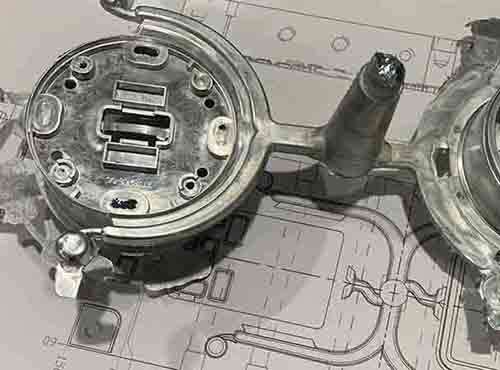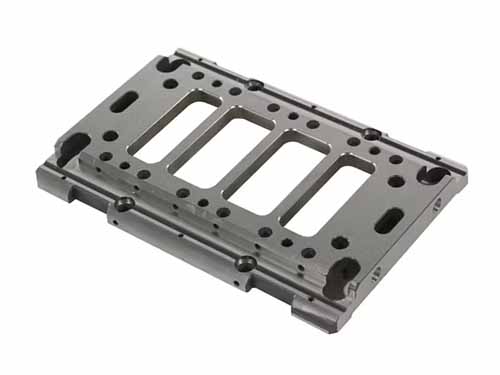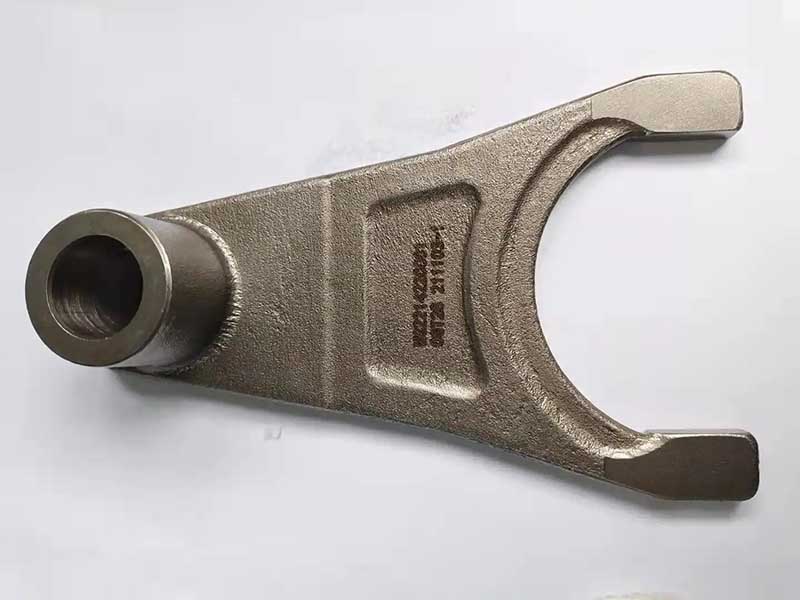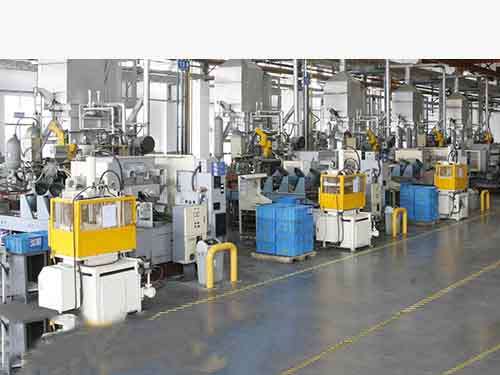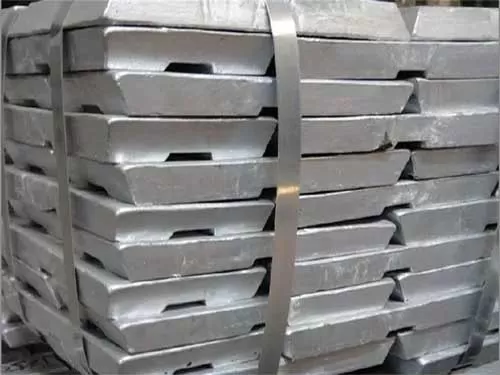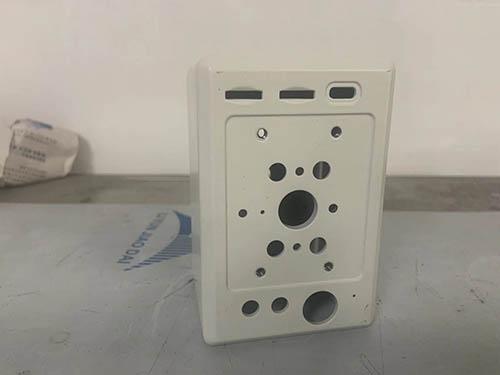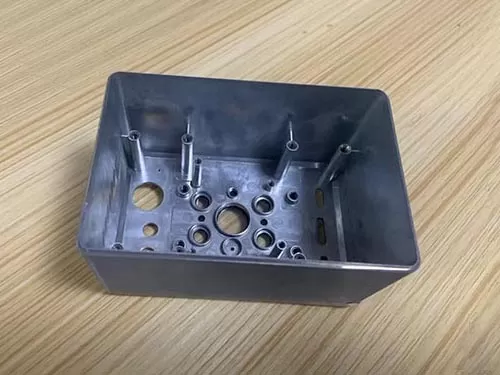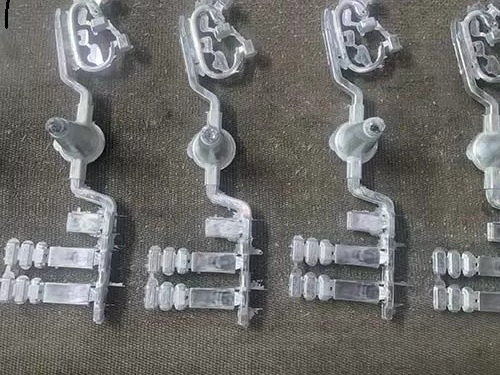
Zinc die casting is the most common metal die casting process in modern industrial manufacturing. It means a complicate process, where the molten zinc alloy is injected into the high precision steel mold under pressure. Then having a quick cool and solidification, the mold opens automatically, eject the shaped zinc part out from the mold. It remains consistent high quality precision zinc alloy die casting parts high-efficiency mass production output.
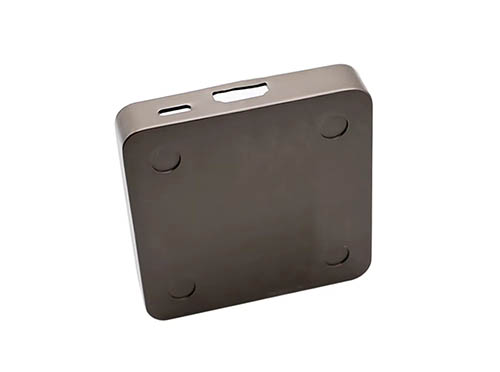
What Is Zinc Die Casting ?
Zinc die casting is a high-pressure metal manufacturing process, which produces high-precision cast parts at high-volume production. Zinc Alloys are melted at a relatively low temperature and forced into precision steel tooling under pressure. After rapid cooling and solidification, a near-net-shape part is formed. The process is suitable for small and medium sized high precision parts at cost-efficiency high volume production.
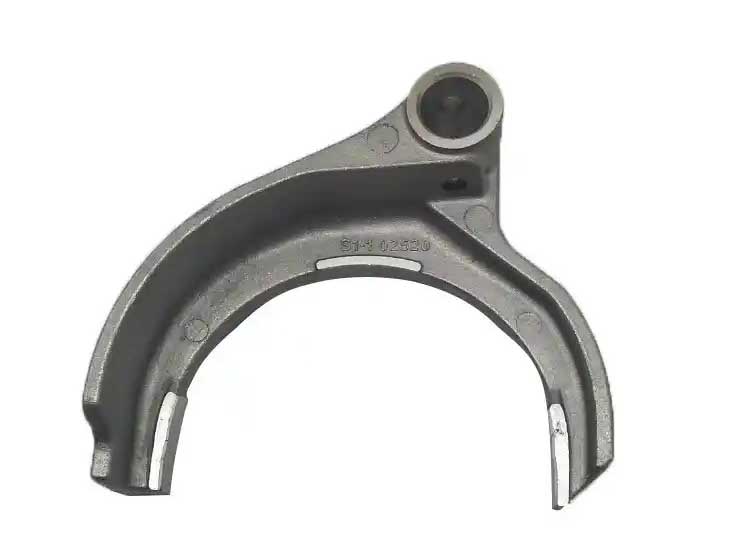
Compared with other metal casting methods, its advantages of lower cost, flexible geometries design and fine surface finish, and used for automotive components, electronic housings, communication equipment, industrial hardware, and consumer products.
The lower temperature operation technique allows the precision metal part form at high pressure. Not only reduces the risk of porosity and stick the die, but also less heat energy consumption, saves much more electricity consumption cost. It is ideal for miniature precision zinc die casting parts.
Zinc Die Casting Process WorkFlow
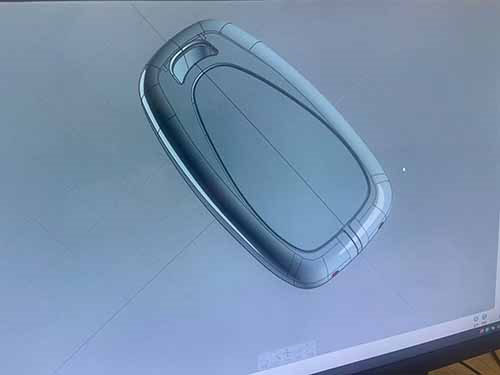
The precision zinc die casting process follows first model design, to precision mold manufacturing, selecting premium zinc alloy and uses hot chambe die casting machine to finshing mass production, secondary operations and goods inspection and package. It has complex workflow.
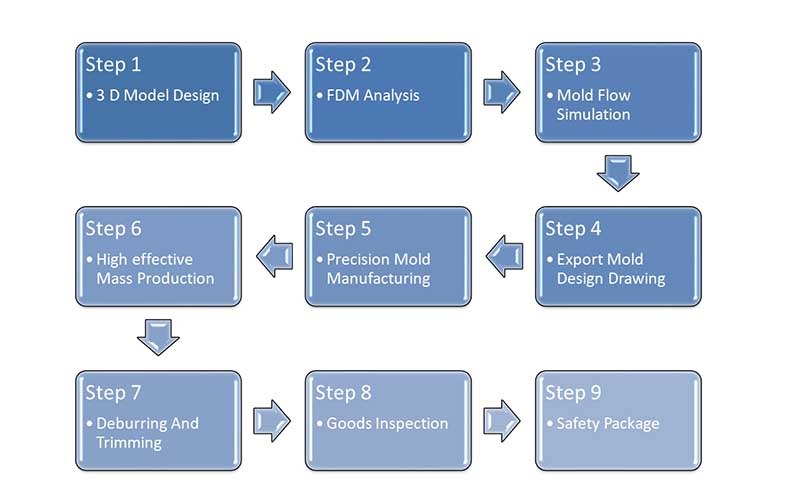
Zinc Die Casting Process Step
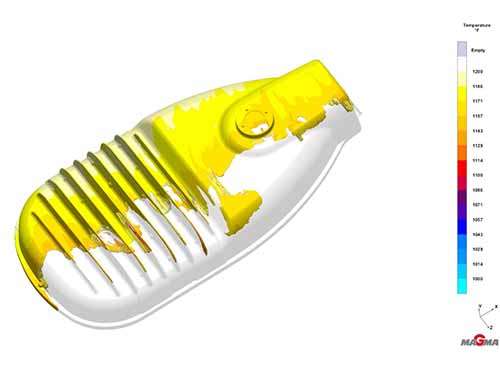
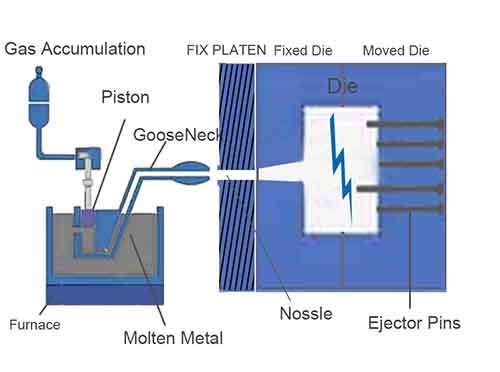
Zinc die casting belongs to hot chamber die casting process, with its gooseneck injection mechanism, directly injects molten metal into the precision steel die at low melting temperature, allow rapid cooling and solidifying and form high-precision cast parts under pressure. Finally, completing cost-efficiency zinc die casting mass production.
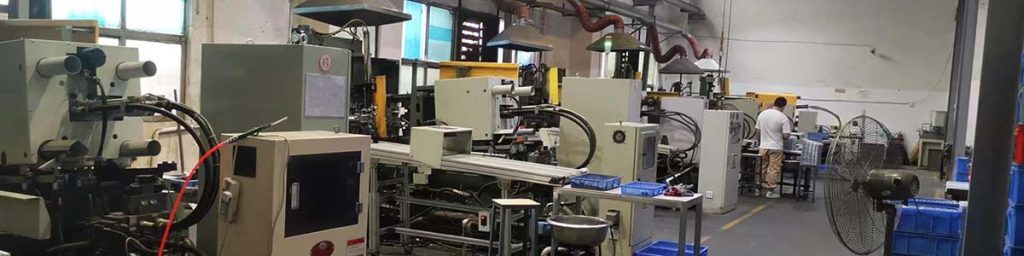
Zinc die cast parts are widely utilized across various industries. From automotive and electronics to medical devices and telecommunications. Zinc die casting delivers reliable solutions for intricate and demanding applications. Some high-precision zinc casting parts need more precise casting die to process. The below is the detail zinc die casting process steps.
- Prepare Precise Steel Tools And Mount the die on the die casting machine, and align with halves of the die.
- Melting the zinc metal on integrated reservior, and overflow the impurity within the molten metal, and maintain consistent temperature molten metal for fast cast cycle.
- Through gooseneck mechanism, inject the good fluidity metal into the preheated die with high pressure hydraulic piston, under fast cooling system, and make the molten metal formed inside the precise steel die.
- The die opens, the ejector pins eject the cast part out of the die, the robotic hand grasps the as-cast part, and put it on the automation production line, and accept some indispensable post processes.
- Secondary opearation: deburing and improve surface roughness,pass shot blisering, sand belt grinding, various polishing processes and allow finishing treatments. like chrome-plating, nickel-plating, electrophoresis and powder-coating.
- Quality Control and Safety Packaging : The shipped goods should be inspected by these precision inspection instruments . CMM dimension measurement, X-ray detector detect interal structure of the zinc alloy cast parts, visual look appearance of the electroplated parts and assemblies and testing in workshop. Then select eco-friendly package material to wrap these finished goods with desiccant together and prevent moisture from humdity environemnt on sea and put into standard exportation carton.
Advantages For Zinc Die Casting
Zinc die casting advantages are obveriously. From excellent fluidity of zinc alloys, flexible geometries design, high precesion dimensional accuracy, superior surface quality, longer tooling life, recycled and sustinability to lower cost per part, These will be more beneficial for various industries.
Cost-Effectiveness
Zinc Die casting has rapid production cycles, low heat energy consumption and low wear precision steel tools . So the overall cost of zinc die casting part is lower than aluminum one. But these zinc cast parts have poor corrosion resistance and should be treated by coating approach.
Zinc vs Aluminum Die Casting Cost
| Factor | Zinc | Aluminum |
|---|---|---|
| Melting temperature | 380-420℃, require lower heat energy | 660-720℃, high heat energy consumption |
| Tooling wear | Lower tooling wear,due to working at lower temperature | Higher tooling wear, steel die fatigue reistance poor slowly at high temperature |
| Machining requirement | Better metal fluidity ductility creates very smooth surface finish and minimal post-propressing operations. | Multi-voids and porosity surface require more post-processing operations. |
| Cycle time | Faster, water or oil-cooling | Slower, national cooling |
High Dimensional Accuracy
Zinc die casting design meets tight dimensional accuracy, thin-walled,complex geometries and fine surface finish of the cast parts. Especially focusing on custom zinc die casting project, customer require high quality precision cast pats at cost-efficiency.
Thin-Wall and Complex Geometries Capability
Zinc alloy has an excellent metal fluidity, and fill metal flow into the steel die fully rapidly, even more thin-walled and complex geometries cast parts. So many thin-walled automotive components are cast with Zamak 3, and achieve high effective mass production.
Corrosion Resistance
Zinc alloys are natural corrosion resistance metal,and less rust. The thin oxidation layer generated on the surface of it can insulate oxidation reaction in further inside, and protect the metal properties of the metal cast part well.
Supperior Surface Finish, Reduced Secondary Operations
Zinc die casting offers precision zin alloy die castig parts with stable dimension and supperior surface finish due to zinc alloy good metal fluidity. Especially Zamak 3 and Zamak 5, which provide miniature high precision zinc cast parts for automotive electrics and communication equipment. The zinc die casting parts fine surface finish only require minimal post-processing operations, and achieve the surface roughness level for finishing treatments. Compare to rough and multi-voids surface aluminum die castings , saving much more post-processing cost.
Long Tooling Life
The International Zinc Association notes that zinc tooling can often exceed 1 million parts, although actual die life depends on alloy, die design, process conditions and maintenance.
Recyclability
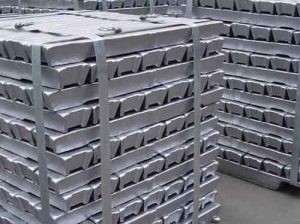
Zinc alloys are 100% recyclable, and sustainable and support environment protection. The special metal scraps or defective parts can be reused after high performance cast parts are cast. The type of metal can maitain steady metal properties at normal temperature, and it is green eco-friendly material, and less carbon emission. and beneficial to evironmental protection.
In summary, zinc die casting, especially through the hot chamber die casting process, provides an ideal solution for high-volume manufacturing of precision metal components. Its fast production cycle, low material waste, long tooling life, and excellent surface finish allow manufacturers to produce reliable, high-performance zinc alloy parts with reduced overall production costs.
Zinc Die Casting Materials And Alloys
There are two major categories of zinc alloys commonly used in the die casting industry: Zamak series alloys and ZA series alloys. Typical materials include Zamak 3, Zamak 5, and ZA-8, each offering different mechanical properties, casting performance, and application advantages.
The selection of zinc alloys depend on the specific functional requirements and operating environment of the final component. Engineers usually consider factors such as strength, dimensional stability, corrosion resistance, wear performance, surface finish requirements, and overall manufacturing cost.
For high-volume zinc die casting production, material selection is closely related to cost efficiency and production performance. The appropriate zinc alloy can help manufacturers achieve stable quality, reduce machining and finishing requirements, extend tooling life, and maintain competitive costs throughout mass production.
- Zamak 3 : The most common zinc alloy in modern industrial manufacturing, Best metal fluidity and ductility meets thin-walled and complete internal structural parts, ensure integrated structure, perfect surface finish and tigh-tolerance dimension stability.
- Zamak 5: Contain 1% copper content, makes the zinc alloy more wear resistance, easy to allow chrome-plating and copper plating finishing treatments. Zamak 5 die casting parts is durability and wear resistance.
- ZA-8: increased aluminum content improves mechanical properties, allowing ZA-8 components to withstand higher loads and continuous operating stress. Compared with standard zinc alloys, ZA-8 offers an excellent strength-to-weight ratio, good dimensional stability, and superior wear resistance.
Applications For Zinc Die Casting
With the rise of the update and creation of industry, Zinc alloy die casting have been widely used across many industries. But also their lower production cost and flexible design gemotries meets diversity requirements of industrial applications. These zinc alloy casting parts also support sustainability and follow environmenta l management regulations. the below categries from several sectors, we have a detail descriptions for each one.
| Industrial Categories | Detail Applications |
|---|---|
| Automotive Industry | Automotive Parts need more precision and strong corrosion resistance, Zinc alloy just fits the specific requirements. So these zinc die casting automotive parts may be used for Safety & Electrical Systems, Interior & Exterior Hardware. |
| Electronics & Electrical Devices | Zinc alloys is suitabe for small size casting, and has a wide range applications for Electrics and compact device. include of Consumer Electronics, Power & Electrical Systems, Telecommunications. |
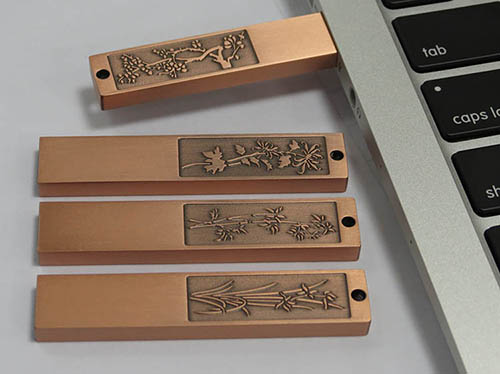
| Consumer Goods & Hardware | For lower production cost, many consumer goods are made of zinc alloys. They contain Fashion & Accessories, Household & Kitchenware, Toys & Recreational Equipment ect. |
| Industrial & Machinery | With a strong strength, zinc alloy is cast into many industrial equipment parts and mechanical parts. They include of Fluid Handling Systems,Fasteners & Hardware, Tooling & Equipment. |
| Medical & Healthcare Devices | Some special zinc alloys fit medical devices parts, like Surgical Instruments, Medical Device Housings, Prosthetics & Orthopedic Devices. |
| Aerospace & Defense | ZA alloys are used for precison parts in aerospace and defence. For example, Avionics & Instrumentation, Defense & Military Equipment. |
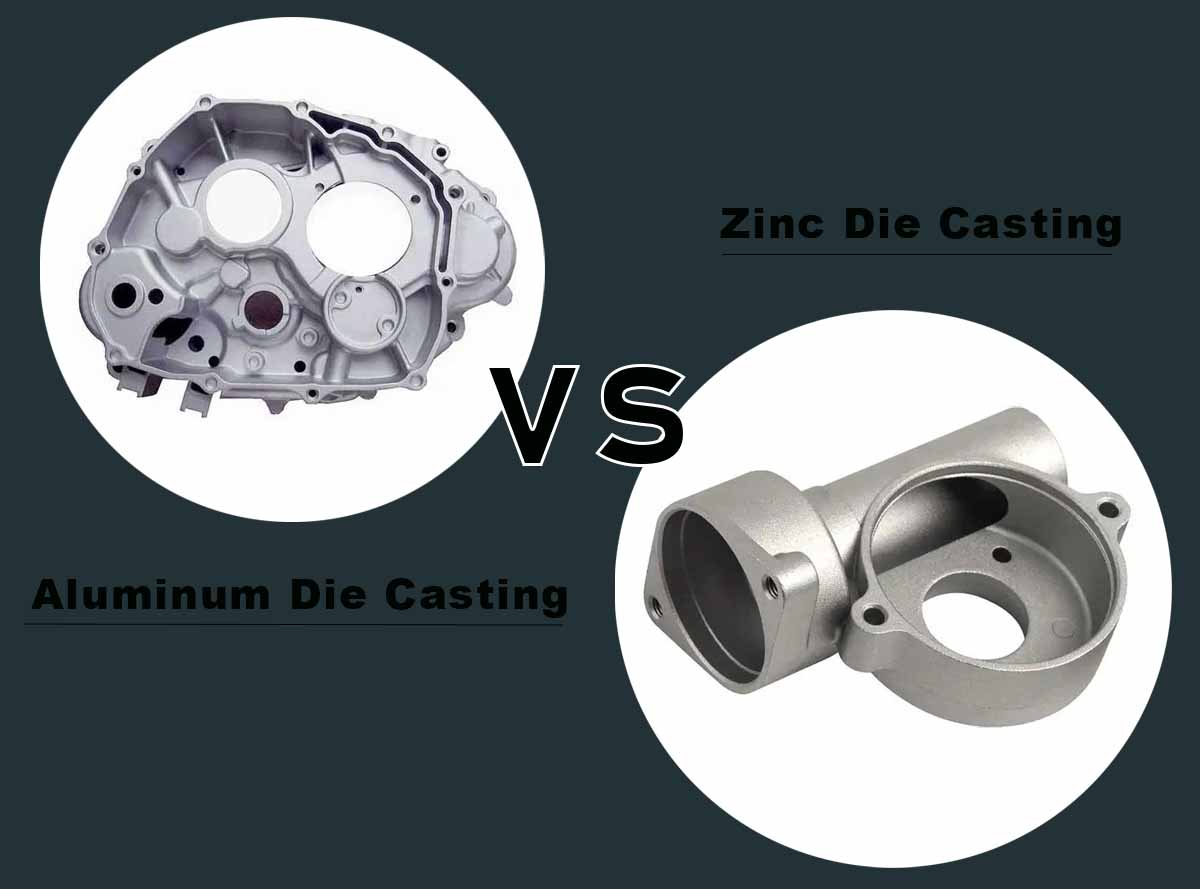
Zinc Die Casting vs Aluminum Die Casting
When using the same tooling steel material, the service life of a die casting mold is strongly influenced by the working environment, especially the molten metal temperature, thermal cycling, and injection conditions. Different casting materials require different die casting technologies and production environments to achieve stable quality and long tooling life.
Zinc die casting is excel at high precision miniature cast parts with stable tight-tolerance dimension, complex features, thin-wall and fine surface finish. While aluminum die casting is focusing on medium to large sized, lightweight and excellent thermal management.
The lower thermal load reduces thermal fatigue, erosion, and wear on the steel mold, allowing zinc die casting tools to achieve longer service life and more stable production performance. However aluminum die casting requires the die working at high temperature, reduce fatigure and creep, makes shortening the die life time.
Zinc die casting vs aluminum die casting summarizes the below table.
| Item | Zinc | Aluminum |
|---|---|---|
| Density | Higher | Lower |
| Precision | Higher | Good |
| Melting point | Lower | Higher |
| Tool life | Longer | Shorter |
| Surface finish | Better | Good |
Conclusion
Zinc die casting is the most common metal die casting process in modern industrial manufacturing. The advantages of it is outstanding and large impact to the development of industry and the progress of technology. Because of the process can provide consistent high quality cast parts at lower cost, and widely used for aerospace, automotive, medical and surgical, militory and defense and construction hardwares field. As common metal die casting will have a potential develpment trendy.
FAQS
What distinction between old mod refurbishment and new development mold ?
Mold refurbishment means the old mold steel blocks are retained, while critical forming areas such as the cavity and core are redesigned, machined, polished, and assembled according to the updated product requirements. In many cases, the mold manufacturing process is similar to new mold development, including CNC machining, EDM processing, heat treatment, surface finishing, mold assembly, and trial casting.
A refurbished mold usually has a shorter service life compared with a completely new mold. Since the reused mold base has already experienced thousands or millions of thermal cycles during zinc die casting production, the steel may have reduced fatigue resistance, toughness, and creep performance under repeated heating and cooling conditions.
Why do Zinc die casting plumbing fittings become bittle in frozen weather ?
Zinc die casting plumbing fittings may become more susceptible to cracking or brittle failure in freezing environments because zinc alloys experience reduced ductility and impact resistance at low temperatures. When the temperature drops below freezing, the material becomes less able to absorb sudden mechanical stress or deformation, especially when the component is already under internal pressure or installation stress.
Manufacturers can improve reliability through:
- Selecting suitable zinc alloys with improved toughness
- Optimizing die casting parameters to reduce porosity
- Increasing critical wall thickness areas
- Applying proper surface protection against corrosion
- Performing pressure and environmental testing