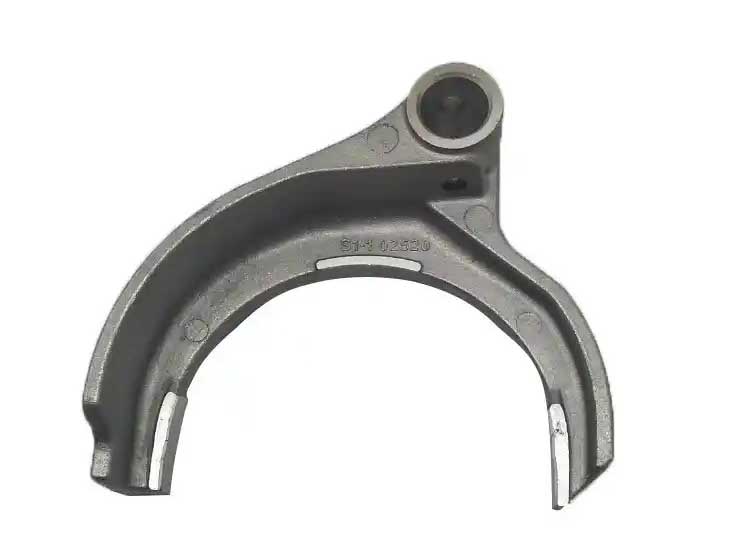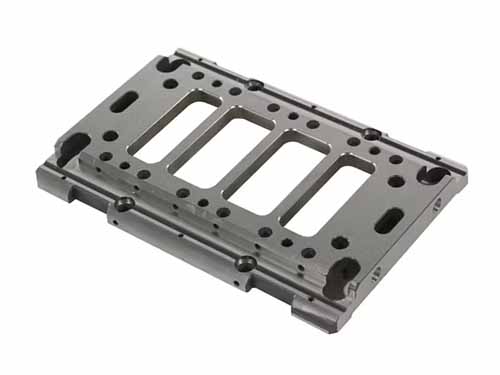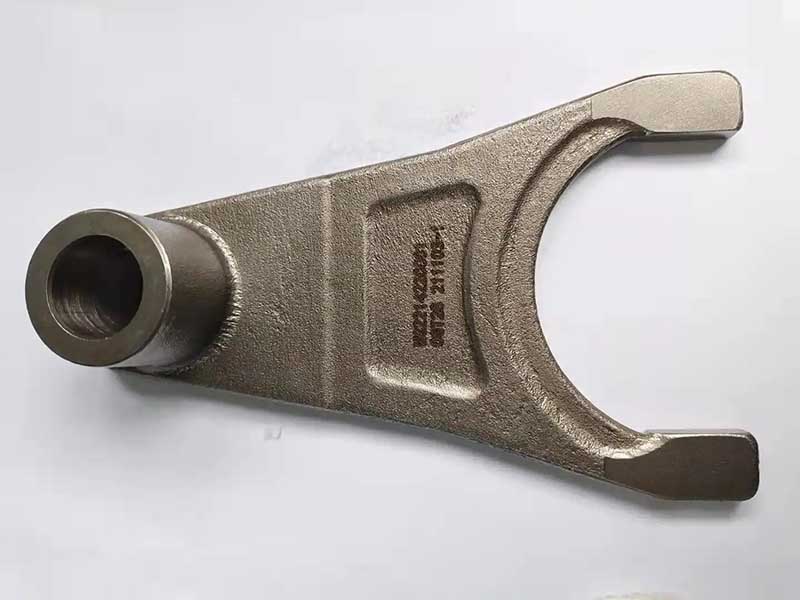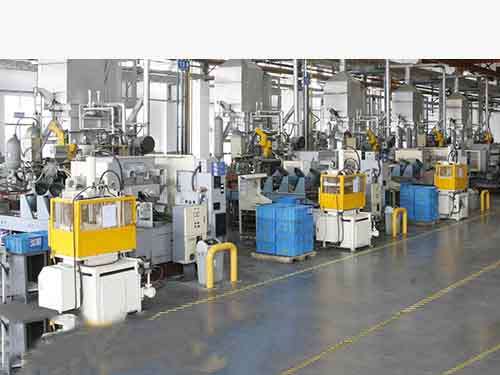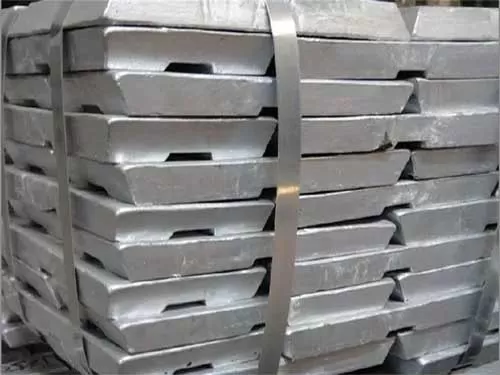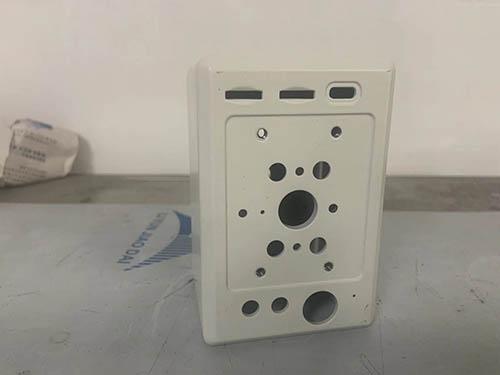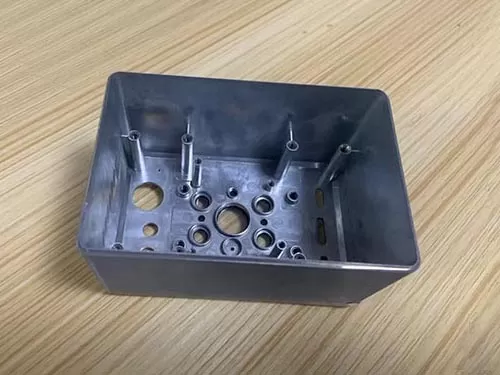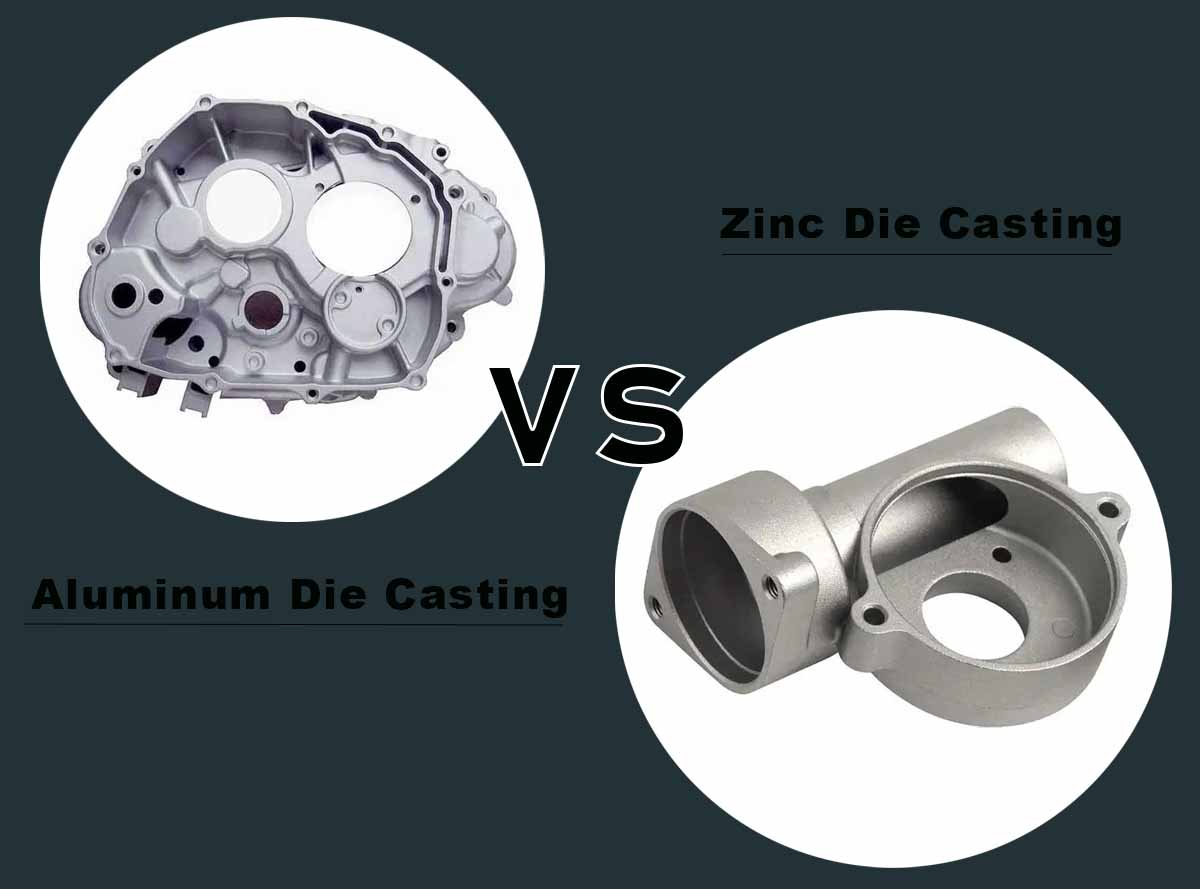
Custom aluminum die casting has become main industrial manufacturing process. The most commonly material and versatile castable aluminum alloy, like A380, A383 and ACD12. With them, OEM die casting manufacturer can make many custom aluminum die casting parts in automotive, aerospace and aircraft and mechanical industries. These Custom aluminum die casting should offer lightweight and high strength structural aluminum parts.
What Is Custom Aluminum Die Casting ?
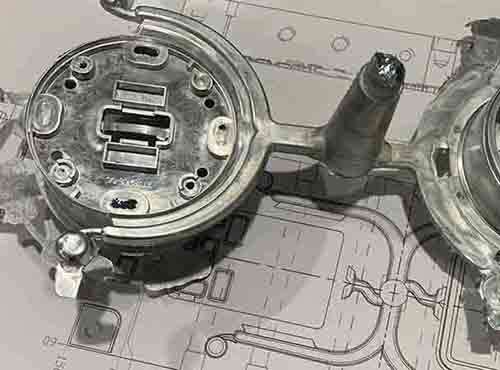
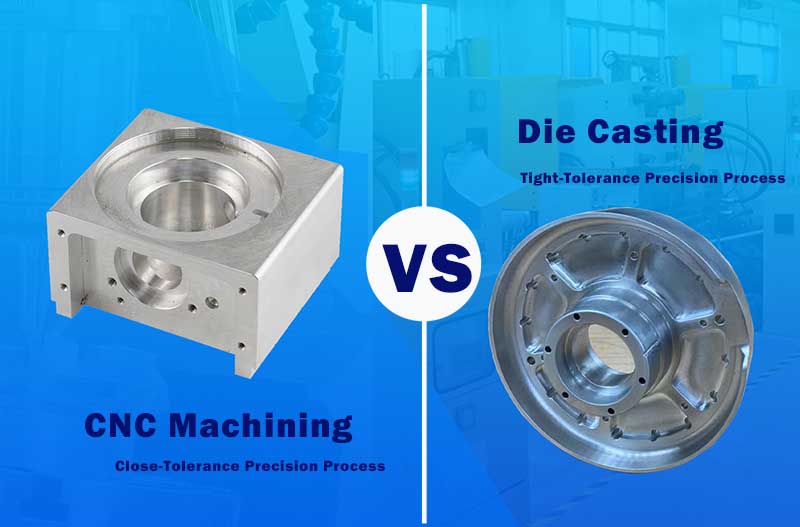
Custom aluminum die casting is a higher melting temperature manufacturing process that produces customized aluminum alloy parts by injecting molten aluminum into a precision-designed steel mold (die) under high pressure. These rough as-cast parts undergo secondary operations such as trimming, CNC machining, surface finishing, and inspection to meet specific customer requirements.
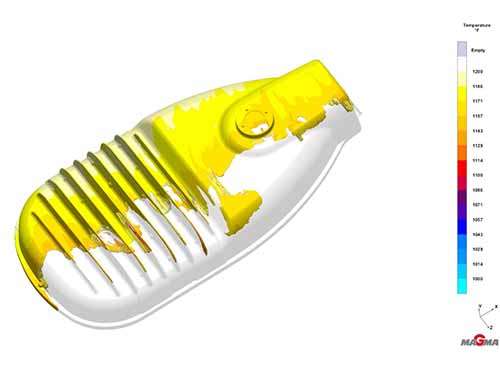
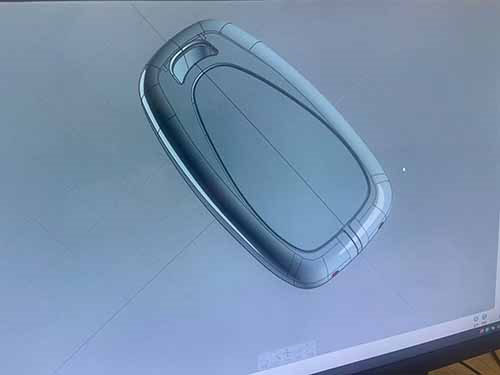
It is widely used for lightweight, high-strength components in automotive, electric vehicles, electronics, communication equipment, industrial machinery, and consumer products. OEM aluiminum die casting project needs following customer intention to produce high volume die casting parts, without any consideration of tooling design and manufaturing at all. But ODM project should design 3d model of product, address mold flow design and simulation, high precision tooling manufacturing and aluminum die casting mass production.
Features Of Custom Aluminum Die Casting
Custom Aluminum die casting belongs to tailored die cast process, which is had a specific design depend the specific requirements of the client and meet the part functions and applications in some special term and environment. They have the below features.
Tailored And Personalized
Custom die casting should be tailored and personalized, until meeting the specific requirement or unique design, the manufacturing process may have an expensive cost, but it can meet the demand of the client, The custom die casting need produce low volume products.
Being Satisfied With Specific Requirement
These Custom die castings require being satisfied with some specific requirement from the client. The aluminum custom die casting parts are used for automotive, aerospace, and other industries needing lightweight components. They need integrated structure and strong mechanical properties.
High Waste Material Acceptable
Custom die casting processes custom die casting parts, may generate more defective products. This causes high waste material during manufacgturing process. So in general term, the client can accept high waste material and pay more money to the supplier. And only require high quality custom die casting components.
Custom Dimensions and Complex Geometry
Aluminum alloy die casting has high dimensional accuracy. Custom die casting need accurate dimensions and specific requirement process, and ensure the accuracy dimensions of the part and personalized geometry requirements. Custom die casting makes the structure and design of mold & die more complex.
Cold-Chamber Die Casting Machines
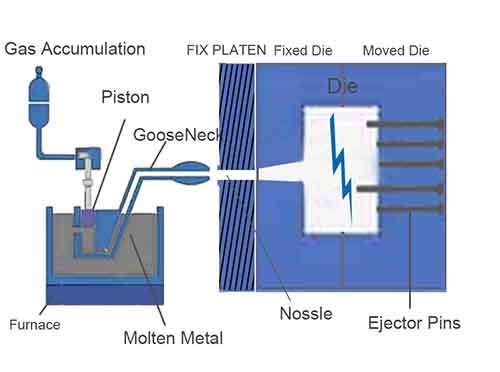
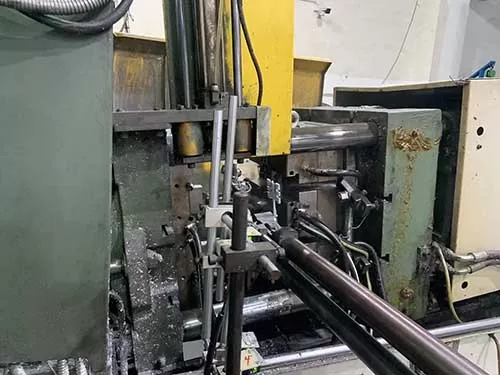
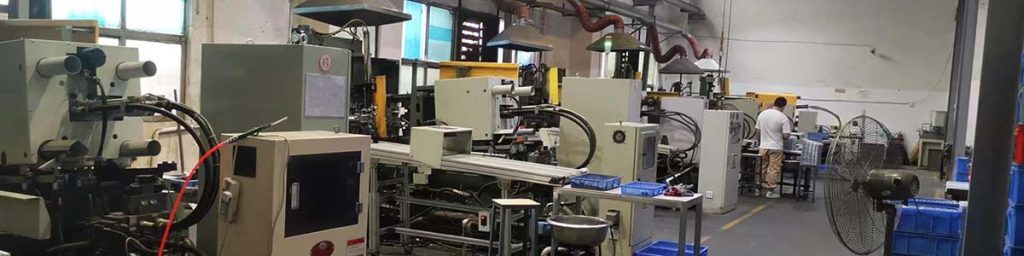
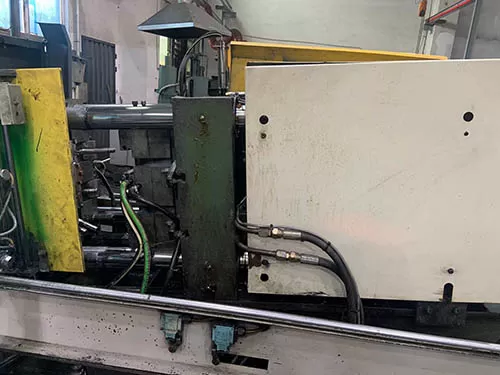
In cold-chamber die casting, the molten metal is melted in a separate furnace. The molten aluminum is ladled into the injection system of the die casting machine when begining casting the aluminum die casting parts. Then injected into the mold using a high-pressure plunger. and cooled and shaped, ejected the shape rough casting components from the die. It needs more heat energy consumption, comparison to hot chamber die casting.
Higher Heat Energy Consumption
Aluminum die casting process requires high melting temperature to form lightweight and higher strength precision die casting parts at slow casting cycle. Aluminum alloy requires higher temperature about 660℃-720℃ to melt, then the precision steel die accept the higher temperature metal flow and form precision die casting part, where heat energy consumption is necessary.
Slow Casting Cycle
High temperature molten aluminum requies more longer time to cool and solidify, authough aluimum has a fast thermal dissipation. It average casty cycle time is 20-80 seconds, Compare with fast casting cycle in zinc die casting at lower temperature operation, where cast cycle time is 8-30 seconds.
Rough Surface Roughness(Grain Grade)
During aluminum alloy melting, molten aluminum tends to absorb hydrogen from moisture in the atmosphere, furnace environment, and alloy impurities. When dissolved hydrogen remains inside the molten metal, it can form gas porosity during solidification, which affects the mechanical properties and surface quality of aluminum die castings.during high-pressure aluminum die casting, trapped air, turbulent metal flow, and rapid solidification can still create internal pores or surface imperfections if process parameters are not properly controlled. Rough surface roughness is commonly, and requies more seconadery operations.
Custom aluiminum die casting can create multi-functional complex structural far lightweight precision components, but require mor e secondary operations. This dues to the unique properties of molten aluminum, porosity on the surface lead to rough surface, hollow and flaw inside the parts result in poor steady structure of the aluminum alloy die casting parts. Manufacturers commonly use degassing processes, such as rotary degassing with inert gases (argon or nitrogen), flux treatment, and melt filtration before casting.
Material Options For Custom Aluminum Die Casting
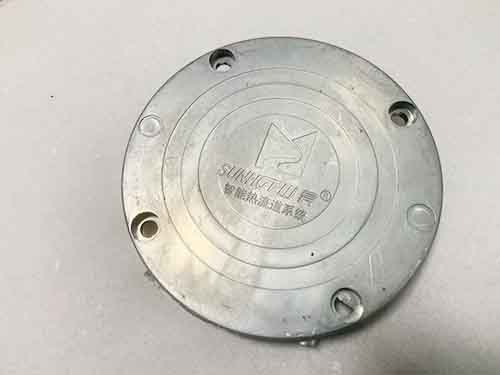
Professional Die casting manufacturer should select the right aluminum alloy material, follow the specific requirement of the client, with advanced die casting machine and high precision tooling steel die, and process the custom die casting part that being satisfied with the client. Carefully look in the below common aluminum alloys, that is very curicial.
| Aluminum Alloy | Main Advantage | Typical Applications |
|---|---|---|
| A380 | Balanced strength and castability | Automotive, electronics, industrial parts |
| ADC12 | Excellent fluidity and cost efficiency | Precision housings, bracket |
| A356 | Higher strength and corrosion resistance | Structural and EV components |
| AlSi9Cu3 | Wear resistance and mechanical performance | Automotive and machinery parts |
Custom Aluminum Die Casting: LightWeight
Aluminm is lower density metal, in which, it can be cast into more lightweighter die casting parts, compare to the other metal, such as zinc, iron, copper and stainless steel. So these aluminum die casting parts are generally used for aerospace and militery defense industries. They have excellent mechanical properties and good wear resistance at high temperature, and posses quick heat dissipation.
ADC12 is widely used for communiction camera housings, smart device enclosures and electrical chip heat sinks in consumer electrics. Our engineers suggest that if you want to make high quality custom aluminum die casting process, you must careful design high precision casting die. The die is made of high quality tooling steel material. The die should endure high temperature for longer time and high wear resistance in mass production.
How to Ensure High Integrated Structural Strength of Aluminum Die Casting?
A precision aluminum die casting supplier focuses on producing lightweight components with high structural integrity by controlling porosity, optimizing mold design, and improving casting process parameters. Effective melt treatment, proper venting systems, and advanced die casting technology help minimize gas porosity and enhance the mechanical strength of aluminum die cast parts.
Aluminum die casting is widely used for manufacturing large and complex components because aluminum alloys provide an excellent strength-to-weight ratio. Although aluminum parts are lightweight, they can maintain a strong integrated structure when produced with high-precision tooling dies and optimized casting processes. Through The below measurements to improve gas entrapped within the molten metal.
Control Hydrogen Content and Reduce Porosity
During aluminum melting, molten aluminum can absorb hydrogen from moisture and the surrounding environment. If dissolved hydrogen is not properly controlled, gas pores may form during solidification and weaken the internal structure. China aluminum die casting manufaturer implement actions:
- Rotary degassing with argon or nitrogen
- Melt filtration
- Proper furnace management
- Clean molten metal handling
They improve tensile strength, fatigue resistance, and pressure tightness.
Optimize Mold Design and Metal Flow
Ultimate aim to enhance high integrated structural strength of aluminum die casting is eliminate gas entrapped inside molten metal flow during die casting. So optimizing venting channels, overflow design,cooling channels and gating system become more vital. Through mold flow simulation tools, such as FLOW-3D CAST, AnyCasting, ProCAST etc, predict the common defects in die casting process, and improve and optimize the mold design structural and functionalities. guarantee the aluminum die casting strong tensile-strength as soon as possible.
Use High-Precision Tooling Dies
Die casting manufacturer should ensure high precision manufacturing tooling die, With CNC machining center, CNC grinding machines and precision EMD equipment to process the tooling dies carefully, remain the tight-tolerance dimensional and steady quality cast parts.
Optimize Aluminum Die Casting Operation Parameters
Handling injection speed, proper die temperture, filling metal pressure and cooling time in aluminum die casting process, reduce defects occurance and ensure consistent qualified die casting parts ouput.
Apply Vacuum Die Casting Technology for Structural Parts
For large or safety-critical aluminum components, vacuum die casting can significantly improve structural quality. This allows aluminum die castings to achieve improved mechanical properties and better pressure tightness.
Perform Quality Inspection and Validation
Reliable aluminum die casting suppliers verify structural quality through: CMM spectrum insepation instrument, X-ray detector, roughness tester and micrometer. Ensure the cast parts meet mechanical and application requirements.
For custom aluminum die casting projects, OEM project managers require more than lightweight precision components. They need aluminum die cast parts with consistent structural integrity, reliable mechanical performance, and stable quality throughout mass production.
A professional aluminum die casting manufacturer should provide lightweight components that combine excellent strength-to-weight ratio with high structural reliability. This requires comprehensive control of the entire manufacturing process, including aluminum alloy selection, melt treatment, porosity control, precision tooling design, optimized die casting parameters, and strict quality inspection.
By reducing internal defects such as gas porosity and shrinkage cavities, while maintaining accurate dimensions and consistent material properties, advanced aluminum die casting processes can produce durable structural components for demanding applications such as automotive, electric vehicles, industrial equipment, and communication devices.

Custom Aluminum Die Casting
Custom Aluminum Die Casting Supplier Offer One-Stop Service
Conclusion
In summary, custom aluminum die casting pros and cons are various and outstanding. The custom die casting is so far lightweight, tailored and steady integrated structure. These cast parts are flexible design,they can allow more comlex appearance and intircate internal steady structure. But also aluminum die casting components endure strong corrosion and wear in times at high temperature. Their quick heat dissipation make them playing the function of heat sink for electric chip module.
FQA
Why is aluminum die casting suitable for lightweight components?
Aluminum die casting is widely used for lightweight components due to aluminum low density. Aluminum alloys provide an excellent strength-to-weight ratio, excellent castability, and the ability to produce complex, thin-wall structures with high dimensional accuracy.
What is the minimum wall thickness of aluminum die casting?
In general, high-pressure aluminum die casting can achieve wall thicknesses of approximately 1.0–3.0 mm for many commercial components, while larger structural parts typically require thicker walls to maintain strength and prevent casting defects.
What production volume is suitable for aluminum die casting?
In general, aluminum die casting is recommended for production volumes from thousands to millions of parts per year, depending on part size, complexity, tooling cost, and customer requirements.