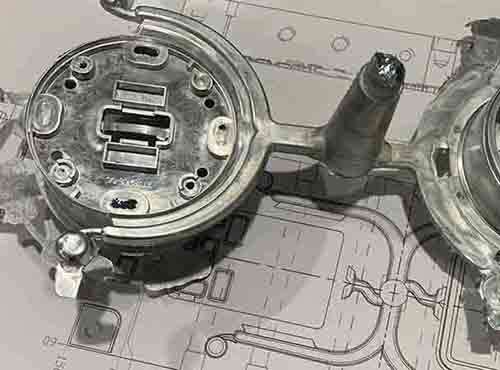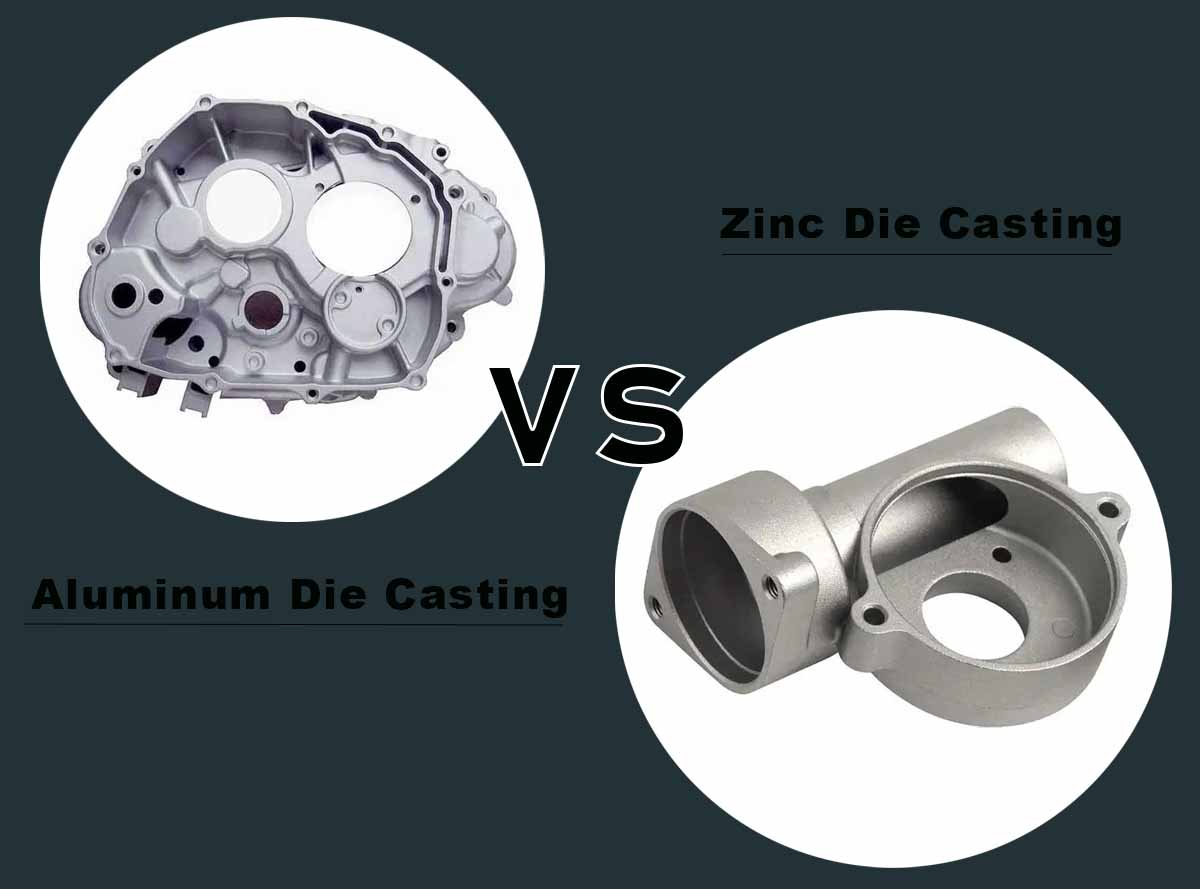
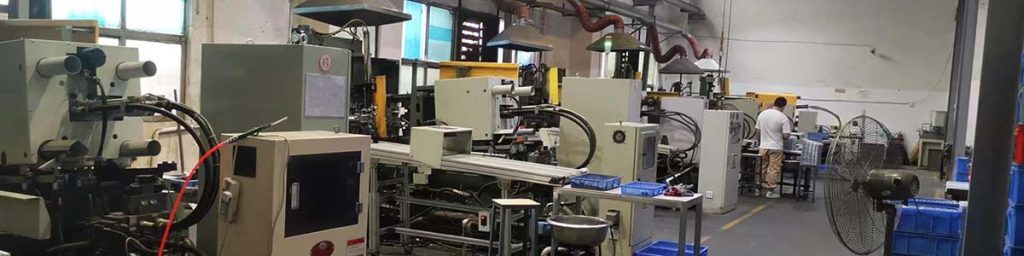
Reduce warping and shrinkage in zinc die castings becomes crucial whe warping or shrinkage occurred during the casting process. These causes produced due to these issues, like improper cooling rates, mold design, or alloy composition. Through visual guide to troubleshooting zinc castings, resolve some troubles in fact. By the blew approaches, at last, completely solve own detail problem.
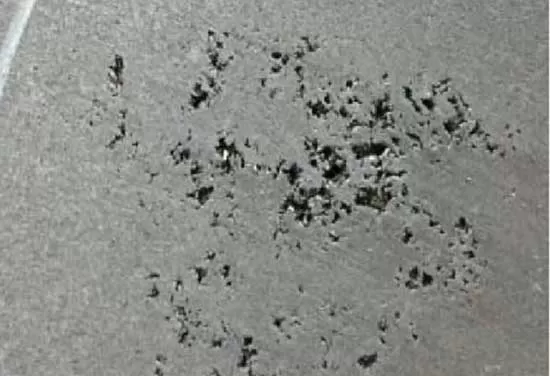
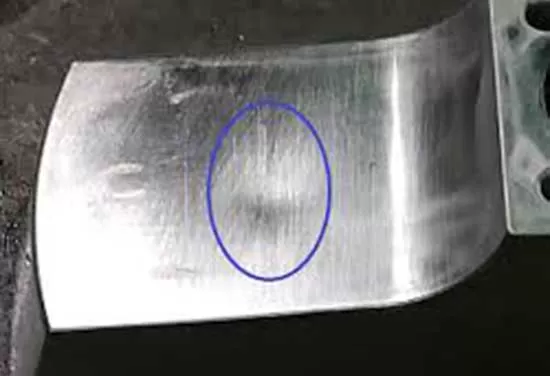
What Causes Warping and Shrinkage in Zinc Die Castings?
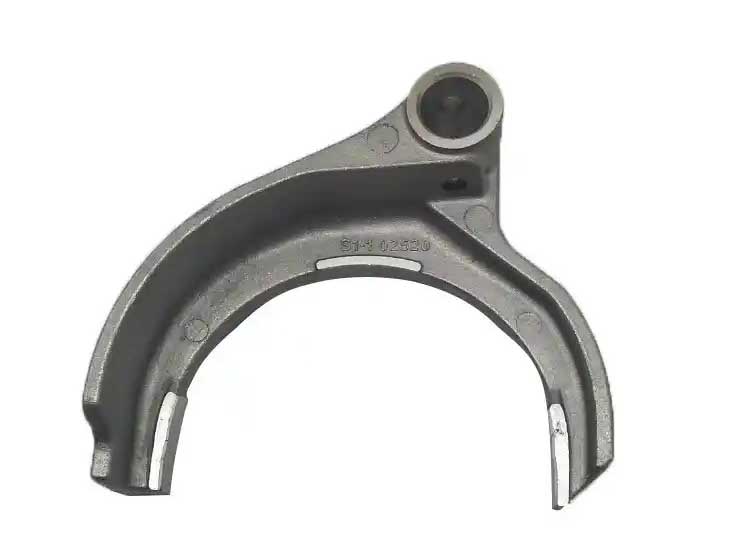
Warping and shrinkage are common dimensional defects in zinc die castings that can affect assembly accuracy, appearance, and mechanical performance. These defects occur when the molten zinc alloy cools and solidifies unevenly, generating internal stresses or insufficient material compensation during solidification. Understanding the root causes is essential for producing high-quality zinc die cast parts with tight tolerances.
- Uneven Wall Thickness: Uneven wall thickenss design of cast part leads in uneven cooling when the shaped part is cooled and solidified, easily causes warping and shrinkage of the formed part.
- Improper Gate and Runner Design: An inadequate gating system may prevent molten zinc alloy from fully compensating for volume reduction during solidification. It results in shrinkage porosity, incomplete filling and dimensional instability.
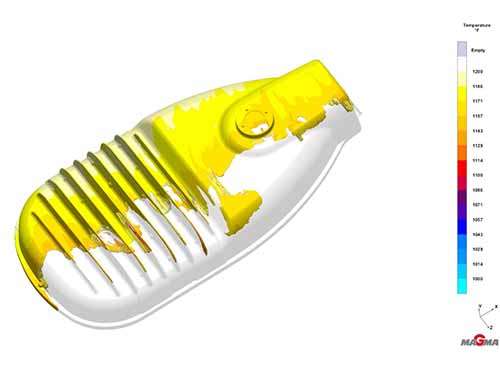
- Uneven Cooling Rates: Different areas of the die may operate at different temperatures. Hot spots can generate in thick sections or poorly cooled areas.
- Insufficient Intensification Pressure: Low intensificatin pressure causes porosity on the surface of cast parts, warpped and shrinkaged shaped part, unaccurate dimensinal parts.
- Poor Part Design
- Excessive Die Temperature: Zinc alloys’ low melting point of approximately 420°C, excessively high die temperatures can prolong cooling times and create thermal imbalance. easy to cause excess burrs and flash, and beyond longer cooling time develop deviation of dimension of cast parts.
- Improper Ejector Pin Layout: Uneven ejection forces may distort thin-wall or miniature zinc die cast components. result in Localized warping, Surface marks, Permanent deformation.
- Inadequate Venting: Poor venting can trap gases inside the cavity, interfering with metal flow and solidification. Lead in Internal porosity, Local shrinkage defects and Reduced casting density.
Warping and shrinkage in zinc die castings are typically caused by a combination of uneven wall thickness, improper gating, insufficient holding pressure, thermal imbalance, poor part design, and inadequate cooling control. By optimizing part geometry, die design, process parameters, and thermal management, manufacturers can significantly improve dimensional stability, reduce scrap rates, and achieve consistent high-quality zinc die cast components for mass production.
Good Solutions For Reducing Warping and Shrinkage in Zinc Die Castings
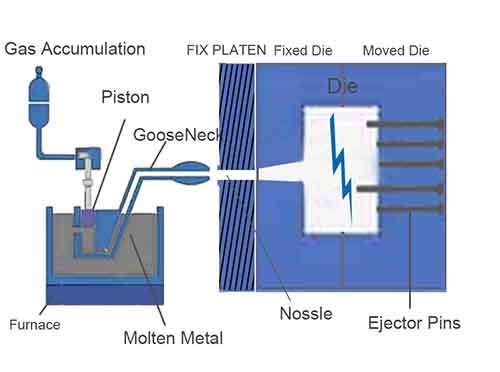
To maintain a high efficiency mass production for zinc die casting parts, experts suggest adopting hot chamber die casting technology, depends on enrich engineering exprience, how to reduce porosity on zinc die castings ? The below proper methods as verified.
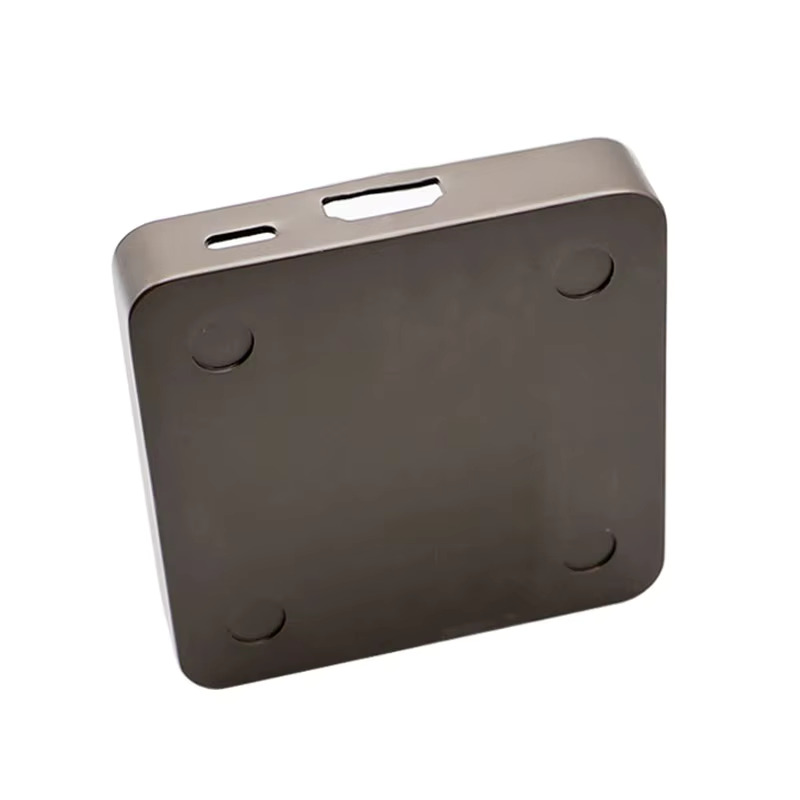
Adjusting Cooling Rates
Cooling channels in the die may be relevant to the defect result, we can optimize these cooling channels to achieve uniform cooling on the surface of the casting part.And find solutions for zinc die castings defects warping or shrinkage. We check these cooling channels carefully and maintain them clear and throughout. If neccessary, added cooling channels may improve cooling effection. This helps the part solidify evenly, reducing deformation.
Taper or Draft Angle Adjustments
In some cases, Cast part warping was caused by ejection force. In order to reduce ejection forces, we can increase draft angles. This can help the part release without warping in term of without comproming the quality of die casting parts. The taper or bigger draft angles on the surface of casting parts can disperse the ejection stress ejection forces evenly to ejection points, and reduce part warping rates.
Adjustment of Alloy Composition
Zinc alloy composition may cause deformation of zinc die casting part, possible other metal elements ratios in zinc alloy. We should adjust the balance of zinc, aluminum, copper, and magnesium until process the qualified zinc casting parts. And we explore zinc alloy composition continuously and adjust the balance of zinc, and make our effort to meet more custom die casting projects.
Improving Gates and Runners
We can improve the gating and runner system to maintain even material flow and reduce shrinkage issues. Modify the gating system to address balanced material distribution across the mold. Right positioning gates on the mold can help minimize areas prone to shrinkage or air entrapment. Another one, keeping entry runners clear and throughout is very important.
Venting Improvements
Techinician can improve venting to let trapped gases to escape, and avoid the gas is stay and causes improper internal pressure and deformation. Improve venting locations in the die, ensure that air has a clear path to escape from all critical areas once the gas generates in the lumen of mold under high pressure. Overflow gas can be escaped during the zinc die casting process.
Cast Part Post-Casting Treatment
Our Engineers suggest that appling stress-relieving techniques such as heat treatment to the cast parts after ejection to relax any residual stresses. Execute post-processing steps such as heat treatment or machining may be added to the workflow. Depends on the extension of warping of the cast parts, we can treat these imperfection cast past until meeting the quality standards of client.
Die Surface Modification
Using a coating or texture to the die surface to improve the flow of the alloy, reduce friction and block forces during casting parts. Zinc Casting Die Maintenance And Repair in regular time creates a smoothness and even surface of the casting part, and improve part quality. Die surface repair and modification can prevent the warping and defects of the parts from die casting process.
The above points are considered before designing a set of reasonable metal casting die, reduce warping and shrinkage in zinc die castings. In case die casting part warping or shrinkage during zinc alloy casting process, We should check the above link keys step by step and find good solutions to resolve the problem accordingly. We always produce custom die casting parts, the problem about the defects of casting parts may be often occurred . So we should face these problems at positive side, with our enrich production experience for decades, and try our best to resolve sudden accidents. Take some good solutions for reducing warping and shrinkage in zinc die castings.

Die Casting Project Quote
Professional OEM die casting factory to finish your project? If you want, please contact us by Email here !
Zinc Die Casting Design Rules to Prevent Warpage
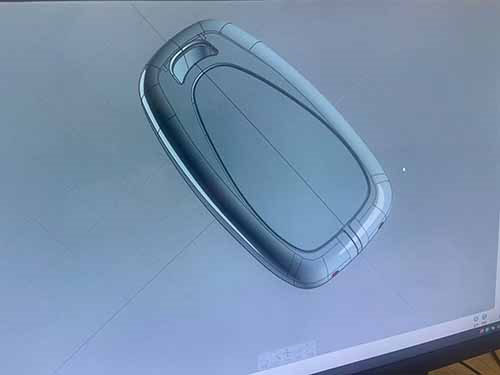
To reduce warping and shrinkage in zinc die castings, professional die casting supplier in china show a proper zinc die casting design guide as a valumed referrence. Proper engineering validation before mass production can significantly reduce warping and shrinkage in zinc die castings. Through DFM analysis, mold flow simulation, optimized gate design, and process parameter verification, we can improve first-pass yield rates from approximately 85-90% to 97-99%. In many projects, warpage defects are reduced by 70-90% and shrinkage defects by 60-85%, resulting in lower scrap costs, improved dimensional stability, and more efficient mass production of precision zinc die cast components.
| Performance Indicator | Without Proper Validation | With Proper Validation | Improvement |
|---|---|---|---|
| First-pass yield rate | 80-90% | 95-99% | +5% to +15% |
| Scrap rate | 8-15% | 1-5% | 30-50% reduction |
| Dimensional consistency | ±0.10-0.20 mm variation | ±0.02-0.05 mm variation | 50-75% improvement |
| Tool modification frequency | 3-8 revisions | 0-2 revisions | 60-80% reduction |
| Warpage defects | 3-10% | <1-2% | 70-90% reduction |
| Shrinkage defects | 2-8% | <1-2% | 60-85% reduction |
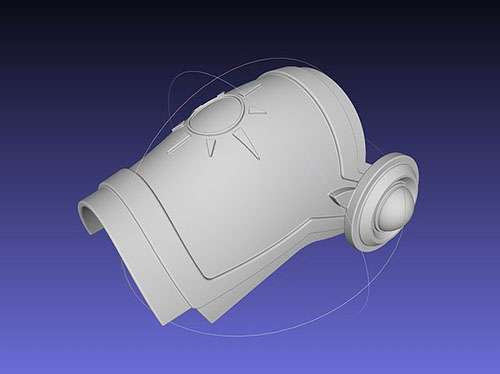
Strictly implementing the constraint for zinc die casting design.
| Design Factor | Recommendation |
|---|---|
| Wall Thickness | Keep uniform |
| Draft Angle | 1°–3° |
| Fillet Radius | ≥0.5 mm |
| Rib Design | Use ribs instead of thick walls |
| Boss Design | Avoid heavy mass concentration |
| Gate Location | Near thicker sections |
FAQ
What causes warping in zinc die casting?
Warping is usually caused by uneven cooling, residual stress, poor mold design, or excessive ejection force.
How can shrinkage defects be reduced?
Shrinkage can be minimized through optimized gate design, sufficient holding pressure, uniform cooling, and proper alloy selection.
Does hot chamber die casting reduce shrinkage?
Yes. Hot chamber die casting provides stable metal temperature and fast cycle times, helping improve dimensional consistenc