
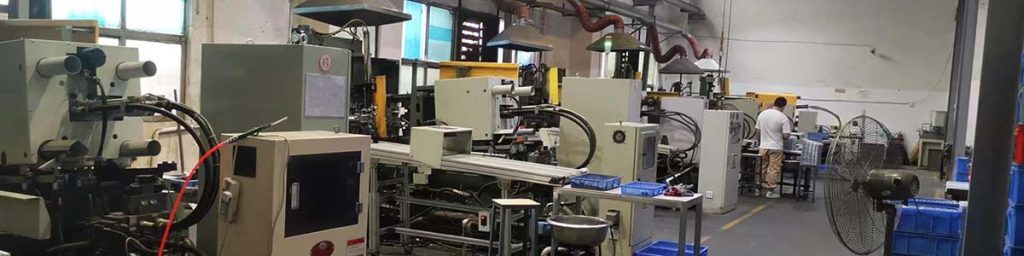
In modern manufacturing, the demand for intricate, high-precision components continues to rise across industries such as automotive, electronics, telecommunications, and consumer products. Among the various metal forming technologies available, customized zinc die casting stands out as one of the most efficient and reliable methods for producing complex shapes with tight tolerances and excellent surface quality.
Zinc alloys, particularly Zamak and ZA series, offer unique advantages in fluidity, strength, and dimensional stability, making them highly suitable for manufacturing geometrically complex parts. This article explores how customized zinc die casting enables the creation of complex shapes, the design considerations involved, and expert recommendations to optimize results.
Zinc Die Casting Excels at Complex Shapes
1. Superior Fluidity and Castability
One of the most important characteristics of zinc alloys is their excellent fluidity. This allows molten zinc to flow easily into intricate mold cavities, filling thin walls, sharp corners, and fine details without defects.
2. High Strength and Ductility
Compared to other die casting materials, zinc offers an excellent balance between strength and ductility. This allows complex parts to maintain structural integrity even with thin sections and intricate geometries.
3. Flexible 3d Model Design
4. High Precision Cast Steel Die Manufacturing
5. Advanced Techniques for Complex Geometry
Multi-Slide Die Casting
Insert Molding
Thin-Wall Engineering
Applications of Complex Zinc Die Cast Components
1. Automotive Industry
- Door lock mechanisms
- Fuel system components
- Structural brackets
2. Electronics and Telecommunications
- Connector housings
- Shielding enclosures
- Heat sinks
3. Consumer Products
- Decorative hardware
- Appliance components
- Precision mechanical parts
4. Industrial Equipment
- Gear housings
- Valve components
- Actuator parts