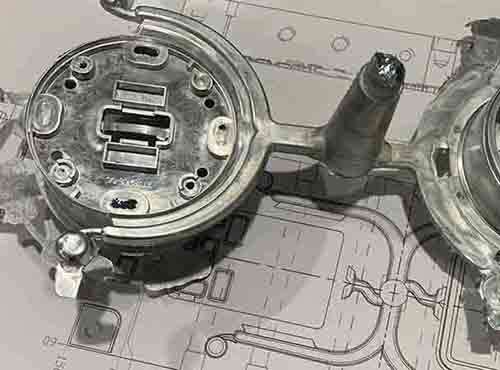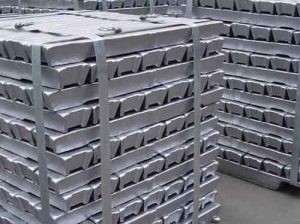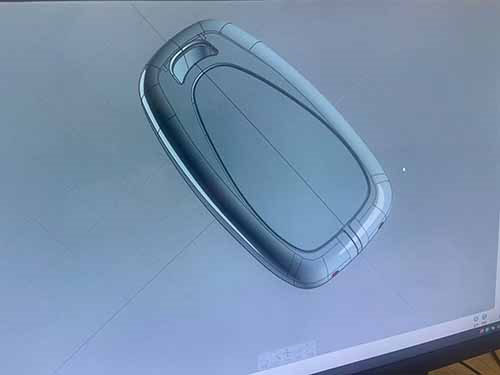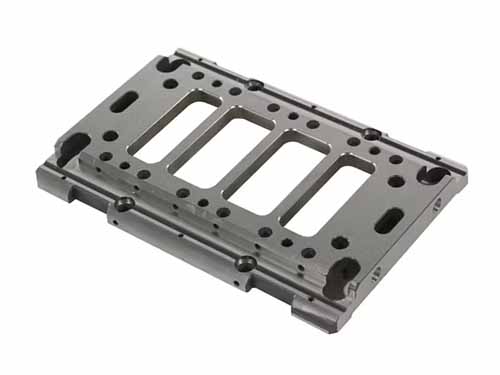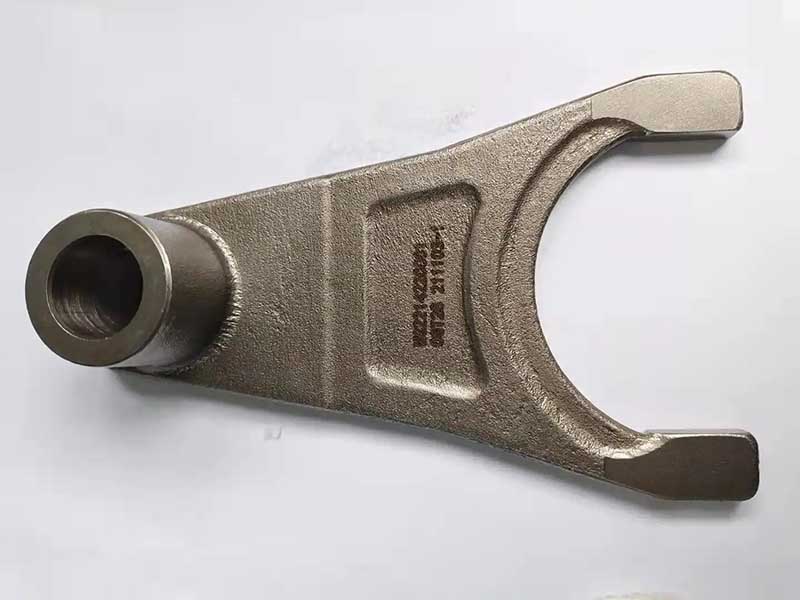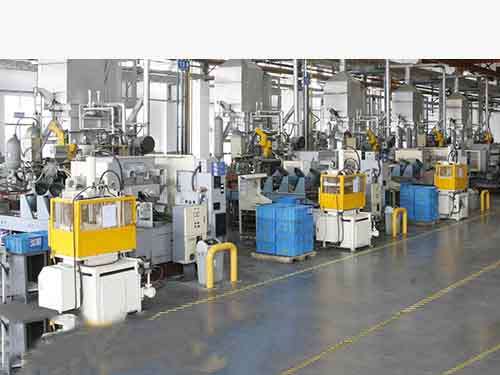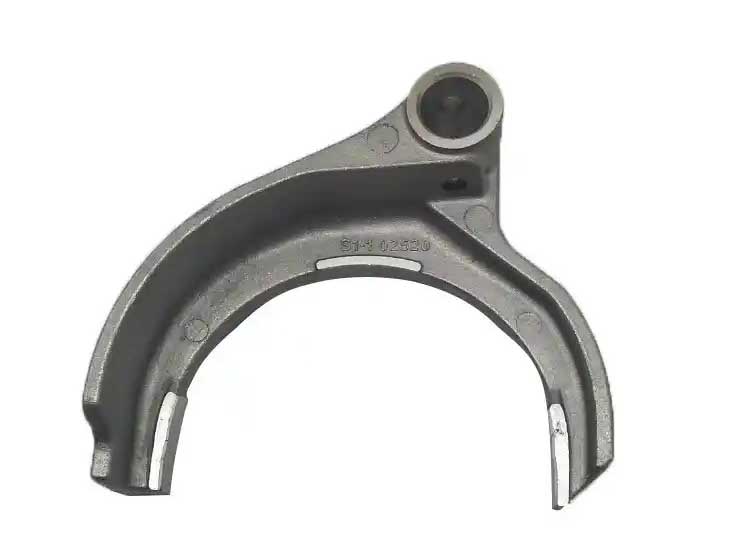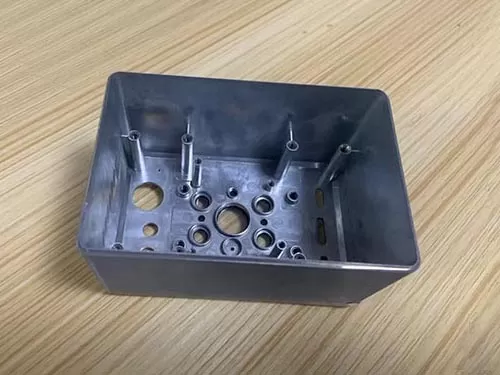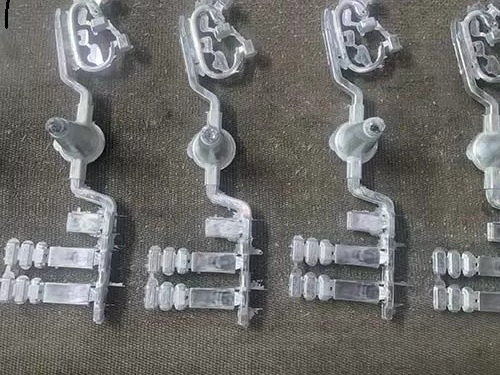
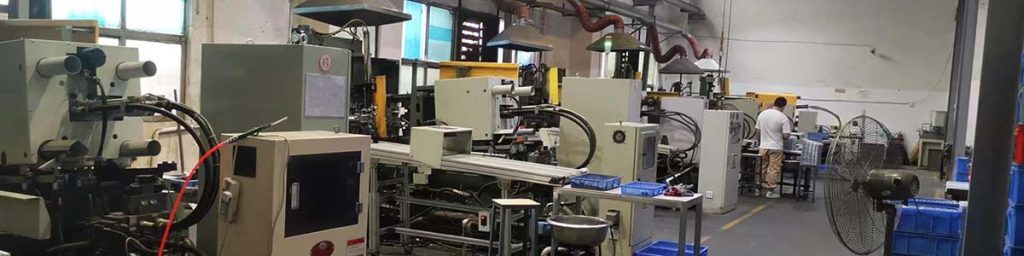
Hot chamber die casting is a high-pressure manufacturing process for lower-melting-point alloys such as zinc, magnesium, lead, and tin. Through gooseneck mechanism, using the piston of hot chamber die casting machine to push the molten metal into the die and form precision cast parts in short cast cycle.
This process is particularly suitable for high-volume production of small and medium-sized zinc die cast parts because it provides fast cycle times, excellent dimensional consistency, complex thin-wall features, and competitive production costs.
From die and tooling design through mass production, proper material selection, gating, venting, cooling, and process control help minimize die wear and maintain stable part quality over long production runs.
What Is Hot Chamber Die Casting ?
Hot chamber die casting is a high-pressure die casting process in which the injection system is immersed directly in molten metal. It is primarily used for low-melting-point alloys such as zinc, magnesium, lead, and tin alloys. Compared with cold chamber die casting for high melting points metal alloy, such as aluminum, iron, copper, it offers faster production cycles, lower manufacturing costs, Accurate dimensional consistency, and higher productivity for high-volume precision components.
How Does Hot Chamber Die Casting Work ?
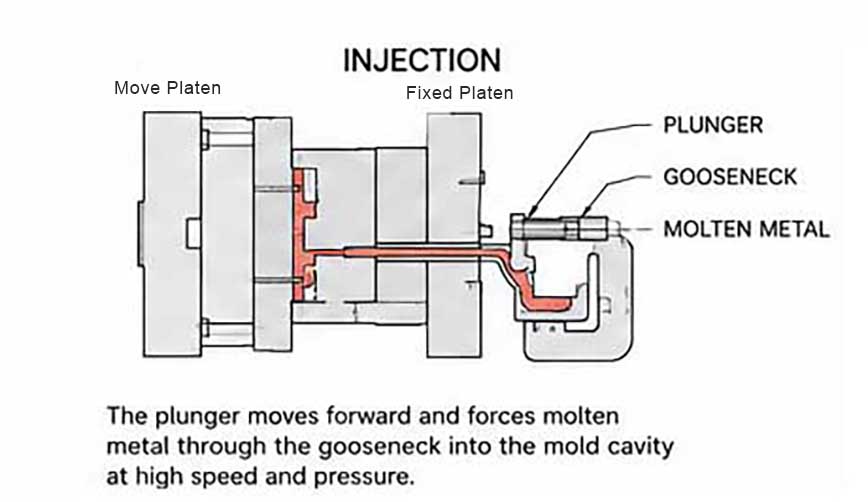
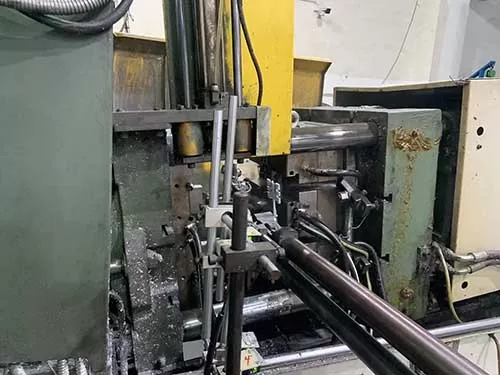
The hot chamber die casting machine has a gooseneck injection mechanism, and enables injecting the molten metal into the casting die directly and form quickly. It has the below injection components for process.
- Furnace
- Gas Accumulation
- Gooseneck
- Piston
- Nossle
- Dies
- Ejector Pins
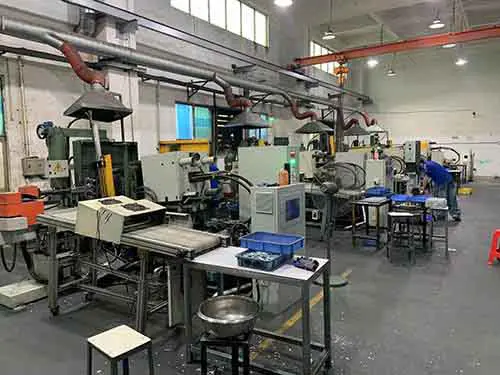
Hot Chamber Die Casting Process Steps
The hot chamber die casting process that requires advanced hot chamber die casting machines, precision-engineered H13 steel mold tooling, automated conveyor systems, robotic handling equipment, and sophisticated process control. These integrated technologies ensure consistent production of high-quality zinc die cast components with excellent dimensional accuracy, smooth surface finishes, and repeatable mechanical properties. Hereby the hot chamber die casting process steps .
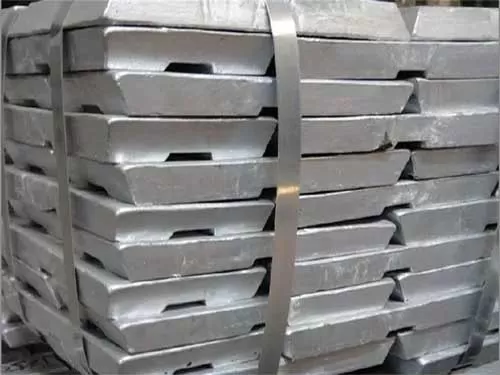
Selection Of Zinc Alloy
Engineers select the most suitable zinc alloy for a precision die casting project based on the functional requirements, mechanical properties, and service environment of the cast parts. Among the available zinc alloys, Zamak 3, Zamak 5, and ZA-8 are the most commonly used materials. Each alloy offers distinct advantages in terms of strength, fluidity, dimensional stability, wear resistance, and corrosion performance, allowing engineers to choose the best material for the specific application.
Melting the Zinc Alloy And Die Preparation
The zinc alloy is melted in the integrated furnace of the hot chamber die casting machine and maintained at a stable temperature of approximately 420–430°C to ensure consistent metal fluidity during production. During the melting process, impurities and dross rise to the surface of the molten metal and are removed regularly to maintain alloy purity and prevent oxide contamination from entering the die cavity. Operators also skim the oxide layer continuously to minimize oxidation and ensure stable casting quality.
Meanwhile, the precision tool steel die is thoroughly cleaned, inspected, and sprayed with a suitable die release agent to facilitate smooth part ejection, reduce die wear, and improve the surface finish of the castings. After proper alignment, the two die halves are securely closed and clamped, preparing the mold for the high-pressure injection of molten zinc alloy.
Injection of Molten Metal
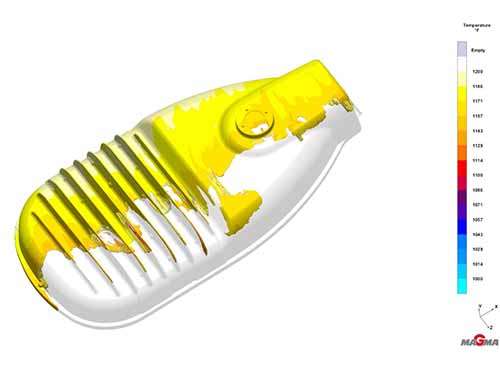
The gooseneck mechanism draws molten zinc alloy directly from the integrated furnace and injects it into the die cavity under high pressure and high speed. Thanks to the excellent fluidity of zinc alloys, the molten metal rapidly fills even complex and thin-walled die cavities within a few seconds, producing precision castings with excellent dimensional accuracy and surface finish.
A properly designed gating system is essential for thin-walled zinc die castings. Optimized gate size, runner layout, and overflow design ensure smooth metal flow, minimize turbulence, and prevent casting defects such as misruns, cold shuts, air entrapment, and excessive flash during the hot chamber die casting process.
Cooling and Solidification
After the die cavity is completely filled, the molten zinc alloy rapidly cools and solidifies under high pressure. The relatively low melting temperature of zinc alloys (approximately 420–430°C) enables short cooling cycles, significantly reducing production time while increasing manufacturing efficiency and productivity.
Uniform cooling throughout the die cavity is essential to achieve consistent solidification, minimize internal stresses, and maintain dimensional accuracy. Proper cooling channel design and temperature control help addressing casting defects control such as cold shuts, warpage, shrinkage, and distortion, resulting in high-quality precision zinc die cast parts with excellent mechanical properties and surface finish.
Die Opening and Part Ejection
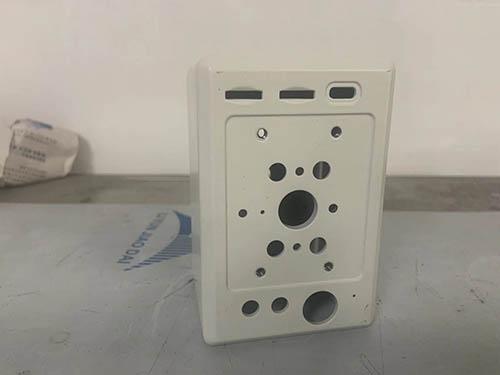
Once the casting has completely solidified, the die opens and ejector pins push the finished component out of the die cavity. In high-volume production, automated handling systems or robotic arms are commonly used to remove the castings and transfer them to the trimming and finishing stations, improving production efficiency and reducing manual handling.
To prevent the casting from sticking to the die surface, a suitable die release agent is automatically sprayed onto the die cavity after each casting cycle. Proper application of the release agent helps facilitate smooth part ejection, extends die life, and maintains a high-quality surface finish. In addition, the ejector pin force and draft angle must be carefully designed and adjusted to prevent part deformation, scratches, or cracking during the ejection process.
Zinc Alloy Suitability
These alloys all have relatively low melting points, typically below 430°C, allowing them to melt with lower energy consumption than higher-temperature casting alloys. Each alloy also possesses unique mechanical and physical properties that make it suitable for specific functional requirements and application environments.
| Metal Alloy Items | Material Examples | Characters | Applications |
|---|---|---|---|
| Zinc Alloys | Zamak 2, 3, Zamak 5 ZA-8 | Excellent dimensional stability, High ductility & impact resistance and easy to cast | Automotive parts, hardware, electronics |
| Magnesium Alloys | AZ91D, AM60B, AE44 | Extremely lightweight (~35% lighter than aluminum), Good stiffness & damping properties and excellent machinability | Aerospace, electronics, automotive |
| Lead Alloys | Lead | Very low melting point, high density, and soft, easy to cast | Battery terminals, radiation shielding |
| Tin Alloys | Tin | Very lowe melting point, under 200 degree, | Battery terminals, radiation shielding |
Advantage Of Hot Chamber Die Casting Service
Hot chamber die casting creates flexible geometries die cast parts with highly dimensional acurracy stability under high pressure at low melting temperature. The tooling works at lower temperature and extend tooling life and finish more shots production task.
- Flexible Gemetries design
- Thin-walled precision cast parts
- Consistent high quality cast parts ouput
- Extendation of tooling life
- Reduced waste
- Highly dimensional accuracy
- Fast Prdouction Cycle
Hot Chamber Vs Cold Chamber Die Casting
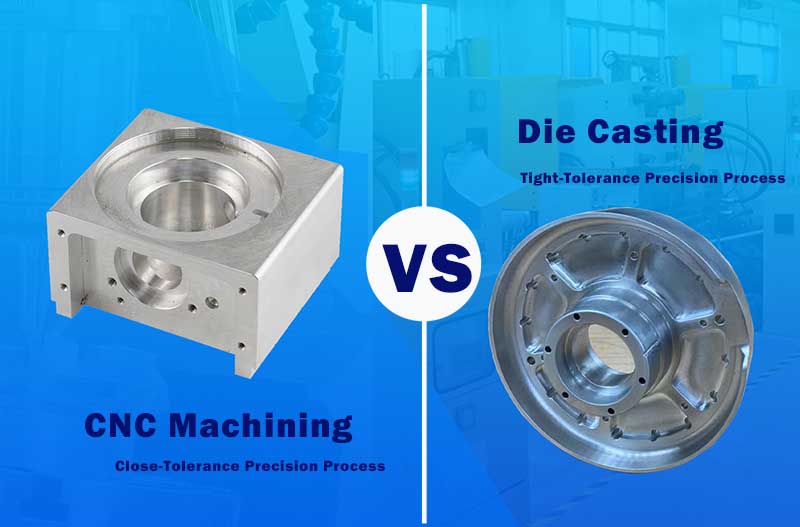
Hot chamber and cold chamber die casting are two main high-pressure die casting processes. The key difference lies in where the molten metal is melted and how it is injected into the preheated steel die. These differences directly affect cycle time, cooling and solidification behavior, and ultimately the quality of precision cast parts. Hot chamber vs cold chamber die casting
| Feature | Hot Chamber die casting | Cold Chamber die casting |
|---|---|---|
| Metal melting location | Inside machine | External furnace |
| Injection system contact | Constant immersion | No contact |
| Best metals | Zinc, magnesium | Aluminum, copper, brass |
| Cycle speed | Very fast | Slower |
| Automation level | High | Medium–high |
| Equipment wear | Lower (for zinc) | Higher mechanical stress |
| Cost per part | Lower (high volume) | Higher but more flexible |
The obviously distinct between hot chamber and cold chamber die casting is different process cost.
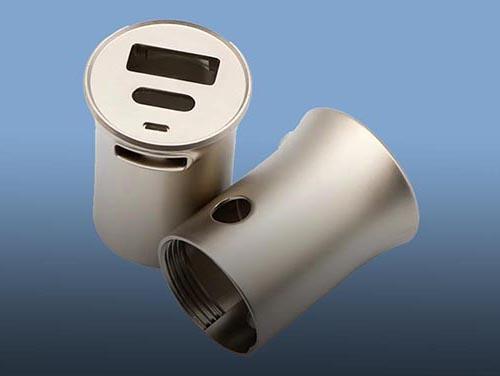
Common Defects in Zinc Die Casting
The precison die casting manufacturer enables high precision cast parts with excellent surface finish and tight-tolerance dimensional stability. But in the comlex die casting process, several casting defects occurred due to intricate mold structure design, high pressure injection and rapid cooling and selection to material. Common defects in zinc die casting as the below.
- Porosity: Small avoids and bubbles inside or on the surface.
- Cold Shut: Visible flow line and weak joint becuse two metal flows fail to fuse.
- Flash: Excess flash on the parting line of surface of cast part.
- Misrun: flaw cast part because incomplete filling metal flow in the die.
- Flow Mark: Uneven or wavy surface appearance on cast parts.
- Stick Die: Beyond melting temperature or impurified zinc alloy.
The common defects in zinc die casting impact directly die casting quality and production rate at mass production, engineers reduce defects in die casting by optimizing mold structure, adjusting die casting operation prameter and selection of proper material.
Hot Chamber Die Casting Applications
Hot chamber die casting is widely used for manufacturing high-precision zinc alloy components on scale. The process offers excellent dimensional accuracy, smooth surface finishes, fast production cycles, and cost-effective mass production, making it suitable for a wide range of industries.
- Automotive Industry: interior and exterior components, safety belt buckets, Mirror housings, sensor housings and brake blocks.
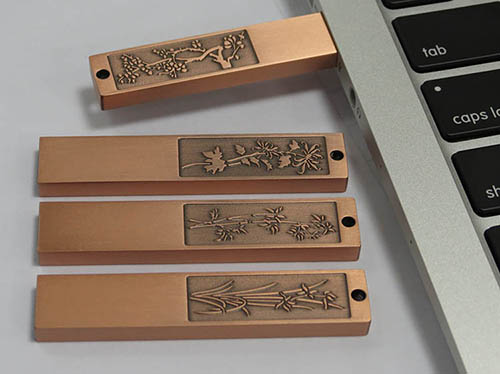
- Consumer Electronics: Bluetooth earphone enclosures, usb flash drive disk housings, notebook support frame.
- Furniture Hardware: hinge, handles and hardware structural components.
- Communication Equipment And 5G & IoT : Zinc die casting components for communication equipment, like IEM shielding housings, RF housings and connectors ,antenna.
- Industrial Equipment: Machine components, Control system housings, Instrument enclosures, Mechanical connectors and Precision industrial fittings.
- Medical and Precision Components: Diagnostic equipment housings, Medical device components, Precision instrument parts and Laboratory equipment hardware
Hot chamber die casting is widely used in automotive, electronics, communication, industrial, hardware, electrical, and medical industries. Its ability to produce high-precision zinc alloy components with complex geometries, superior surface finishes, and cost-effective mass production makes it one of the most efficient manufacturing processes for large-volume production.
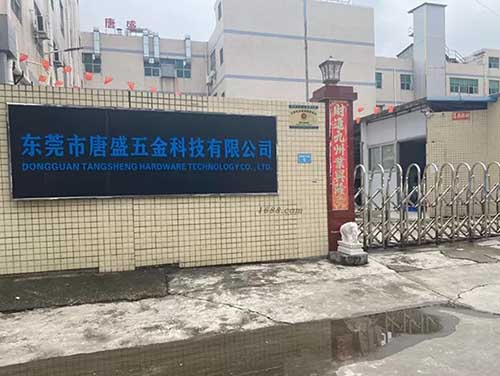
Zinc Hot Chamber Die Casting Manufacturer
Ts die casting technology has over 15 years of experience in metal die casting development and high-volume production, comprehensive engineering support from product design and tooling development to mass manufacturing. Our experienced engineering team, advanced hot chamber die casting machines, precision spectrometers, quality inspection equipment, and skilled machine operators ensure that every project is completed efficiently and consistently.
Conclusion
Hot chamber die casting stands as cornerstone of modern manufacturing, and excel in versatile small & medium sized high precision cast components at lower manufacturign cost. Which due to its lower energy consumption and lower tooling wear and longer tooling life, and more qualified parts before the tooling is replaced, and achieve more competitve unit price, especially in high-volume zinc die casting production.
FQA
What metals are suitable for hot chamber die casting?
Zinc, magnesium, lead, and tin alloys are commonly used because of their low melting temperatures.
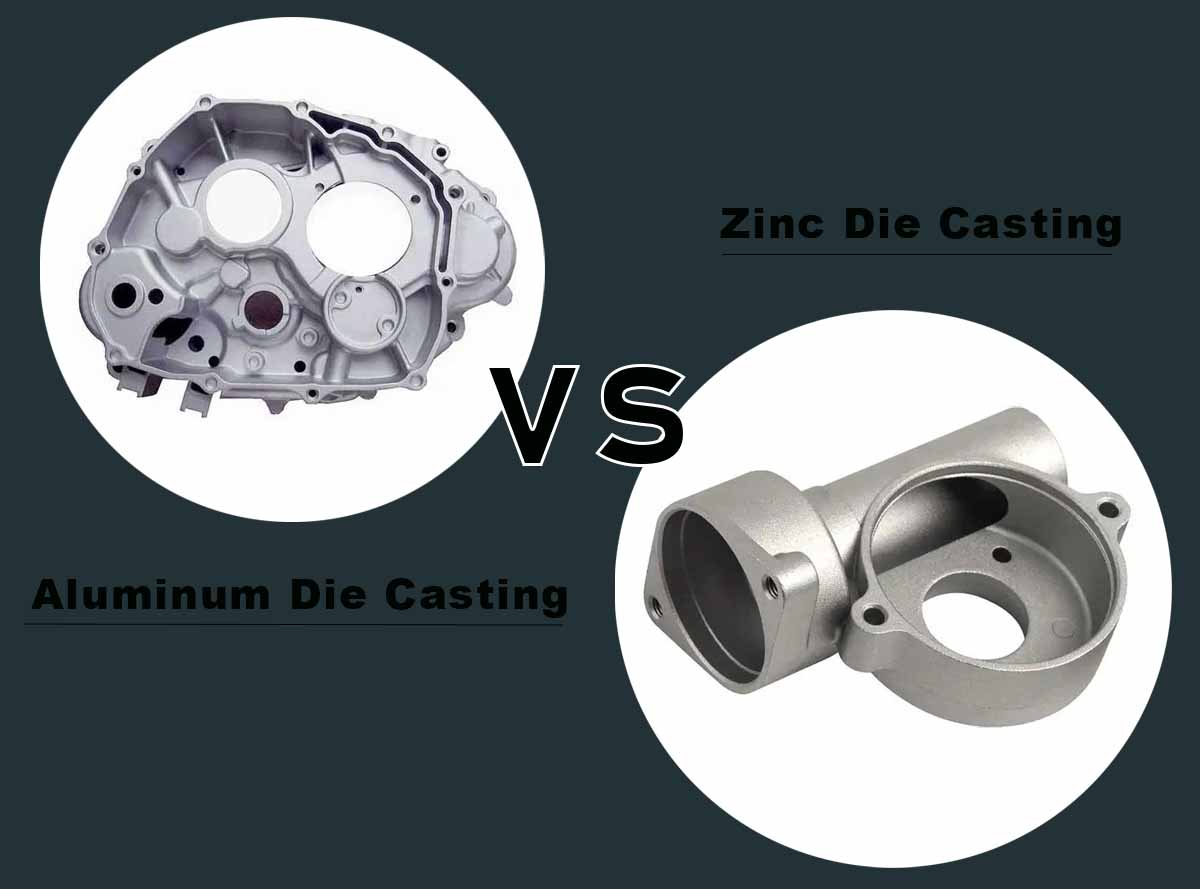
Why is hot chamber die casting cheaper than aluminum die casting?
The process uses lower melting temperatures, shorter cycle times, and lower energy consumption, maintain mass production efficiency output at high volume, with less defects.
What is the cycle time of hot chamber die casting?
Typically 2–15 seconds depending on part size and alloy.
What is the tooling life of zinc die casting molds?
Generally 500,000 to over 1,000,000 shots with proper maintenance.