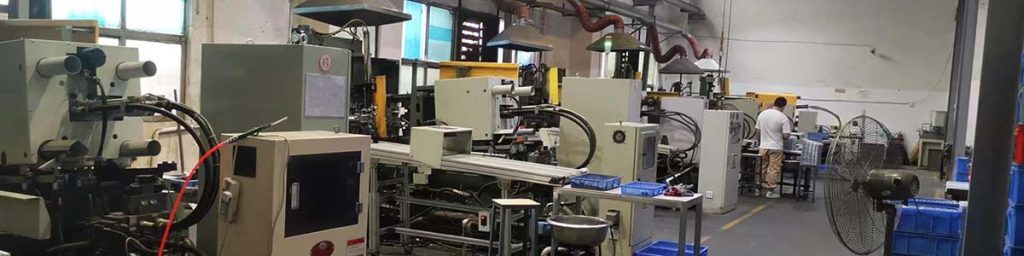
Zinc die casting in automotive industry is crucial . It provides high precision, durable, intricate, and cost-effective metal components. These metal components meet more cars and vehicles’ greater fuel efficiency and high performance. This leads to zinc die casting parts become indispensable assemblies in automotive industry market. Rely on their unique blend of strength, formability,low cost and precision in manufacturing complex parts, they can be responsable for some specific mechanical parts and electric components in automotive sectors. For automotive manufacturers, zinc die casting is ideal solution for producing intricate, high-quality components at low cost. In this article, we’ll explore zinc die casting in automotive industry from applications and benefits in detail.
Why Zinc Die Casting Is Used In Automotive Manufacturing
Zinc alloys exhibit excellent mechanical and casting properties that make them widely used in automotive die casting applications. Compared with other engineering metals, zinc provides a unique combination of high dimensional accuracy, superior impact strength, and excellent surface finish quality at low cost.
Zinc die casting advantages show the below key points
Mold Design And Production Flexibility
Employing Zinc die casting prototyping design validication and FAI strategy, well-engineered mold design and die casting processes allow suppliers to easily modify product structures during development stages, supporting faster prototyping, design optimization, and mass production quality stability. Especially some personalized design automotive components, such as door handles, seat belt buckets and interior car accessories.
High Strength-To-Weight Ratio
Zinc alloys allow casting enables high precision intricate geometries parts with steady dimensional accuracy at low cost . These automotive zinc die casting components, which replace some rusted steel parts and decrease the weight of overall weight of vehicle, and enhance car fuel efficiency and electric vehicles performance.
Dimensional Accuracy
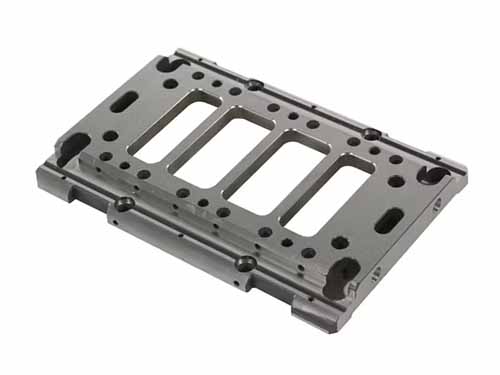
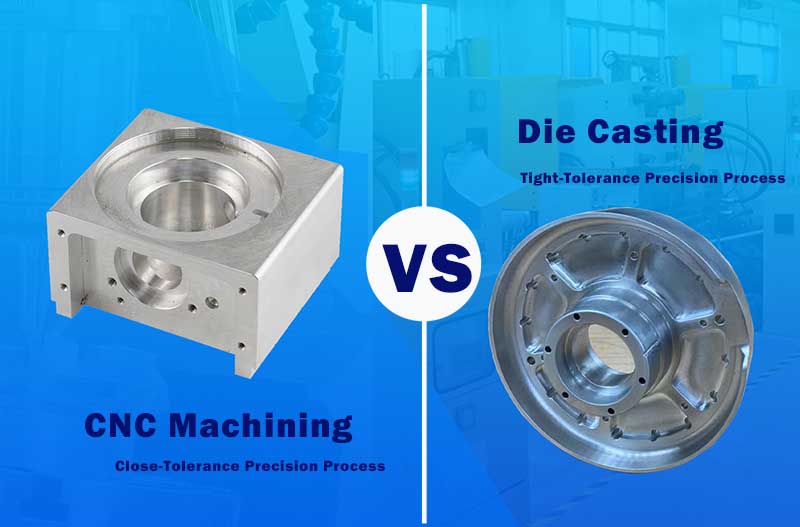
Zinc die casting produces precision components with tight tolerances due to the designed high precision steel cast die and zinc metal excellent fluidity. They have high accuracy dimensions and smooth surface finish. This reduces the need for secondary machining and ensures consistency across mass production. Sometimes, some high precision zinc cast parts in automotive sector should be processed by cnc machine center so that ensuring that these parts can be suitable for vehicle assembly. Typical dimensional tolorance range is from 0.01mm to 0.05mm, thin-wall thickness range of 0.5mm.
Low Cost High Effective Large Volue Mass Production
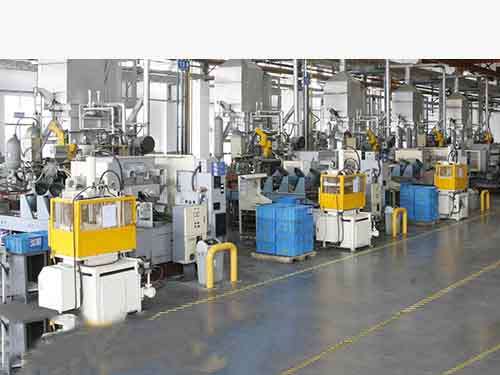
Zinc die casting process works at lower melting temperature, these miniature precision zinc alloy cast parts can be form at fast casting cycle, with less shrinkage. Less heat energy consumption, minimal zinc scrap control, stable tight-tolerance dimension and fine surface detail lead to low cost high effective large volume mass prodcution.
Long tool life and lower tooling maintenance cost
Tooling always runs at lower temperature, the tooling wear is reduced accordingly, the steel stress can be stablized for longer time. The cast die has a long life, the remaintenace and repair cost is disclinde, Using the tool to produce more qualified cast parts.
Superior surface finish for plating and coating
Good Fluidity and ductility of zinc alloys makes high effective mass production of zinc alloy die casting parts with superior surface finish. Minimizing secondary operation cost, allows versatility plating and coating due to zinc adhesion striking for plating and coating. Such as Car key fob housings, switch adjustment buttons.
Cost-Effectiveness
Zinc die casting is highly economical, especially for high-volume production runs. It can process complex shapes and intricate internal structural parts in high volume mass production, reduces assembly costs and improves overall manufacturing efficiency. And achieve a high volume production in shorter time.
Over all, zinc die casting in automotive industry used widely due to cost-effective raw material, high strength-to-weight ratio, design and production flexibility, durability and creation of dimensional precision and allowance of versatility plating and coating treatments.

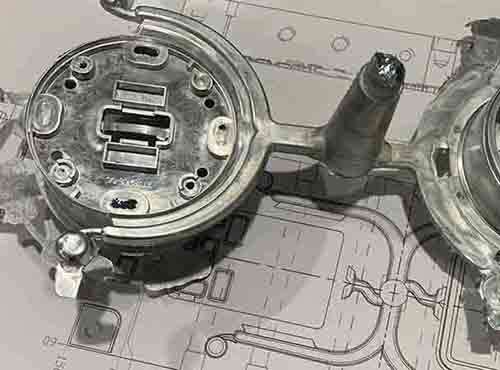
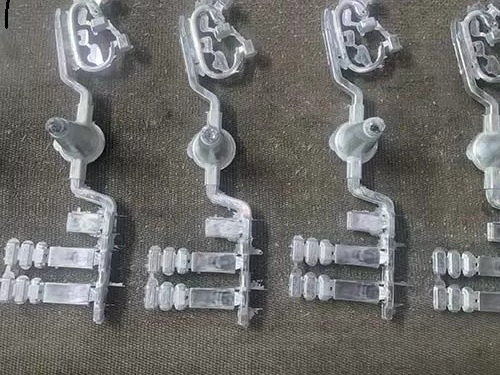
Miniature Automotive Comonent
Custom Automotive Zinc Die Casting Supplier Offer One-Stop Service? Please send your CAD file to us, gain a fast quote !
Zinc Die Casting Applications In Automotive Industry
Zinc die casting has been widely applied in the automotive industry because zinc’s superior casting fluidity, strength, and stiffness permits the design of thin wall sections for reduced weight and material cost savings.
In modern vehicles, zinc die casting is commonly used for precision automotive components such as electric module housings, seat belt buckles, interior and exterior trim components, locking mechanisms, sensor brackets, connectors, and transmission system auxiliary parts. Different zinc alloys have different metal hardness, stiffness and metal fluidity properties, and made into different applications automotive components.
For Automotive Interior and Exterior
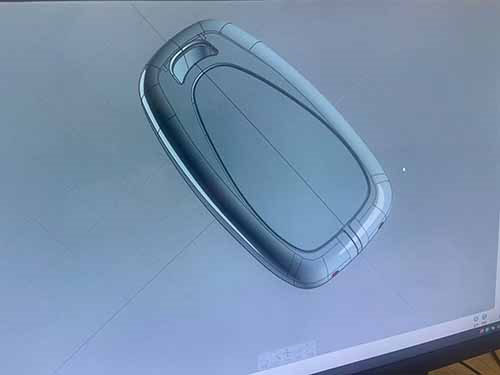
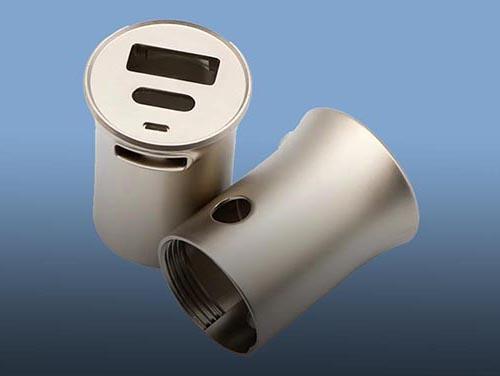
Zamak 3 is suitable for thin-walled and complex geometries and miniature precision parts ,such as car charge display panels, Car key fob housing and some indoor decorative goods.
Zamak 5 is ready for highly wear resistance, tight-tolerance dimension and high strength precision parts, such as .
ZA- 8 has tiny nickel, and enhancement of corrosion resistance, meanwhile maintains good dimensional stability and casting precision, allowing conforming with complex structrual designs while ensuring reliable long-term mechanical performance.and used for seatbelt buckets, locking mechanism, anatenna brackets and emblems, car door handles and mirron review brackets.
Power steering systems
Considering of long term and safety applications in power steering system in automotive industry, engineers should select high wear resistance, corrosion resistance and good stiffness ZA series to responsible for long term and safety usage. ZA-8 is the best choice for balancing between dimensional accuracy, hardness, corrosion resistance and stiffness.
Transmmision And Gearbox Components
ZA-12 provides a useful balance between mechanical performance and manufacturability, Its strength and hardness are between those of ZA-8 and ZA-27, while its excellent bearing properties make it suitable for automotive components subject to repeated movement, friction or mechanical loading. Such as Automotive brackets and mounting components, Hinges and pivot components and Mechanical control components.
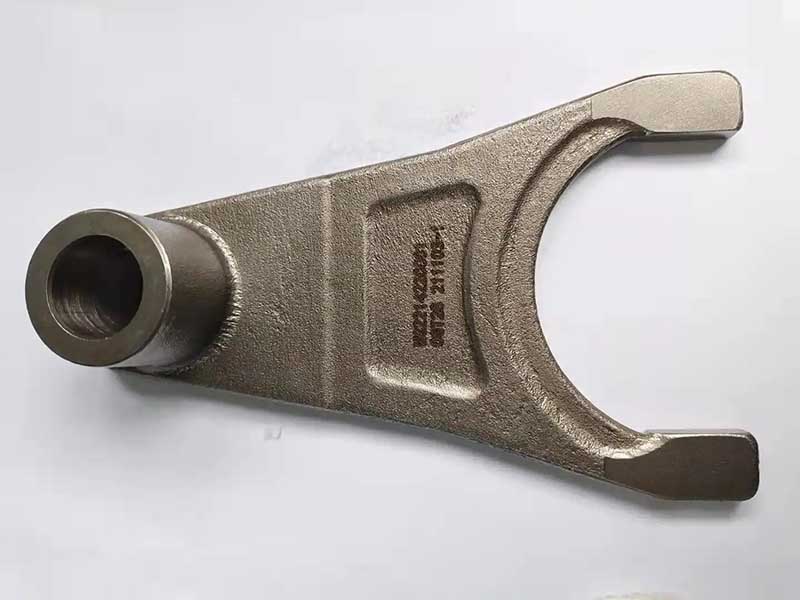
ZA-27 has best tensile strength, because high aluminum content, supporting medium sized bear-loading structural parts, but only casting some precision transmmision components, and has greater strength, hardness, wear resistance and bearing performance. Like sliding bearing slevees, sliding forks and fixed brackets.
Brake parts and systems
For brake parts for automotive, high wear resistance, require more friction power, high hardness zinc alloy can be more durable. High copper content can endure long time wear, like brack block can be cast with ZA-12 zinc-aluminum alloy.
Sensor Housings And Electric Module EIM Shielding Housings
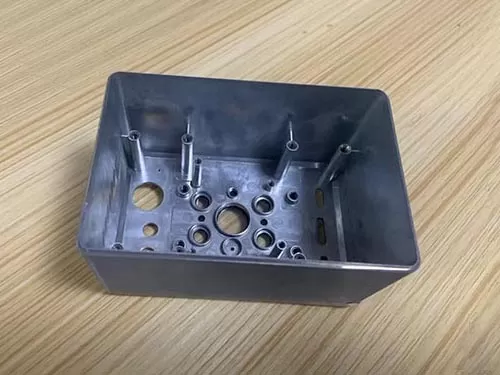
Zamak 5 is suitable for complex housings with integrated mounting points, sealing surfaces, connector interfaces and shielding features. and high strength, wear-resistance and anti-aging, offers EIM shielding function, and ensure sensor and electric module work smoothly.
Electric Vehicles need to maximize energy efficiency to light the oeverall weight of vehicle, More zinc alloy components, which replace some more heavier iron weighter. Automotive manufacturers choose ZA-8 and ZA-12 die casting components which are high precision and high strength and wear resistance, completely replaces some rust iron and steel brackets and frames.
Zin die casting can be considered to make some automotive components due to its high precision, cost-efficiency and durability. But it is only some miniature precision parts applied at normal temperature. From long term application, Zinc die casting component is far poor than aluminum die casting one.
Automotive Zinc Die Casting Manufacturer Offers Production Study Cases
TS Casting Technology specializes in custom zinc die casting services for automotive and industrial applications. With more than a decade of experience in precision zinc alloy and aluminum die casting, The precision zinc die casting company provides end-to-end manufacturing services, including DFM analysis, mold design, die casting, CNC machining, surface finishing, assembly, and quality inspection. Our engineering team has successfully delivered precision die-cast components for leading automotive manufacturers such as Honda and global communication technology companies including Samsung, meeting demanding requirements for dimensional accuracy, surface quality, and high-volume production.
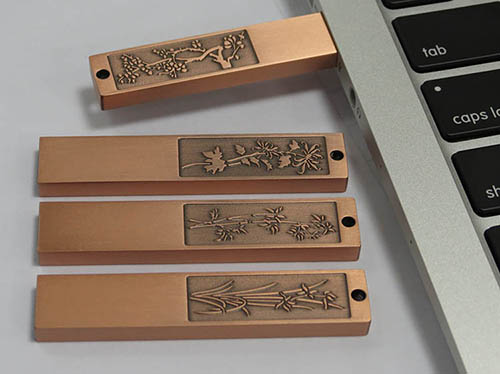
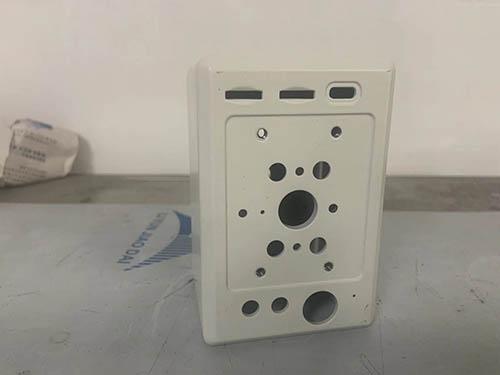
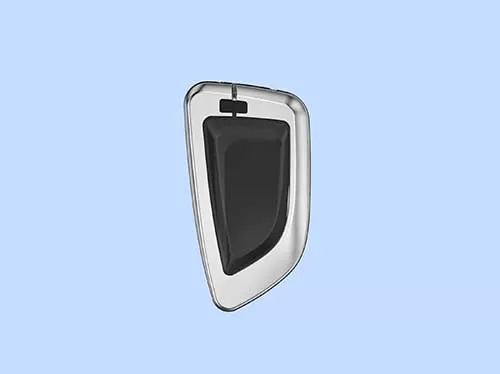
Engineers select Zamak 3 to cast the miniature zinc die casting part with thin-walled and tight-tolerance dimension at lower cost. It can protect and decorate your lovely remote control car key well, look lustra and luxury stylish.
Automotive Zinc Die Casting Parts
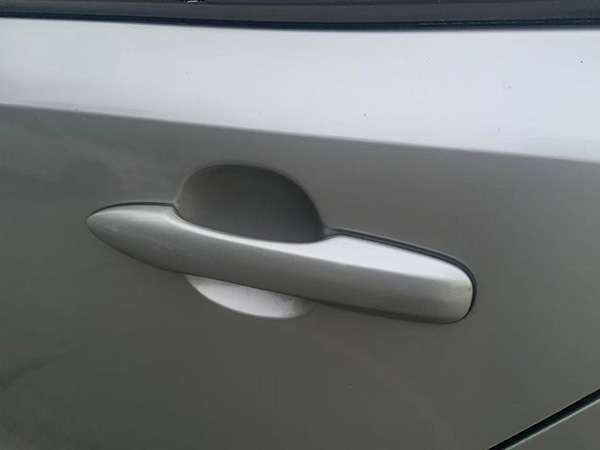
Zamak 5 alloy precision cast automotive components are often exposed to prolonged sunlight, rain, humidity, and other harsh environmental conditions, requiring excellent corrosion resistance to ensure long-term durability. In addition, components such as door handles must provide high wear resistance to withstand frequent human contact and repeated gripping forces during daily use.
Automotive Transmmision Components
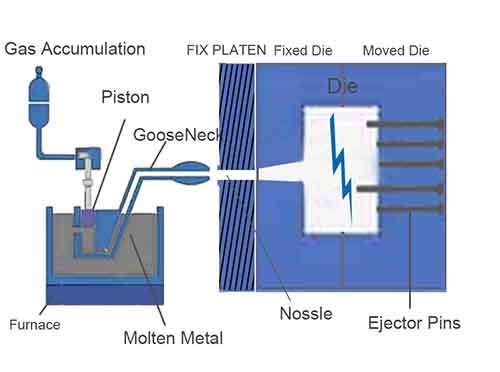
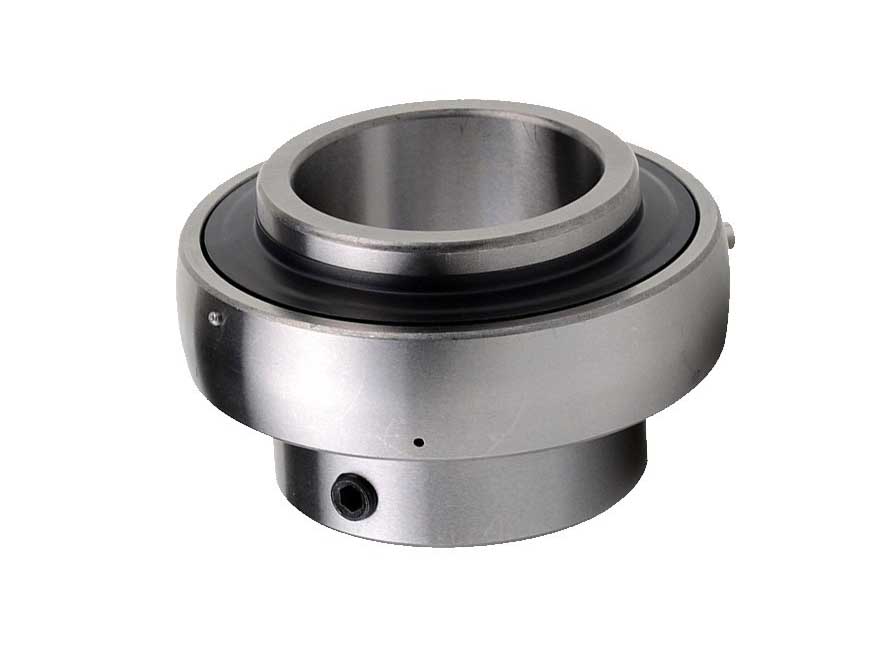
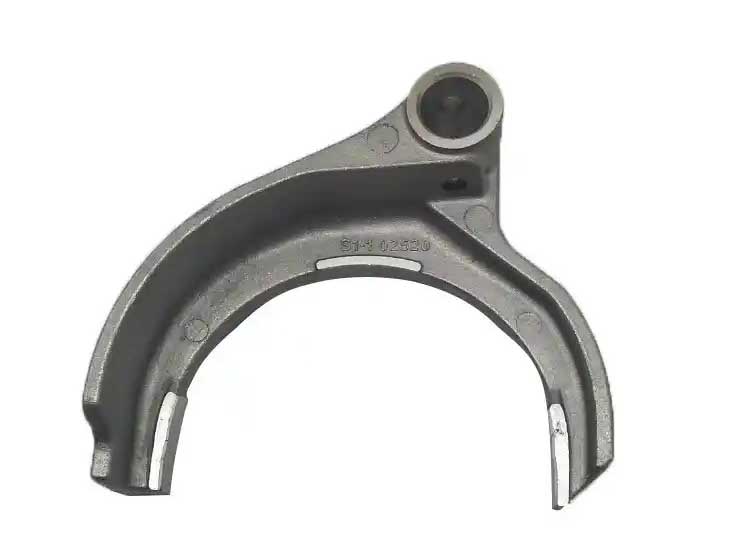
The precision zinc die casting component has enough higher strength, hardness, strong corrosion resistance and bear-loading compresion, and require cold chamber die casting and ensure high quality output. Under high pressure, injecting ZA-12 zinc-aluminum alloy into the precision steel tooling and formed.
Automotive Zinc Die Casting Design Constraint
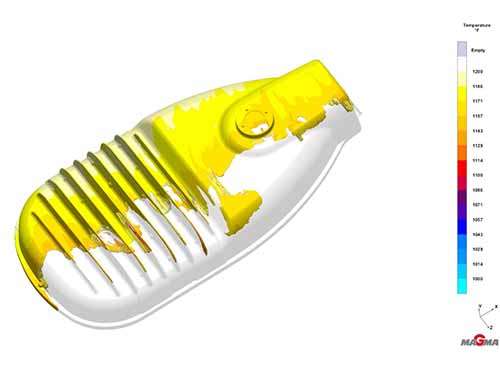
Same as common zinc die casting, Before custom automotive zinc die casting project is proceeding, engineers review CAD file from customer, arrange DFM analysis, correctly treat mold design flaw issures, such as part function review, wall thickness, draft angles, Fillet and Corner design, Rib and Boss Design, tolerance and secondary operation planing and trial assemblies. Following zinc die casting design guide, through Advanced Mold flow simulation software, predict defects in die casting, and improve and optimize mold structure design. Like mold flow filling, thin-wall flow filling, parting line, gating location, venting channel and cooling system, fillet and corner design, ejector mark and air entrapped, minimzing porosity shrinkage, cold shut, crack, misruner, flow mark and thin flash.
Considering of further premium surface finishing treatments,which include of chrome-plating, nickel-plating, electrophoresis and powder-coating, only anodizing is application limited. Automotive zinc die casting parts should be durable, high corrosion resistance and wear resistance. And allow them coating bright glossy metal so that prolong their life time and more attractive and aesthetics. But avoid precision zinc die casting parts are used in thermal environements, zinc alloy may be generate internangular corrosion at both high temperature and frozen environments. Strong acid and salt environment, zinc cast part is not suitable available.
Zinc Vs Aluminum Die Casting In Automotive Industry
Zinc and aluminum die castings are two of the most widely used metal casting solutions in modern industrial manufacturing.
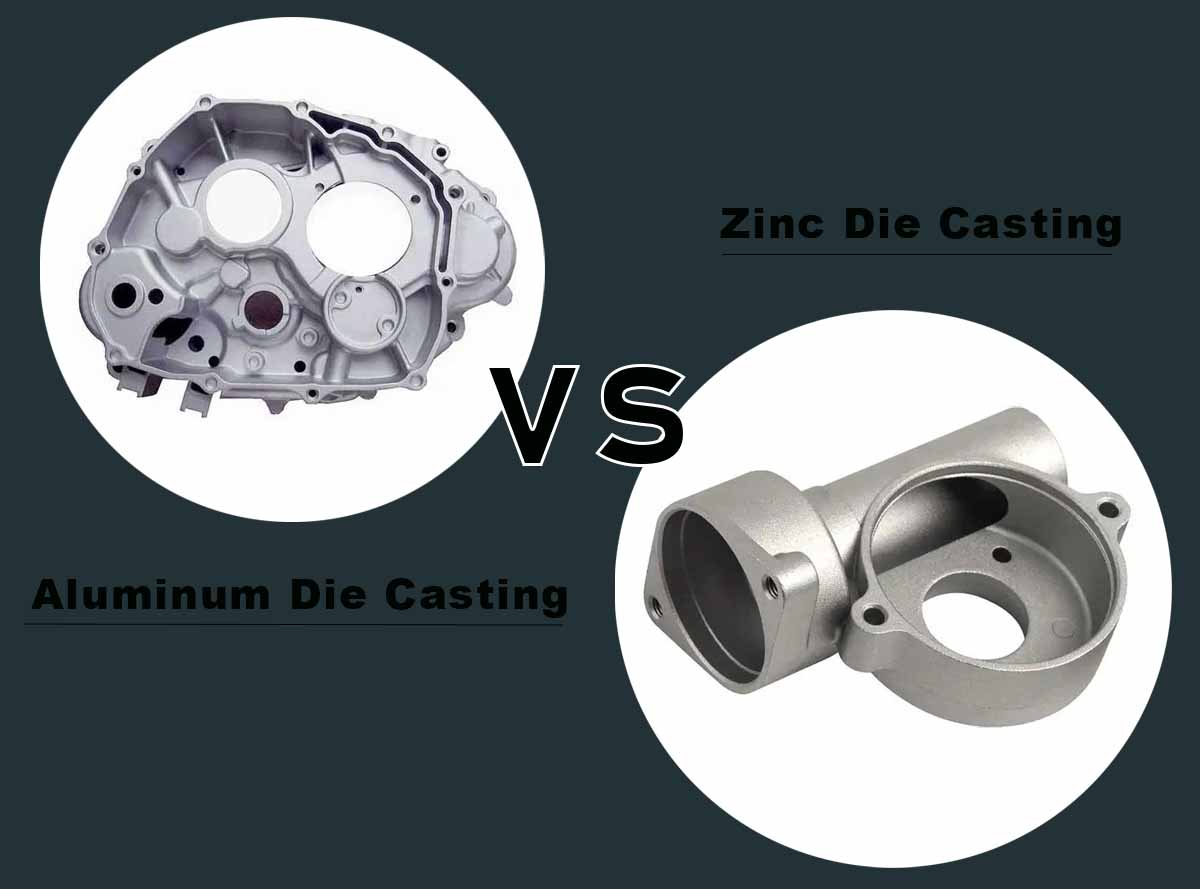
Zinc die casting excels at producing small-sized, thin-walled sections, high-precision metal components that require tight-tolerances dimension, excellent surface detail, good stiffness and consistent quality mass production. This alloy die casting parts is commonly seen in communication, automotive, consumer electronics and EMI shielding housings. Zinc and ZA series require lower melting temperature and lower pressure, comparison to magnesium and aluminum alloys. The die is significantly longer and maintain relatively minimal tooling maintenance.
Whereas Aluminum die casting is favor of lightweight large precision cast parts, which higher strength, strong corrosion resitance, good mechanical process properties and excellent heat dissipation makes them meet these requirements of consumer electronic, led lighting housing, automotive transmmision housings, engine cases. These near net-shaped large die casting aluminum may be generate rough surface detail, and require precision cnc maching to achieve close-tolorance range from 0.001mm to 0.005mm.
Conclusion
Zinc die casting in automotive industry has become an indispensable. Since it offers numerious advantages such as precision, strength, and cost-effectiveness. With trends like lightweighting, electric vehicle production, and sustainability shaping the future of automotive manufacturing, zinc die casting will play an even larger role. Manufacturers who embrace the latest advancements in die casting technology, automation. Sustainable practices will be well-positioned to meet Automotive Parts Zinc Die Casting Application Market and beyond.