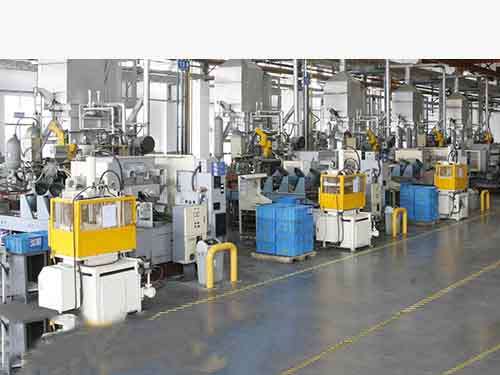
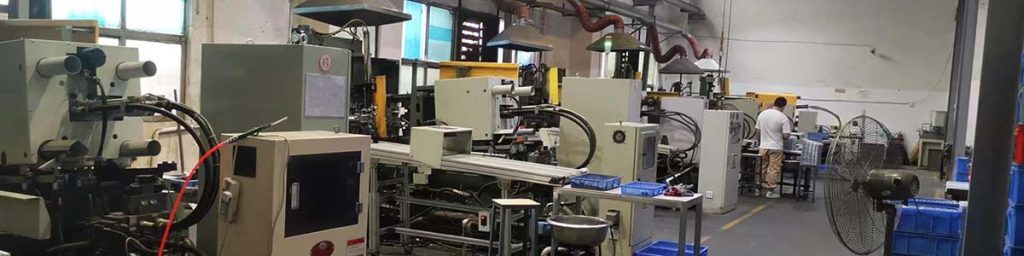
The main difference between Zamak 5 and Zamak 3 is the addition of approximately 1% copper in Zamak 5. This copper content increases Zamak’s strength and hardness, providing better wear resistance and impact performance in demanding applications compared with conventional Zamak 3.
However, the higher copper content also slightly reduces fluidity and ductility compared with Zamak 3. As a result, Zamak 3 is generally preferred for thin-wall, complex, and highly detailed zinc die castings where excellent filling capability, dimensional consistency, and ductility are important. Zamak 5 is more suitable when higher strength, hardness, wear resistance, and load-bearing performance are required.
Metal Property Difference Between Zamak 3 and Zamak 5
Zamak 3 vs Zamak 5, begins from different metal properties, The highly-purified zinc content Zamak 3 provide excellent fluidity and ductilityt is distigushed to Zamak 5, which is added copper content by 1%, increases zinc alloy hardness and stength, but limited fluidity.
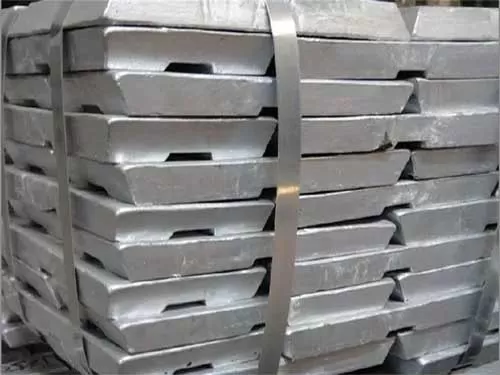
Zamak 3 Metal Properties
Zamak 3 is composed primarily of high-purity zinc with controlled additions of aluminum and magnesium, and offers excellent fluidity and ductility, dimensional stability, allow thin-walled high precision cast parts with complex geometries. Zamak 3 also supports high-volume mass production, reduced energy consumption, and consistent product quality.
Zamak 5 Metal Properties
Zamak 5 contains slightly copper, which increases tensile strength, hardness, wear resistance and bearing capability. The zinc alloy has good ductility, and require to work under proper injection pressure, and allows thiker walled zinc die casting components operation. Zamak 5 also supports high-volume production due to Zamak 5 has lower melting points and excellent thermal conductivity.
Zamak 5 is enough hard, and good castable, but Zamak 5 die casting parts should accept proper finishing treatments and their enhanced lifespan, such as chrome-plating, nickel-plating, electrophoresis and powder-coating and painting. Because Zamak 5 higher intergranular corrosion due to higher copper lead to more sensitive to intergranular corrosion and aging-related degradation.
Summarize The Comparison Table
| Property | Zamak 3 | Zamak 5 | Engineering Process |
|---|---|---|---|
| Alloy Standard | ASTM AG40A / Z33520 | ASTM AC41A / Z35530 | International Standard |
| Density | 6.6 g/cm³ | 6.6 g/cm³ | Same weight |
| Tensile Strength | 280–290 MPa | 320–340 MPa | Higher mechanical load |
| Yield Strength (0.2%) | 210 MPa | 260 MPa | More load-bearing |
| Elongation | 10–12% | 6–8% | Better ductility |
| Hardness (Brinell) | 82 HB | 91 HB | More wear resitance and impact performance |
| Elastic Modulus | 83 GPa | 86 GPa | – |
| Shear Strength | 214 MPa | 262 MPa | – |
| Fatigue Strength | Good | Better | Better Fatigue resistance |
| Creep Resistance | Good | Excellent | excellent |
| Corrosion Resistance | Excellent | Very Good | Balance alloy properties |
| Intergranular corrosion | lower | higher | both finishing treatments |
The different material properties of Zamak 3 and Zamak 5 result in distinct processing requirements, mechanical performance characteristics, and application areas. While Zamak 3 offers superior fluidity, dimensional stability, and suitable for ultr-thin walled and intricate geometries cast parts, Zamak 5 provides higher strength, hardness, and wear resistance for parts subjected to greater mechanical loads and impact forces. As a result, each alloy requires specific die casting parameters and is selected according to the functional requirements of the final product.
Application Difference Between Zamak 3 and Zamak 5
Zamak 3 vs Zamak 5, different functional die cast components are manufactured to meet specific performance requirements and are used in different applications. Though hot chamber die casting techinque, and form versatile metal die casting parts across many industries.
Applications for Zamak 3
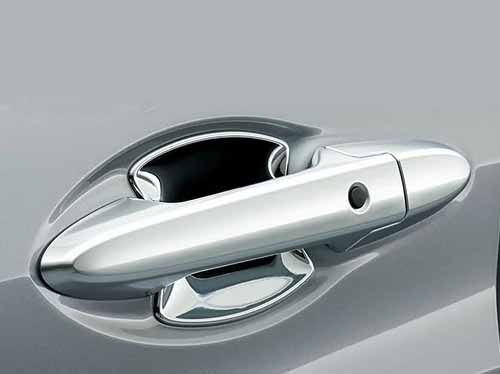
- Decorative Precision Parts: slight soft metal alloy, and polished easily, and ideal for chrome plated parts, cosmetic hardwares, furniture accessories and consumer electronic housings.
- Ultra Precision Components: Excellent metal fluidity, performs better for these ultra precision cast components. such as thin wall castings,complex geometries cast parts with tight-tolerance dimension.
- Communication Industry: Zamak 3 best metal fluidity and electrical conductivity is ideal for precision electric components for communication equipment and data tower. Like RF EMI shielding enclsoure, connector housings, antennas and precision hardwares.
- Automotive Interior: Easily achieve surface roughness level, accept versatile finishing treatements, such as Car Charger and decorative button
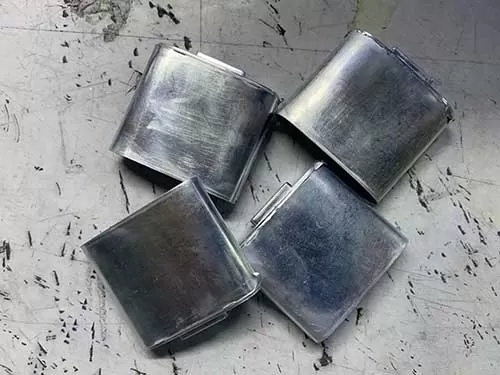
Applications for Zamak 5
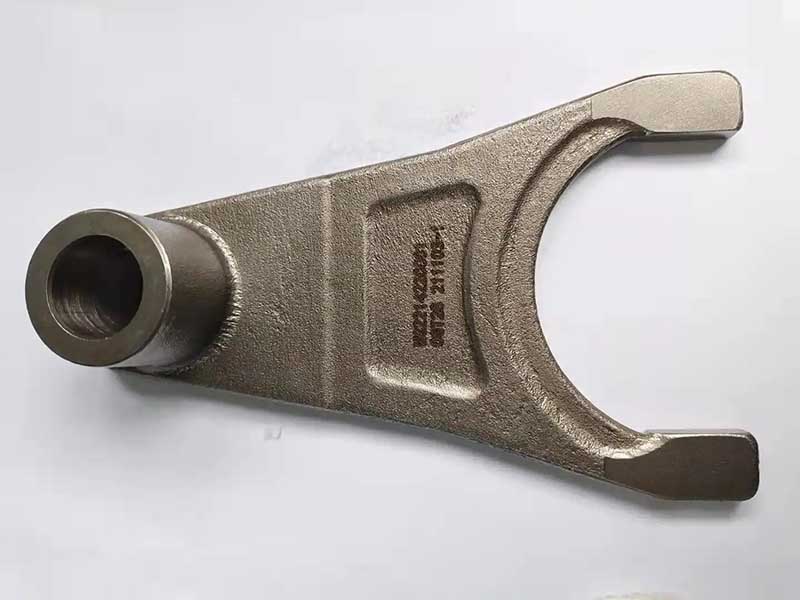
- Automotive Exterior Components: slight higher copper element than Zamak 3, and makes the metal alloy better hardness, and poccesses higher strength, wear resistant, and is widely used for: Automotive lock systems, antenna brackets and brake blocks.
- High Wear Components: better for moving mechanisms, load-bearing parts and repeated friction and impact timely. such as automotive key fob housings,
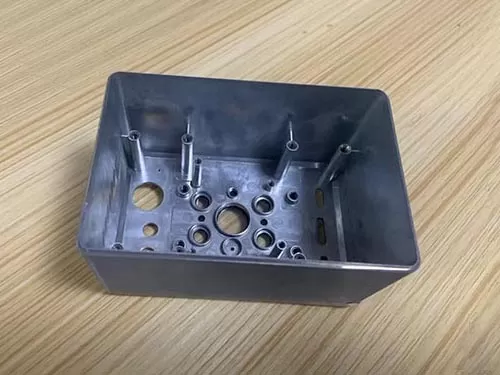
- Communication Equipment: Industrial zinc cast parts often prefer Zamak 5 for higher wear resistance, better stength and withstanding frequent impacts. Like precision zinc die casting camera housing.
Tolerance Difference in Practical Zinc Die Casting
In our actual manufacturing, tolerance capability is one of the biggest differences between Zamak 3 and Zamak 5.
| Part Size | Zamak 3 Tolerance | Zamak 5 Tolerance |
|---|---|---|
| Under 25 mm | ±0.02 – 0.03 mm | ±0.03 – 0.05 mm |
| 25–100 mm | ±0.04 – 0.06 mm | ±0.05 – 0.08 mm |
Design Constraint Between Zamak 3 and Zamak 5
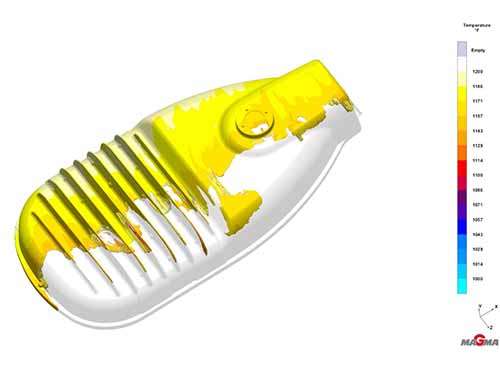
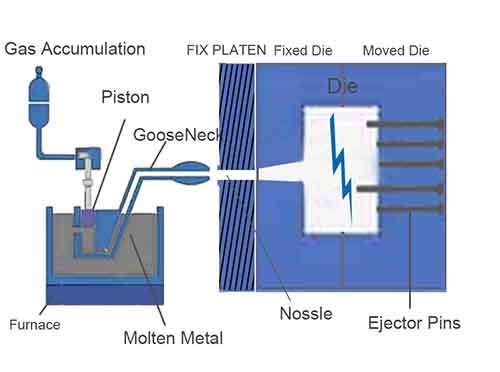
During high-volume zinc die casting production, Zamak 3 and Zamak 5 exhibit different flow behavior, thermal characteristics, and solidification rates, which can influence the occurrence of casting defects. As a result, the optimal process window for each alloy varies.
- Common Defects In Zamak 3: Cold Shut and Flash is common defects in zamak 3. Improper gate design may cause metal front separation, cold lines and incomplete fusion. High fluidity may creates parting line flash, overflow problems.
- Common Defects In Zamak 5: The defects may occur in Zamak 5, like cracking, die sticking and shrinkage porosity. Copper increases internal stress, may cause corner cracks, ejector cracking and thin wall fractures.Stick to cavity surface more easily, and creates surface drag marks, ejection scratches and mold wear. High shrinkage stress increases risk of internal voids, local sink marks and structural weakness.
Engineers typically adjust key process parameters, including molten metal temperature, die temperature, injection velocity, intensification pressure, cooling time, and venting design, to accommodate the specific characteristics of the selected alloy. And draft A Visual Guide to Troubleshooting Zinc Castings. Through continuous process optimization and quality monitoring, manufacturers can improve casting yield, reduce scrap rates, and ensure stable production of precision zinc die cast components.
Mold Temperature Control
This is one of the most critical factors. Different zinc alloy die casting mold temperature is making a distinction. For Zamak 3, mold temperature is stable around 180–220°C, but for Zamak 5, control die temperature in the range from 200–240°C.
Gate Design Optimization
Zamak 3 is excellent fluidity and ductility metal alloy, which is filled fully faster, allows thin gates and has a high-speed injection.
Zamak 5 added copper and enhancing strength, hardness with reducing ductility compared with Zamak 3, So larger gates, reduced turbulence and minimize internal stress.
Optimization of Venting System
Poor venting creates air traps, gas porosity, burn marks and weak structure. In practical manufacturing: For venting system for Zamak 3 focus on tubulent filling and air entrapment. While Venting system for Zamak 5 may optimize internal shrinkage and stress concentration.
Cooling Design Experience
Uneven cooling causes dimensional unstability, poor integrated cast parts , So at cooling design practical experience, Cooling design for Zamak 3 is considered of dimensional stability and surface quality. However better improvement Cooling design for Zamak 5 can creates crack reduction, internal stress minimization and integrated structural cast parts.
Surface Finishing Different Treatments
Surface finishing of cast parts for zinc alloys are more smoother, compare to other castable metal, due to zinc cast parts surface less porosity. Zamak 3 has best fluidity, and creates supperior surface finish, allows mirror polishing, chrome plating and decorative coating. But Zamak 5 has more hardness and strength, requires additional polishing, secondary cnc machining and achieve precision metal parts.

What’s Your good idea?
Do you really want to find one of professional metal casting factory to finish your project? If you want, please contact us by Email , We also hope to have a chance to work with you
How To Choose Right Zinc Alloy From Zamak 3 and Zamak 5 ?
At Ts Die Casting Technology, an experienced engineers perform a comprehensive Design for Manufacturability (DFM) analysis to evaluate the part geometry, wall thickness, draft angles, ribs, bosses, and tolerance requirements. Based on the selected zinc alloy’s mechanical and casting properties, a dedicated zinc die casting design is developed.
Select Zamak 3
When a miniature precision zinc die casting components are uesd for communication equipment, consumer electronic, automotive interior and urltra-precision components, on basic of material cost, is lower than Zamak 5, metal properties and process, our engineers firstly think Zamak 3 is best choice, due to the zinc alloy has excellent metal fluidity and ductility, and allows high effective large-volume mass production for thin-walled, detailed cast parts.
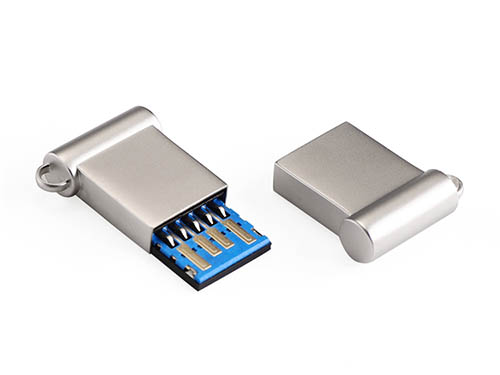
Usb Flash Drive Disk Housings
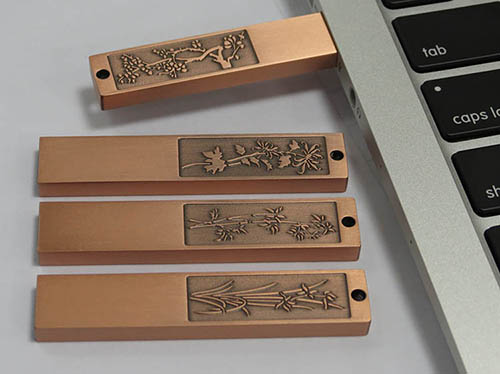
The usb flash drive disk housings belong to precision miniature zinc die casting compoents. Typical thickness tolerance: ±0.05mm, dimensional tolerance : ±0.05mm, and require excellent metal fluidity and premium ductility zinc alloy material. Zamak 3 is the best choice.
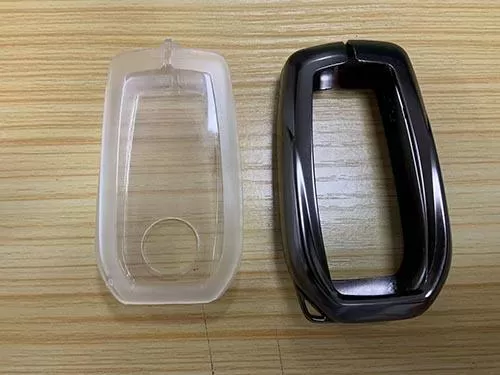
Portable Car Key Case Cover
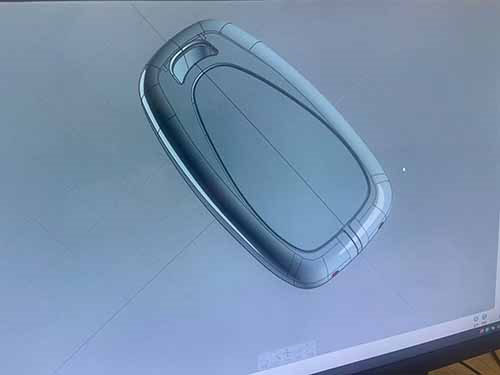
Zinc car Key case cover dimension: longth: 90mm, width: 35mm, heighth: 25mm, the size is the range of miniature precision parts. Its wall thickness : 1.2mm or so, Typical tolerance for it includes dimensional tolerance: 0.1mm and thickness tolerance: 0.03mm, Require excellent metal fluidity and ductility zinc alloy. We choose Zamak 3 .
Select Zamak 5
In these applications, Zamak 5 is often the preferred material because its higher tensile strength, hardness, fatigue resistance, and wear resistance make it well suited for structural and load-bearing components.Although its materal cost is slight higher than Zamak 3, By combining superior mechanical performance with excellent die castability, Zamak 5 satisfies demanding functional requirements, withstands harsh operating environments, and enables efficient large-scale production with consistent product quality.
Zinc Casting Camera Housing
Instead, the component requires excellent dimensional stability, with manufacturing tolerances typically maintained within ±0.05–0.10 mm for precision die casting applications. In addition, the housing must withstand prolonged exposure to sunlight, rain, humidity, and other harsh outdoor environments without significant deformation or loss of mechanical performance. Under these operating conditions, Zamak 5 is often the preferred material because its enhanced mechanical properties and durability ensure reliable performance throughout the product’s service life while supporting high-volume zinc die casting mass production. But the bare die casting housings must accpet finishing treatments, such as plating and power-coating and painting, avoide bare zinc alloy die casting parts generate intergranular corrosion naturally.
Overall, Zamak 3 vs Zamak 5, Zamak 3 is selected due to high precision and complex multi-slider functional design cast die, neeting high-volume zinc die casting mass production. Zamak 5 is your best choice is decided by high wear resistance, higher strength and higher corrosion resistance but must accpet proper finishing treatments and isolate oxidation and corrosion from humidity and moisture acid and salt environments and avoid bare casts part generate intergranular corrosion for long time.
Common FQA
What Is the Main Difference Between Zamak 3 and Zamak 5?
The biggest difference between Zamak 3 and Zamak 5 is the copper content. Zamak 3 contains almost no copper, while Zamak 5 contains approximately 1% copper. This small composition difference significantly affects mechanical performance and die casting behavior.
Which Alloy Is Better for High Precision Zinc Die Casting, Zamak 3 or Zamak 5?
For ultra precision zinc die casting, Zamak 3 is usually the better choice. Zamak 3 has better fluiditty, almost purified Zn element content. It can create more stable dimensions, faster speed filling fully and more smoother surface finishing, and is suitable for precision miniature zinc cast parts, thin walled cast parts and superior surface finishing cast parts. And used for electronic housings, communication connectors,daily decorative hardwares in furniture industry.
However, if the part requires higher mechanical strength or wear resistance, Zamak 5 may be the better option despite its slightly higher manufacturing difficulty.
In actual production experience, maintaining tight tolerance is generally easier with Zamak 3 than with Zamak 5.
How Can Zinc Die Casting Manufacturers Minimize Defects in Zamak 3 and Zamak 5 Production?
Reducing defects in zinc die casting depends heavily on proper process control, mold design, and alloy selection. professional zinc die casting manufacturers take some proper measurement to reduce defects in zinc die casting process ensure consistent high quality cast parts stable output at mass production.
- Optimize Mold Temperature : Zamak 3 requires stable but flexible temperature control, Zamak 5 requires stricter thermal balance to reduce cracking risk.
- Improve Gate and Runner Design: Thin gates for Zamak 3 reduces turbulence and air entrapment. Lager and smoother gates for Zamak 5 are often better.
- Improved Venting System: venting system for Zamak 3 focus on tubulent filling and air entrapment. While venting system for Zamak 5 may optimize internal shrinkage and stress concentration.
- Maintain Uniform Cooling: Zamak 3 is considered of dimensional stability and surface quality. Cooling design for Zamak 5 creates crack reduction, internal stress minimization and integrated structural parts.
- Control Injection Parameters: Carefully adjust the below parameters, like injection speed, injection pressure,holding pressure and cooling time.
In practical manufacturing, Zamak 3 typically produces fewer dimensional defects, while Zamak 5 requires more attention to shrinkage stress and crack prevention.
Final Engineering Conclusion
From actual zinc die casting production experience, Zamak 3 and Zamak 5 behave very differently during manufacturining.
For experienced zinc die casting manufacturers, successful production is not only about selecting the alloy itself. The real expertise comes from modification and optimation for precision cast die and zinc die castng process. Deliver high effective and cost-efficiency mass production, select proper secondary precision machining, achieve stable tight-tolerance dimensional metal parts across many industries.