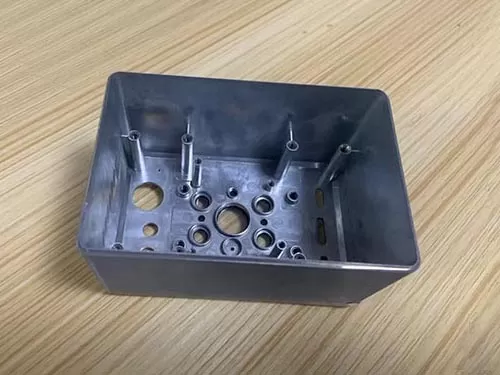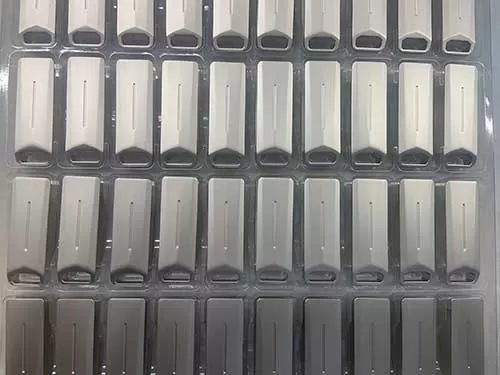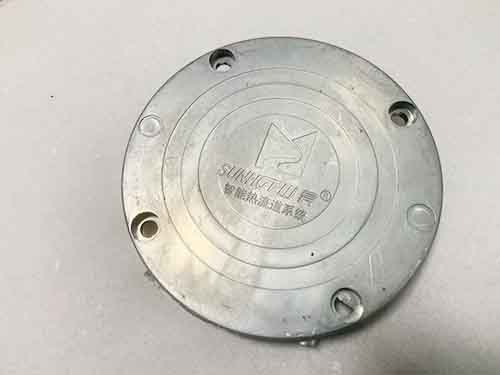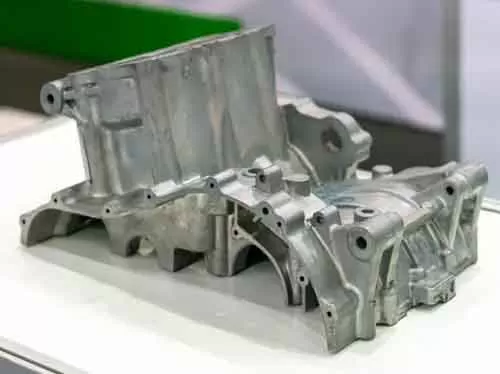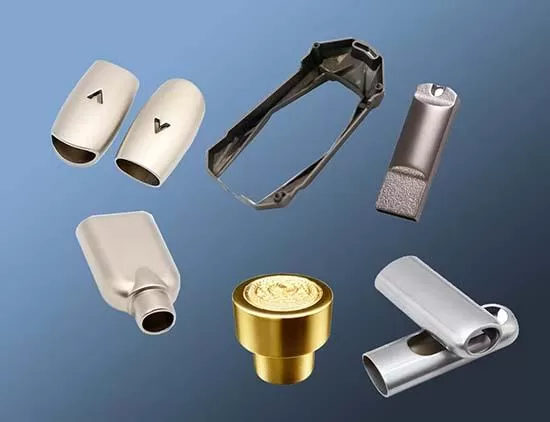
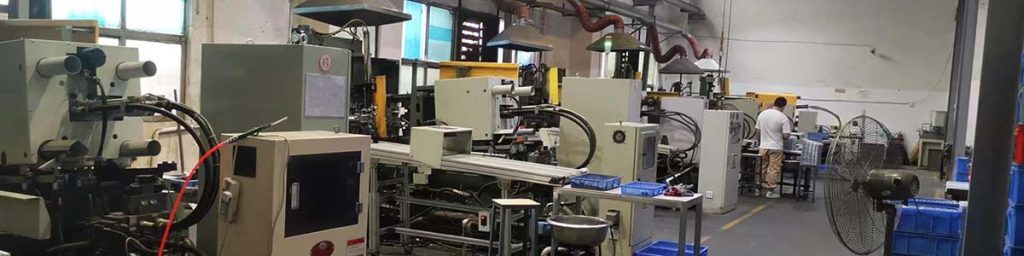
Reduce porosity on zinc die castings can impove the quality of the cast appearance and enhance the integrated structure of the teh part. Nowadays, zinc die casting parts have been used widely in various industries and fields, Much more zinc die casting manufacturers need produce more high quality zinc parts to meet the demand of market. But they encounter some technical problems to be resolved. Porosity is one of the most common challenges faced in zinc die casting. It can significantly affect the structural integrity, functionality, and appearance of die-cast parts. For manufacturers aiming to produce high-quality zinc die-cast parts, reduce porosity on the zinc die castings. How to reduce porosity on zinc die castings through hot chamber die casting technology? This guide provides a detailed explanation of porosity, its causes, and practical strategies to reduce it.
What Is Porosity On Zinc Die Castings ?
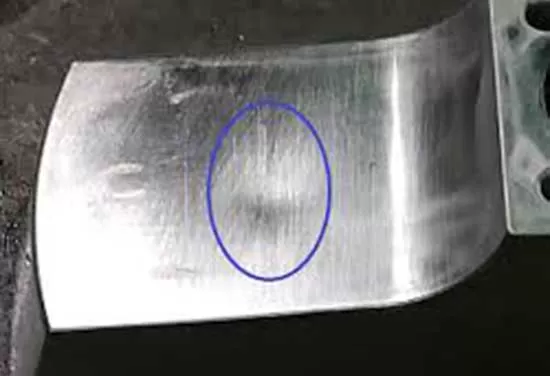
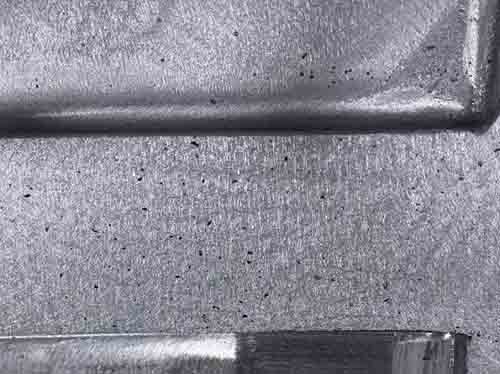
Porosity on zinc die casting part means the presence of small voids, holes, or air pockets on the surface of die castings. These voids can occur during the die casting process and different sizes, their range from microscopic pores to visible cavities. Porosity is a common defect, which can significantly impact the structural integrity, functionality, and appearance of the cast part. When we found porosity on the surface of zinc die casting part, which hint us that the zinc die casting part structure have become so unstable and reduce the cast part anti-pressure and result in its rough surface finish. So it is necessary to take some meatures to reduce porosity on zinc die castings.
Types of Porosity on Zinc Die Casting Part
Denpends on visible porosity on the cast part that we look in, Porosity on zinc die cast parts generally falls into three main categories:
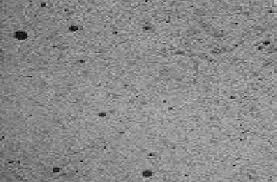
Gas Porosity
Trapped air or gases causes these small voids on the surface of the zinc die castings during the injection of molten zinc into the mold cavity. Its characteristics: Small, spherical voids often near the surface of the part. This can impact the cast part mechanical structure and the defect of appearance.
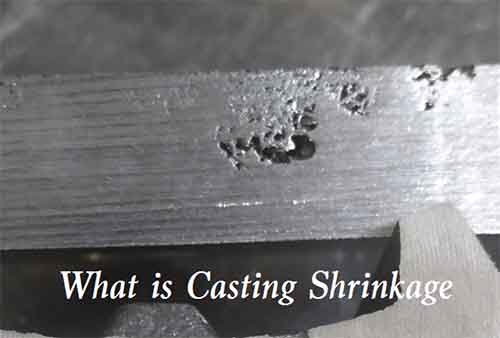
Shrinkage Porosity
When the cast part accepts uneven cooling and solidification of molten zinc, leading to voids where the metal has contracted. These irregularly shaped voids typically found in thicker sections of the cast part, even more lead to the cast part hollow inside it. Rigid impact the integrated structure of the part and warping.
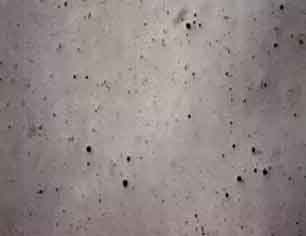
Vacuum Porosity
Inadequate venting in the mold can’t escape the trapped air or gas from molten zinc under high pressure, Some voids may appear deep on the surface of the cast part. It affects part strength and performance, especially in critical applications.
Why Causes of Porosity On Zinc Die Castings
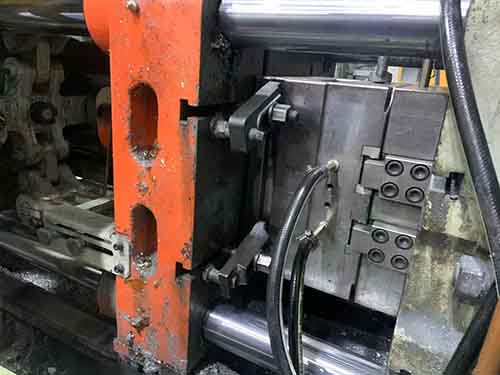
Before resolving the problem, we firstly learn How Zinc Die Casting Part Is Shaped. In accordance with the process of zinc die casting parts, several factors create porosity during the zinc die casting process.
Improper Mold Design
Insufficient venting and overflow channels. and lead to the trapped air or gas inside the molten metal, can’t overflow on the surface of the cast part. Poor gate design causes turbulence in molten metal flow. Or fill the mold detail uncompletely and causes defect cast part.
Inadequate Process Parameters
Incorrect injection pressure or speed leading to air entrapment. Lead to porosity cast part generated during die casting process. Inadequate temperature control of the molten zinc or the die, makes the cast part shrankage and warping.
Impurited Material Issues
Impurities or contaminants in the zinc alloy causes various porosity issues on the die casting part. Presence of dissolved gases in the molten metal, should be escaped by proper venting and overflow method.
Uneven Cooling and Solidification
Uneven cooling rates can cause shrinkage voids, make the cast part warpping. Thicker sections in the part design leading to differential cooling. Uniformly cooling overall the cast part causes cold shut, warping and flow marks .
The above several points is most easiest to cause the porosity on zinc die cast part. You should check these points mainly once there is porosity on zinc die casting part, take some necessary measture to reduce porosity on zinc die castings, and ensuring that the high quality zinc die casting components are finished.
Practical Guidelines to Reduce Porosity On Zinc Die Castings
The below effective methods can reduce porosity on zinc die castings when visable porosity on zinc die casting parts are found. implement visual guide to troubleshooting zinc castings.
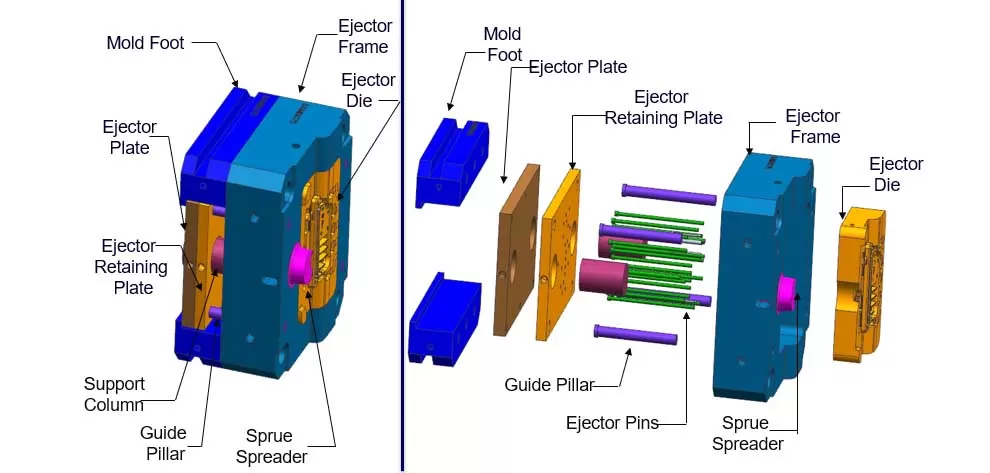
1. Optimize Mold Design
Improve Venting and Overflow: Modify and improve venting system and overflow impurities within the molten metal in reservior.
Optimize Gate Design: Injection gate position the appropriate area, remaitain the best travel of the metal flow, and avoid entrapment air impact the quality of the cast part.
Design for Uniform Cooling: Design high performance cooling system for cast die, and ensure the surface of the cast uniform cooling
2. Control Process Parameters
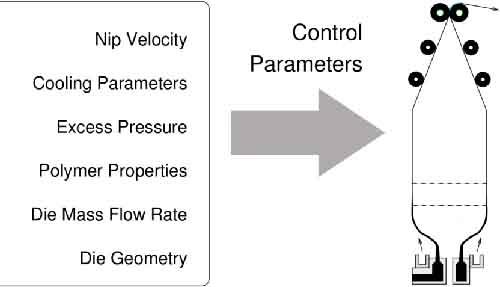
Handle Injection Speed and Pressure: Adjust the injection speed, make the metal flow fill the die fully quickly, handle proper pressure, extrude retained gas inside the molten metal.
Temperature Control: Keep the steady temperature molten metal. Using repeative cast cycle to preheated the cast die, make the cast part uniformly cooling.
Cycle Time Optimization: Optimize the cycle time, ensure the part integrared structure.
3. Improve Zinc Alloy Quality
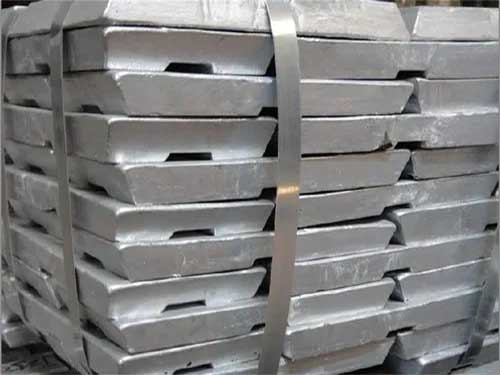
4. Introduced Advanced Technologies
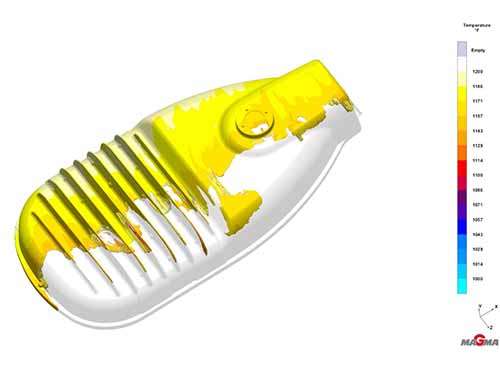
Simulation Software: MAGASOFT is advanced simulation tool. predict the troubles in metal flow filling the die ahead, optimize the die design and improve the die design.
Real-Time Monitoring: Install the sensor and implement real-time monitoring, and collect the monitoring data, optimize die casting process.
5. Implement Rigid Quality Control Rules
We implement strict quality control regulations. Use X-ray or CT scanning to detect all porosity and ensure consistent quality. Perform leak testing on pressure-tight parts to ensure no defects are present.
Conclusion
To reduce porosity on zinc die castings, we need a combination of optimized mold design, precise process control, high-quality materials, and advanced technologies. By tracing the root causes of porosity, and implementing the strategies of Practical Guidelines to Reduce Porosity On Zinc Die Casting Parts. Consistently enhances our quality ideas, and produce high quality zinc die casting components. Meanwhile manufacturers produce higher-quality zinc parts, and stay competitive in a demanding market, they aiming to improve, continuous learning, innovation, and quality assurance are key to achieving defect-free production and meeting customer expectations.