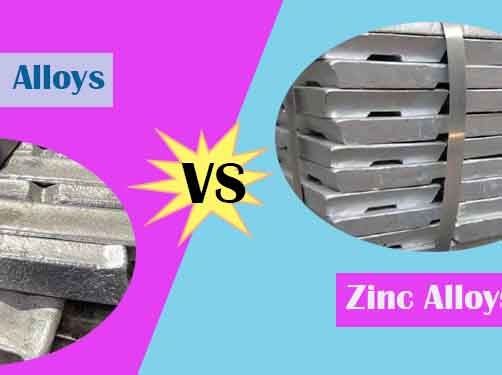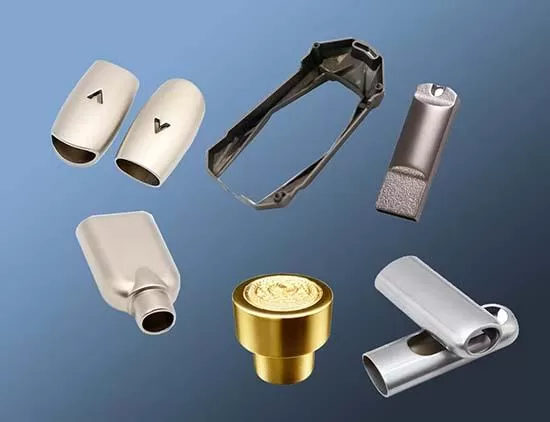
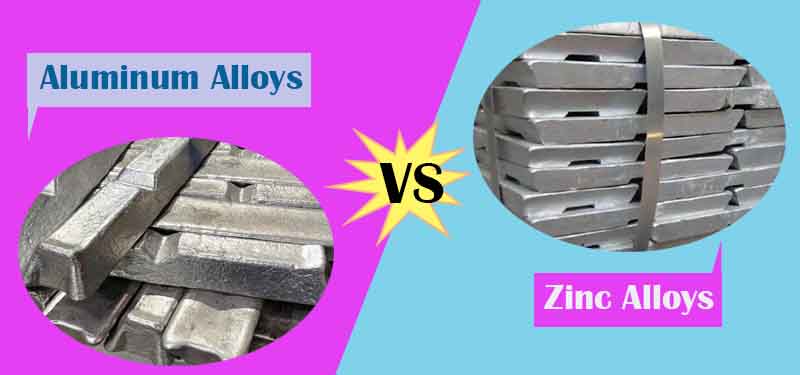
Aluminum alloy 6061 Vs Zamak 3 Alloy makes us having a clear cognition for die casting applications. Common aluminum alloys like (6061, 7075),which are widely used for many components in aerospace and automotive industries. Since aluminum alloys have the properties of lightweight, excellent corrosion resistance, high strength and easy to process. However, Zinc alloys(zamak 3,zamak 5) are melting point metal, high hardness, excellent mechinability. It is higher weight(~6.6 g/cm³) than aluminum alloys(~2.7 g/cm³). The both types of metal alloys have their own advantages and benefits, let us have a detail anylitics for them.
Overview Of Common Aluminum Alloy 6061
What are the disadvantages of 6061 Aluminum Alloy ?
- Lower Hardness & Poor Wear Resistance: Aluminum 6061 is softer than zamak 3, leading to wear in high-friction applications.
- Higher Production Cost Than Zamak 3 : Aluminum 6061 requires higher temperature to melt, and longer time for cooling, and higher defective rates, result in higher production cost.
- Not Suitable for Small Size Cast Parts Production: Higher thermal expansion can cause longer cooling time than zamak 3 during die casting process. result in longer cast cycle for small size part. The cost of mass production is still higher.
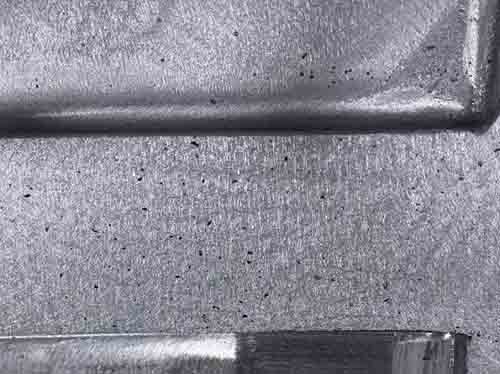
- Porosity in Castings, facing surface finishing challenges: Hydrogen absorption can cause voids, requiring vacuum casting or degassing. Or another Aluminum Casting Impregnation Reduce Shrink Porosity And Gas Porosity.
Applications Range Of 6061 Aluminum Alloy
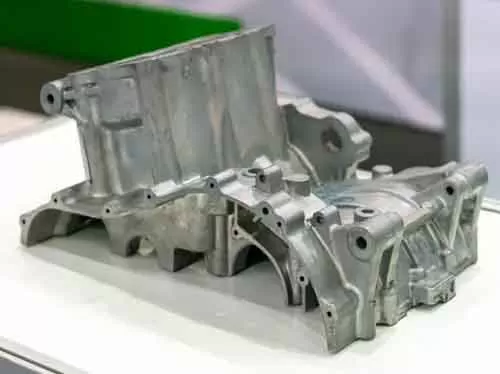
6061 aluminum is most common aluminum alloy, used where a balance of strength, weight, and corrosion resistance is needed. It’s especially dominant in automotive, aerospace, marine, and general fabrication.
- Aerospace & Aviation: Aerospace components such as wing fittings, spacers & brackets and hydraulic body.
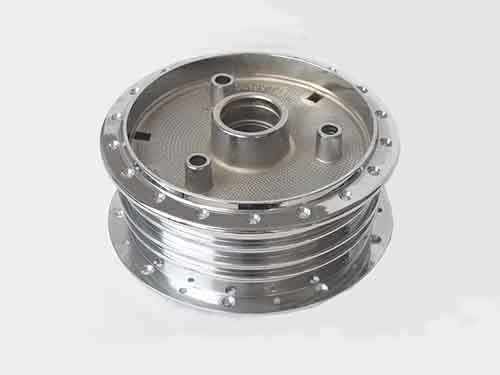
- Automotive Components: Frames and chassises, wheel and suspension components, heat exchanger and radiater, EV battery enclosures.
- Marine Applications: Boat hulls and decks, marine fittings and hardware.
- Construction And Archeticture: Door and window frames, decorative curtain, roofing & cladding.
- Consumer Goods & Electronic Enclosures: Sport bike frame, Camera body, smart phone and notebook casings.
- Industrial Applications: Piping and tubing fittings, robotic hand and arms, work tables and conveys system.
Common Zamak 3 Alloy
What are the disadvantages Of Zamak 3 ?
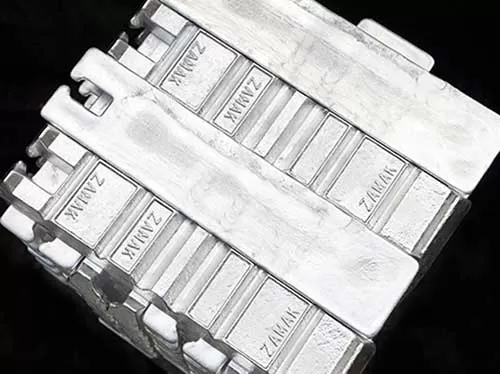
Zamak 3 is the most zinc alloy among the family of zinc alloys, which is used for various metal parts in many industries, such as automotive, appliance, industrial equipment, decoration and architecture, communication ect. but it also its own disadvantages.
- Heavy: 2.5x denser than aluminum, making it unsuitable for weight-sensitive applications.
- Limited High-Temperature Performance: Loses strength above ~120°C (250°F), not suitable for engine components or hot environments.
- Corrosion Resistance Requires Plating: Bare zinc in humid or salty environments requires equires chromate plating, powder coating, or nickel finishes for protection.
- Not Ideal for Large Parts: Higher density makes large zinc castings unwieldy and expensive (aluminum or magnesium are better for big components).
Applications Range Of Zamak 3 Alloy
Zamak 3 is the go-to alloy for high-volume, low-cost die-cast parts where strength is not critical. It dominates in consumer goods, automotive trim, and decorative hardware.
- Consumer Goods & Hardware: Zippers, buckles, and fasteners, with good hardness and good mechanical properties.
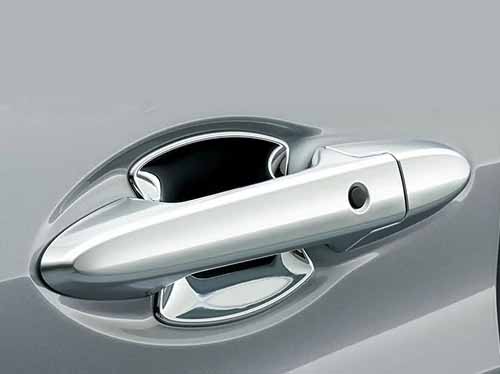
- Automotive & Electrical Components: Handle, seatbelt buckles, sensor enclosures, with high corrosion and wear resistance.
- Industrial & Machinery Parts: Bushings & bearings,excellent wear resistance, and high strength, withstand repetitive wear.
- Decorative & Architectural Uses: Furniture hardwares, lighting fixtures and lamp boxes, plumber fixtures,
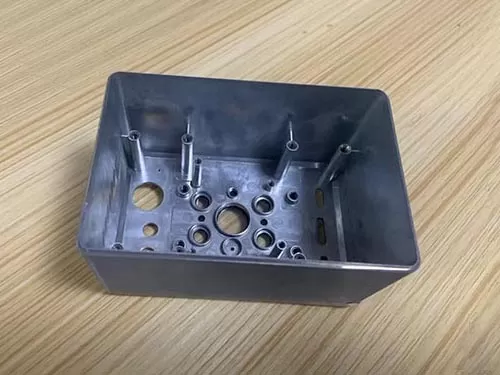
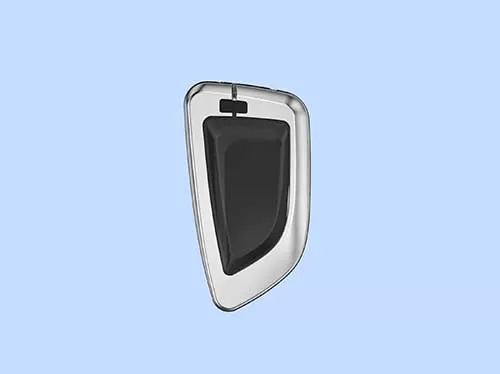
- Electronics & Small Devices: Camera housing, wearable device enclosures and electromagnetic shielding cover.
Aluminum Alloy 6061 Vs Zamak 3 Alloy Process
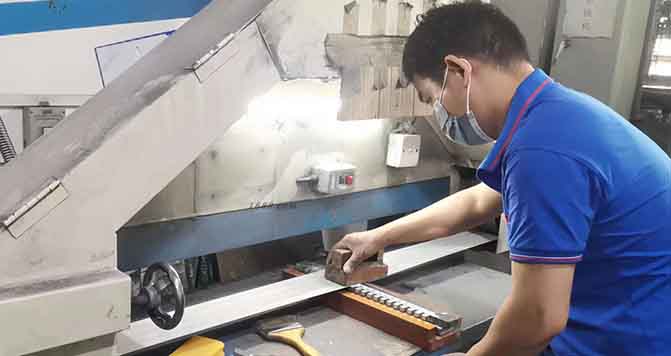
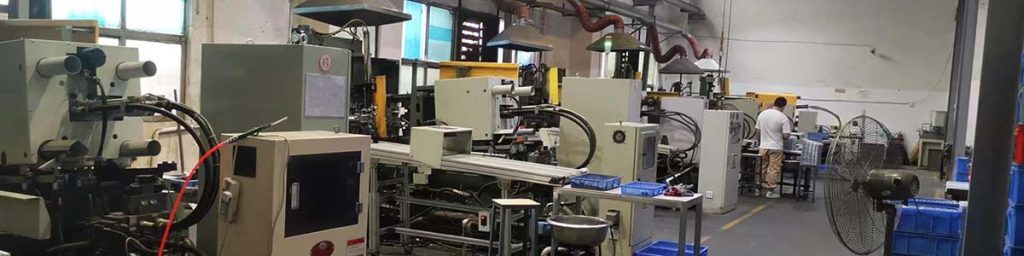
Tscasting technology is one of professional die casting factory, who has a team of engineering design and cutting-edge die casting machines, automatic production lines, well-skilled production operation worker, under the strict international quality system rules, and provide high quality metal die casting parts in high effective at cost-efficiency. From aluminum alloy 6061 vs zamak 3 alloy process, reflect complete different process.
Cold Chamber Die Casting Process For Aluminum 6061
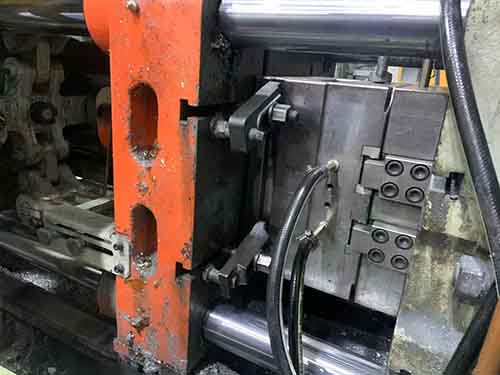
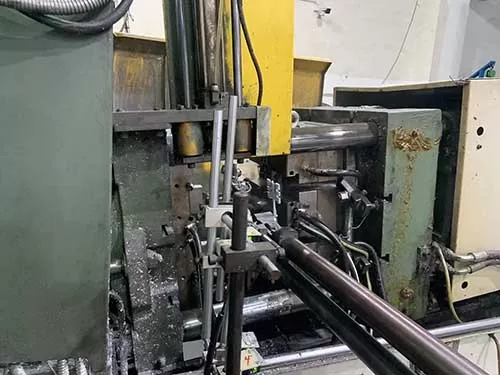
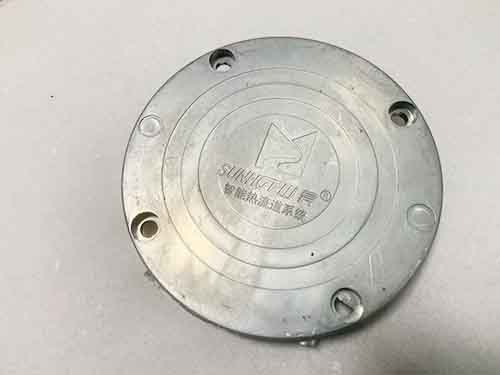
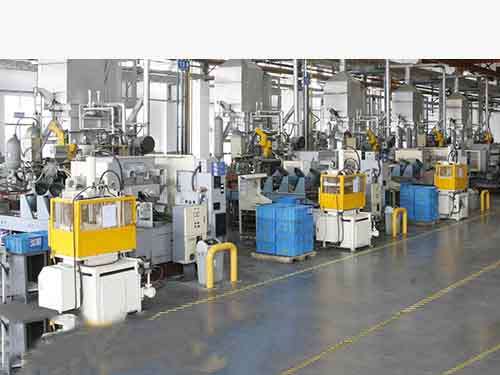
Cold chamber die casting has been called as main industrial manufacturing method. It is ideal for higher melting points metal alloys, such as Aluminum, steel, copper, iron and stainless steel. die casting manufacturer can make custom die casting parts with specific function and aesthestical apperance.
Hot Chamber Die Casting Process For Zamak 3
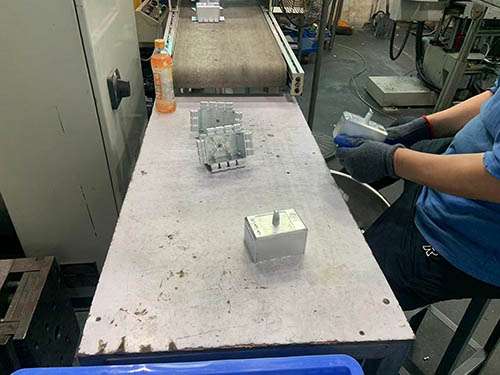
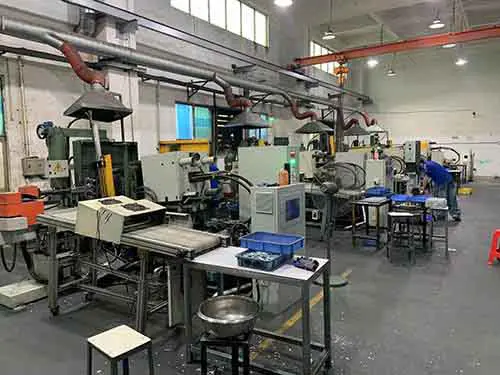
We choose lower melting points metal alloys to make die casting components and ensure meeting client’s specific requirements. Such as zinc, magnesium, lead and tin alloys. As one professional metal die casting manufacturer, and possess advanced die casting machines and skilled-well technician and comprehensive management system to make various custom die casting components across many industries. This is hot chamber die casting production.
Aluminum Alloy 6061 Vs Zamak 3 Alloy Advantages
We can learn in further the detail from the below tablet from aluminum alloy 6061 vs zamak 3 alloy
| Aluminum Alloy 6061 Advantages | Zamak 3 Advantages |
|---|---|
| Far LightWeight , as 2.7g/cm³ of density, strong strength, high ductility. | Heavy weight as 6.6g/cm³ of density, strong lower temperature structural stability |
| Superious corrosion resistance, thicker oxidated layer, protect the substance spoiled and isolate any chemal reaction from oxygen. And strong anti-aging property. | Good corrosion resistance, but thin oxidated layer, fatigue is lower, the metal part properties is downgraded as aging. This is decided by low temperature structural stability. |
| Excellent Conductivity, it can be used for heat dissipations and connectors for electric components, | EMI shielding Unique feature, it can be used for enclosures and housings for sensors and IoT equipment precision components. |
| Suitable for large size precise die casting parts. though cast die, and cast flexible and intricate geometries part. | Suitable for high precision die casting parts, focus on small and medium size metal die casting parts, allow tight tolerance accuracy dimensions. |
| Good as cast part surface finish, and require further zin-plating treatment, and accept luxurious plating. | Superious as cast part surface finish, and less post processes, and accept further plating process due to zin is premium metal bonding material. |
| Higher Temperature metal material, can be used in some specific environments below 600 ℃. due to the aluminum alloy melting point is 600 ℃. | The alloy metal is used for many metal parts in normal temperature. Therefore, the metal parts can maintain strong metal tensile strength stability. |
| Accept various colors anodized, and protect the status for long time. | Accept plating , powder-coating, painting. |
Conclusion
Comparision from aluminum alloy 6061 vs zamak 3 alloy, they have their respective advantages and disadvantages. From metal properties to applications, The two types of complete metal alloys will can be processed into proper metal cast parts and used in many industries. Depends on their functions and unique properties, these cast parts can contribute our leap technology and modern industrial devolpment.