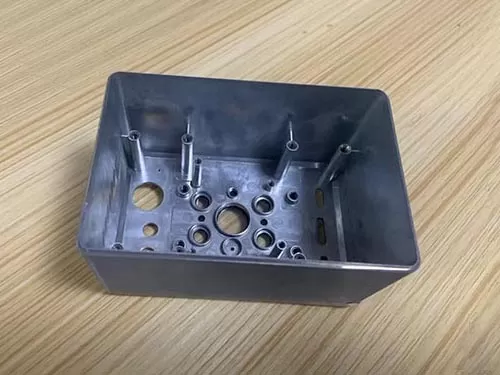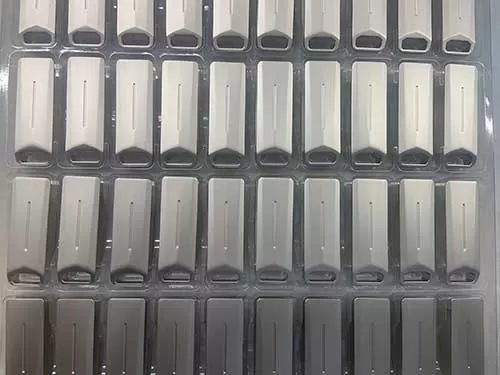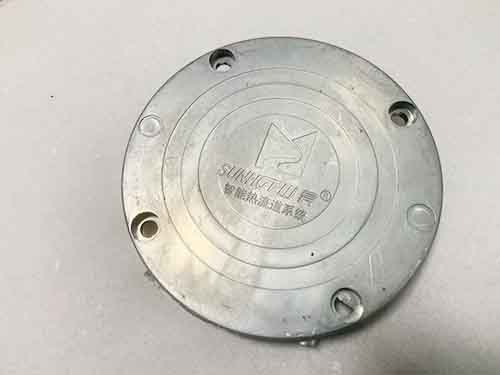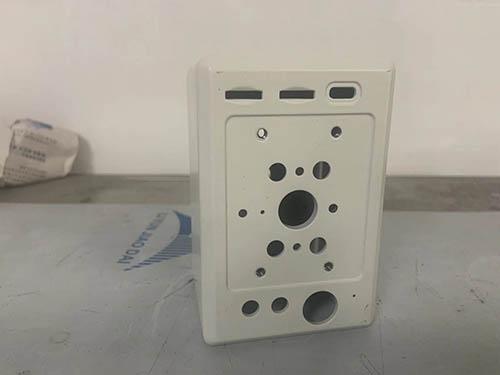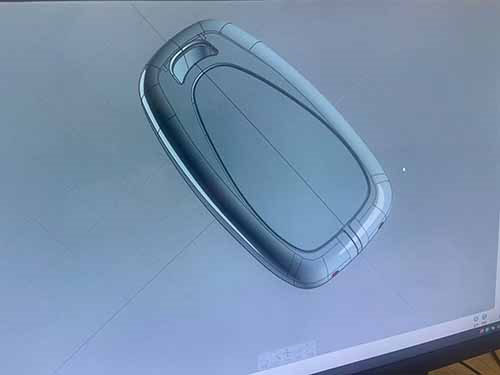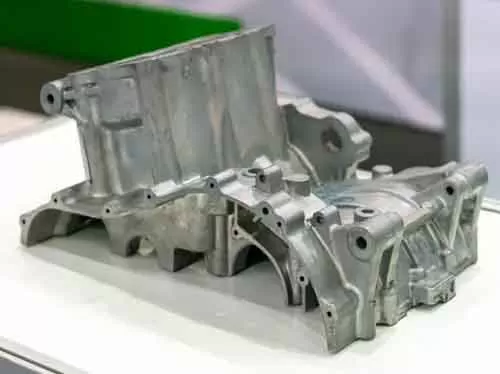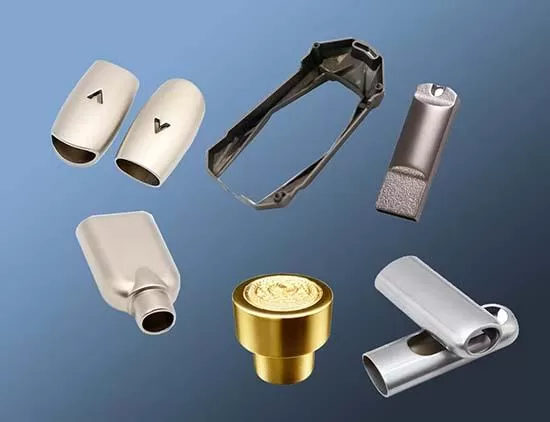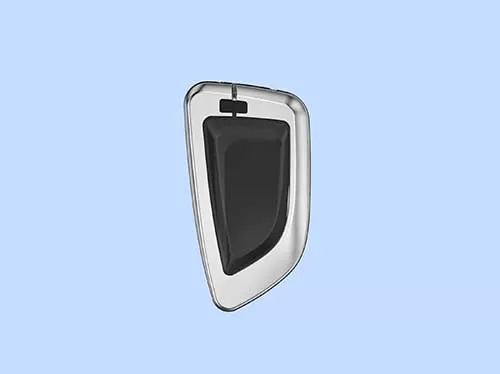
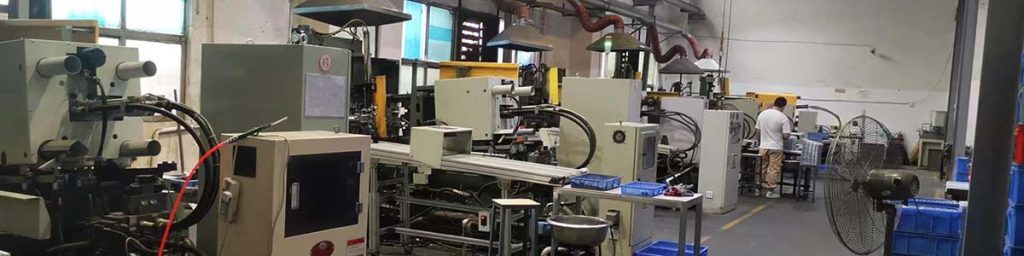
The most common casting process for zinc alloys is most common in metal die casting process, which offers high effective mass production and mininal material waste. With the rise of newly indutries, More miniature and precision components are required to meeting the demand of these industry development. More and more die casting manufacturers begin to engage in production of various metal die casting components which involves copper die casting, stainless steel die casting, iron die casting and zinc die castng. What is The Most Common Casting Process for Zinc Alloys? That is hot chamber die casting process.
Understanding The Most Common Casting Process For Zinc Alloys
What is The Most Common Casting Process For Zinc Alloys ?
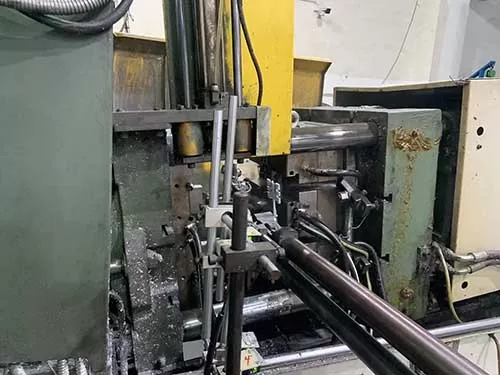
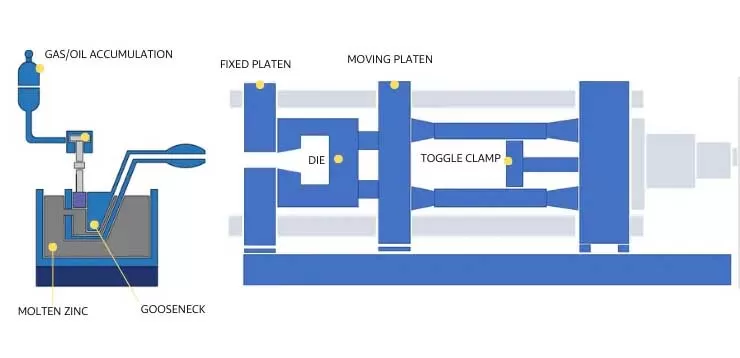
The Most Common Casting Process For Zinc Alloys, which is Hot chamber die casting process as unique metal die casting process method. It is suitable for zinc, lead, tin, and magnesium alloys manufacturing process. It enables providing high efficiency mass production at fast casting cycle for small and medium sizes precision components. Using integrated furnace with die casting machine, store preheated molten material inside, through special gooseneck mechanism, drive the molten material into the die directly, and formed and cooled , eject the shaped casting part out from the die.
Step-by-Step Process Guideline
The zinc cast parts at high volume is high efficiency, consistent high quality and lower cost. Compare to other high melting point metal alloy.
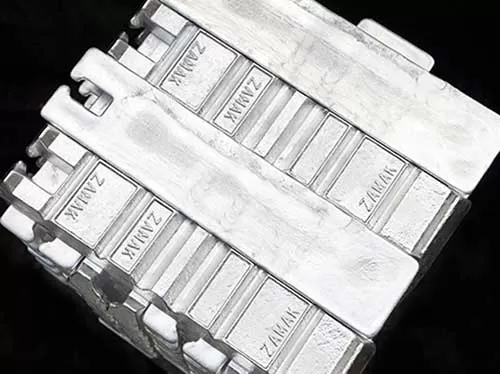
- Select best zinc alloy material depends on the specific requirements of the cast parts. High strength to weight ratio parts are suitable for automotive components, ZA alloys is the best choice, but durable parts are favor of zamak alloys, at cheap cost and strong corrosion resistance.
ZA Alloys
| ZA Type | Tensile Strength | Yield Strength | Hardness | Ductility |
|---|---|---|---|---|
| ZA-8 | ~375 MPa | ~280 MPa | ~100 HB | Good |
| ZA-12 | ~400 MPa | ~300 MPa | ~120 HB | Good |
| ZA-27 | ~440 MPa | ~350 MPa | ~130 HB | Lower |
Zamak Alloys
| Zamak Type | Tensile Strength | Yield Strength | Hardness | Elongation |
|---|---|---|---|---|
| Zamak 2 | ~360 MPa | ~300 MPa | ~100 HB | ~3-4% |
| Zamak 3 | ~280 MPa | ~210 MPa | ~80 HB | ~10% |
| Zamak 5 | ~330 MPa | ~250 MPa | ~90 HB | ~7% |
- Melting zinc alloy with eletric furnace, and overflow impurities inside the molten zinc metal, keep stead temperature molten metal in metal pool. The metal alloy can be molten at lower temperature range from 380-450℃.
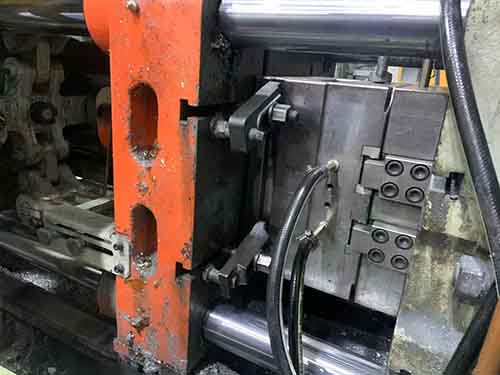
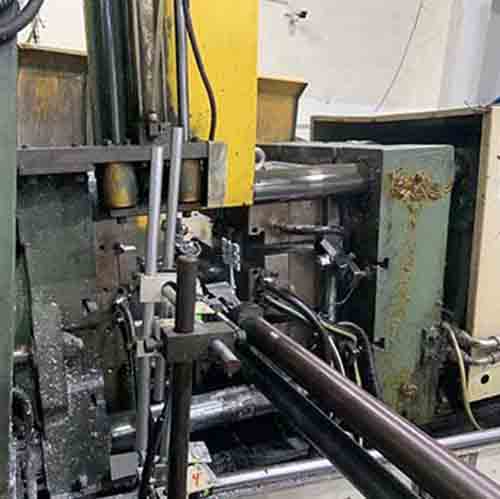
- Mount The high precision steel die on the platens on die casting machine, align the halve of the die, and finish the die moving smoothly. And begin to preheat the steel tools with trial casting operation.
- After the casting is preheated, the cast part has a consistent cooling process, minimizing the cold shut and quick shrinkage, and maintain the consistent high quality cast parts process at high volume.
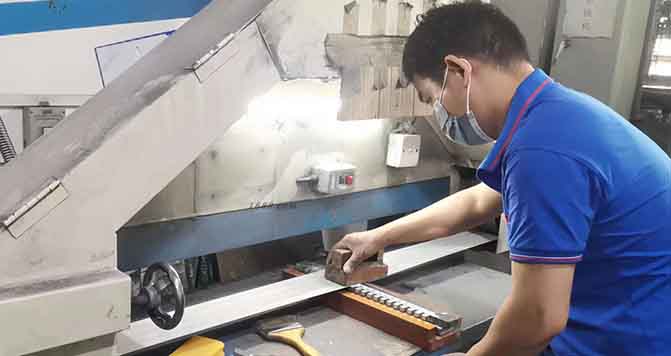
- Using some deburring equipment to remove excess material on the surface of the as-cast parts, these post- process operations include vibration deburring, cnc machining, polishing and grinding etc.
Advantges Of The Most Common Process
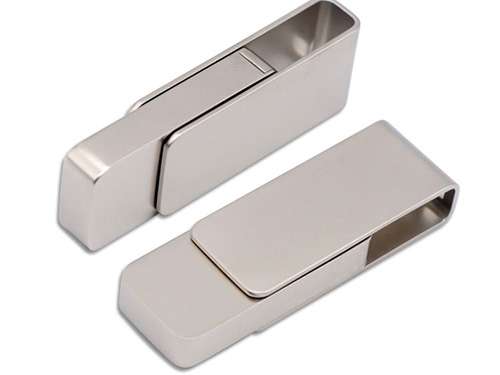
In industrial manufacturing, zinc die casting parts are produced with hot chamber die casting manchines by die casting manufacturers. The most common casting process for zinc alloys creates high precision and small size zinc die castings across many industries. With The Technique for zinc die casting consistent optimization, manufacturers can produce high quality zinc die casting components under its unique technique. In another one, zinc good fluidity in molten status makes it forming smoother surface finish. The fine suface finish reduce the work volume of post-process. It advantages reflects the below detailed descriptions.
1.Fast Speed Cast Cycle
The low melting points metal can cool quickly and solidify and ejected out from the mold, saving cooling time. reduce overall production cycle time. Hot chamber machines are designed for quick setup and operation, making them ideal for mass production. Hot chamber machines have a high efficiency production speed and guarantee of high quality for processing products.
2. Shape Intricated Precision Geometies
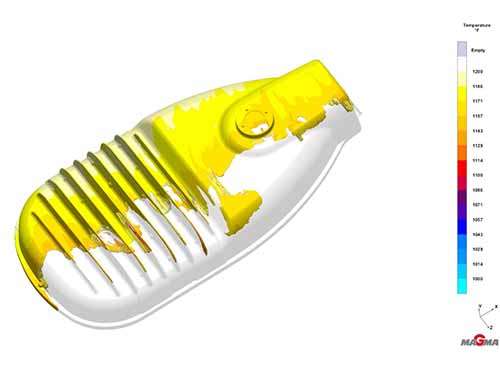
Zinc alloys have excellent flow characteristics. Can shape intricated geometries and thin-walled parts can be cast with precision. Fully fill the cavities of the casting die under high pressure, generates less defects and imperfections, and reduce waste material in mass production. Zinc alloys cast using hot chamber machines can produce superior dimensional accuracy parts and Shape smoother surface finish. It is call as “As-Cast Finish” which may have a precision dimension and tight tolerance precision.
3. Cost-Effectiveness
The precise injection process minimizes wastage and ensures more consistent parts. Zinc low melting points can also save more energy cost. The hot chamber die casting process have a greater cost-effectiveness.
4. Improved Surface Quality
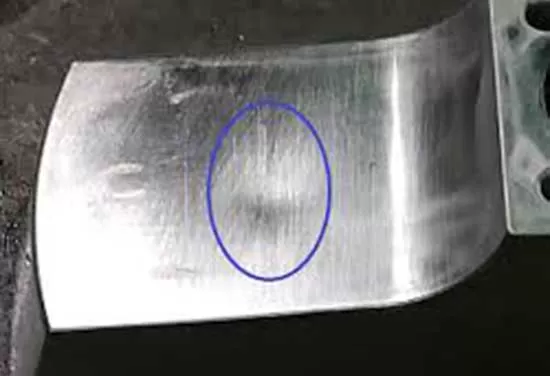
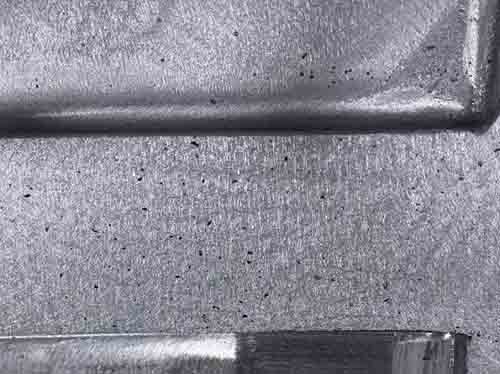
With Precision casting die, using hot chamber die casting process , lead to excellent surface finishes that often require minimal post-processing. This dues to a good fluidity of zin metal and precision casting dies.
5. Longer Die Life
Zinc’s low melting points reduces thermal wear on dies, prolonging casting die lifespan and reducing tooling costs. meanwhile reduce Casting Die Maintenance and Repair times.
Conclusion
In Summary, the Most Common Casting Process for Zinc Alloys is Hot Chamber Die Casting Process. From the principle of the process, it simplifies process steps, also beneficial to inject the molten metal. Using integrated furnace to melt zinc alloy and store preheated metal molten in the reservior and oveflow the impurities inside molten material. The piston drive the molten material from integrated reservior to the cores and cavities of the die directly through the gooseneck mechanism.
Then cools and solidfies the shaped part. The process is suitable for zinc, lead, tin, and magnesium alloys manufacturing process. Because these low melting point metal can provide high precision, flexible design, small and medium sizes components. Additionally, these low melting point metal needs cost-efficiency mass production.