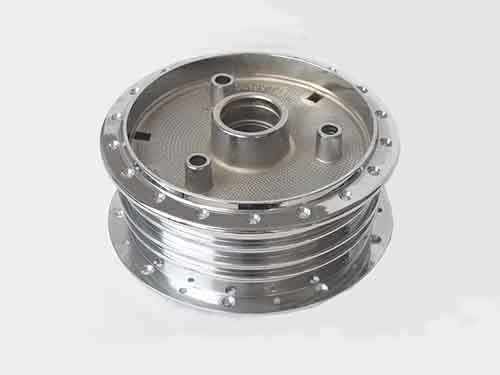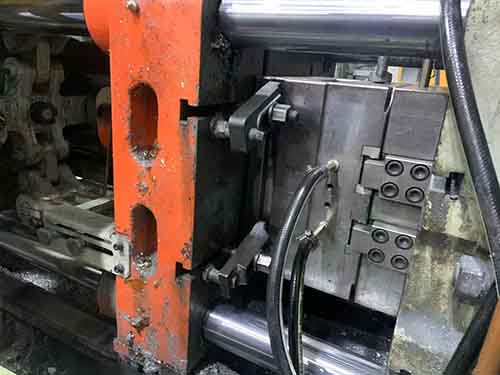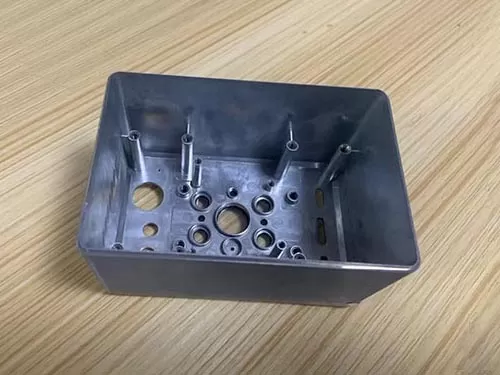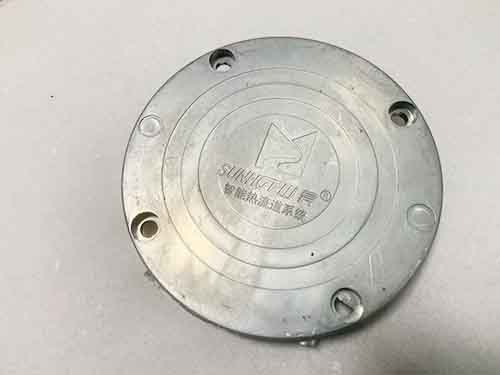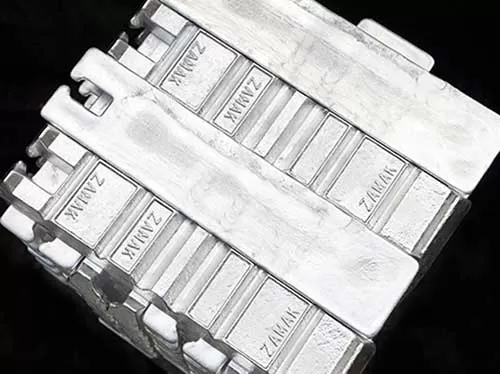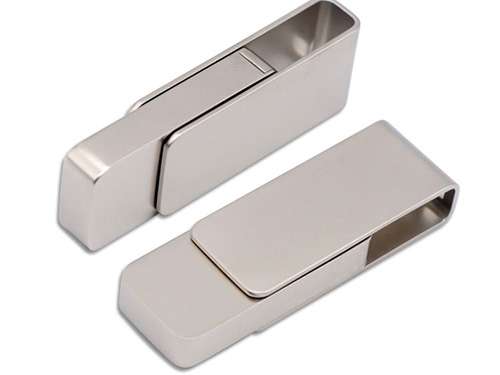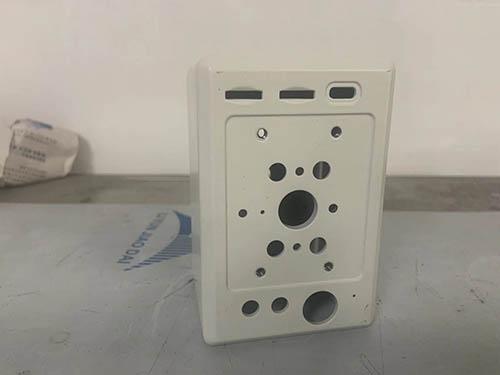
Zinc die casting prototyping design:flow simulation tools can assist designer and engineer optimize the mold design better. With the rise of some newly industries, zinc die casting requires continueous enlarge scrope of its application. Meanwhile, the technique for zinc die casting requests more and more accurative and precision. In order to rech the established target, engineers and mold technician request spending more collaborating work and debate to finish a real qualified casting die desing and manufacturing, because design principle from engineers should be implemented by mold technician through their actions. Since advanced simulation tools are born, die casting design and manufacturing become simply and time-saved, whenever MAGMAsoft Optimizes Aluminum Die Casting or zinc die casting .
Understanding Zinc Die Casting Prototyping Design
Some inevitable troubles may be arised during casting die manufacturing process when there are the divergence between the desired design of client and real physical operation. These addational troubles can exhaust more labor cost and time for repairing and improving the die. These dispensable adjustment and modification for qualitified zinc die casting process. Now, the first shot success zinc die casting prototyping: flow simulation tools. As advanced predictive computerial plugin can find some trouble and leakage holes in die casting process design in advance, and improves and optimizes the die casting process timely.
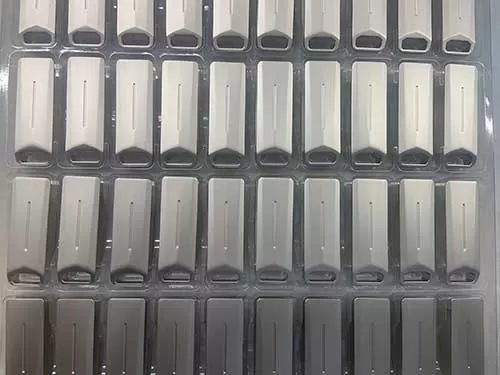
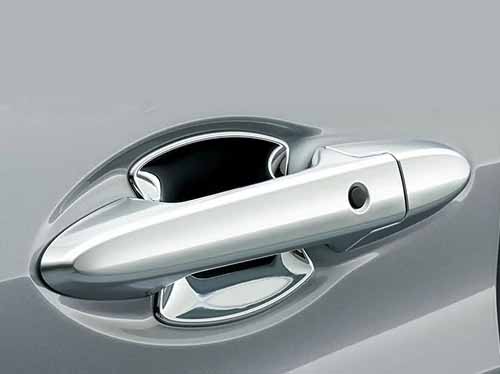
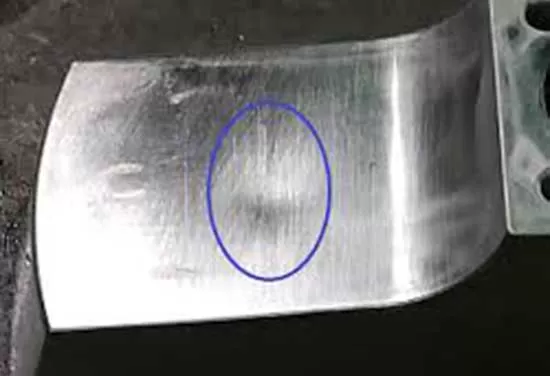
We are all known that zinc die castings needs superior surface finishing to allow plating and enhance their durability and appearance. The flow for metal should fill the cavity of the cast die fully and form more smooth surface die casting parts. By the first shot success zinc die casting prototyping, we can deploy zinc die casting part suface finish in advance, and test and predict the effect of cast, and optimize and adjust some design and achieve the best result.
Zinc Die Casting Prototyping Design Gets Incredibly Close
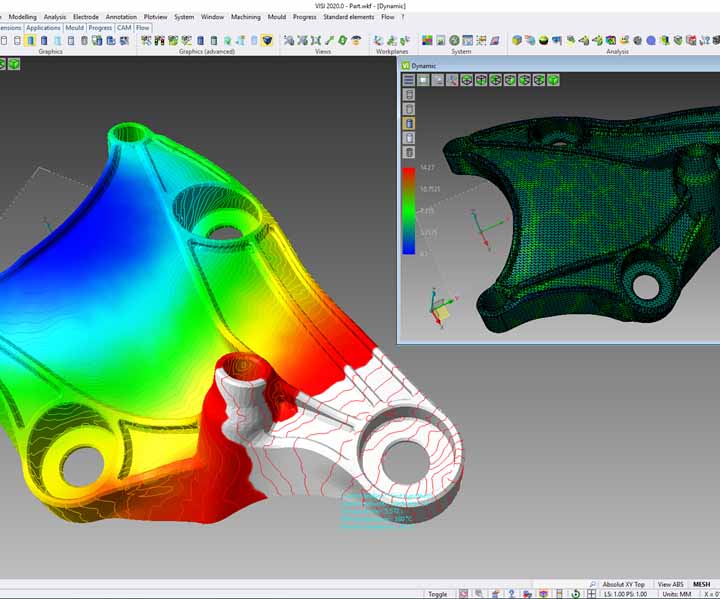
As zinc die casting prototyping design, which include of MAGMASOFT, FLOW-3D CAST, AnyCasting, and ProCAST. They are no longer simple flow simulators, but become virtual prototyping platforms that can predict for die casting process. It can provide more supports and helps for zinc die casting component design and trial prototyping.
- Polit for Filling Pattern: show exactly how the molten zinc will fill the cavity, identifying potential areas where air can be trapped and can’t escaped smoothly or where the flow might be blocked by impurity or residues on the cavity on die, causing “cold shuts.”
- Solidification & Porosity Analysis: Predicting Internal Quality Predict where the material will solidify last, and shrinkage and porosity will occur. This allows engineers to improve cooling channel and overflowing impurity within molten metal. Or with added pressure to escape trapped air within molten zinc metal. and minimizing porosity status on zinc die casting part.
- Die Thermal Management: Simulates the temperature of the die itself throughout the cycle. This is critical for predicting “soldering” (where zinc sticks to the die steel) and for ensuring consistent cycle times and part quality. The below main reasons to cause zinc sticks to the steel die.
- Die Temperature too hot, keep longer time molten zinc melt a bit iron, lead to the surface of the die is damaged and stick the die.
- Surface Finish or Die Steel Type Improper, rough surface of the die is very easy to make zinc stick the die.
- Release agency is not sufficient and make zinc stick the die.
- Vent and gate channel improper setting causes uneven cooling and cold shut, at last stick to the steel die.
- Improper zinc alloy composition cause defective zinc cast part and stick to the die.
- Stress & Distortion Analysis: Forecasting Dimensional Accuracy They can predict how the die will expand under heat and how the part will warp as it cools, allowing for compensatory measures in the die design. This will be convenient to modify and improve the die performance during the die design.
Zinc Die Casting Prototyping Design Advantages And Benefits
The zinc die casting prototyping tools, these design flow simulation tools bring more benefits and advantages to engineers and design, either shortening the delivery time or saving more time and cost for designing and manufacturing the precise cast die. create time-to-market acceleration and fast rapid prototyping service.
1. Cost Reduction & Minimizing Rework Benefits
- Reducing Physical Prototyping Cycles: This is the single biggest cost saver. Instead of building 5-10 expensive metal molds , omitting mold technician trial prototyping actions, and assist engineers perfect the design digitally at one stop.
- Reduced Rework and Scrap: By predicting defects like porosity, air traps, and short shots in the virtual stage, optimizing time-consuming mold rework (welding, re-machining). Without any material waste from defective parts.
- Optimized Material Usage: The Flow Simulation helps engineers and designer to create perfect zinc cast die and use the minimum amount of material necessary without compromising integrity, leading to direct savings.
- Extended Tool Life: By predicting temperature variations (thermal stress) and pressure loads, modify and improve the profermance of the die, eliminite the die fatigue, failure, and wear, extending their service life.
2. Time-to-Market Acceleration
The first shot success for zinc die casting prototyping dramatically Shortens Development Cycle: Engineers take hour or days, while designing the mold, and conduct “simulate-analyze-optimize” digital loop, and finish the perfect die design. The digital model can be shared instantly between design, manufacturing, and tooling engineers. And work on the same virtual prototype simultaneously, breaking down departmental silos. All potential defect is resolved in much fast with flow simulation tools. Like every variable (temperature, pressure, flow speed) can be visualized and measured, unlike in a physical trial.
3. Predict Some Trouble hits In Advance, Improve and Optimize The die Design
The first shot success zinc die casting prototyping: Flow simulaton tools accurately predict: Air Entrapment, Shrinkage & Porosity, let engineer find defects and trouble ahead. Engineers can make some ideas to optimize and improve die design . By the comperual aided design software, ensuring a sound microstructure and minimizing internal defects, the final part achieves its intended strength, durability, and performance. Preventing surface defects like flow lines, jetting, and air burns before the die fabrication.
4. Risk Mitigation & Innovation Enablement
The zinc die casting prototyping simulation reduces high-cost production mold and avoid significant financial risk. It provides the data and confidence to make that investment with a high degree of certainty about the outcome. With it , Engineers can quickly and cheaply test radical ideas. Operate the vitual die casting process, and have a perfect die design, This fosters innovation without physical cost. reach to first shot success for zinc die casting prototyping.
Conclusion
In Summary, The fist shot success zinc die casting protoyping: flow simulation tools, which assists engineers and designer to realize an essential, non-negotiable component of modern manufacturing. From initial design loophole problem-solving to proactive perfection, until delivering superior products to market faster and at a lower cost. The investment in software and expertise is quickly overshadowed by the immense savings in physical tooling design and manufacturing, scrap, and ensuring the high quality of die casting process.