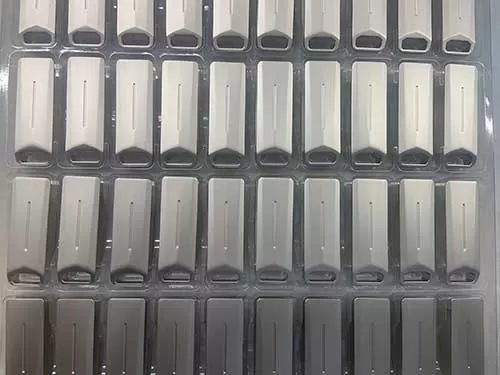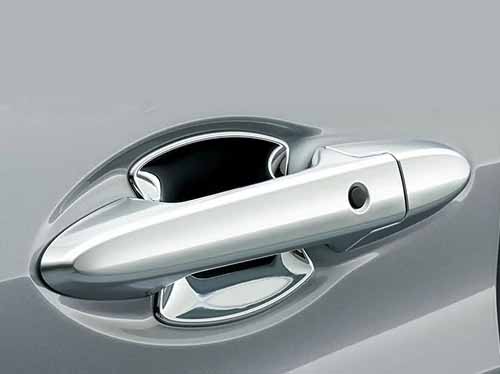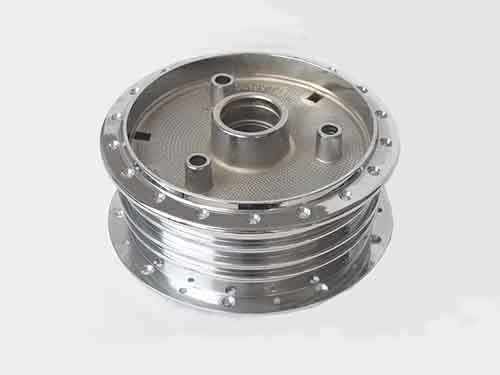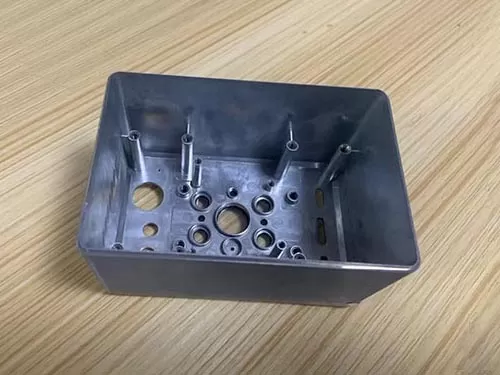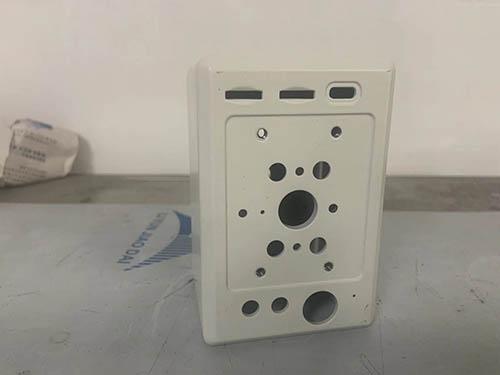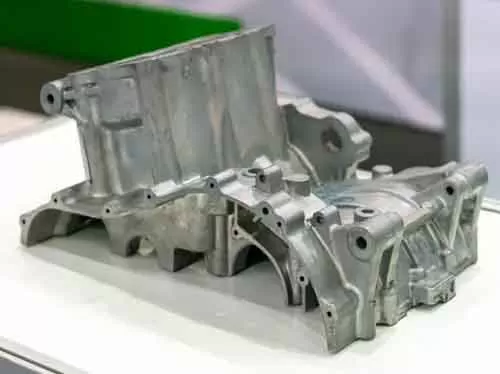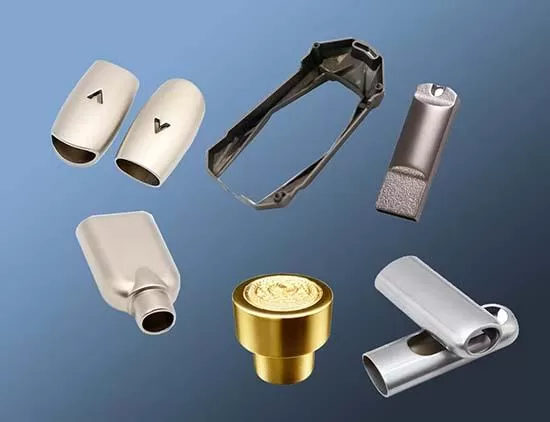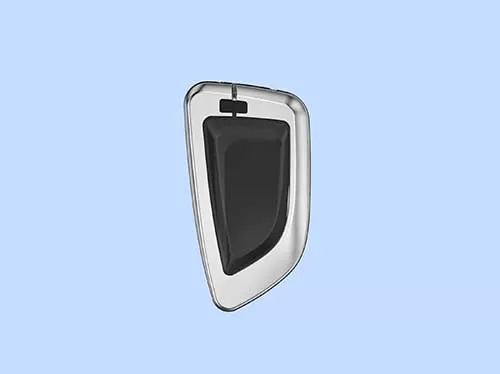
Zinc die casting camera housing replaces aluminum die casting camera housing can save more time cost and machining cost. In term of same application , but its cost is lower much than aluminum one.
Camera Housing is often made of aluminum alloy material due to main reasons that it has a good heat sink and light weight. But its cost is very high, request expensive raw material cost and high machining cost. So processing aluminum die casting camera housing spends more expense. If this kind of camera housing can be replaced by other cheaper material, That will save much expense.
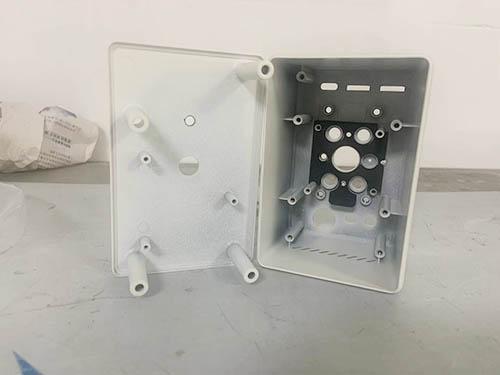
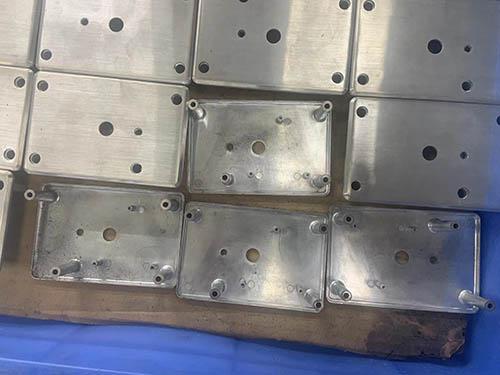
Zinc Die Casting Camera Housing Advantages
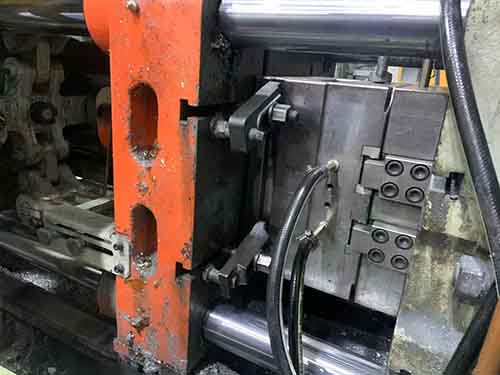
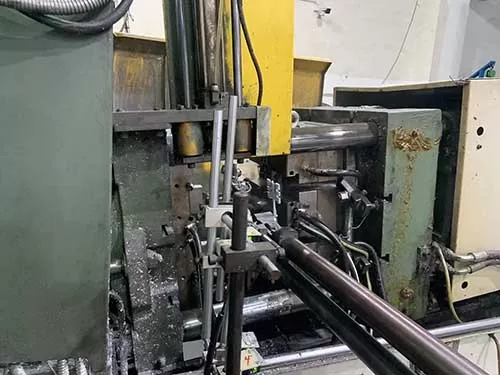
This zinc die casting camera housing just belong to medium size of part. The hot chamber die casting is best ideal for process this kind of precision cast part. It advantages reflect the below points significantly.
1. Fast Production Cycle
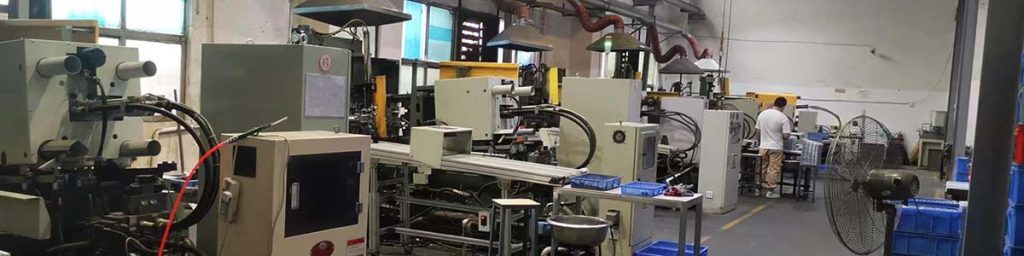
Hot-chamber die casting machines have fast cycle times because the molten zinc is directly injected into the mold from an integrated furnace. This minimizes downtime between casting cycles and leads to high-volume production. Zinc alloys solidify quickly, further speeding up the production process.
2. Cost-Effectiveness
The rapid cast cycle reduces labor and machine operation costs. Because zinc alloys flow easily and fill molds efficiently, the process has fewer rejections and defects, minimizing material waste. Since the furnace is part of the machine and the molten metal remains ready for injection, energy consumption is optimized, making the process more efficient compared to cold-chamber die casting.
3. Excellent Surface Finish and Precision
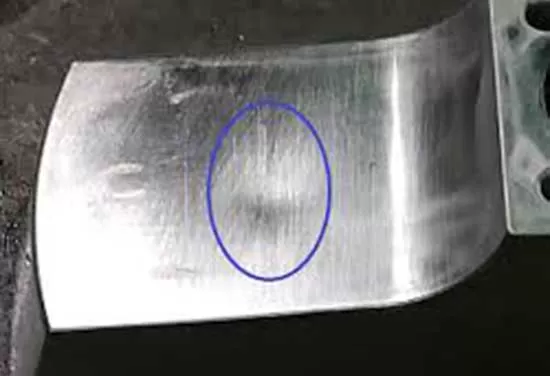
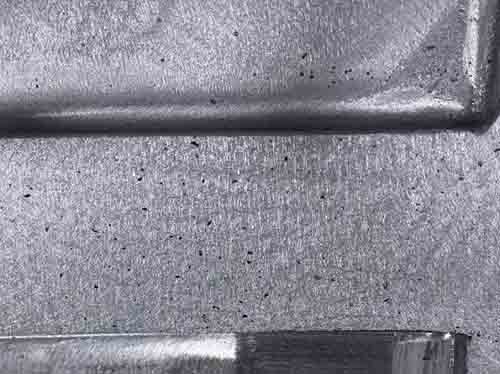
Zinc alloys cast with hot-chamber machines offer excellent precision, allowing complex, intricate shapes and thin-walled parts to be produced without defects. The process results in a high-quality surface finish, which often eliminates the need for extensive secondary machining or finishing operations.
4. Reduced Wear and Tear on Equipment
Zinc alloys have a low melting point (around 380-400°C), which is ideal for hot-chamber casting. The low temperature reduces wear on the machine’s components, prolonging the life of the molds and other parts. Because zinc alloys are less abrasive on molds, they increase the mold life, reducing tooling costs and downtime for maintenance or replacement.
5. Minimal Material Waste
The hot-chamber process allows for the continuous reuse of molten zinc. Any excess metal can easily be recycled, reducing waste and material costs. The precision of the process often produces parts that require little to no additional machining, which reduces scrap material.
6. Compatibility with Complex Designs
Zinc alloys have excellent flow characteristics, zinc die casting component design includes of intricate internal structure, sharp edges, and very thin walls that might be difficult or impossible to achieve with other metals or processes. The high fluidity of zinc alloys ensures even distribution of the molten metal, resulting in consistent high quality and defect-free for cast parts.
7. Strength and Durability of Zinc Alloys
Zinc alloys provide a great balance of strength, toughness, and corrosion resistance. When casting with hot-chamber machines, these alloys maintain their structural integrity, making them ideal for a wide range of industrial and consumer applications. Zinc naturally resists corrosion, extending the lifespan of parts produced, particularly those used in outdoor or harsh environments.
8. Environmentally Friendly Process
Since the casting process is fast and uses lower temperatures than other metals (like aluminum or brass), it is more energy-efficient. Zinc alloys can be easily recycled, and the casting process itself generates less waste, making it a greener choice for manufacturers.
Zinc Die Casting Camera Housing Design Is Flexible
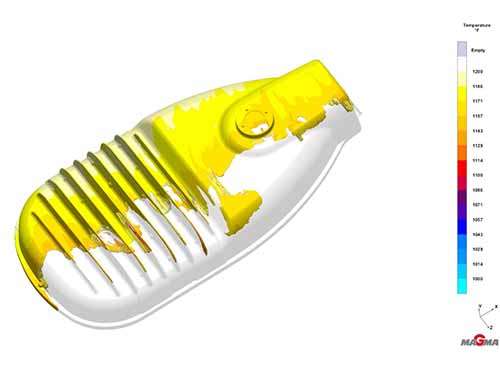
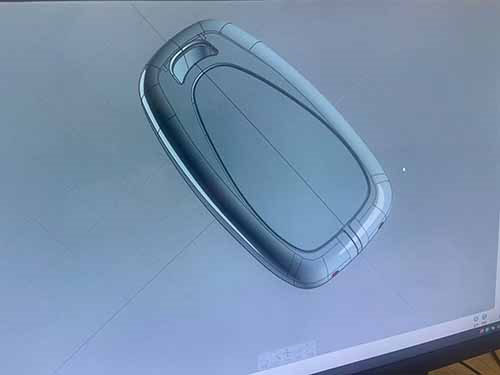
Zinc die casting component design is best for small and medium size die casting parts. With the aid of computerial design soft and cutting-edge metal flow simulation tools, engineers follow constraint factors for zinc die casting part structure design, and create more functional and durable camera housings. The below key points reflect the design more flexible.
- Wall Thickness: uniform wall thickness between 0.5mm to 5mm
- Draft Angles: draft angle between 1° and 3°. This helps ejecting out of the part from the die
- Undercuts: Engineers use pillars to create more holes in the cast part, and to realize more functionalities and maintain integrated structure of the cast part.
- Fillet Radii: radii (R ≥ 0.5 mm), minimum 0.3 mm radius
- Parting Line & Ejection: reduce the creak between the halves of the die, Put the ejector pins on the non-critical areas
- Ribs & Bosses: add ribs, reinforce the structure of the cast part.
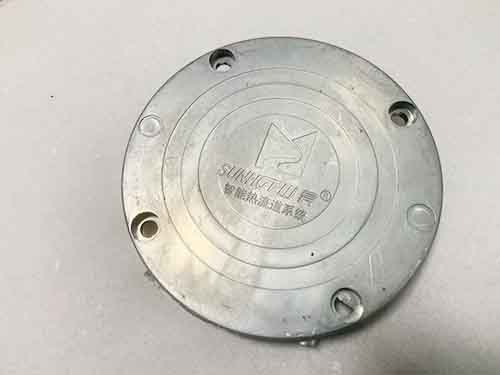
- Surface Finish & Textures: texture and pattern is engraved
Zinc Die Casting Camera Housing Cast Is Cost- Saved
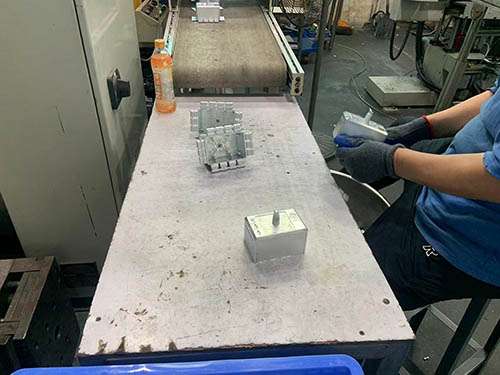
Faster Cast Cycle, Production-time Saved
Zinc alloy belongs to lower melting metal, and cool and solidify fine surface finish cast part in short time. This shortens cast cycle for cast part. Repeative cast cycle time is reduced largely and makes production-time for cast the part in mass production is shortened.
Less Heat Energy Consumption, Energy-Saved
The alloy metal should be molten when forming the cast part with die casting machine, This require heat energy to melt the alloy metal. Zinc is low melting metal, which be molten at lower temperature , and has less heaat energy consumption, compare to aluminum alloy. In aspect of engery conssumption, zinc has less heat energy consumption, energy saved.
Fine Surface Finish, Post-process Saved
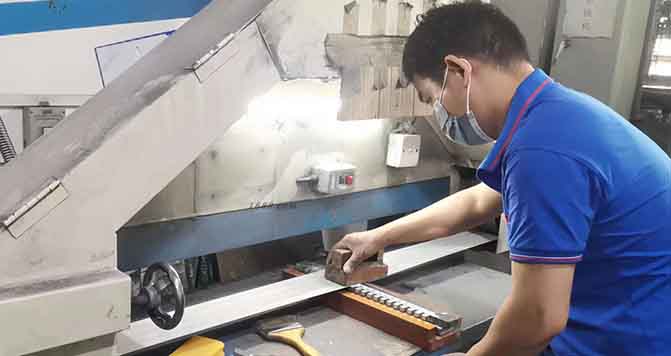
Casting die for casting zinc alloy can be polished and textured well in precision, and ensure fine surface finish of cast part. This reduces post processes for as-cast part. Meanwhile accurate dimension of cast past is tight tolerance.
Complex Internal Structure, CNC-Machining Cost Saved
The high precision casting die can create integrated structural and complex internal structure part according to specific requirements. And reduces excessive cnc machining operation and bring more labor and time cost for processing the part. It either creates complex internal structure or has cnc-machining cost saved.
Zinc Cost Is Lower than Other Non-Ferrous Metal, Raw Material Cost Saved
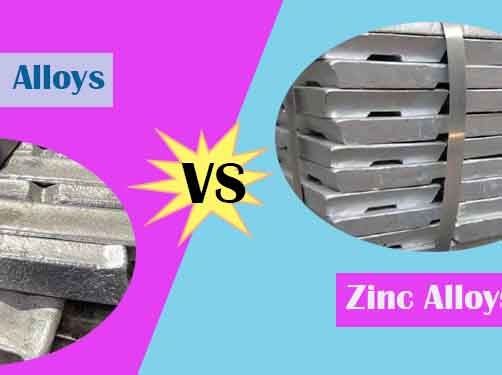
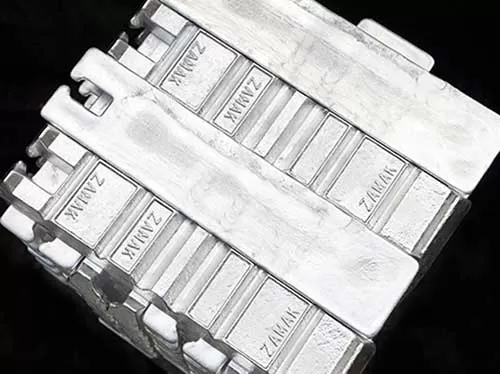
Zinc alloy is cheaper than other non-ferrous metal, so its raw material cost is lower.
Conclusion
Zinc die casting camera housing design flexiable and cast cost-saved due to the unique character of zinc alloy. It advantages bring more cost-saved and design flexibility. The lower melting points metal replace traditional aluminum camera housing, and realize more functional housing for communication cameras.