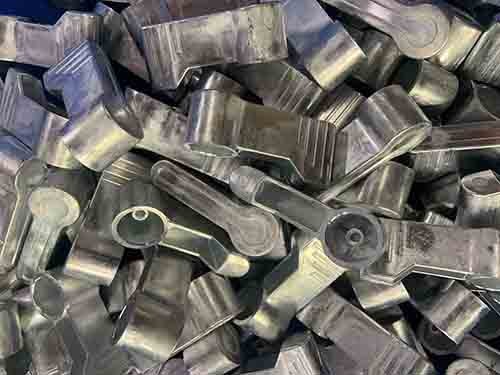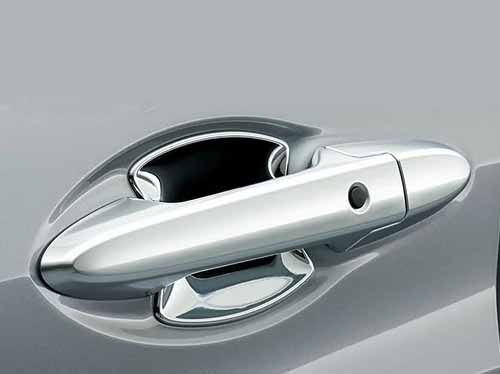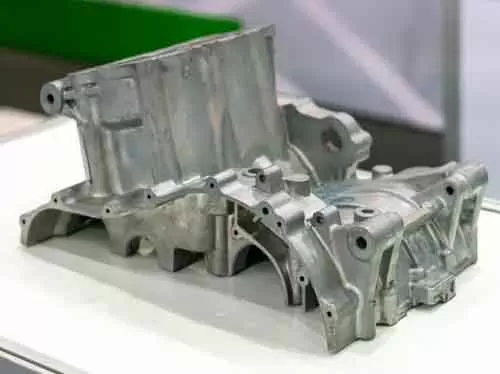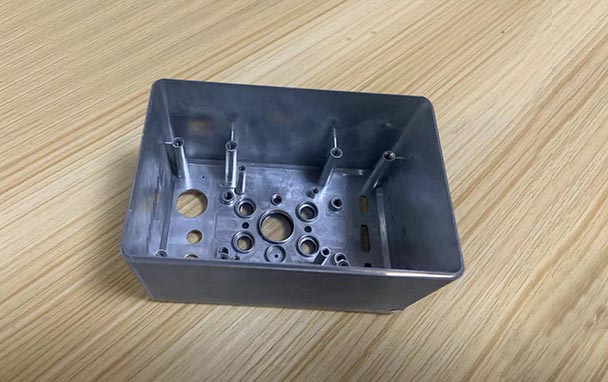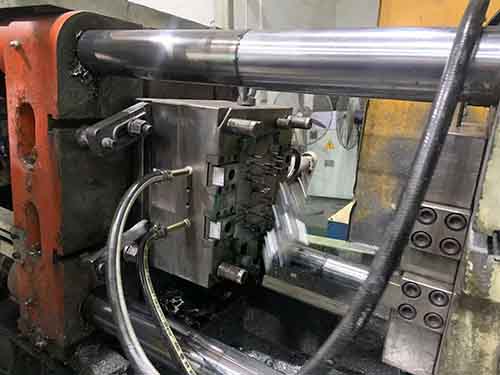
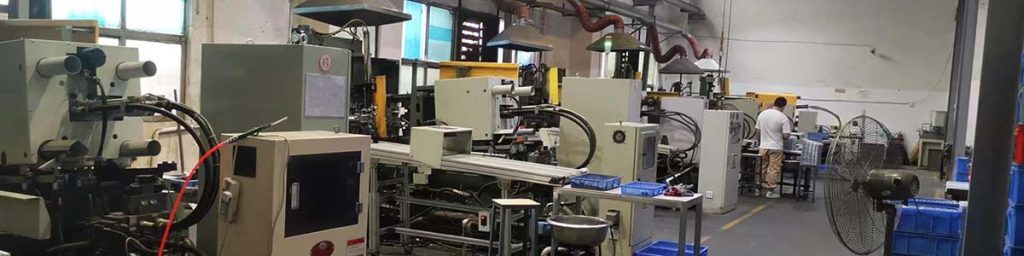
In today’s advanced manufacturing industry, zinc die casting has become one of the most efficient and reliable metal forming technologies for producing complex, high-precision, and high-volume components. As an engineer with 15 years of experience in zinc die casting manufacturing, I have seen how proper product design directly determines tooling performance, casting stability, production efficiency, and final product quality. Hereby complete zinc die casting design for high-precision manufacturing as Valuable Engineering Reference.
A successful zinc die casting project is never only about mold manufacturing. The real foundation starts from high precision zinc cast part design, where structural optimization, manufacturability, dimensional control, alloy selection, and surface finishing are all considered before tooling development begins.
At TS Die Casting Technology, advanced engineering experience combines with modern production systems to help OEM customers achieve stable, cost-effective, and high-quality zinc alloy die casting solutions for automotive, communication, electronics, industrial hardware, and miniature precision components.
Zinc Die Casting Design Guide
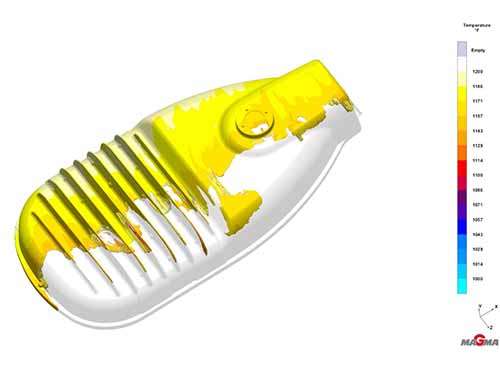
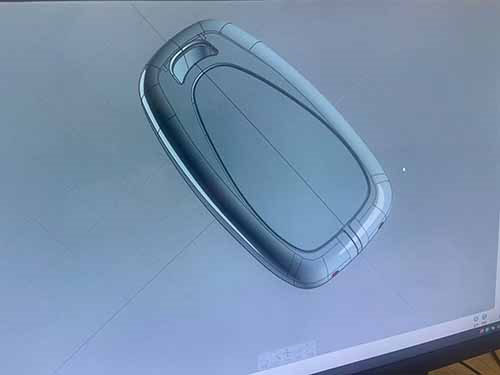
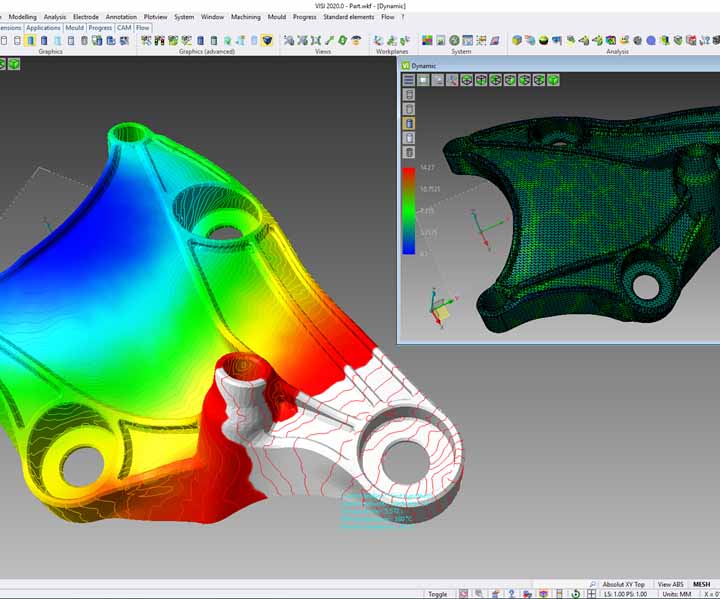
Product 3d Model Sketch And Mold Flow Design
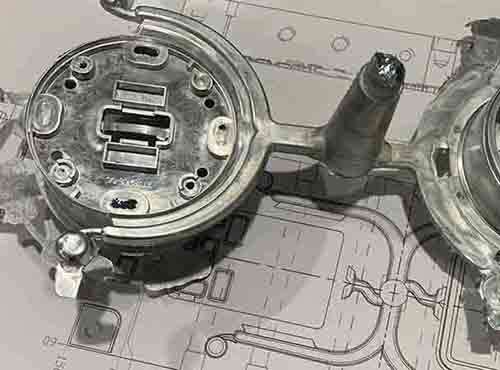
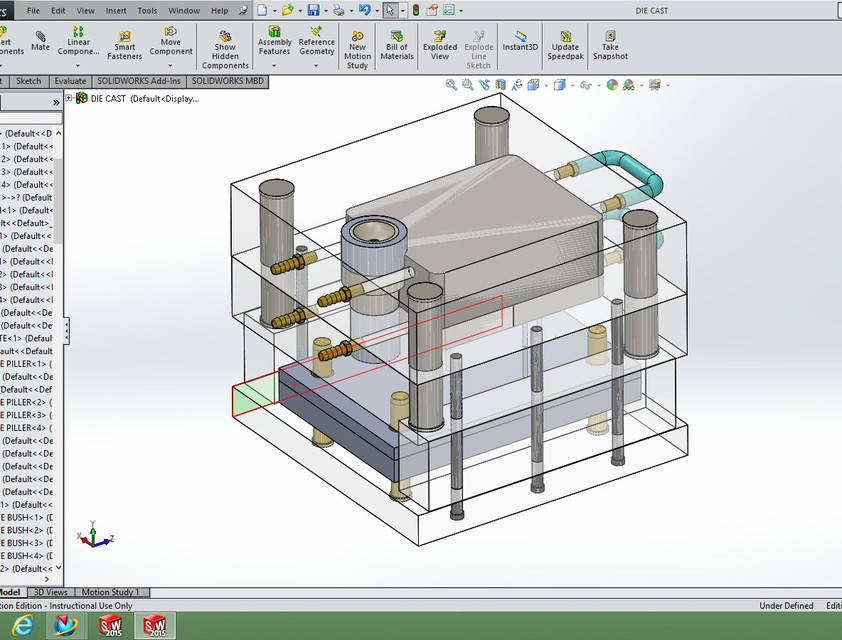
Product 3D Model Design is the process of creating a digital three-dimensional representation of a product before manufacturing. It is a critical step for zinc die casting, aluminum die casting. Well-experineced engineer uses some 3d design software, like CAD, Proe, UG and Solidworks to sketch custom 3d model of product carefully. Then import the model into mold flow software, MAGMASOFT, ProCAST, and FLOW-3D CAST are commonly used. Create The Cast die layout.
Structure of High Precision Mold Constraint
From practical engineering experience, the success of a zinc die casting project depends heavily on whether the product was designed specifically for die casting manufacturability.
Many design failures happen because products are created only based on appearance or assembly requirements without considering metal flow, shrinkage behavior, draft release, or thermal stress.
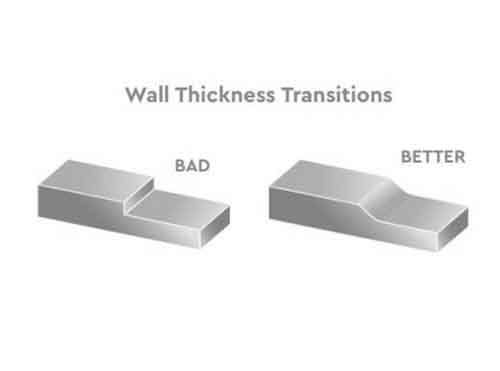
1. Maintain Uniform Wall Thickness
Uniform wall thickness is one of the most important rules in zinc die casting design. Typically excessively thick areas create shrinkage porosity,Internal voids,Thermal imbalance, Sink marks, easily lead to dimensional instability. Extremely thin areas may cause Incomplete filling, Cold shuts, result in weak mechanical strength. Recommanded thickness range
- Standard parts: 1.0 – 3.0 mm
- Miniature precision parts: 0.3 – 1.0 mm
- Structural components: 2.0 – 4.0 mm
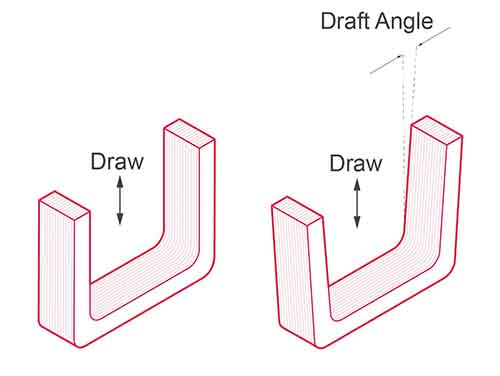
2. Proper Draft Angle Design
Every zinc cast part requires draft angles for stable mold release. Insufficient draft often causes ejector deformation, surface scratches, mold sticking, shorten tooling life. Recommended draft angle range:
- External surfaces: 0.5° – 1°
- Internal surfaces: 1° – 2°
- Deep cavity structures: larger draft required
If textured surfaces or electroplated parts, additional draft compensation should always be considered.
3. Radius and Corner Optimization
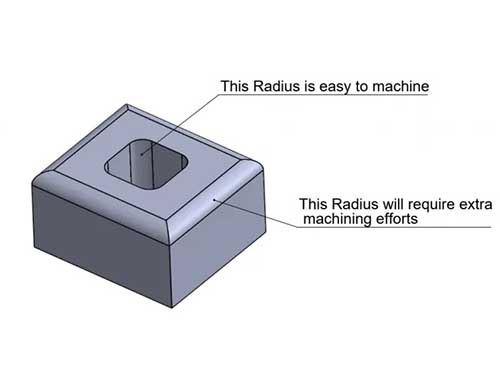
Sharp corners should always be avoided in high precision zinc cast part design. Internal radii improve molten metal flow significantly and reduce crack risk. Recommended Engineering Practice.
- Use generous fillet radii
- Maintain smooth metal flow paths
- Reduce thermal concentration
- Improve mold filling stability
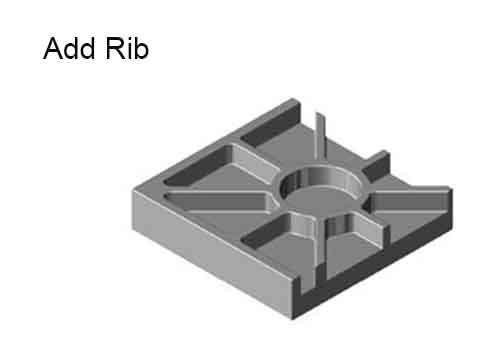
4. Rib and Reinforcement Design
Ribs are essential for improving structural strength while minimizing material consumption. Recommended Rib Thickness.
Rib thickness should generally be: 50% – 70% of adjacent wall thickness
Overly thick ribs commonly create: sink marks, porosity and uneven cooling.
Proper rib geometry improves stiffness without increasing part weight.
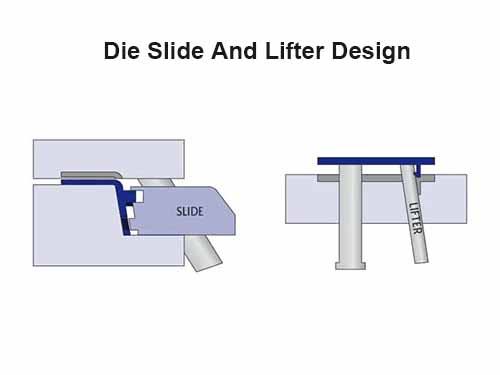
5.Die Slide And Lifter Design
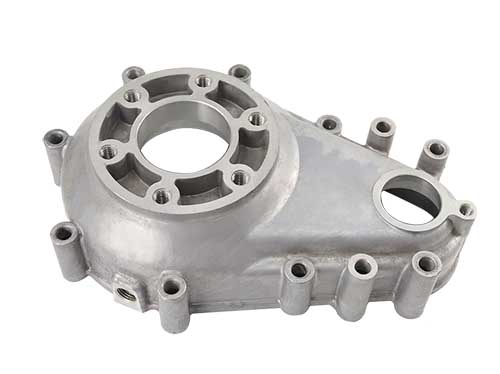
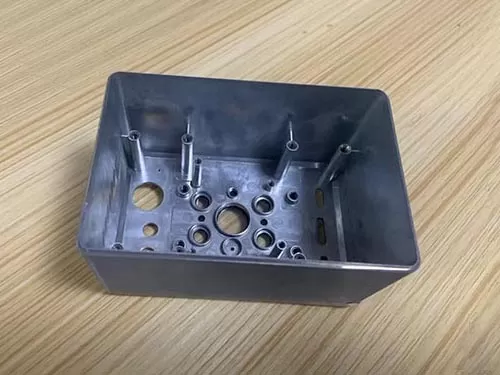
Undercuts: Die Slide And Lifter Design can be used but add cost if possible. But the fuction can resolve the design of intricate structure and functionalities of the cast part. Engineers use pillars to create more holes in the cast part, and to realize more functionalities. Undercuts makes casting die more complex, but can cast more functional cast parts.
Undercuts and complex geometries can enhance functionality, especially some complex geometries and specific functionality parts are designed. They often require additional tooling design, such as cores or slides, which increase cost and complexity. How to cast complex geometries ? when we need consdering having a good zinc die casting part structure design, several points as following Iisted is attended.
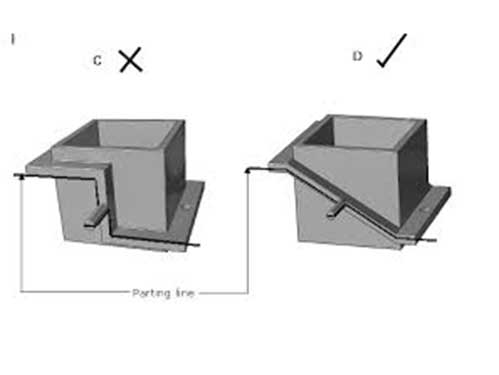
6.Parting Line & Ejection
keep consistent optimization of the cavity and the core of the die , and reduce the creak between the halves of the die, minimize flash & finishing work. Ejection Pins: Put the ejector pins on the non-critical areas, to avoid visible marks on critical surfaces, ensure high quality cast part.
- Common standard tolerances achievable with zinc die casting (e.g., ±0.025mm for critical dimensions and ±0.10mm for non-critical ones).
- Conduct detailed tolerance stack-up analysis during design, And ensuring all dimensions meet functional and assembly requirements.
7.Tolerance Design
| Feature | Recommended Tolerance |
|---|---|
| Overall Length 100 mm | ±0.10 mm |
| Mounting Hole Position | ±0.05 mm |
| Bearing Bore | ±0.02 mm (machined) |
| Cover Sealing Surface | Flatness 0.05 mm |
| Decorative Surface | ±0.15 mm |
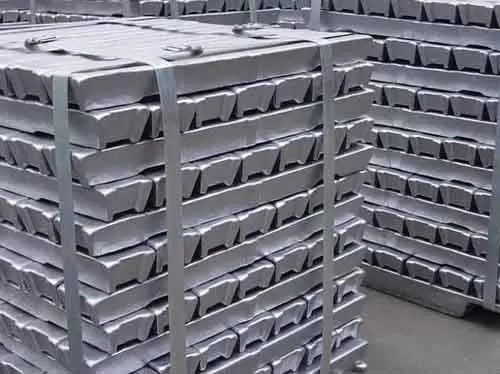
Proper Zinc Alloy Selection
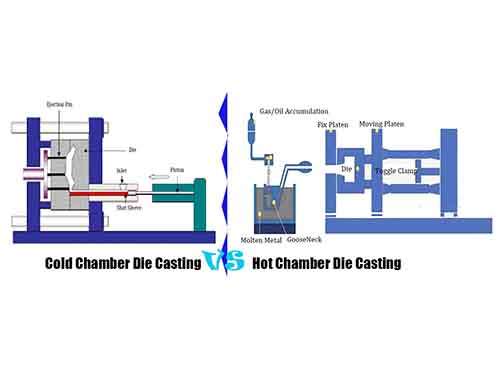
| Alloy | Process | Application |
|---|---|---|
| Zamak 3 | Hot chamber die casting | General |
| Zamak 5 | Hot chamber die casting | Higher Strength |
| Zamak 7 | hot chamber die casting | Better Fluidity |
| ZA-8 | hot chamber die casting and cold chamber die casting | Heavy Duty |
| ZA-12 | Cold chamber die casting | Lightweight , good strength |
| ZA-27 | Cold chamber die casting | High strength, best heat dissipation, |

Die Casting Project Quote
Find one of professional die casting factory to finish your project? If you want, please contact us by Email here !
Miniature Zinc Cast Part Design Challenges
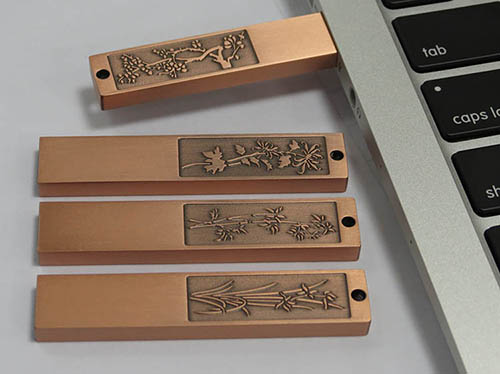
Miniature zinc die casting represents one of the most technically demanding manufacturing areas. The design needs considering of the strength, tight-tolerance dimensional stability, integrated structure and strong corrosion resistance. These miniature zinc cast parts may be used for micro gears, electronic connectors, sensor housings, smart lock components, shielding parts in communication and medical precision accessories. So the special manufacturing process will face these severe challenges.
- Ultra-Thin Wall Filling: Miniature structures require highly optimized gate systems and injection speed control.
- Venting Precision: Poor venting easily causes trapped gas defects
- Mold Temperature Balance: Small parts are extremely sensitive to thermal variation.
- Flash Control: Miniature parts require exceptional tooling precision.
- Ejection Stability: Improper ejector design can deform tiny structures.
Through extensive manufacturing experience, TS Die Casting Technology has developed specialized solutions for miniature zinc cast part design and ultra-precision manufacturing.
High Effective Zinc Die Casting Manufacturability Accessment
A good zinc die casting design is not only functional — it must also support efficient mass production. This is the true meaning of high effective zinc die casting manufacturablity.
Engineering Principles for Manufacturability
- Reduce Complex side actions: More complex zinc structural part, tooling design more complex, tooling maintenance difficulty, makes production instability.
- Simplify Parting Line Structure: Extend the life time of mold, maintain dimensional consistency and eaily control flash.
- Optimize Gate Position: blancing filling, reducing porosity, ensure stable dimensional accuracy.
- Design for automated production: robotic hands, smart conveyor systems, disagent spraying automatically.
Common Zinc Die Casting Defects and Design Solutions
| Defect | Cause | Solution |
|---|---|---|
| Porosity | Thick sections, Poor venting, Improper gate design | Optimize wall thickness, Improve overflow layout and adjust filling balance |
| Flash | Excessive injection pressure, Poor mold locking and Worn tooling surface | Improve mold precision, Optimize clamping force and Refine parting surface design |
| Cold Shut | Low metal temperature, Poor flow path and thin-wll interruption | Improve runner layout, Increase filling speed and optimize gate location |
| Surface Sink Marks | Thick ribs, uneven cooling, excessive material concentration | Reduce local thickness, Add balanced reinforcement structure and improve thermal distribution |
Surface Finishing for Precision Zinc Cast Parts
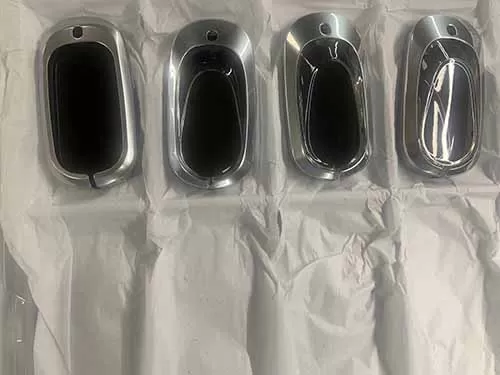
Zinc alloy provides excellent compatibility with multiple finishing technologies, make zinc cast parts more smooth and aesthetics surface and extend the life time of the parts. Common die cast part surface finishings as the below approaches.
- Electroplating
- Powder coating
- E-coating
- Painting
- Polishing
- Sand blasting
- Chrome plating
- Nickel plating
- Black coating
Good surface finishing design should already be considered of burrs on the parts and the treatment of the rough surface of the part during product development. Sharp edge, deep blind holes and poor draft angles on as cast parts should be removed.
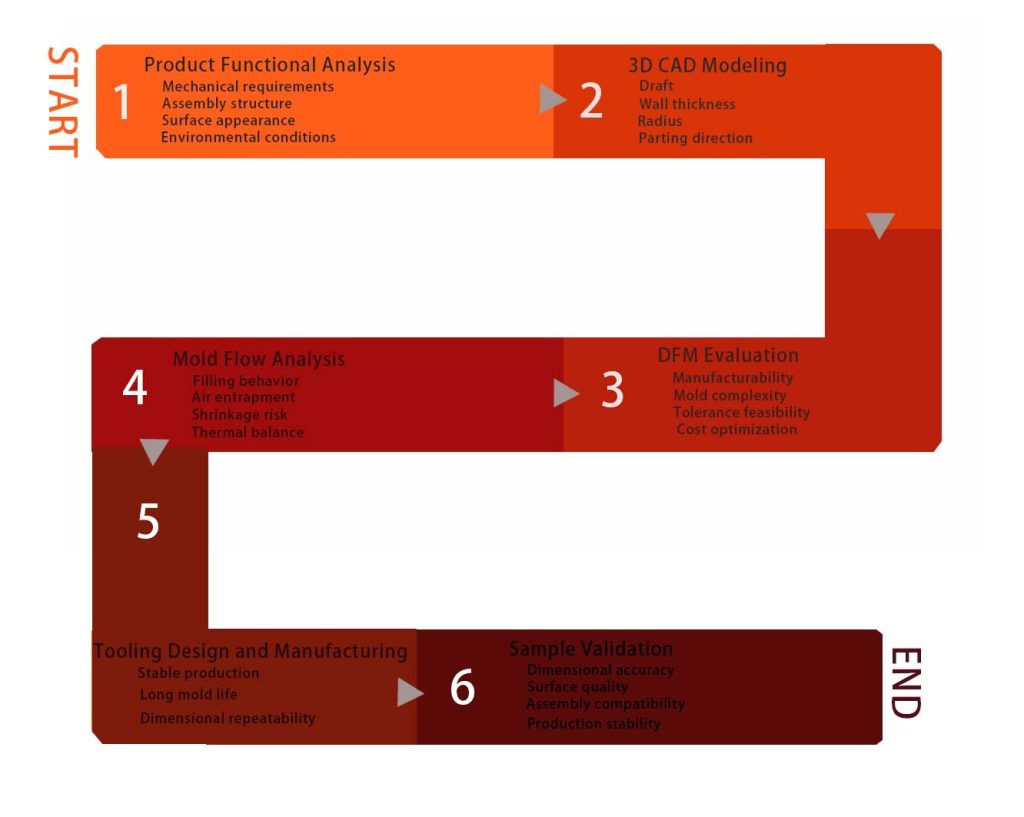
Engineering Design Workflow for Zinc Die Casting
Why Choose TS Die Casting Technology
TS Die Casting Technology provides complete OEM zinc alloy manufacturing solutions with strong engineering support and advanced manufacturing capability.
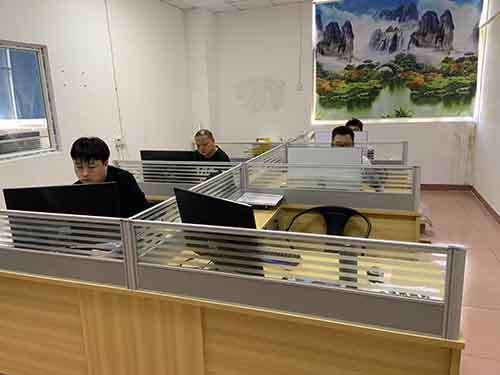
Professional Engineering Team
Experienced die casting engineers optimize every project from design to production.
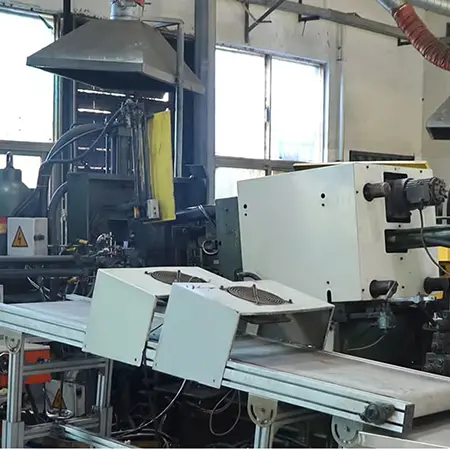
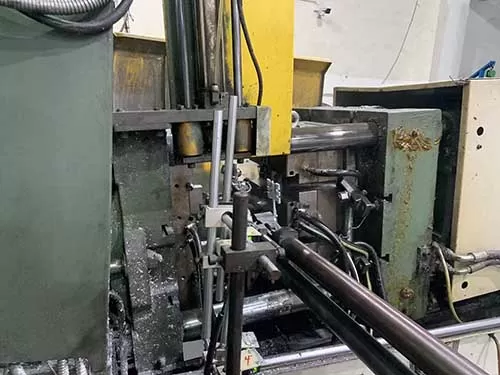
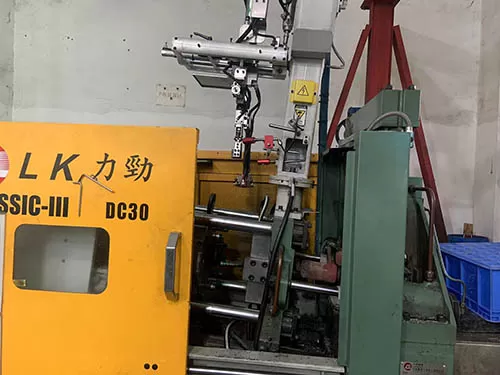
Advanced Hot Chamber Die Casting Systems
High-speed automated manufacturing ensures stable quality output.
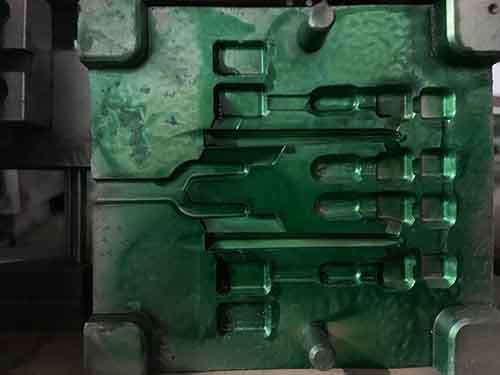
Precision Tooling Capability
High-accuracy mold manufacturing supports complex zinc components.
Automotive Manufacturing Experience
Strict quality control systems support demanding automotive applications.
Miniature Precision Manufacturing
Strong capability in ultra-small zinc die casting production.
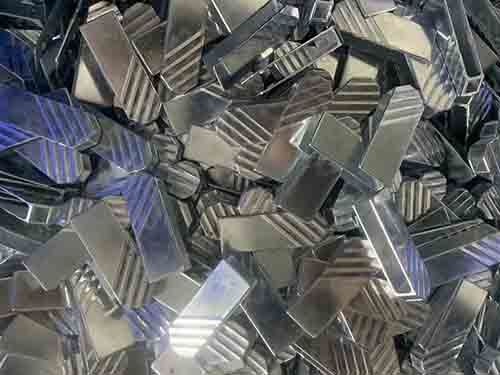
Complete Surface Finishing Support
Integrated finishing solutions improve corrosion resistance and appearance quality.
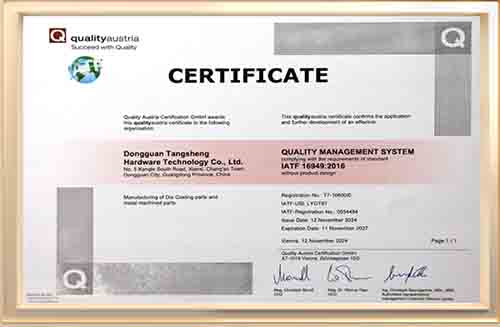
IATF 16949 and ISO 9001 2015 certified enterprise
Conclusion
Successful zinc die casting manufacturing begins with proper engineering design.
Whether developing automotive zinc cast part design, miniature zinc cast part design, or high precision structural components, every design decision directly affects final production quality, tooling stability, manufacturing cost, and long-term reliability.
By combining advanced hot chamber die casting technology, engineering-focused DFM optimization, and practical manufacturing experience, modern zinc die casting manufacturers can achieve highly efficient, stable, and precision-oriented production systems.
With professional engineering support and strong manufacturing capability, TS Die Casting Technology continues to provide reliable custom zinc die casting solutions for global OEM customers across automotive, communication, electronics, industrial, and precision engineering industries.