
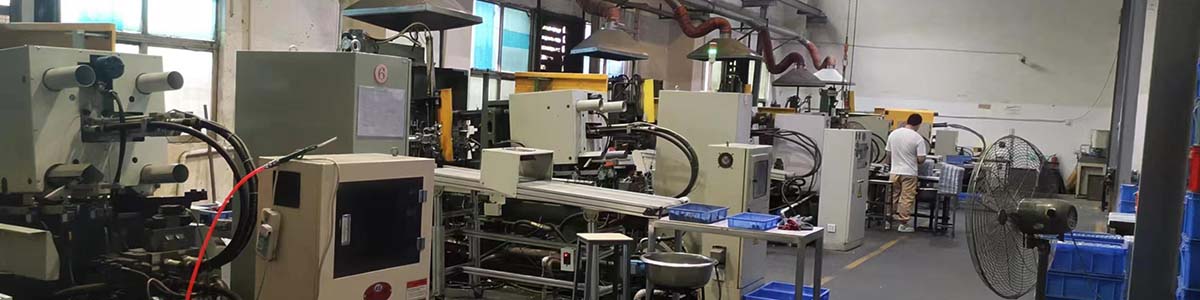
The polishing approach for metal parts is usually selected according to the required surface roughness (Ra), dimensional tolerance, material hardness, and final application. Different polishing technologies can achieve different roughness levels and surface appearances.Die casting polishing is indispensable operation at OEM precision die casting factory.
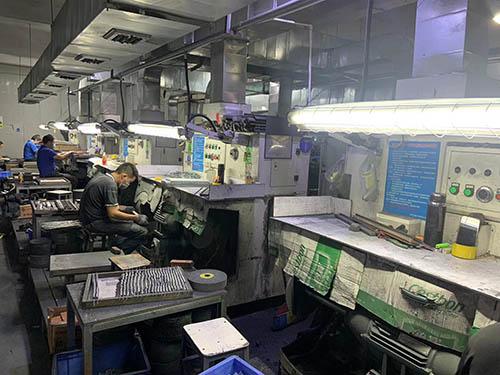
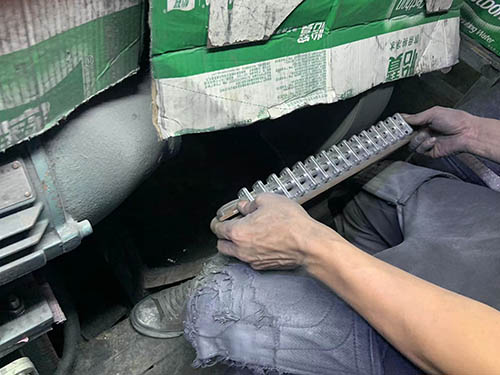
Die Casting Polishing Process Approaches
At a professional die casting manufacturing factory, complex and high-precision die casting components often require specific polishing processes to achieve the desired surface roughness (Ra) before surface finishing. Proper die casting polishing directly affects coating adhesion, plating quality, gloss consistency, corrosion resistance, and the overall appearance of the finished product.
TS Die Casting Technology specializes in polishing zinc die casting parts, aluminum die casting parts, stainless steel parts, and precision CNC-machined components. Our pre-finishing and pre-electroplating polishing services help eliminate flash, burrs, oxidation layers, and surface imperfections, creating an ideal foundation for electroplating, powder coating, painting, and other decorative or protective surface treatments. The following polishing methods are commonly applied to achieve different surface roughness requirements.
| Polishing Method | Typical Surface Roughness (Ra) | Surface Appearance | Suitable Materials |
|---|---|---|---|
| Sand Blasting | Ra 3.2–12.5 μm | Matte / textured | Aluminum, steel, zinc |
| Belt Grinding | Ra 0.8–6.3 μm | Directional grain | Stainless steel, aluminum |
| Mechanical Nylon Buffing | Ra 0.2–1.6 μm | Bright / semi-mirror | Zinc, brass, aluminum |
| Vibratory Polishing | Ra 0.1–0.8 μm | Smooth uniform finish | Small precision parts |
| Electropolishing | Ra 0.1–0.4 μm | Bright metallic gloss | Stainless steel |
| Mirror Polishing | Ra 0.01–0.05 μm | Mirror surface | Stainless steel, mold steel |
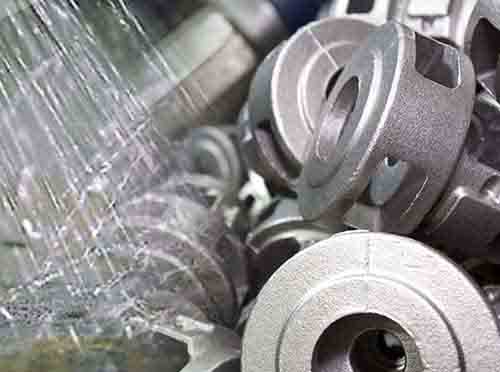
Sand Blastering
Sand blasting (also called abrasive blasting) is a surface treatment process that uses high-speed abrasive particles propelled by compressed air or turbine force to impact the metal surface.
Typical abrasive materials: Aluminum oxide, glass beads, steel shot, ceramic beads,garnet sand and stainless steel shot.
Suface Roughness is poor, the range is 3.2∼12.5 μm. These cast parts treated are suitable for painting, powder-coating.
Belt Grinding
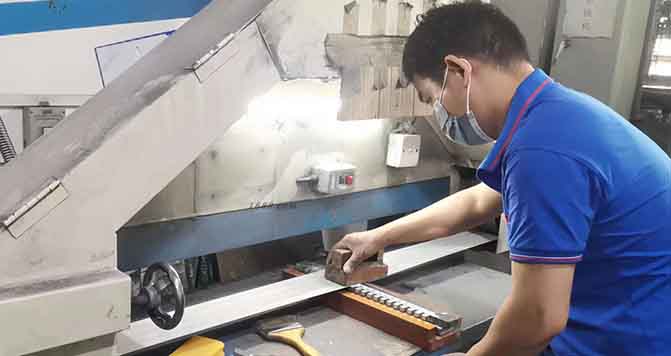
Sanding smooth the surface, for metals like aluminum, brass, and steel.
Wet/Dry Sandpaper: Firstly,Using wet/dry sandpaper starting from 400 grit. then moving to finer grits (600, 800, 1000, or higher). Wet sanding reduces heat generation and produces a smoother surface finish.
Surface roughness is fine, Ra 0.8–6.3 μm, creates matte and satin suface efficiency, and suitable for matte, satin-nickel plating.
Mechanical Nylon Buffing
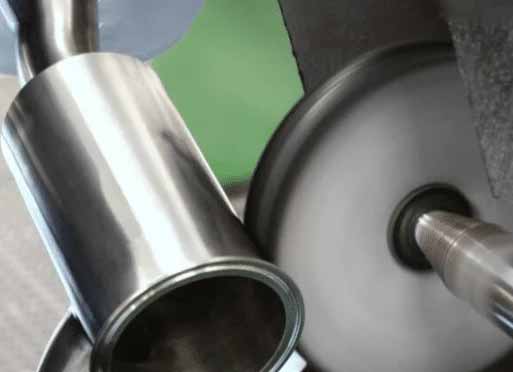
The polishing tool rotates or vibrates while abrasive media gradually removes Surface peaks, Scratches, Oxide layers, Flow marks, burrs and machining traces.
Typical Abrasive Material: Hemp or nylon wheel, and polishing compound.
Surface roughness is fine, Ra 0.2–1.6 μm, create even smooth and flat surface.
Viberation Polishing
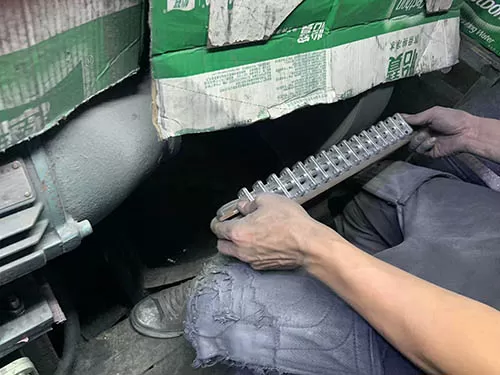
Buffing Wheel or Polishing Wheel: Use a soft buffing wheel on rotary tool ,add polishing compounds on it. We will use different polishing compound according to polish different material parts. Sometimes, and polishing wheel is alternative due to achieve different efective surface result.
Typical abrasive material: Nylon, Cloth Wheel and various polishing compounds.
Surface roughness is excellent, up to 0.10∼0.40 μm. Alternative polishing, uniformly roughness on the surface the cast parts.
Mirror Polishing
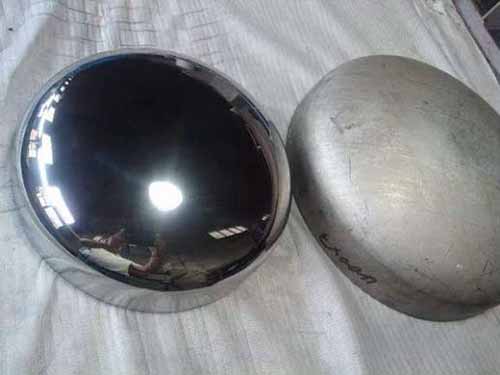
Mirror polishing is an ultra-fine surface finishing process that produces a highly smooth, reflective, mirror-like metal surface by progressively removing microscopic scratches, waviness, and surface irregularities using fine abrasives and buffing compounds.
Typical abrasive material: soft cotton buff wheel, Ultra-fine diamond compound, Precision polishing slurry
Surface roughness is superior, less 0.01um. The process is suitable for precision mold manufacturing, decorative zinc die casting, automotive trim, bathroom hardware, consumer electronics, and optical tooling.
Surface Roughness Measurement Verification Polish Grade
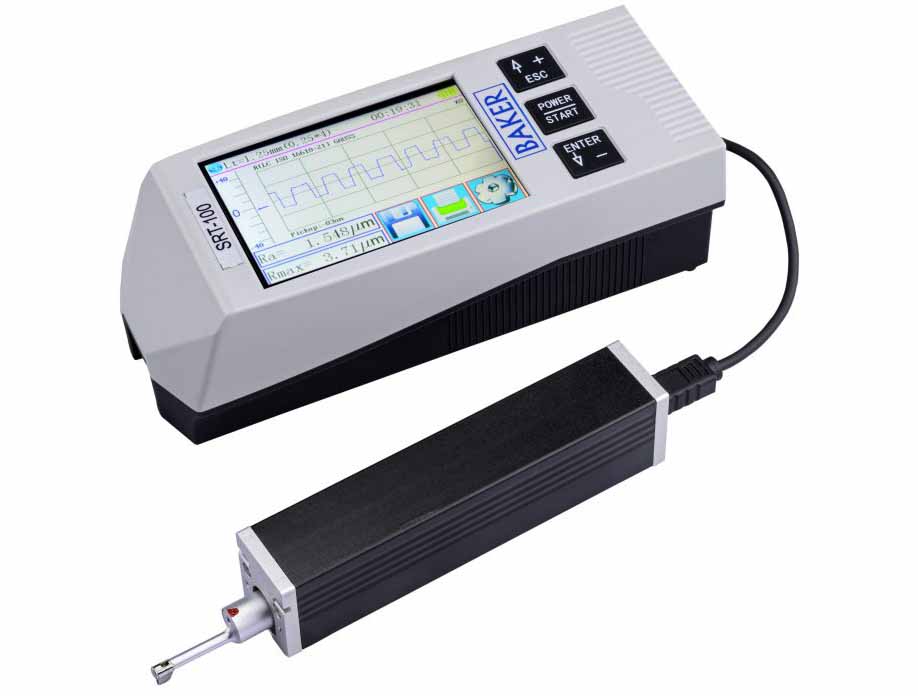
Surface roughness measurement is an essential quality control procedure for verifying polishing grades. Using precision roughness measuring instruments, manufacturers can evaluate the Ra value of polished die cast parts and confirm compliance with customer specifications. Typical polishing grades range from Ra 6.3 μm for standard finishes to Ra 0.1 μm for high-gloss and mirror-polished surfaces. Accurate roughness verification ensures optimal coating performance, gloss uniformity, and product durability.
| Polishing Grade | Typical Ra Value (μm) | Surface Appearance |
|---|---|---|
| Coarse Polish | 6.3 – 3.2 | Matte |
| Fine Polish | 3.2 – 1.6 | Smooth |
| Precision Polish | 1.6 – 0.8 | Fine Gloss |
| High Gloss Polish | 0.8 – 0.4 | Bright Surface |
| Mirror Polish | 0.4 – 0.1 | Mirror Finish |

Die Casting Project Quote
Find one of professional die casting factory to finish your project? If you want, please contact us by Email here !
Why Polishing Is Important For Die Casting Parts
As cast parts ejected from the die, on which obvious parting line, hidden burrs and thin flash and extra gate material existed, so these rough die casting parts allow accepting polishing process, and remove burrs on the surface and smoothen line fringeprint and improve the surface roughness of these parts and accept further finishing treatments.
Improve Ra roughness
Different die casting polishing process achieve surface roughness levels (Ra) ranging from 6.3 μm to 0.1 μm. By selecting the appropriate polishing method, manufacturers can meet the surface quality requirements for electroplating, powder coating, anodizing, painting, and other decorative or functional surface finishing treatments.
Improve coating adhesion
Polishing is an important surface preparation process for die cast parts. It removes dirt, oil, grease, and oxide layers while maintaining the original metal properties. The resulting smooth and clean surface improves the adhesion of the surface of die casting parts for electroplating, powder coating, painting, and other decorative or protective surface finishes.
Remove flash and burrs
Various die casting polishing processes can remove excess flash, burrs, and minor surface defects from cast components. The die casting deburring results in smoother and more uniform surface enhances product quality and provides an ideal foundation for subsequent surface finishing treatments such as electroplating, powder coating, and painting.
Improve corrosion resistance
Polishing contributes to improved corrosion resistance in die cast parts by creating a smooth, uniform surface that supports better adhesion of electroplating, powder coating, painting, and other protective finishes. As a result, the finished component achieves enhanced durability and longer service life.