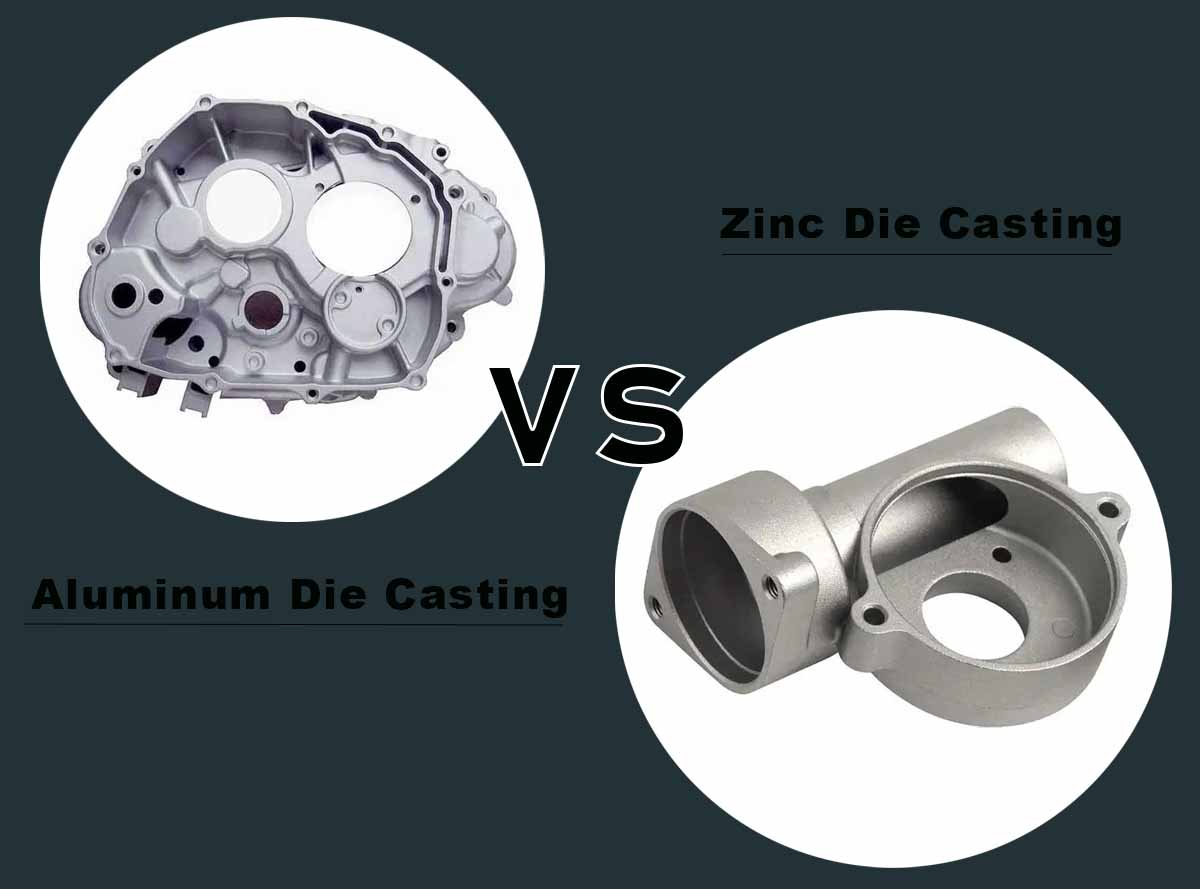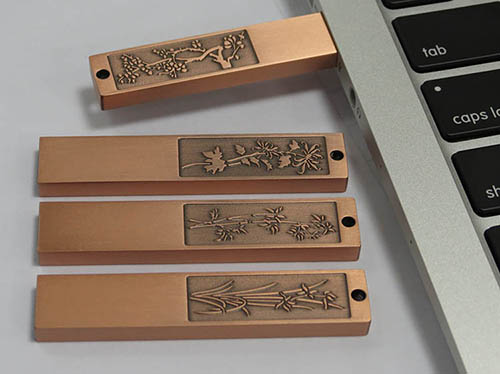
For OEM purchasing managers and product engineers, selecting the right die casting process directly affects tooling investment, production efficiency, product quality, and long-term profitability. Comparison to the most common cold chamber aluminum die casting, Zinc die casting operates at a lower melting temperature, generally enables faster casting cycle, shorter cooling time and less post-processing. Zinc alloys can produce high quality consistent cast parts with stable dimension accuracy and fine surface detail repeatedly, and reduce the post-processing cost. The final cost of a zinc die casting project depends on multiple factors, including part design complexity, tooling and mold structure, production volume, alloy selection, dimensional tolerances, surface requirements, and post-processing operations.
The biggest cost advantages come from zinc die casting mass production cost, lower mold repair and maintenance costs, reduced secondary operations and longer tooling life. Today We explore about zinc die casting cost in detail.
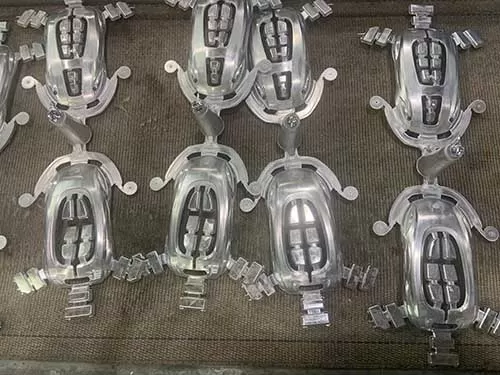
Main Factors Affecting Zinc Die Casting Cost
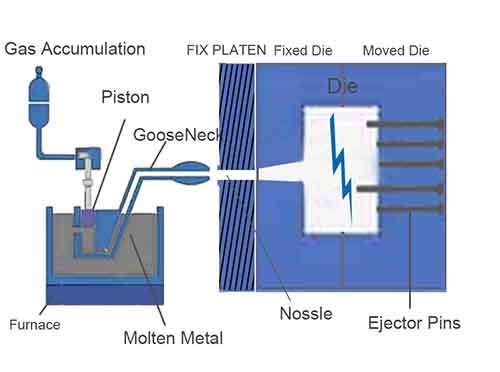
Before examining the individual cost elements, it is important to understand how zinc die casting works. Zinc has a relatively low melting points and is commonly processed using hot-chamber die casting. During the process, molten zinc alloy is injected under high pressure into precision-engineered steel tooling, where it rapidly fills the mold cavity and solidifies into a near-net-shape component. This process enables the production of tight-tolerance cast parts with fine surface finishes, complex geometries, and short cycle times, and particularly suitable for high-volume precision production. The economic die casting process can create more practical precision parts in many industries. Its cost factors that impact zinc die casting is shown at the table.
| Factor | Influence On Price | Cost |
|---|---|---|
| Die casting mold/tooling | High initial investment | $$$$ |
| Zinc alloy material | Depends on part weight | $$$ |
| Casting cycle time | Affects mass production cost | $ |
| Part complexity | Slides, cores, thin walls increase cost | $$$ |
| Surface finishing | Plating, polishing, painting | $ |
| Annual quantity | Higher volume reduces unit price | $ |
Zinc Die Casting Tooling Cost
Among project experiences at ts die casting technology , tooling initial investment accounts for 30-50% of the total project startup cost. Different operation temperature, will decide how long the tooling takes exactly.
Steel Material For Tooling
Different mold components perform different functions and therefore require different grades of tool steel. The steel selection should be based on each component’s specific working conditions,including wear resistance, thermal fatigue, hardness, toughness, and dimensional stability.
| Mold Component | Recommended Material | Advantages |
|---|---|---|
| Core & Cavity Inserts | H13 Tool Steel | Excellent heat resistance, toughness, and die life |
| Core & Cavity Inserts | SKD61 | Equivalent to H13, widely used in Asia |
| Premium Inserts | 8407 Steel | Longer service life and better crack resistance |
| Premium Inserts | DAC Steel | High thermal fatigue resistance |
| Mold Base | P20 Steel | Cost-effective and easy to machine |
| Ejector Pins | SKH51 | Excellent wear resistance |
| Guide Pins & Bushings | SUJ2 | High hardness and wear resistance |
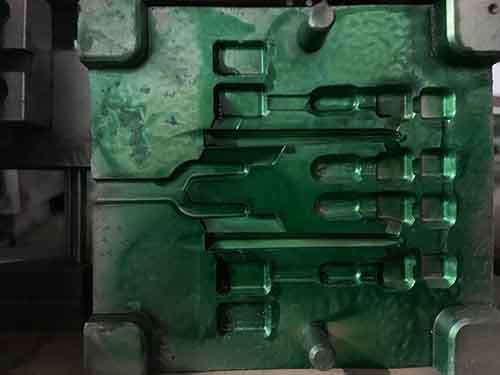
Work Environemnt For Zinc Alloy: The die cast die often works at lower melting temperature,about range within 380-420°C. The tooling endures more wear and thermal fatigue, and extends its life time. It can produce more qualified zinc die cast parts before the tooling is replaced. With less mold repair and maintenance cost. Zinc die casting tooling amortazition cost is lower.
Work Environment For Aluminum Alloy: Aluminum die casting operates at a much higher melting temperature (approximately 660–720°C). The harsher operating conditions result in more frequent mold repair and maintenance, greater thermal fatigue, heat checking, erosion, stick to die and wear, which significantly shortens tooling life and enhances higher mass production cost. Tooling amortazition cost is higher.
Typical Tool Life Comparison
| Process | Tooling Material | Tooling amortatization | Tool Life |
|---|---|---|---|
| Hot Chamber Zinc Die Casting | 8418 steel | Lower | 500,000 – 1,000,000+ shots |
| Cold Chamber Aluminum Die Casting | 8418 steel | Higher | 80,000 – 200,000 shots |
For a 500,000-piece project, a zinc die casting mold may complete the entire program without major maintenances and repairs, while aluminum tooling may require multiple repairs.

Zinc Die Casting Quote
Ts Die Casting Technology provides:
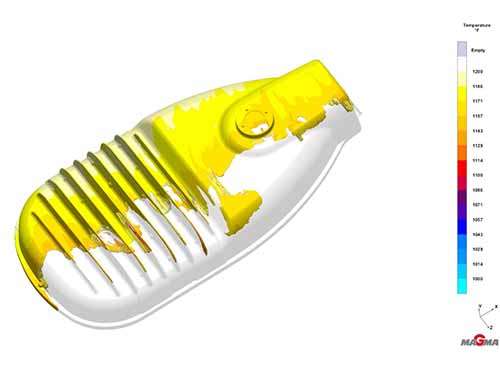
✓ Mold Flow Simulation Accessment
✓ Mold design and manufacturing
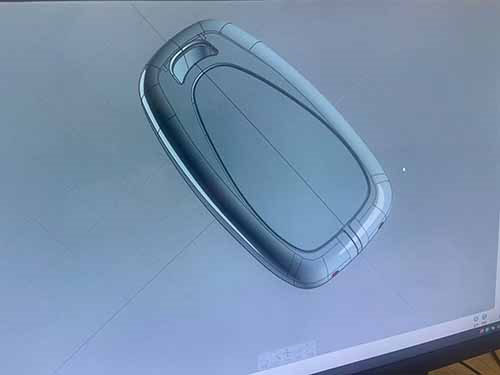
✓ 3d Model Of Product Design
Zinc Alloy Selection Impact On Cost
For a typical high-volume zinc die casting project, zinc alloy material may account for approximately 15–30% of the total finished-part cost. For very small precision parts, the material share can be lower because tooling, casting-machine time, trimming, finishing, inspection, and packaging become relatively more significant.
Zamak 3 Alloy: The Most Cost-Effective Zinc Die Casting Alloy
Zamak 3 can be used as the most common zinc alloy for miniature precision zinc die casting parts due to it balance between high casting fluidity, excellent dimensional accuracy, common corrosion resistance, stable mechanical properties and low scrap rate. It is especially suitable for thin-walled and complex geometries die cast parts, with multi-slide functional cast die, combining with its excellent metal fluidity, easily filling the cavities completely quickly and make high quality precision zinc die casting mass production at large volume. Zamak 3 die casting cost is most cost-effective. It is common used for miniature electrical module housings and enclosures and connectors for automotive and communication equipment and lustra decorative goods.
Zamak 5 Alloy: Higher Strength With Slightly Higher Cost
Zamak 5 contains approximately 1% copper, and makes higher strength,higher hardness and better wear resistance. However, compared with Zamak 3, Zamak 5 has slightly lower ductility and may require more attention during mold design to avoid cracking in complex thin-wall components. Because its high tensile-strength, and may consider selecting Zamak 5 to make some bear-loading precision parts, which endure wear, impact, thread durability and more stronger loading ability. It tooling design become more comlex, quality control more stricter. Zamak 5 die casting cost is slight higher, compare to Zamak 3 one. Tooling cost ehancement brings more functional and precision high perfermance metal parts. Like automotive antenna bracket, Lock system components and seatbelt buckets.
ZA Series: Higher Performance But Higher Manufacturing Cost
ZA alloys, such as ZA-8, ZA-12, and ZA-27, contain higher aluminum content compared with standard Zamak alloys.
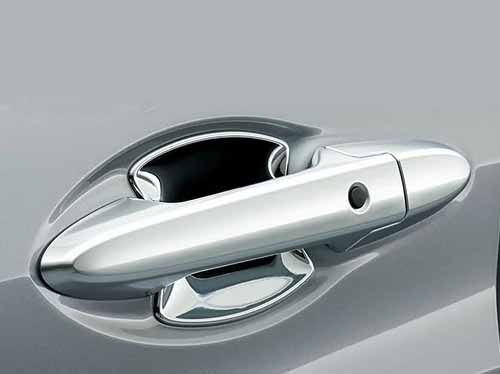
- ZA-8: contains approximately 8% aluminum and offers a good balance between casting performance and mechanical strength. Higher strength than Zamak 3, good dimensional stability, excellent wear resistance, but poor creep resistance. And used for Automotive components, door handle, brake blocks, mirror supporting frame. Through hot chamber die casting, but require higher melting temperature operation, comare with Zamak 3 and Zamak 5. manufacturing cost is accordingly higher.
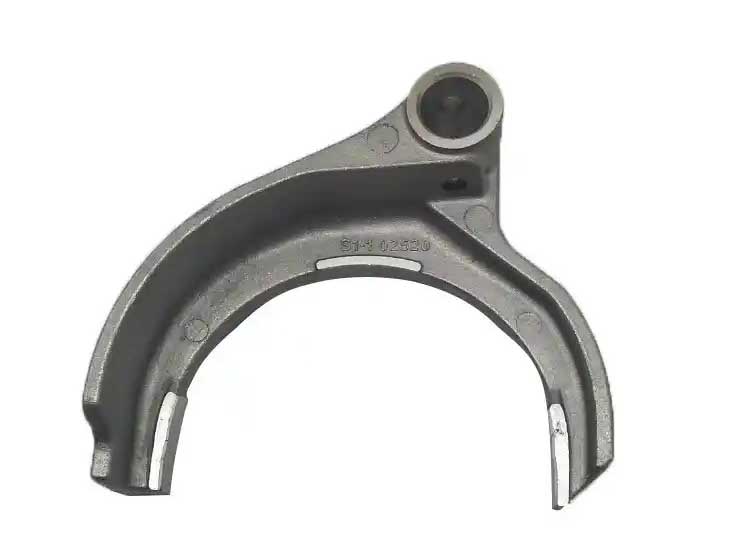
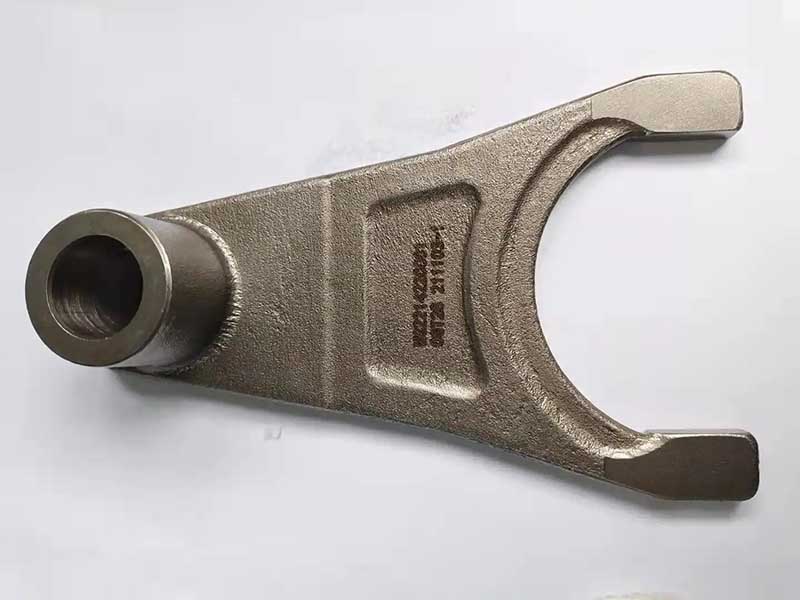
- ZA-12: contains approximately 12% aluminum and provides higher strength and hardness than ZA-8. It has excellent tensile-strength, higher impact resistance, good wear resistance. It is ideal for structural components, like Automotive transmmision sliding forks, sliding bearing sleeves and some automotive brackets. And require cold chamber die casting machine, because higher aluminum content, result in different casting process. High manufaturing cost is inevitable.
- ZA-27: contains approximately 27% aluminum and is the strongest alloy in the ZA family. It is Highest strength among zinc alloys, Excellent hardness and wear resistance. And suitable for high-loading mechanical parts, such as bearings, structural parts and heavy equipment components. And require tonnage cold chamber die casting machine to cast precision cast parts.
Material Cost Comparison
| Zinc Alloy | Main Advantage | Cost Influence |
|---|---|---|
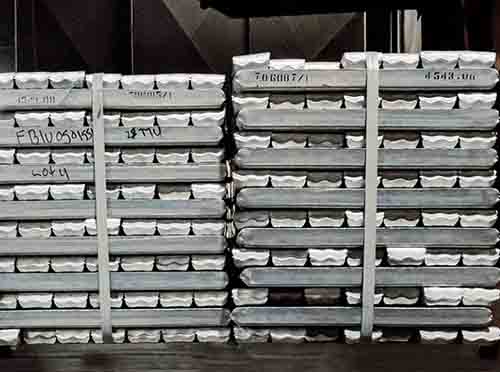
| Zamak 3 | Best fluidity and dimensional stability | Lowest total production cost |
| Zamak 5 | Higher strength and wear resistance | Slightly higher cost |
| ZA-8 | Higher mechanical performance | Higher processing cost |
| ZA-12 / ZA-27 | Heavy-duty applications | Highest manufacturing cost |
When your project require common application at normal temperature, Zamak series can meet your requirements, while special application at frozen and high temperatue, Aluminum alloys are your best choice, but material cost is different.
Zinc Die Casting Mass Production Cost And Unit Price
Zinc die casting mass production cost is amount for 20-30% of total cost, The economical process will save more machine time, labor cost and heat consumption. So average unit price is lower than high heat consumption aluminum die casting process.
For example, if a zinc die casting mold costs $6,000 and produces:
- 50,000 parts → tooling cost contribution = $0.12/part
- 500,000 parts → tooling cost contribution = $0.012/part
- 2,000,000 parts → tooling cost contribution = $0.003/part
Depends on different mass production cost for different zinc alloy, average unit cost for small zinc die casting parts mass production, and plus tooling cost per cast part, and gain unit price. Higher production volume, lower unit price.
Different zinc alloys have different casting performance, and their metal fluidity directly affects the die casting cycle time, production efficiency, and final manufacturing cost.
A zinc alloy with excellent fluidity can fill complex mold cavities quickly under suitable injection pressure and process parameters. This allows the manufacturer to produce high-quality precision die casting parts with stable dimensions, consistent repeatability, and shorter cycle times. And remain high effective zinc die casting mass production at large volume.
Therefore, the lowest material price does not always represent the lowest total cost. The optimal zinc alloy selection should consider: Material Performance + Casting Efficiency + Tooling Life + Production Quantity.
Secondary Operations Cost
Many OEM buyers underestimate machining costs. In reality, secondary operations can account for 15-40% of the total manufacturing budget. These Common post-processing operations include cnc machining, drilling, tapping, milling and grinding.
Zinc alloy has excellent casting fluidity and minimal shrinkage, and allows these intricate operations, such as thin walls, complex geometries, tight dimensional tolerance and superior surface finishing. Typical zinc casting tolerance:±0.02 mm to ±0.05 mm. Zinc die casting components require specific finishing treatment, such as powder-coating and painting for improving apperance and aesthetics, chrome-plating for enhancement of wear resistance, nickel-plating for corrosion resistance and increased durability. These secondary operations cost is distributed across the total zinc die casting project cost.
For miniature precision cast parts with the same specifications, zinc die casting can reduce the mass production cost per part by approximately 40%–50% compared with aluminum die casting. This cost advantage is achieved through higher production efficiency, lower mold repair and maintenance expenses, reduced secondary machining operations, and significantly longer tooling life. As a result, zinc die casting is often the preferred manufacturing process for high-volume miniature components requiring tight tolerances and complex geometries.
How Ts Die Casting Technology Reduces Zinc Die Casting Cost
A reliable die casting manufacturer reduces the total project cost through optimized tooling design, efficient production processes, stable quality control, and reduced secondary operations.
At Ts Die Casting Technology, we help customers achieve competitive zinc die casting costs by improving manufacturing efficiency throughout the entire production process.
Firstly, Before mold manufacturing, TS Casting performs detailed Design for Manufacturing (DFM) analysis to optimize part structure and die casting feasibility.
With mold flow stimulation tools to verify the intial mold structural design, continueously optimize and improve mold structural design, and draft high performance mold design drawing.
Our tooling production capability in house ensures precision cast die production and rapid prototyping at high-efficiency.
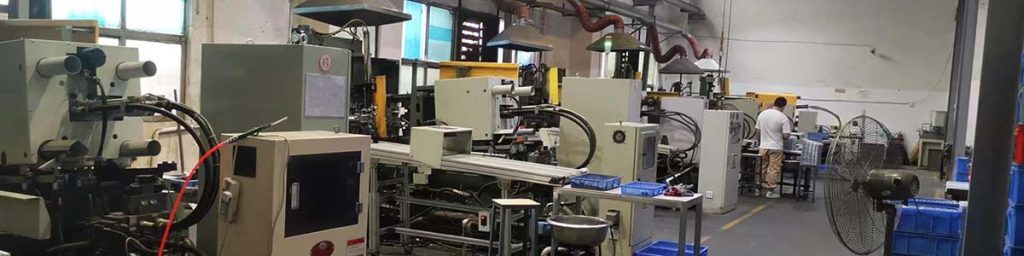
Advanced die casting machines, robotic hands, smart conveyor, ultra-sonic deburring machines and mass labors finish the mass production at high-effecive.
Well-experienced operation mechanist handles proper casting temperature and accurate pressure, ensure reduction of scraps waste and the risk of die to stick. remain high quality zinc die casting high volume mass production. and create consistent qualified zinc alloy die casting parts with dimensional accuracy and fine surface finish, minimal secondary operations cost.
The company employs precision spectrum inspection intruments to ensure high quality shipped goods, reduce flaw goods unfit assemblies and the risk of rework.
Ts die casting technology helps customers achieve a lower total cost of ownership (TCO) with reliable precision zinc die casting solutions.
Need More About Zinc Die Casting for Your Project?
Ts Die Casting Technology provides:
✓ Zinc alloy die casting
✓ Mold design and manufacturing
✓ CNC machining
✓ Surface finishing
✓ OEM mass production
Conclusion
From an OEM project manager’s perspective, the real cost advantages of zinc die casting do not come from zinc die casting design or packaging. The zinc die casting smaller sized tooling steel block material, lower heat consumption, faster cycle time, reduced secondary machining and longer tooling life.
When evaluating total project investment rather than raw material price alone, zinc die casting often delivers the lowest cost per finished component, making it an ideal solution for high-volume precision parts.
This version is much closer to what purchasing managers, sourcing engineers, and OEM decision-makers actually care about. It focuses on cost pain points, ROI, and manufacturing economics instead of general process descriptions.
Common FAQ For The Topic
1. Why Is Zinc Die Casting Cheaper Than Aluminum Die Casting ?
Zinc die casting is often 30-35% less expensive than aluminum die casting for small and medium-sized precision components. The cost advantage comes from lower melting temperatures, faster production cycles, longer tooling life, reduced energy consumption, and less secondary machining. Zinc alloys also provide excellent dimensional accuracy, allowing many features to be cast directly into the part, which further reduces manufacturing costs.
2. How Does Production Volume Affect Zinc Die Casting Cost ?
Production volume significantly influences the unit cost of zinc die cast components. While tooling investment is a fixed upfront expense, the cost per part decreases as production quantity increases. For high-volume programs, the tooling cost can be distributed across hundreds of thousands or even millions of parts, making zinc die casting one of the most economical manufacturing methods for mass production.
3. How Long Does a Zinc Die Casting Mold Last ?
A properly designed and maintained zinc die casting mold can typically produce between 500,000 and 1,000,000 shots or more. Because zinc alloys are injected at much lower temperatures than aluminum alloys, molds experience less thermal fatigue, cracking, and erosion. The extended mold life helps reduce tooling amortization costs and improves long-term project profitability.
4. How much does miniature zinc die casting cost ?
Miniature zinc die casting cost depends on tooling investment, part complexity, alloy selection, production quantity, and finishing requirements.