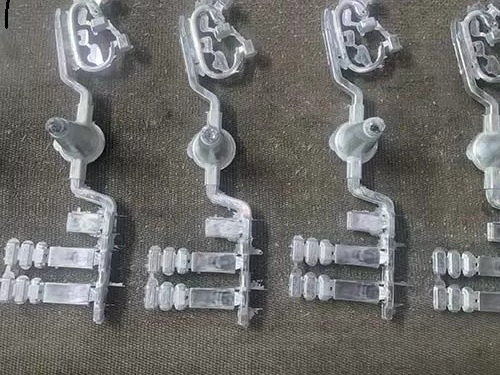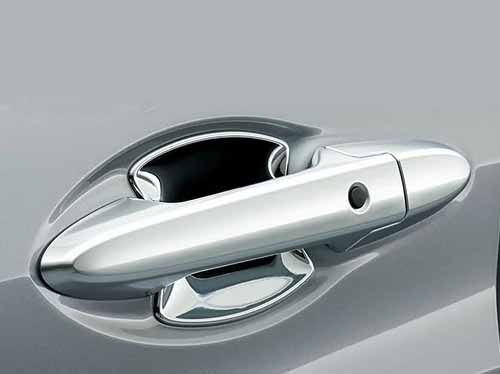
Automotive zinc die casting components play a critical role in modern vehicle manufacturing. The zinc die casting process produces high-precision automotive parts with excellent dimensional stability, superior surface finish, and cost-effective mass production capability. From door lock mechanisms and seat belt components to electric vehicle sensor housings and EMI shielding enclosures, zinc die casting enables OEM automotive manufacturers to achieve reliable performance, lightweight designs, and consistent quality across millions of production units.
As a professional zinc die casting manufacturer, TS Die Casting Technology provides custom automotive zinc die casting solutions, including tooling design, mold flow simulation, hot chamber die casting, CNC machining, surface finishing, and comprehensive quality inspection for high-volume vehicle production.

Advantages Of Automotive Zinc Die Casting Components
Automotive zinc die casting components should be durable, excellent corrosion resistance, with good heat dissapition and impct resistance, From the details take into a good look.
- Durability and Strength: Zinc alloys have good strength, toughness, and wear resistance. They are very durable. Especially some specific automotive components withstand harsh environments and marine bench salt corrosion.
- Cost-Effectiveness: Zinc low melt points, fast cast cycle and less energy consumption makes zinc die casting a cost-effective. Also its secondary process produces little waste, and offers long-lasting mold durability.
- Excellent Corrosion Resistance: Zinc alloy has natural corrosion resistance due to aluminum element contained inside. So Automotive zinc die casting components require high wear resistance and corrosion resistance to withstand harsh environments and worse weather and high salt corrosion.
- Form fine surface finishing: Zinc alloys are all composition metal that is basic of zin element, ~90% zin element content, decides that the molten metal form fine surface finish when casting zinc die casting component.
- Zinc die casting offers tight-tolerance dimensional stability and flexible geometries design: Zinc die casting delivers tight-tolerance dimensional stability and flexible geometric design capabilities, making it ideal for high-volume automotive component manufacturing. Typical tolerance achieves range from 0.02mm-0.05mm.
- Allow various surface finishing: These automotive zinc die casting components allow painting, powder-coating, chrome-plating, nickel-plating, electrophoresis and PVD coating.
Znc die casting automtove components not only ensure precision dimensional tolerance for smooth assembly and other functionalities, but also offers flexible design apperance, complex internal integrated structure and thin-wall zinc die casting parts high quality and fine surface finish.
Applications Of Zinc Die Casting Automotive Components
Thanks for hot chamber die casting process offers outstanding dimensional accuracy, high strength, excellent surface finish, and cost-effective high-volume production, zinc die casting is widely applied to both interior and exterior vehicle components.
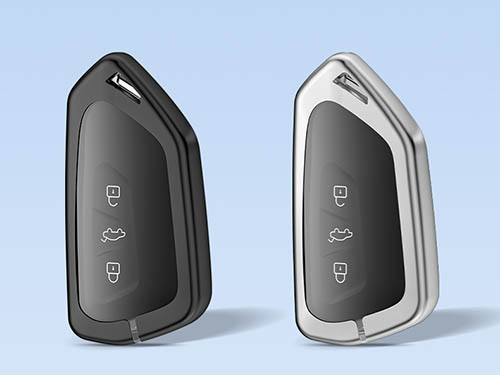
- Interior Zinc die Casting Components : Indoor decorative trims, car charger display panel, car key fob housing, Seat belt serial components: Buckle housings, Lock mechanisms, Release buttons, Internal structural supports.
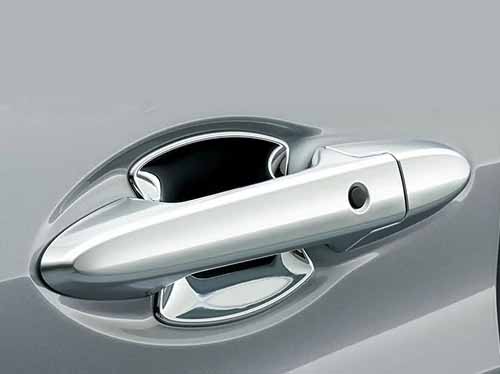
- Exterior Zinc Die Casting Components: Door handle components: Inner brackets, Reinforcement frames, Locking levers, Decorative bezels. antenna.
- Electronic Moudle Housing: Zinc die casting EMI shielding Housings, Zinc die casting sensor housings, radar housings, and communication module case. EV zinc die casting components.
- Lock Mechanism: Lock cylinders, Lock housings, Cam plates, Internal gears, Release levers
- Engine Assisted Components: Zinc die casting Automotive transmmision housing, oil filters and fuel way fittings.
- Lightweight interior structural parts: zinc die casting connectors, zinc die casting convex mirror cover.
Zinc alloy die casting process provides high precision dimensional and cost-efficiency metal automotive components, with its durability, better thermal and electrical conductivity, superior EMI shielding server various sections in automotive industy.
Precision Automotive Zinc Die Casting Components Mass Production
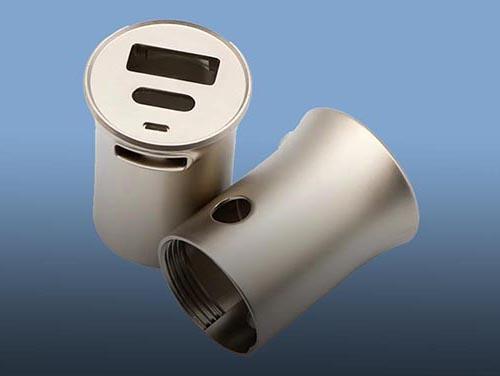
Precision automotive zinc die casting components are engineered for high-volume vehicle production, offering exceptional dimensional accuracy, repeatability, and cost efficiency. Utilizing both cold & hot chamber die casting technique, custom zinc die casting manufacturer uses different zinc alloy to enable the manufacture of complex automotive parts with tight tolerances, excellent surface finishes, and minimal secondary machining. From door lock mechanisms and seat belt components to sensor housings, EV electronic enclosures and transmmision components, zinc die casting delivers reliable quality and consistent performance high-volume zinc die casting mass production.
DFM Analysis And Mold Flow Simulation
Before automotive zinc die casting enters mass production, engineers firstly have a zinc die casting design guide, which perform comprehensive Design for Manufacturability (DFM) analysis and mold flow simulation to ensure consistent quality, high production efficiency, and long die life. These engineering evaluations help identify potential manufacturing risks at the early design stage, reducing tooling modifications and production costs.
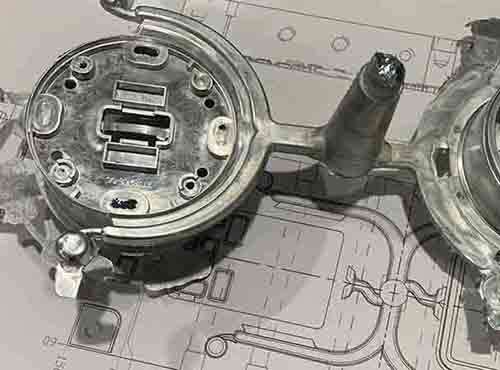
- DFM Analysis : engineers review critical design factors including wall thickness, draft angles, parting line locations, rib structures, ejector pin positions, and machining allowances. The objective is to optimize the component design for high-speed hot chamber die casting while maintaining tight dimensional tolerances and structural integrity.
- Mold Flow Simulation: Using advanced mold flow simulation software such as MAGMASOFT, Flow-3D Cast, or ProCAST is used to analyze molten zinc alloy flow behavior within the die cavity. Simulation predicts potential casting defects before tooling fabrication. Through consistent mold design improvement and optimization, resolve these common defects, such as air entrapment, surface porosity, misrun, uneven cooling and turbulent flow in die casting process.
Making Precise Zinc Casting Die
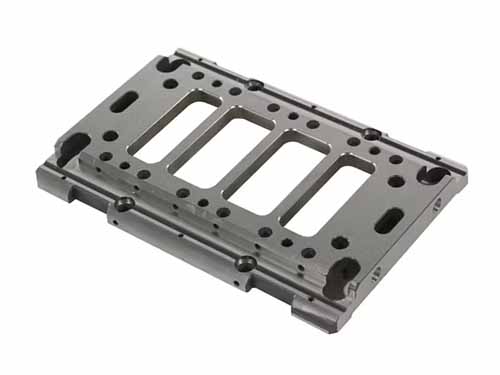
Mold technician collaborates with engineering team, convert perfect casting die design drawing into physical precision zinc casting die. Through our advanced CNC flat grinding machines, CNC milling machines, precision turning lathes, tapping, Wire cutting machines and EDM equipment, All components for the mold can be machined carefully and precisely.
Precision Zinc Die Casting Tolerance
- Linear tolerance: ±0.025 mm per 25 mm is achievable for well-designed parts.
- Flatness: ±0.05–0.10 mm depending on part geometry.
- Hole position tolerance: ±0.05–0.10 mm.
- Wall thickness tolerance: ±0.05 mm typical.
- Repeatability: Excellent for high-volume production.
Selecting the Right Zinc Alloy
Zinc alloys are ideal for automotive parts due to their excellent strength, durability, and corrosion resistance. Diferent composition zinc alloy, different characteristic. To reduce the overweight of the car and EV, the specific zinc alloys can be used for automotive parts. choose the right zinc alloy to cast durable automotive parts zinc die casting.
Zinc Alloys Options For Common Components
| Zinc Alloys | Composition And Element Content | Charactors |
|---|---|---|
| ZAMAK 2 | Zin (~96%), Aluminum (~4%), Copper (~3%), Magnesium (~0.05%) | highest strength and hardness among ZAMAK alloys |
| ZAMAK 3 | Zin (~96%), Aluminum (~4%), Magnesium (~0.05%) | excellent dimensional stability and castability. Most commonly used alloy. |
| ZAMAK 5 | Zin (~95.5%), Aluminum (~4%), Copper (~1%), Magnesium (~0.05%) | higher strength and wear resistance than ZAMAK 3. |
| ZAMAK 7 | Zinc (~99.99%), Aluminum (~3.9%), Magnesium (~0.02%) | Improved ductility and impact resistance. Thin-walled components with intricate designs fit it. |
Zinc Alloys Options For Specific Components
| Items | Composition And Element Content | Charactors |
|---|---|---|
| ZA-8 | Zinc (~91%), Aluminum (~8%), Copper (~1%) | Suitable for both hot and cold chamber die casting. Can process thin-walled and precision components. |
| ZA-12 | Zinc (~88%), Aluminum (~12%), Copper (~0.5%) | Offers higher strength than ZAMAK alloys. For Bearings, bushings, and heavy-duty industrial parts. |
| ZA-27 | Zinc (~73%), Aluminum (~27%), Copper (~2%) | highest strength among zinc alloys but limited to gravity casting due to high aluminum content. |
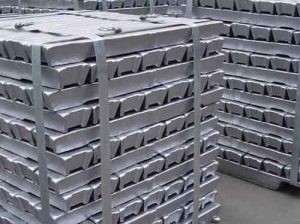
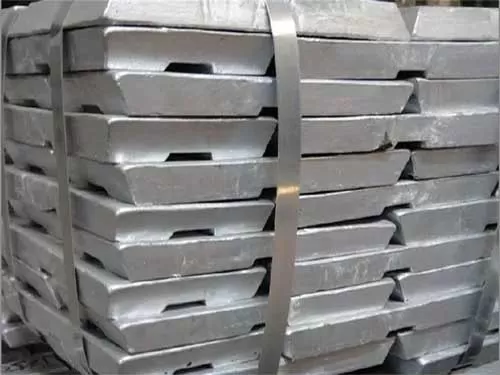
Melting Zinc Alloy And Maintain The Steady Temperature For die
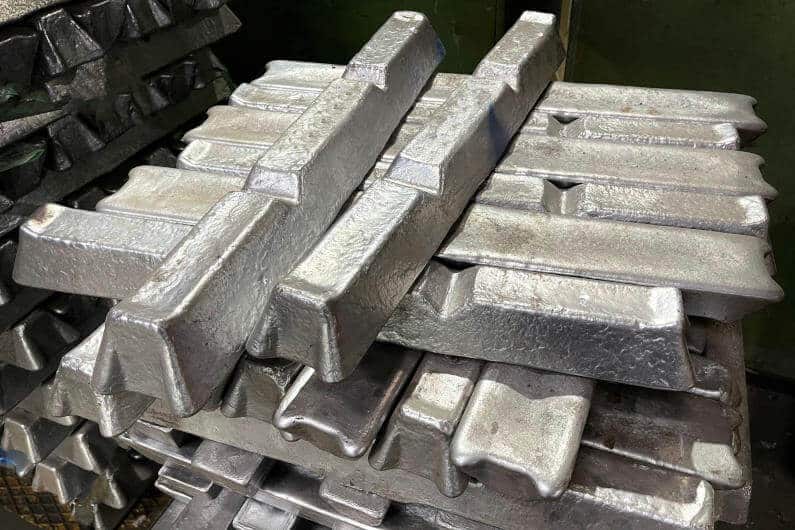
Melting zinc alloy, and overflow the impurities and vent gas within the molten metal, and maintain purified molten zinc in integrated reservior for a quick injection. Pre-heating dies makes the cast part uniform cooling.
Zinc Die Casting Testing And Validation
Zinc die casting prototype undergo dimensional inspection, functional testing, assembly verification, and performance evaluation to ensure compliance with project requirements. Especially before mass production for automotive zinc die casting components, engineers can testing the performance of the precision cast die and rapid prototypes for custom automotive zinc die casting project.
Die Casting Process
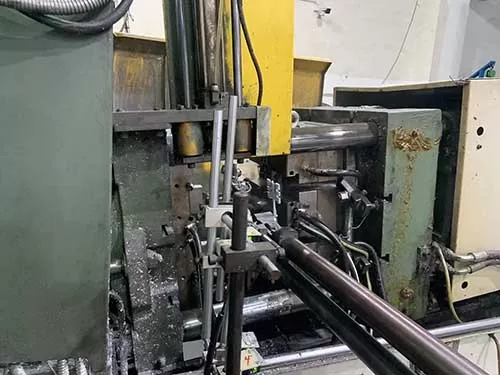
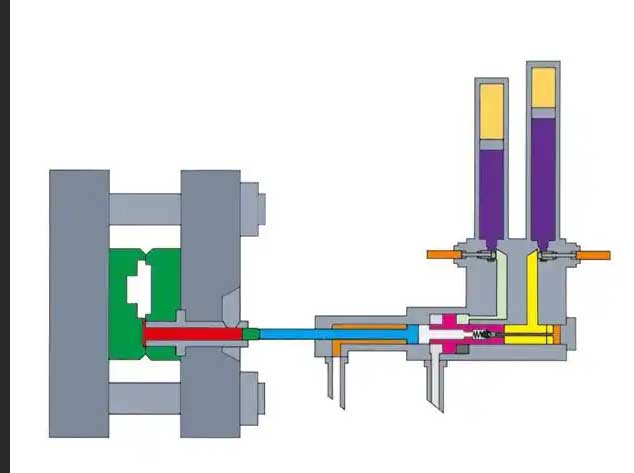
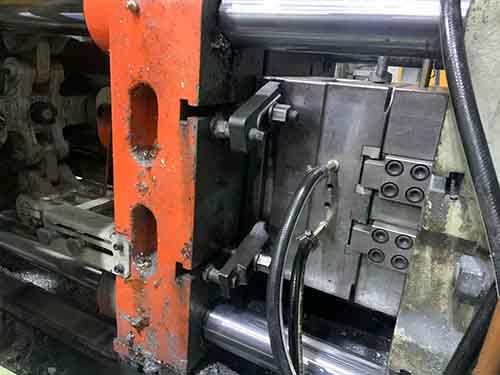
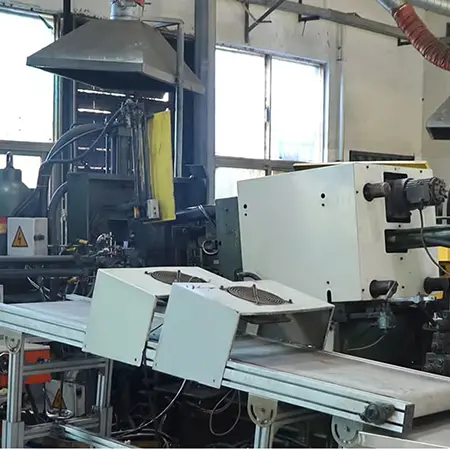
With hot chamber die casting technique, zinc alloy is made into the smooth finish and tight tolerances cast parts. Through gooseneck mechanism, injecting the molten zinc into the pre-heating die, under high pressure, the molten zinc fills the die fully. Then cools the die with water, solidifies and forms the cast part and ejected and finish a cast cycle.
Surface Treatment and Finishing
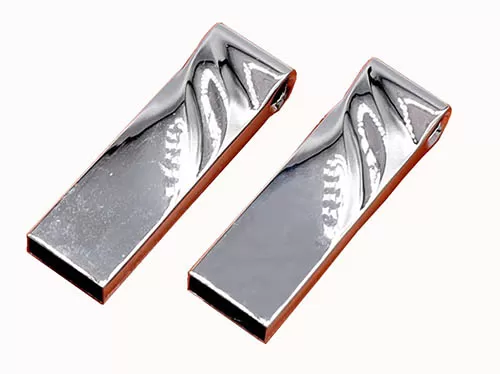
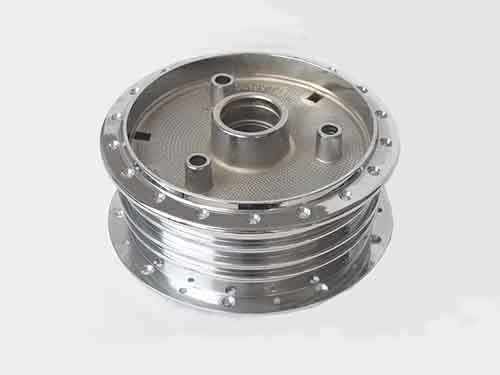
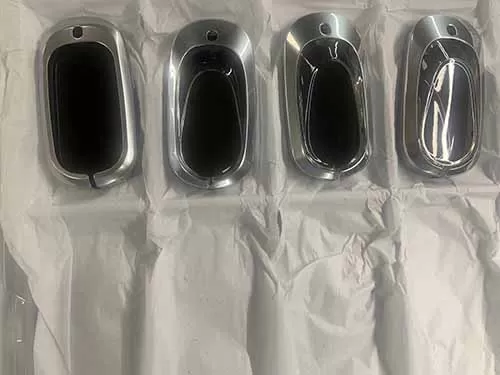
The automotive industry requires parts with superior finishes for both aesthetics and corrosion resistance. Zinc die cast components can be demanded of these specific requirements, which are exposed to various environmental conditions. Some required surface finishes maybe adopted, such as powder coatings or automotive-grade paints, color-consistent finishes that protect against wear and harsh weather. For components that need a mirror-like surface, polishing offers high-quality finishes.
Follow Rigorous Quality Control and Testing
Follow the rigorous quality system strictly. Implement outsourcing material in strict inspection, Using X-ray inspection and ultrasonic testing to detect the processed goods on mass production. Ensure high quality bulk production in high efficiency at high volume.
Packing Finished Goods And Deliver Shipped Goods On Time
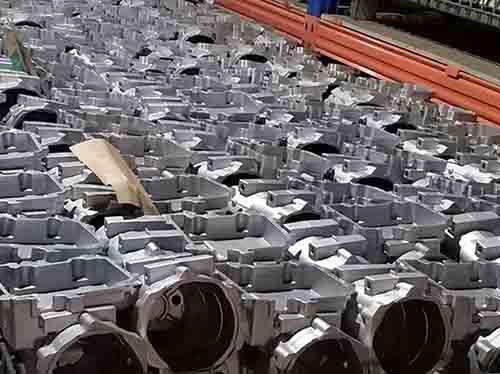
After final inspection and quality approval, automotive zinc die casting components are carefully packaged to prevent damage during storage and transportation. Appropriate packaging methods are selected according to the product size, surface finish requirements, and shipping destination to ensure that every component arrives in perfect condition.
Prevent surface damage and part-to-part contact. Moisture-proof bags and anti-corrosion packaging materials may also be applied to protect components during long-distance sea or air transportation. Our logistics team coordinates with reliable transportation partners to ensure on-time delivery according to customer production schedules and inventory requirements.
In summary, By following the above common guidance, ensure high efficiency mass production for high quality cast parts, complying with industry’s rigorous testing standards.

Die Casting Project Quote
Professional OEM die casting factory to finish your project? Please send 3d file to us for quick quotation !
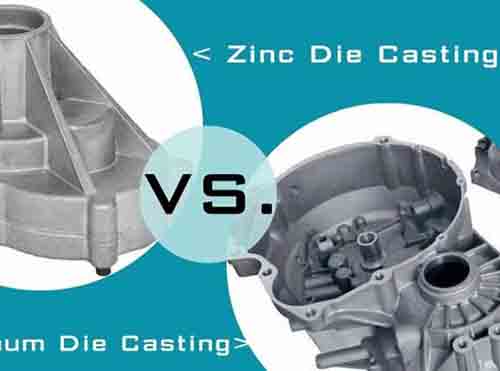
Zinc vs Aluminum Die Casting Automotive
Both zinc die casting and aluminum die casting are widely used in the automotive industry. The best choice depends on component size, mechanical requirements, production volume, and cost targets.Zinc die casting offers better surface finish, fast cast cycle and lower cost, compare to aluminum die casting.
| Feature | Zinc Die Casting | Aluminum Die Casting |
|---|---|---|
| Melting Temperature | ~420°C | ~660°C |
| Casting Process | Hot Chamber | Cold Chamber |
| Dimensional Accuracy | Excellent | Good |
| Surface Finish | Excellent | Good |
| Thin-Wall Capability | Excellent | Moderate |
| Tool Life | 1,000,000–3,000,000 shots | 100,000–300,000 shots |
| Production Speed | Faster | Slower |
| Density | Higher | Lower |
| Weight Reduction | Moderate | Excellent |
| Secondary Machining | Minimal | More Frequent |
| Complex Geometries | Excellent | Good |
| Small Precision Parts | Best Choice | Less Suitable |
| Large Structural Parts | Limited | Best Choice |
Conclusion
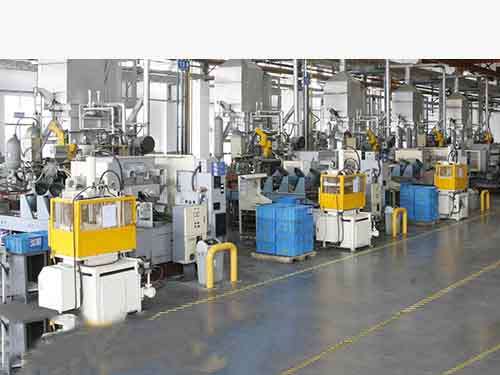
Overall, the mass production of automotive zinc die casting components requires precision tooling, advanced manufacturing technology, and highly experienced engineering teams. By combining high-precision zinc die casting molds, automated production lines, and stringent quality control procedures, manufacturers can consistently produce automotive components with excellent dimensional accuracy, surface quality, and long-term reliability.
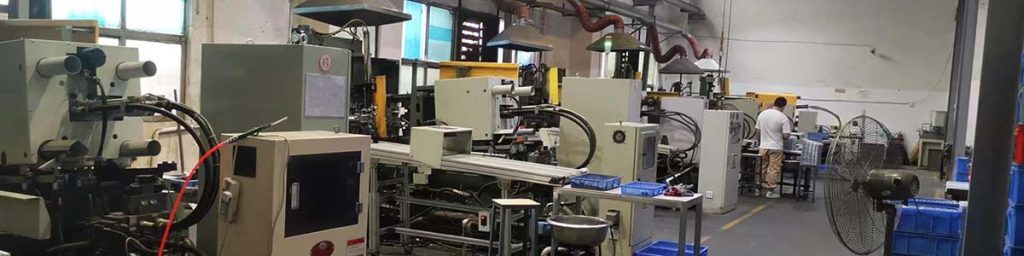
At TS Die Casting, our skilled engineering team utilizes advanced DFM analysis, mold flow simulation, hot chamber die casting technology, CNC machining, and comprehensive quality inspection systems to ensure the highest manufacturing standards. Supported by modern automated die casting equipment and internationally recognized quality management systems, we deliver high-quality zinc die casting components for demanding automotive applications.
Depending on specific project requirements, we also provide a wide range of secondary operations and surface finishing services, including polishing, electroplating, powder coating, painting, and precision machining. Through rigorous process control and continuous improvement, we help customers reduce production costs, shorten lead times, and achieve consistent product quality.
FQA
Why is zinc die casting used in automotive parts?
Because zinc provides excellent dimensional accuracy, corrosion resistance, and high-volume manufacturing efficiency. Also zinc has excellent fluidity and ductility, accept thin-walled and complex internal structural cast parts formation in free.
What zinc alloy is best for automotive components?
Zamak 3 and Zamak 5 are the most common automotive zinc alloys.
Can zinc die casting be used for electric vehicles?
Yes. Zinc die casting is widely used for EV sensor housings, EMI shielding covers, charging system components, and battery-related hardware.
What tolerance can automotive zinc die casting achieve?
Typical tolerance is ±0.02–0.05 mm depending on part size.