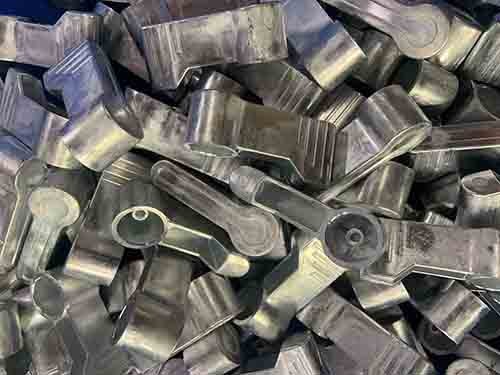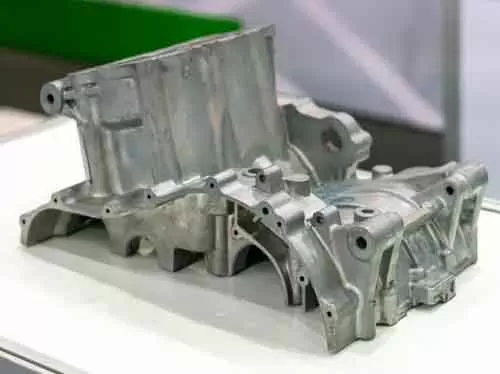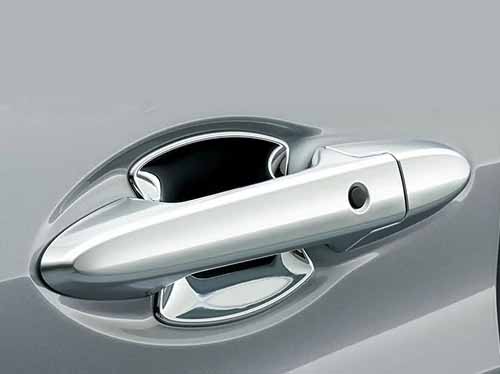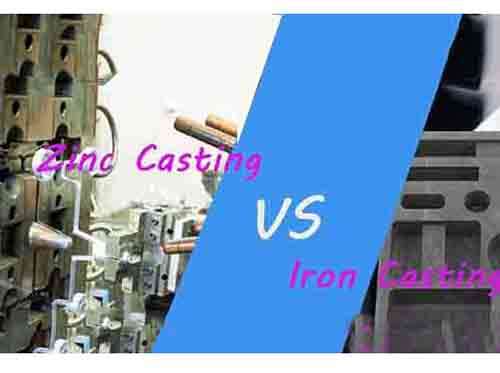
In current technology surging era, the automotive industry production scale is still spreading over the world. With the growth of the demand of automotive components, naturally the demand of automotive components zinc die casting market is increasing accordingly. Now, please allow us to have a general automotive components zinc die casting market analysis 2026. With the increasing demand for lightweight and durable components is up continuously, zinc die casting in automotive industry plays its essential role in modern industrial manufacturing.
Zinc Die Casting Applications in Automotive Industry
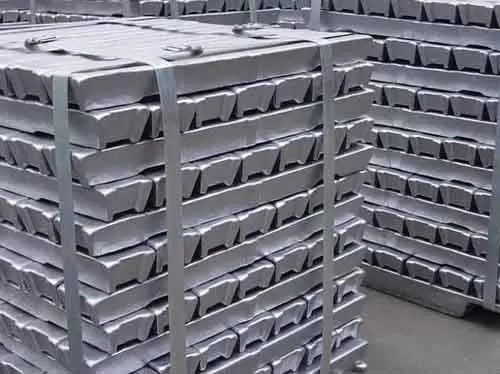
Common composition zinc alloys in Automotive different sectors. Choosing the best zinc alloy among these Zamak zinc alloys, depends on the specific requirement and functionality of the zinc cast part. Then cast accordingly automotive components to assemble and play their performance.
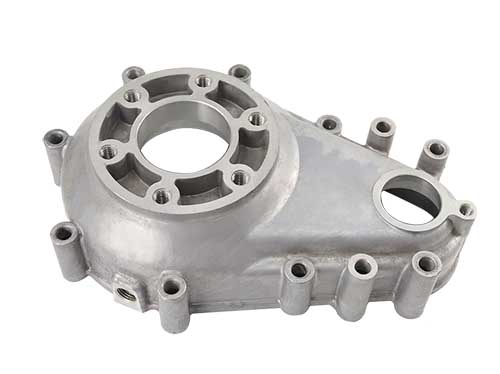
- High Hardness Structural Components: A leading European automaker can use zinc die casting for their engine mount brackets. These components provide excellent vibration damping and strength. Also it is durable,cost-efficiency and good heat dissipation. ZA-27 is best choice.
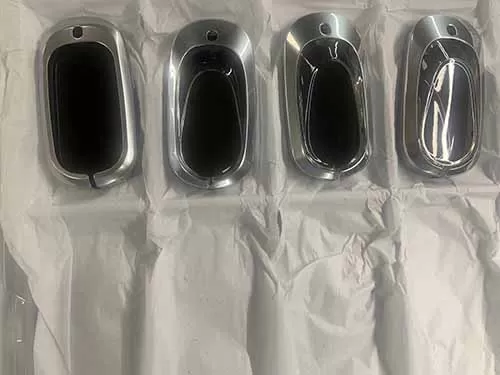
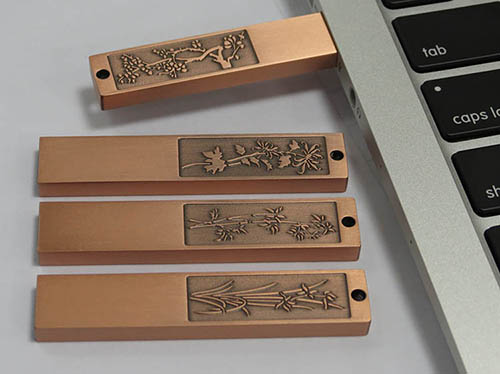
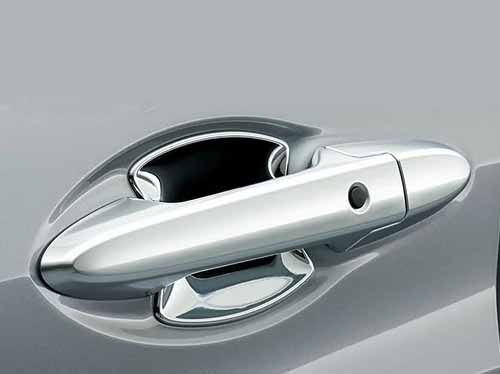
- Interior and Exterior Trim: Zinc die casting can handle the production of intricate door handles, mirror brackets, and emblems with high aesthetic value, decorative and strong corrosion resistance. Withstand harsh environments and marine bench salt fog corrossion. Zamak 5 is best ideal zinc alloy material.
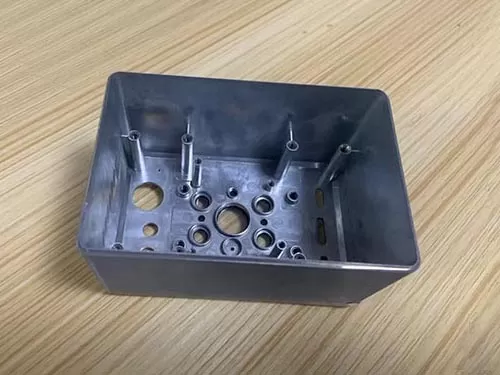
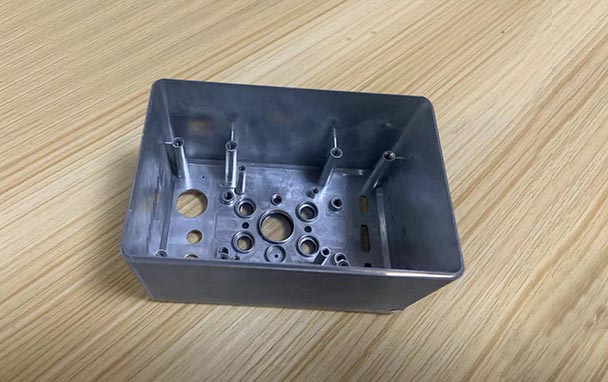
- Electronic and Mechanical Parts: Zinc die casting components have excellent thermal and electrical conductivity. Suitabe for sensor housings, lock core, relay enclosures, and connectors in vehicles with advanced electronics. Zamak 2 is best castable material, which has high strength, corrosion resistance.
- Safety Components: Zinc die castings can meet seatbelt components, airbag housings, and braking systems, offering reliability in critical safety applications. They are durable, castability and cost-efficiency. The common Zamak 3 is best choice.
Automotive Components Zinc Die Casting Market Overview
When the global zinc die casting market has a significant growth, Being impacted by save energy and environmental protection in the globe. The demand for lightweight, cost-effective, and durable components save fuel cost in efficiency and more benefit to environment managemet. So zinc die casting played a pivotal role in the production of automotive components, automotive components zinc die casting market demand is huge. With its superior mechanical properties, ease of casting, recyclability and low production cost. Naturally zinc die castings meet various sectors in automotive industry.
Growth in Automotive Production
The automotive industry is still expanding globally, particularly great manufacturing countries like China and India. The demand for high-precision and cost-effective components for engines, transmissions, and structural parts in Automotive manufacturing is big. Zinc die castings are just suitable for the requirement for small size precision parts in automotive industry .
Shift Toward Lightweight Materials
Automakers were seeking ways to improve fuel efficiency and meet stricter emission standards. They select Strength-to-Weight Ratio zamak to make consistent high quality zinc castingh automotive components, which are more advantageous than aluminum die cast parts. Although aluminum alloy are most lightest, but it belong to porosity metal material. Their surface finishing is not easy to treat .
Increased Use of Zinc in Electrical and Electronic Components
Zinc die casting was increasingly used for automotive connectors, sensors, and housings. Especially on the centrel console of vehicle. As zinc components , can shield electromagnetic signal interference, and protecting electric operation system running well. And transmit more accurate monitoring datas to the centrel console.
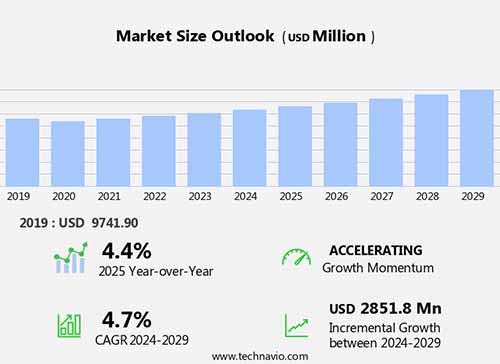
In summary,statistic shows, the overall zinc die casting market was estimated to grow stably. With the rapid development of automotive automation functionality, vehicle monitoring system need more small precision components to realize more monitoring functions. The automotive sector will contribute over 50% of the global zinc die casting market revenue at the time. This verify that automotive components zinc die casting Market Demand is up consistently.
Global Market Distribution For Automotive Components Zinc Die Casting
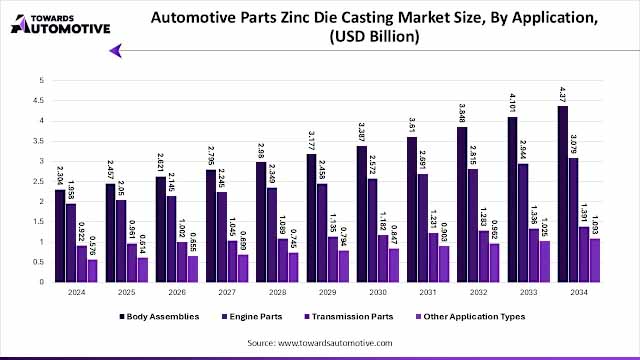
Global Automotive Components Zinc Die Casting Market Size
In 2026, the automotive components zinc die casting market reaches USD 6.32 billion. The automotive sector accounted for 60-70% of the global zinc die casting market, These precision zinc die casting assemblies mostly used for sensor housing(can shield electromagnetic signal interference, and protecting electric operation system running well), interior decorative fitting, safety prenventive system locks and transsition system Counterweight parts etc.
Automotive Market Distribution In Globle
Asia-Pacific: Amount for over 40% world market share, massive automotive production in countries like China, India, and Japan. China, in particular, was the largest automotive production of vehicles globally, is creating a huge demand for zinc die-cast components. And more die casting manufactrurers to produce plenty of zinc die casting components to meet automotive components zinc die casting market demands.
North America: In United States robust production of light commercial vehicles and passenger cars. These newly automotive production lines need more custom zinc die casting assemblies to assemble. Also those specific requirement components with designed intricate and precision dimensions is more easier to finish through zinc die casting process.
Europe: Focused on producing high-end fuel-efficency cars, Europe also has a steady demand for precision zinc die-cast components. Germany, as a leading automotive hub where more personalized sport car will be made to meet some global high end-users. Personlized automotive components are required. More high precision and creative zinc die casting components required.
Growth Rate
The automotive components zinc die casting market demand was growing at a CAGR of 8-9%. manufacturers moved toward lightweight and more efficient vehicle designs. need more precision and high requirement zinc die casting components. Especially the rise of AI intelligence technology, More vehicles need to be equipped with these creative functions. On cars Where many intricate sensor devices will be installed and monitoring and controlling the cars actions. The demand of Zinc die casting sensor housing may have a growth spurt.
Zinc Alloys Are Sustainabile and Green Eco-friendly Material
Zinc is 100% recyclable, and its use in die casting aligned with the automotive industry 2019s. It has a less carbon emmission and minimal wastage and confirm environmental protection. This was particularly evident in Europe and North America. So zinc die castings have a large scale usage in many industries.
When we are known that market distribution for zinc casting automotive components is so wide and popular in the world, what the die casting manufacturer wants to is increasing its physical manufacturing capability, ensurance of accuracy of cast parts and high cost-efficiency for mass production and custom rapid protype services. Serves manufacturer across many industries better.
Automotive Zinc Die Casting Market Trends 2026
The automotive zinc die casting industry is entering a new growth phase in 2026, driven by electric vehicles (EVs), vehicle electrification, lightweight design requirements, and smart manufacturing technologies. Although aluminum remains dominant for large structural castings, zinc continues to gain market share in precision automotive components that require tight tolerances, excellent surface finish, high strength, and complex geometries.
Smart Manufacturing and Automation
One of the strongest trends in 2026 is the adoption of Industry 4.0 technologies throughout die casting facilities. Die casting manufacturer adopts Robotic part extraction, Automated trimming systems, AI-based quality inspection, Real-time production monitoring, IoT-enabled die casting machines and Predictive maintenance systems. These improve productivity, reduce scrap rates, and ensure consistent quality for automotive OEM production.
Higher Demand for Precision Miniature Components
As electric vehicles become increasingly intelligent and connected, they require hundreds of electronic modules, sensors, and control units to accurately monitor and manage vehicle functions. This growing level of electronic integration is driving demand for custom precision miniature zinc die cast housings, electronic enclosures, and EMI/RFI shielding components. These precision die cast parts are widely used to protect sensitive electronics, collect and transmit signals, ensure electromagnetic compatibility, and enhance the reliability of advanced automotive systems such as ADAS, battery management systems, autonomous driving sensors, communication modules, and onboard control units.
Lightweighting Remains a Major Driver
Automotive manufacturers continue to pursue vehicle weight reduction to improve energy efficiency, extend electric vehicle driving range, and comply with increasingly stringent emission regulations. While aluminum die casting is widely used for large structural components, zinc die casting offers distinct advantages for medium and small-sized precision parts. Zinc alloys provide excellent castability, enabling the production of complex geometries, intricate details, and extremely thin-walled components with high dimensional accuracy. Common automotive applications include door lock systems, seat adjustment mechanisms, safety components, antenna brackets, connectors, and interior hardware. In addition, zinc die casting supports high-speed production cycles, lower machining requirements, and superior surface finishes, making it a preferred manufacturing solution for high-volume precision automotive components. As vehicle electronics and functional parts continue to increase, zinc die casting remains a highly competitive choice in the automotive industry.
Advanced Die Casting Technologies
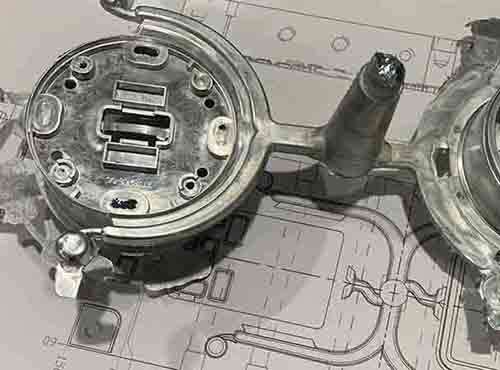
As automotive components become more sophisticated, many high-precision parts with complex internal structures require advanced die casting technologies to achieve multiple functions within a single casting. As a result, zinc die casting designs are becoming increasingly complex, often incorporating intricate features such as cross holes, undercuts, internal channels, bosses, ribs, and fillets. To manufacture these challenging geometries efficiently, engineers frequently adopt multi-slide die casting technology, which enables the production of complex components while minimizing secondary machining operations.
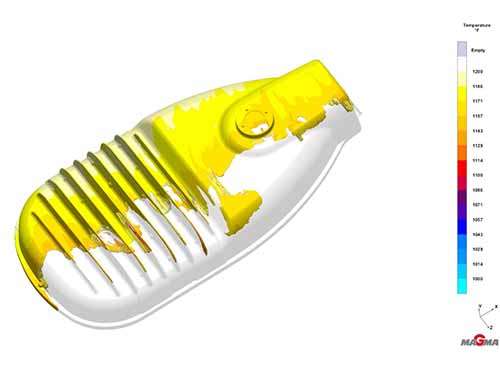
To ensure casting quality and reduce production defects, mold flow simulation software is widely used during the die design stage. Simulation tools help engineers analyze molten metal flow behavior, predict potential defects such as porosity, air entrapment, cold shuts, and shrinkage, and optimize gate and venting systems before tooling production. In addition, proper cooling channel design and uniform heat distribution help control solidification rates, reduce thermal stress, and improve dimensional stability. Through advanced mold flow analysis and process optimization, manufacturers can achieve higher-quality zinc die cast parts with improved surface finish, enhanced structural integrity, and consistent production performance.
Sustainability and Recyclability
Automotive OEMs are under increasing pressure to reduce carbon emissions, improve resource efficiency, and achieve sustainability goals throughout their supply chains. Zinc die casting supports these initiatives through its energy-efficient manufacturing process and excellent recyclability. Compared with many alternative metal casting processes, zinc die casting requires a lower melting temperature, resulting in reduced heat energy consumption and lower greenhouse gas emissions during production. In addition, zinc alloys offer fast casting cycles, high material utilization, and minimal production waste. Scrap material, runners, overflows, and rejected zinc castings can be collected, remelted, and recycled back into the manufacturing process without significant loss of material properties. With its near-zero waste production capability and 100% recyclability, zinc die casting has become an environmentally responsible solution for producing high-volume automotive components while supporting the automotive industry’s transition toward sustainable manufacturing.
Sustainability initiatives are expected to become a major purchasing criterion for automotive manufacturers during 2026–2030.
GET IN TOUCH
Have a further discussion about project
TS Die Casting Technology Automotive Zinc Die Casting Capability
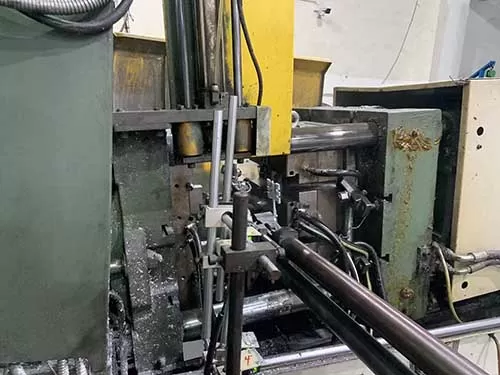
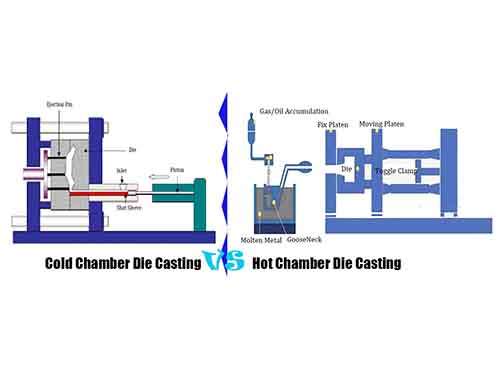
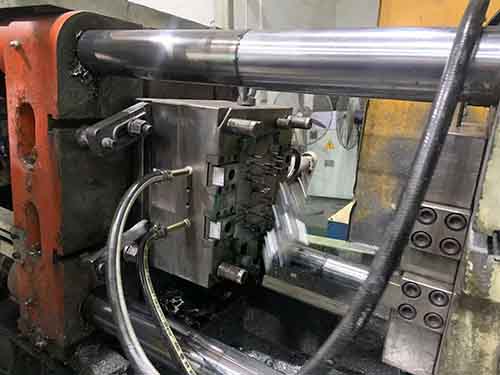
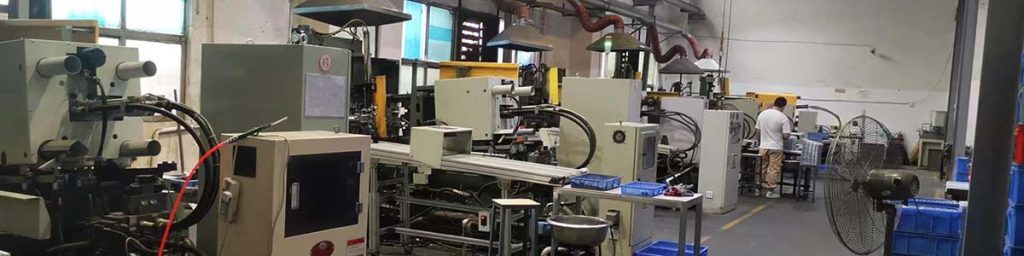
Ts die casting technology supports mold design, precision mold & die manufacturing, rapid prototyping services, mass production at large volume or short, Secondary processing and vertisale surface finishing treatments . Equipped with advanced hot & cold chamber die casting machines, automation production lines and strict quality control management system.
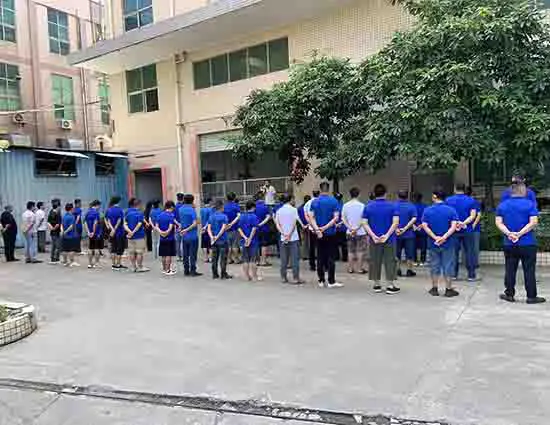
Advanced Cold & Hot Chamber Die Casting Machines
The factory has advanced cold chamber die casting and hot chambe die casting machines, meets various demands for OEM projects
| Machine Name | Brand | Equipped with Robot hand | Machine Type (Tons) | Qty (set) |
| Cold chamber die casting machine | LiJin Brand | Yes | 200 tons | 2 |
| Cold chamber die casting machine | LiJin Brand | Yes | 320 tons | 2 |
| Cold chamber die casting machine | LiJin Brand | Yes | 400 tons | 1 |
| Cold chamber die casting machine | LiJin Brand | Yes | 500 tons | 1 |
| Hot chamber die casting machine | LiJin Brand | Yes | 50 tons | 2 |
| hot chamber die casting machine | LiJin Brand | Yes | 80 tons | 2 |
| Hot chamber die casting machine | LiJin Brand | Yes | 88 tons | 2 |
| Hot chamber die casting machine | LinJin Brand | Yes | 160 tons | 1 |
Consideration Post-Processing Facilities
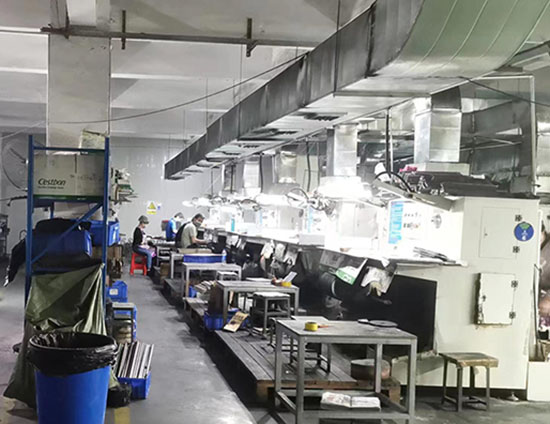
Polishing Production Line
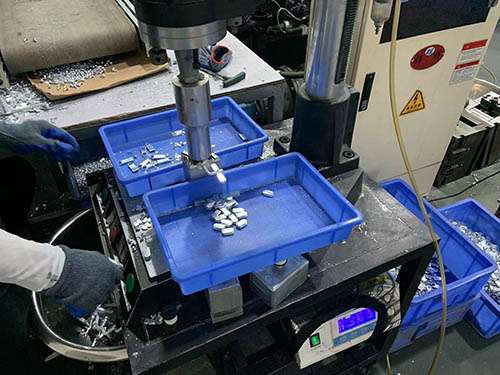
ultrasound Viberation Deburring
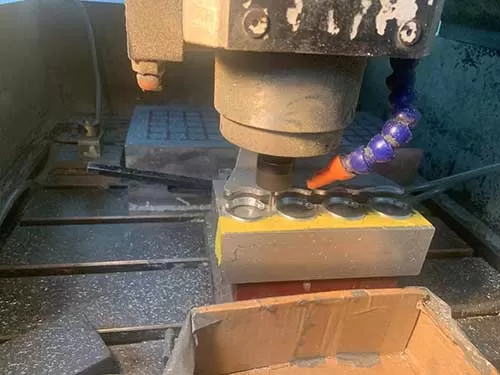
Precision CNC Machining
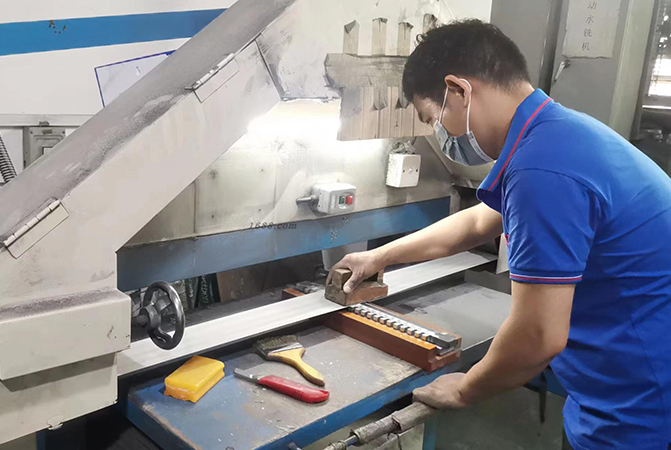
Belt Sanding Deburring
Surface Finish Treatments
Various surface finishing treatment, such as Chrome-plating, Satin-nickel plating, Electrophoresis, Painting and Powder-coating.
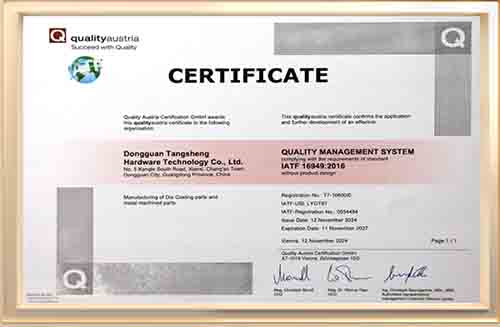
IATF 16949
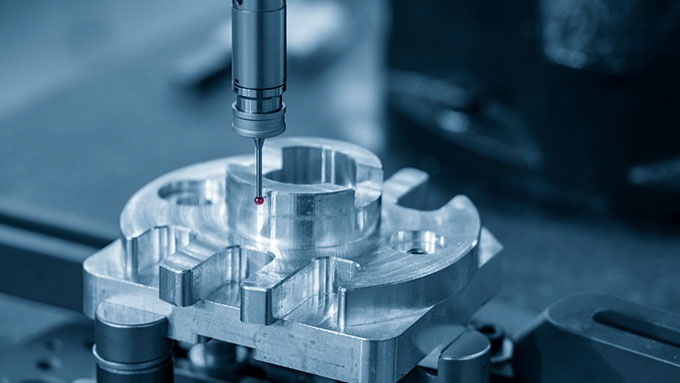
CMM Inspection
OEM/ODM Support
Supported by a highly experienced engineering team, the company provides comprehensive OEM and ODM services for automotive die casting prototyping, tooling development, and high-volume mass production. From concept design and DFM analysis to mold manufacturing, die casting, CNC machining, surface finishing, and final assembly, every project is developed according to the customer’s technical requirements and product specifications. By leveraging advanced engineering expertise, automated production systems, and stringent quality control procedures, the company can rapidly develop and manufacture high-precision automotive die casting components while reducing time-to-market.
To ensure product quality and supply chain reliability, each component undergoes rigorous inspection and traceability management throughout the production process. Complete production records allow parts to be traced back to specific production batches, machines, operators, and quality inspection reports. In addition, the company provides export-grade packaging solutions and reliable global logistics services to ensure that automotive components arrive safely and on schedule, supporting the demanding requirements of automotive OEMs and Tier 1 suppliers worldwide.
Conclusion
The automotive components zinc die casting market demand is steady growth. Which is driven by the increasing of lightweight of fuel-efficient cars and Intelligence of electric vehicles production. More specific requirement of zinc die castings want more good solutions to meet Custom die casting automotive component projects. Because zin alloys material are easy to cast and durable, by zinc die casting process provides high precision, diversity intricate geomotry in fast cast cycle. So more zinc die casting automotive components may be created and invest a mass production for more larger automotive components zinc die casting market demand.