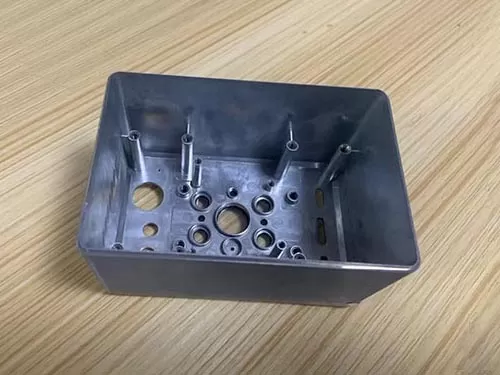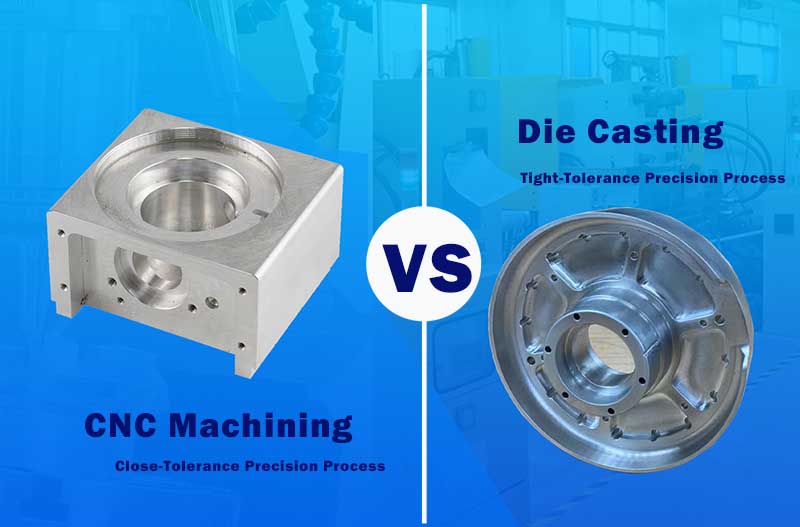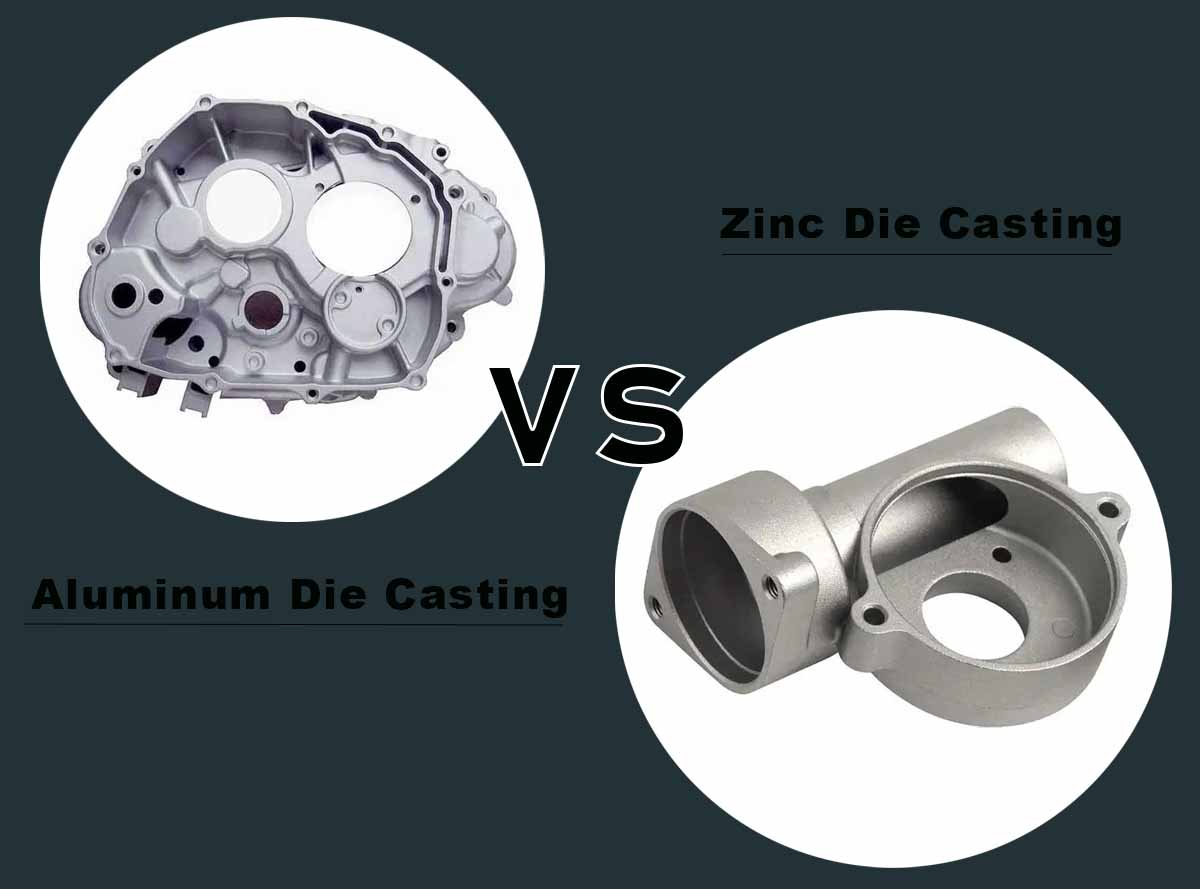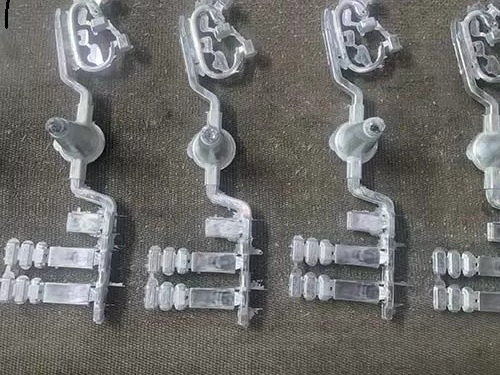
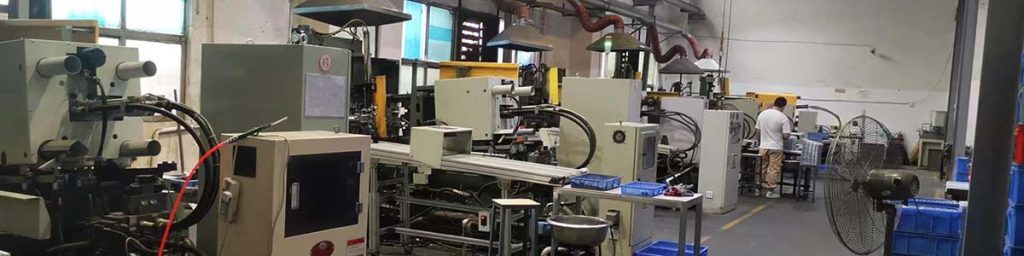
Zinc die casting prototyping design validation requires that die casting supplier implements FAI strategy for custom zinc die casting project before mass production. The zinc die casting prototyping & design involves of review of custom CAD file, 3d model design adjustment, DFM analysis, mold flow simulation and mold structure optimization and High precision steel tooling manufacturing until trial prototyping before mass production. In order to reach the established target, engineers and mold technician request spending more collaborating work and debate to finish a real qualified casting die manufacturing.
Understanding Zinc Die Casting Prototyping Design
Zinc die casting prototyping service is multi-steps workflow.
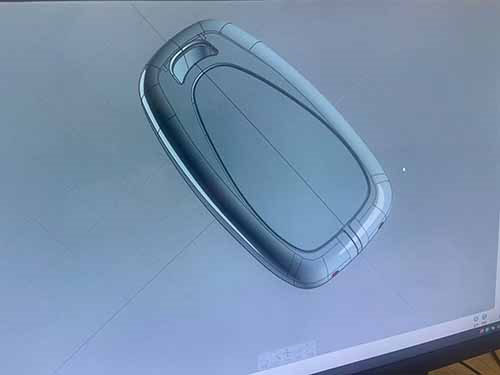
Custom zinc die casting prototype service starts from the first review of CAD file, then zinc die casting DFM analysis, which includes of dimensional accuracy, wall-thickness, draft angles, fillets and corner radii, ribs and bosses and complex detailed functional features of model design and post-processing operations and finishing treatments.
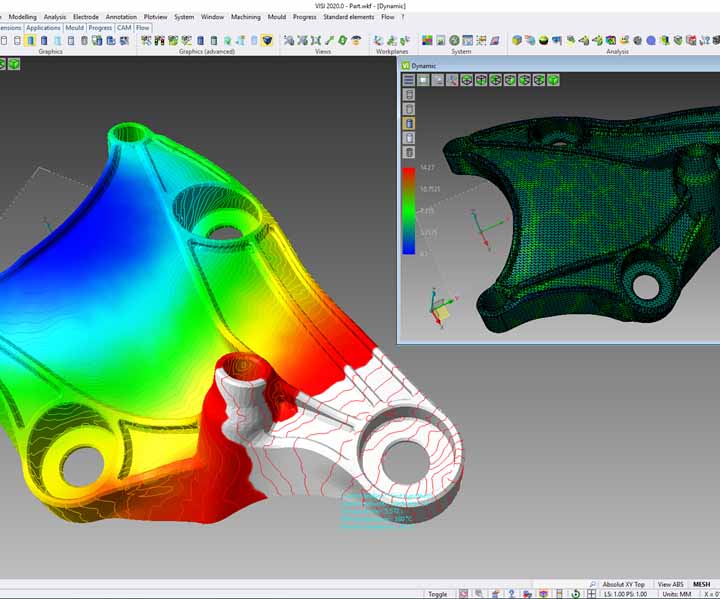
Mold flow simulation testing through some digital control visual flow simulation tools, focus on the common defects in zinc die casting mold flow simulation testing, and remain consistent mold flow status optimizations and improvements, until zinc die casting mold design achieves high performance.
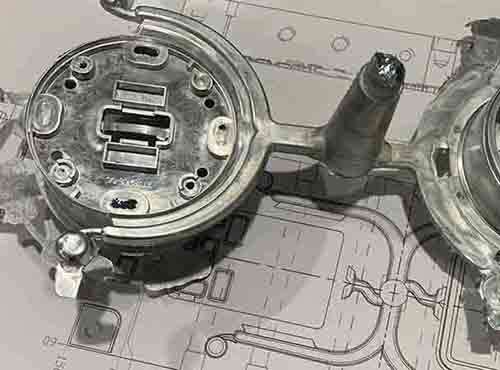
The next step will be delicated fabrication of high precision steel tooling. Mold technician follows the drawing of mold, selects designated tooling steel, and transfer the paper document into a real physical high precision mold.
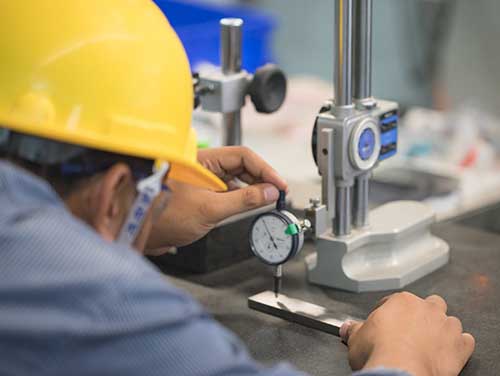
For validation of the performance of zinc die casting design, engineers implement zinc die casting FAI strategy,invovles of selection and castable material, material melting, cast cycle time, quality of cast part, post-processing operations and finishing treatments, the part’s dimensional measurement, performance inspection and assembly testing, record and generate detial inspection report, and deliver precision zinc die casting prototypes attached inspection report to client for approval of mass production.

Die Casting Project Quote
Professional rapid zinc die casting prototyping service You are in need of, please send 3d file to us !
Zinc Die Casting Prototyping Design Advantages And Benefits
The zinc die casting prototyping design brings more benefits and advantages to engineers and design, either shortening the delivery time or saving more time and cost for designing and manufacturing the precise cast die. create time-to-market acceleration and rapid prototyping service.
1. Cost Reduction & Minimizing Rework Benefits
- Reducing Physical Prototyping Cycles: This is the single biggest cost saver. Instead of building 5-10 expensive metal molds , omitting mold technician trial prototyping actions, and assist engineers perfect the design digitally at one stop.
- Reduced Rework and Scrap: By predicting defects like porosity, air traps, and short shots in the virtual stage, optimizing time-consuming mold rework (welding, re-machining). Without any material waste from defective parts.
- Optimized Material Usage: The Flow Simulation helps engineers and designer to create perfect cast die and use the minimum amount of material necessary without compromising integrity, leading to direct savings.
- Extended Tool Life: By predicting temperature variations (thermal stress) and pressure loads, modify and improve the performance of the die, eliminite the die fatigue, failure, and wear, extending their service life.
2. Time-to-Market Acceleration
The first shot success for zinc die casting prototyping dramatically Shortens Development Cycle: Engineers take hour or days, while designing the mold, and conduct “simulate-analyze-optimize” digital loop, and finish the perfect die design. The digital model can be shared instantly between design, manufacturing, and tooling engineers. And work on the same virtual prototype simultaneously, breaking down departmental silos. All potential defect is resolved in much fast with flow simulation tools. Like every variable (temperature, pressure, flow speed) can be visualized and measured, unlike in a physical trial.
3. Predict Some Trouble hits In Advance, Improve and Optimize The die Design
The first shot success zinc die casting prototyping: Flow simulation tools accurately predict: Air Entrapment, Shrinkage & Porosity, let engineer find defects and trouble ahead. Engineers can make some ideas to optimize and improve die design . By the comperual aided design software, ensuring a sound microstructure and minimizing internal defects, the final part achieves its intended strength, durability, and performance. Preventing surface defects like flow lines, jetting, and air burns before the die fabrication.
4. Risk Mitigation & Innovation Enablement
The zinc die casting prototyping mold flow simulation reduces high-cost production mold and avoid significant financial risk. It provides the data and confidence to make that investment with a high degree of certainty about the outcome. With it , Engineers can quickly and cheaply test radical ideas. Operate the vitual die casting process, and have a perfect die design, This fosters innovation without physical cost. reach to first shot success for zinc die casting prototyping.
Applications Of Zinc Die Casting Prototyping Design
Zinc die casting prototyping design is widely used to simulate, validate, and optimize casting performance before physical mold manufacturing. It helps engineers reduce defects, shorten development cycles, and improve first-shot success rates.
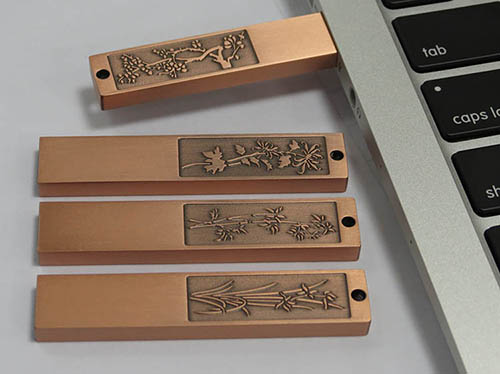
- Automotive Components: Some automotive accessories, like car key case covers, car USB charger display panels.
- Electronic Housings: Solid and good strength, and IMD shielding.
- Communication Equipment: Miniature zinc die casting is excel at communication, IoT and 5G fields.
- Precision Lock & Security Hardware: Smart lock housings and some safe belt buckets.
- Decorative Hardware: Excellent surface finishing, allows various surface treatments.
Zinc Die Casting Prototyping Design Challenges
Zinc die casting prototyping design isn’t simple production of first sample. It represents that performance, dimensional accuracy, surface quality of the cast part, tooling condition and high efficency mass production. Several design challenges should therefore be considered early.
Specific Surface Texture And Pattern Design
Some special textures and patterns on zinc die-cast parts can be formed directly during the casting process, eliminating the need for additional surface engraving or machining. This approach allows the entire cast surface to achieve a more uniform color, gloss, and visual appearance. To produce these effects, engineers need to design the required texture directly onto the die cavity or core surface. EDM (Electrical Discharge Machining) can then be used to precisely process the mold surface and create the desired texture, pattern, or surface effect. During die casting, the molten zinc reproduces this textured mold surface directly onto the finished component.
Ultra-Thin Walled Precision Cast Part Design
Ultra-thin-wall precision zinc die-cast parts are widely used for communication connectors, RF components, and compact consumer electronic enclosures. Zinc alloys offer excellent fluidity, allowing manufacturers to produce thin walls, intricate geometries, and small functional features with good dimensional consistency. The relatively high density and electrical conductivity of zinc also make zinc die casting suitable for EMI and RFI shielding applications, helping protect sensitive electronic components from electromagnetic interference.
For applications exposed to moisture, the zinc die-cast surface can be combined with appropriate plating, conversion coatings, painting, or other protective finishes to improve corrosion and moisture resistance. Zinc die-cast components can also maintain stable dimensional and mechanical performance within their specified operating temperature range.
Mutil-Functional Assemblies Integrated Cast
With an integrated zinc die-casting design, multiple separate components can potentially be consolidated into one precision die-cast part. By integrating functional features such as bosses, ribs, mounting points, brackets, and other structural elements into a single casting, manufacturers can reduce the number of components and assembly operations, resulting in lower production and assembly costs.
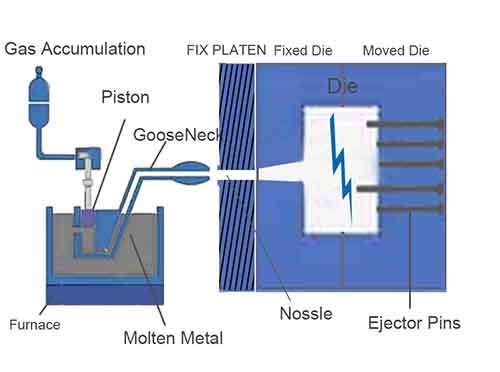
For medium-sized integrated components, hot-chamber zinc die casting can be considered when the geometry, wall thickness, projected area, and casting weight are within the process capability. When the application requires higher strength, higher-strength zinc alloys such as Zamak 5 may be selected, provided their casting characteristics and required dimensional performance are suitable for the design.
Miniature High Precision Zinc Cast Parts In Special Environments
Some miniature high-precision zinc die-cast components used in automotive systems, communication equipment, and other critical applications may be exposed to harsh environments, including humidity, salt spray, corrosive chemicals, and significant temperature fluctuations. Standard zinc alloys may not provide sufficient long-term corrosion resistance or environmental durability for these demanding applications.
Specialized zinc alloy composition with improved corrosion resistance and mechanical stability, together with an appropriate protective surface treatment. Alloy selection should consider the actual service environment, operating temperature range, mechanical requirements, and expected service life.
Porosity and Internal Defects
Another important challenge is controlling internal casting defects. For components requiring high structural integrity or pressure tightness, prototype testing should include appropriate inspection methods.
Mold-flow simulation can be particularly useful before tooling is manufactured because it allows engineers to evaluate filling behavior, potential air entrapment, and solidification problems. Focus on adjusting proper pressure, reduce mold flow turbulance and venting system, remain uniform cooling and solidifying, form tight-tolerance dimensional cast part.
In summary, Zinc Die Casting Prototyping Design Challenge faces structural design of cast part, material of selection, mold flow design and die casting operation parameters. Die casting manufacturer should combine with practical conditions, reduces the risk of redesigning the mold after the first production trial and makes the transition from prototype to mass production much smoother.
Conclusion
In Summary, Zinc die casting virtual prototyping validation uses mold flow, thermal, and solidification simulation to optimize casting quality, reduce defects, and improve tooling efficiency across automotive, electronics, communication, and precision hardware industries.
FQA
What softwares are used for mold flow simulation for zinc die casting ?
Mold flow simulation software virtually analyzes molten metal filling, cooling, solidification, and defect formation before mold manufacturing. They include the main common tools as the below:
- MAGMASOFT: Advanced filling, solidification, thermal, and porosity simulation for die casting optimization.
- FLOW-3D CAST: High-accuracy molten metal flow and defect prediction simulation software.
- AnyCasting: User-friendly casting simulation tool for flow, cooling, and shrinkage analysis.
- ProCAST: FEM-based software for thermal, stress, and solidification simulation.
- Autodesk Moldflow: Mainly used for plastic molding flow analysis and mold optimization.
- NovaFlow&Solid: Simulates metal filling and solidification behavior in casting processes.