With the development of industry and society, Metal die casting industry have spread across many industries. Especially Zinc die casting , as a new creative industry, gains rapid growth. The advantages of zinc die casting are to have a flexible zinc die casting design and remain consistent high quality mass product at lower cost, comparison to aluminum die casting. Here’s a breakdown of the unique benefits of zinc die casting, with examples highlighting its application across industries.
What IS Zinc Die Casting ?
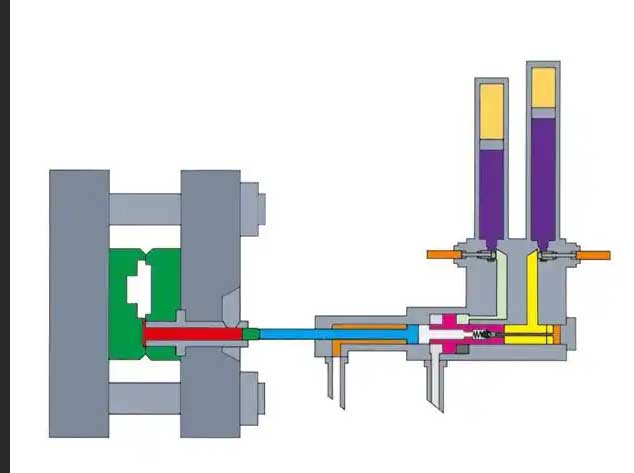
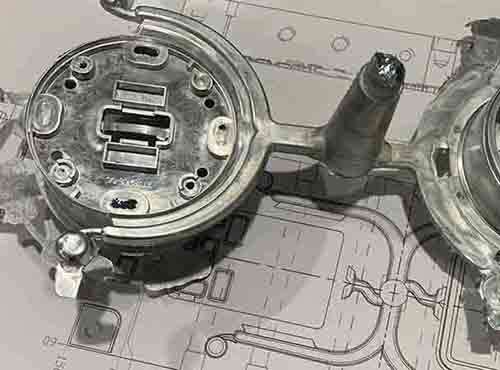
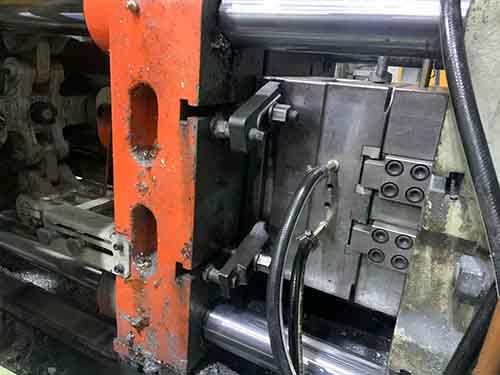
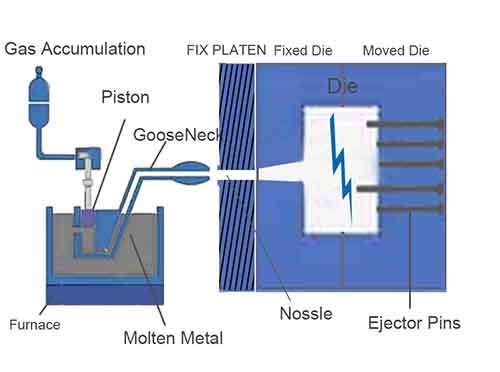
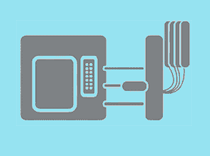
Zinc die casting is an ideal manufacturing process for the high-volume production of precision metal parts. It delivers tight dimensional tolerances, excellent surface finishes, complex geometries, and lower production costs compared with many other metal casting methods. During the process, zinc alloy is melted at a relatively low temperature and transferred through a gooseneck mechanism in a hot chamber die casting machine. The molten metal is then injected into a preheated steel die cavity under high pressure. The molten metal fills the cavity completely and solidifies into the desired shape within seconds. After cooling, the finished cast part is automatically ejected from the die by ejector pins, enabling fast and efficient mass production.
Top 10 Benefits Of Zinc Die Casting
Benefits of zinc die casting is signifacent on using material, especially zinc alloy, which has the below features, comparison to aluminum alloy.
Superior Ductility and Thin-Wall Casting At Lower Temperature
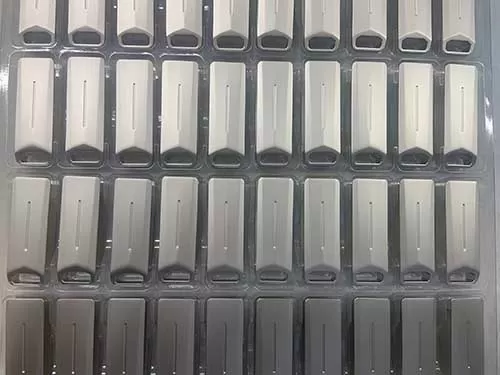
Zinc’s specific ductility allows it to be cast into complex shapes with thin walls at lower temperature. But not feasible for aluminum alloy. Zinc die casting is ideal for miniature precision parts, especially Zamak 3 is best for electronics and telecommunications, thin-walled USB flash drive disk housings and tablets and smart devices, shielding against electromagnetic interference (EMI). With less heat energy of consumption, tight-tolerance dimensional, complex geometries and apperance and superior surface finishing cast parts can be produced quickly. At cost of mass production, zinc die casting is more premium than aluminum one.
Strong Strength and Durability
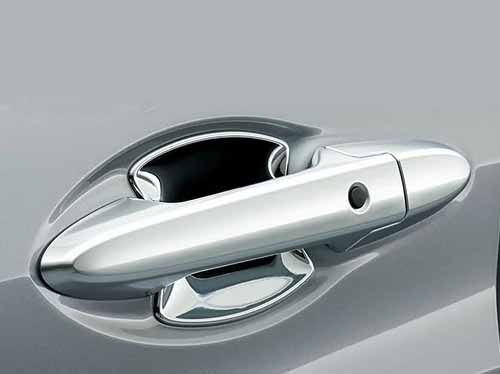
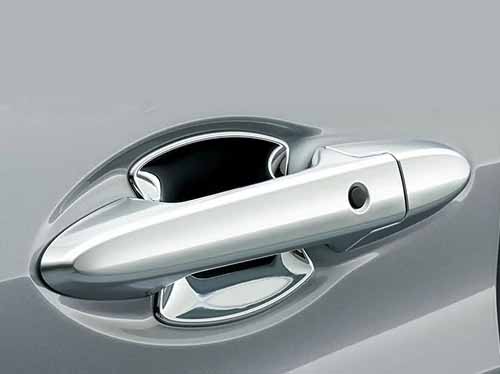
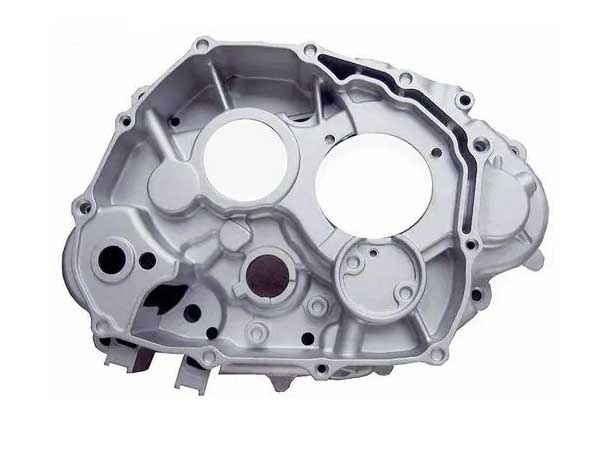
Zinc alloys are strong strenght and can withstand high impacts and wear, making them suitable for durable components . Like Zamak, provides significant features of castability and durability. Such as automotive door handles and locks. Some wearable and impact automotive parts can be made of ZA series. These high strength cast parts withstand wears and impacts, like gears, shafts and transmmision housings in automotove industry.
Corrosion Resistance and Surface Finishing Versatility
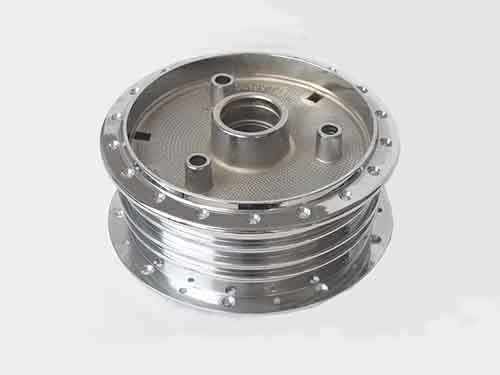
Zinc die cast parts have excellent corrosion resistance, Additionally, zinc’s surface finishing allows for a variety of finishes, from chrome plating to painting is easier than alumium alloy casting ones. Becasue zinc metal is a kind of great adhesive metal with substrate metal material in Plating. Such as in kitchenware and household appliances, zinc die-cast knobs, handles, and trim benefit from the corrosion resistance and attractive finish options.
Lower Melting Points
Its low melting point (around 380-420°C) can have energy savings in melting, fast and lower cost, compared to aluminum, which requires higher temperatures. The molten zinc can solidify within a few seconds and finish one cast cycle, form a cast part, far beyond the other metal casting, such as aluminum, copper, iron and steel, which require more longer time to solidify for each cast cycle.
Faster Production Cycle
Zinc alloys have a relatively low melting temperature, typically between 380°C and 420°C, allowing molten metal to be injected, cooled, and solidified much faster than many other engineering metals. The shorter thermal cycle significantly increases production efficiency and reduces manufacturing costs per part.
Automation Production Lines Production
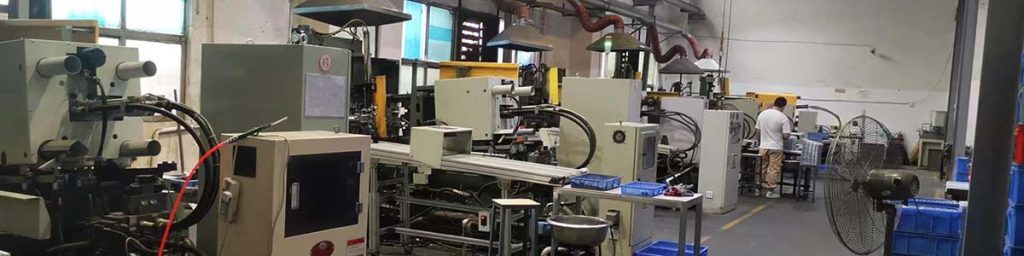
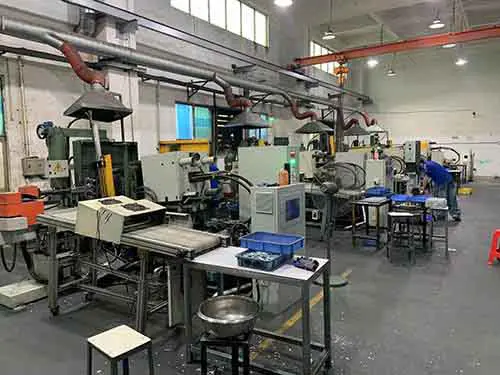
To improve production efficiency and workplace safety, professional zinc die casting factories in China increasingly utilize automated robotic arms, intelligent conveyor systems, and automated trimming equipment. Robotic hands accurately grasp and transfer hot castings immediately after ejection, eliminating the risk of human error and reducing the possibility of burn injuries during production.
Compared with manual operations, robotic systems provide highly repeatable and consistent movements, ensuring stable cycle times and minimizing production interruptions. Automated handling also reduces part damage, improves process consistency, and supports continuous 24-hour manufacturing operations. Combined with intelligent conveyor belts, cast parts can be automatically transferred to trimming, inspection, surface finishing, or packaging stations without manual intervention.
Lower Manufacturing Cost
Lower melting temperation operation, less heat energy consumption and less secondary operation reduces largely the manufacturing cost per part, compare with aluminum die casting, which enables much energy consumption, high melting temperature working. The cost of manufacturing cost in zinc die casting for the same specification will be lower by 30%-40% than aluminum one.
Longer Tooling Life
The key economic advantages of zinc die casting is its longer tooling life compared with aluminum die casting. Zinc alloys melt at relatively low temperatures, typically between 380°C and 420°C, whereas aluminum die casting operates at temperatures exceeding 660°C. The lower operating temperature significantly reduces thermal stress, thermal fatigue, and heat checking on the die surface.
High-temperature aluminum alloys generate greater thermal shock and accelerate die wear, cracking, and erosion. Zinc die casting subjects the tooling to less severe thermal conditions, allowing the mold to withstand substantially more production cycles before maintenance or replacement is required.
Recycling and Environmental Friendliness
Zinc is a fully recyclable material with low environmental contamination. Recycled zinc still keep its properties, contributing to sustainable production and reuse. In the automotive sector, Many zinc die casting components that can be fully recycled, follows circular economy initiatives and meeting industry sustainability goals.
Dimensional Accuracy and Stability
Zinc die cast parts have a precise dimensions and stability due to its small shrankage when cooling and solidifying. Zinc parts retain their size and fit. Unlike aluminum, which can experience dimensional changes due to bigger shrankage when the part experiences a big gap between high and low temperature. In medical devices, where precision is critical for housings and supports. Zinc die casting components just fit within the device to ensure safety and functionality.
| Nominal Dimension | Typical Zinc Die Casting Tolerance | Precision Zinc Die Casting Tolerance |
|---|---|---|
| Up to 25 mm | ±0.05 mm | ±0.025 mm to ±0.05 mm |
| 25 – 50 mm | ±0.08 mm | ±0.05 mm |
| 50 – 100 mm | ±0.10 mm | ±0.08 mm |
| 100 – 150 mm | ±0.15 mm | ±0.10 mm |
| 150 – 250 mm | ±0.20 mm | ±0.15 mm |
| Over 250 mm | Consult Engineering | Consult Engineering |
Benefits Of Zinc Die Casting , Comparison To Aluminum One
Hot chamber die casting is well-suited for processing zinc (or zinc alloy) parts because zinc has a relatively low melting point. The process offers rapid cycling and hig volume production. These desired designed zinc die casting components have been used in a large scale in our every corner in daily life, and durable and cost-efficiency. This is Advantages of Processing zinc die casting parts with hot chamber die casting machine. Benefits of zinc die casting process is more outstanding, comparison to aluminum one.
| Property | Zinc Die Casting | Aluminum Die Casting |
|---|---|---|
| Melting Temperature | 380-420°C | 660°C+ |
| Tool Life | Longer | Shorter |
| Precision | Higher | Medium |
| Surface Finish | Excellent | Good |
| Production Speed | Faster | Slower |
| Thin Wall Capability | Excellent | Moderate |
| Cost for Small Parts | Lower | Higher |
Zinc Die Casting Applications
Zinc die casting offers a compelling mix of precision, efficiency, and sustainability. Especially Be favor of bulk production for medium and small-sized cast parts, manufacturing complex, high-quality metal components. Taking a brief for benefits of zinc die casting applications as the blew table.
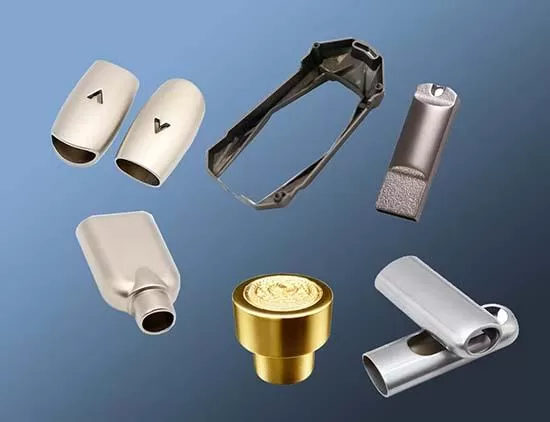
- Automotive components: Zamak 5 is most common, which is made into lock core, antenna, door handle and sense housings. A few are made of ZA 8. These precison automotive zinc die casting components are foucsing on Zamak 5 and Zamak 8.
- Communication equipment: Zamak 3 is most common, which has excellent fluidity and ducility, allows consistent high quality thin-walled and complex internal structural cast part mass production, like rooter enclose, bluetooth ear enclosure and RF housings and precision structural camera housings.
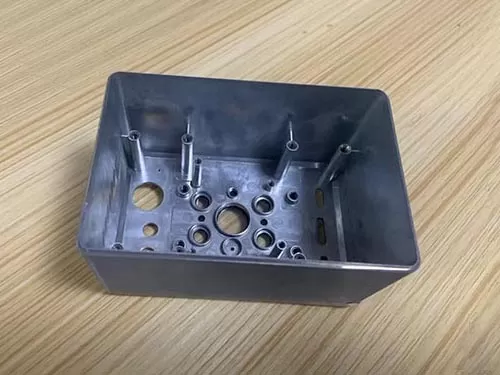
- Customer Electronic : USB flash drive disk housings, electronic module EMI shielding housings and portable electronic device enclosures.
- Furniture Hardware: Zamak 5 is used for furniture hardwares, like handles for cabinets, hinges and high strength amounting structural parts.
- Smart Lock Housing: Zamak 5 has strong corrosion resistance and wear resistance, it is made into vertasility smart lock exposed outdoor and worse weather.
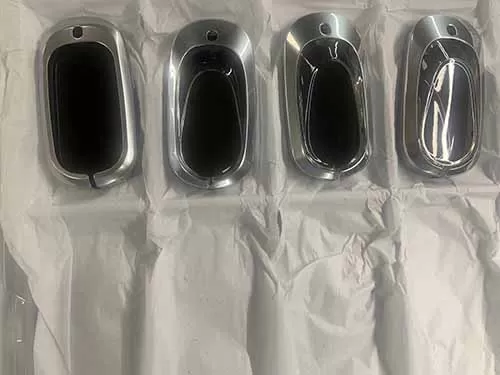
Zinc Wireless Charger Supporting Base
Zinc wireless charger supporting base is one of our classic project cases. Its character is custom integrated structural design and a good heat dissipation.
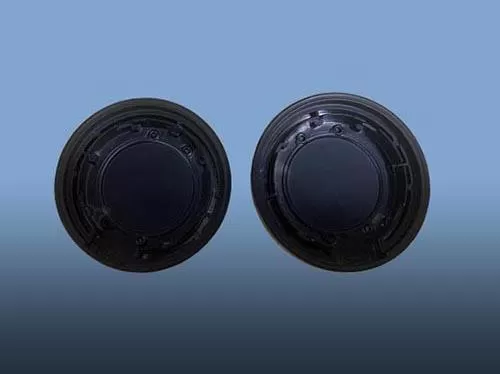
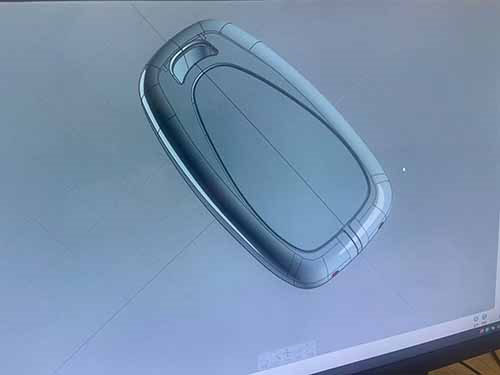
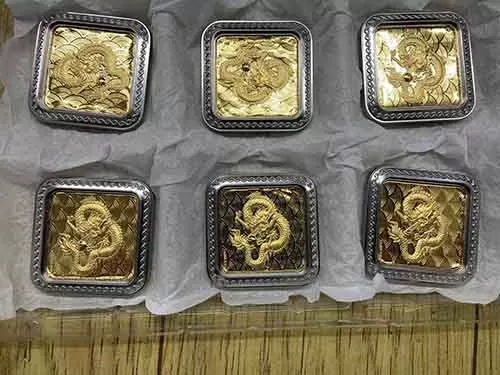
An exquisite metal aromatherapy cover can be processed by using zinc casting. Zinc casting, as popular metal manufacturing process, commonly used for producing small to medium-sized metal components with intricate design and high dimensional accuracy.
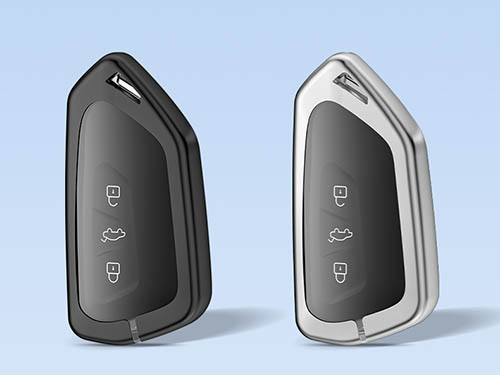
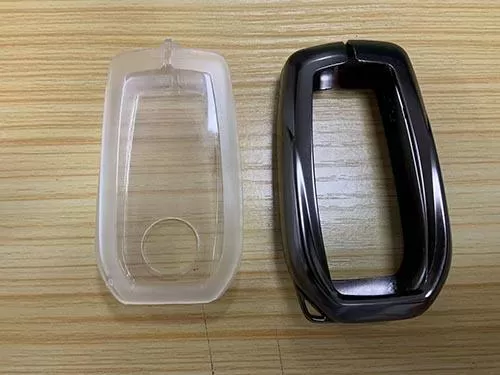
about 420 degrees or so, molten zinc alloy is injected into precision dies under high pressure to form durable key case components .
Die Casting Project Quote
Professional OEM die casting factory to finish your project? Please send 3d file to us for quick quotation !
Common FQA
Why is zinc die casting cheaper than aluminum die casting?
Zinc die casting is generally cheaper than aluminum die casting because it operates at a much lower melting temperature (≈380–420°C vs. 660°C+), which reduces energy consumption, extends die life, shortens cycle time, and minimizes secondary machining requirements, resulting in lower total manufacturing cost per part in high-volume production.
What are the advantages of Zamak 3?
Zamak 3 is the most widely used zinc die casting alloy due to its excellent balance of mechanical properties, dimensional stability, and castability. It is often considered the “standard grade”for general-purpose precision zinc die casting. It is most prior metal fluidity and ductility among zinc alloys, allows intricate geometries, extreme thin-walled and complex internal structural cast parts.
Is zinc die casting suitable for miniature parts?
Yes, zinc die casting is one of the best manufacturing processes for miniature precision metal parts, offering a rare combination of high accuracy, fine detail capability, fast production cycles, and low cost in mass production.
Does zinc die casting require CNC machining?
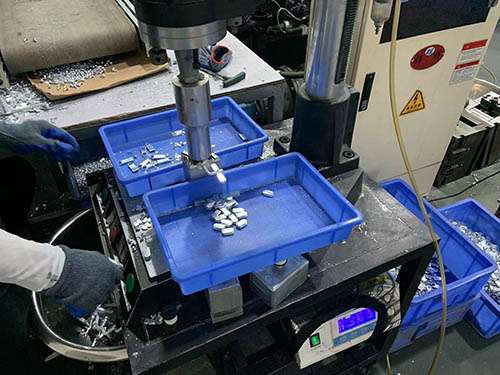
Zinc die casting does not always require CNC machining; it is typically a near-net-shape process, but CNC machining is only used for critical dimensions, tight tolerances, or precision functional surfaces when higher accuracy is required. We often use precision drilling machines, cnc turning lathes and cnc machining centers.
How long do zinc die casting molds last?
Zinc die casting molds typically last about 500,000 to over 1,000,000 shots, depending on part design, die steel quality, cooling system, and production conditions, because zinc’s low melting temperature (≈380–420°C) causes much lower thermal fatigue and wear compared with aluminum die casting.
Conclusion
In summary, benefits of zinc die casting are physical visible, compare to other metal alloy. Zinc die casting is a powerful manufacturing process that delivers precision, performance, and cost savings, all while supporting sustainable production practices. With the lower melting points metal, die casting manufacturers can finish some custom die casting projects in high efficiency, ensure consistent high quality mass production at lower cost.