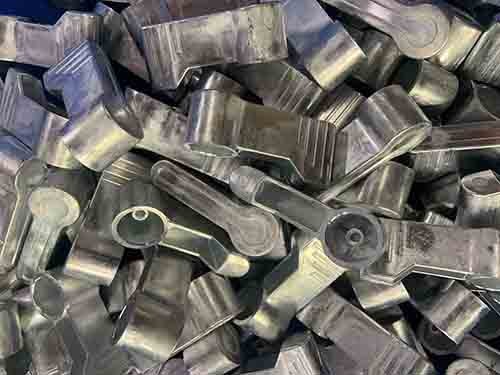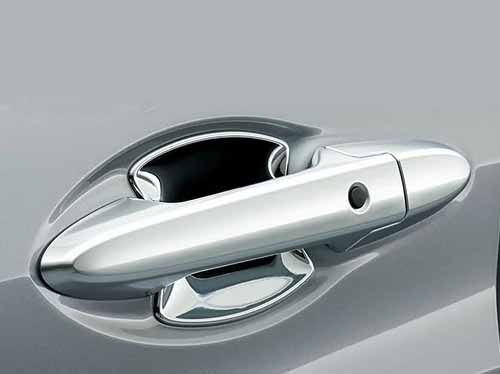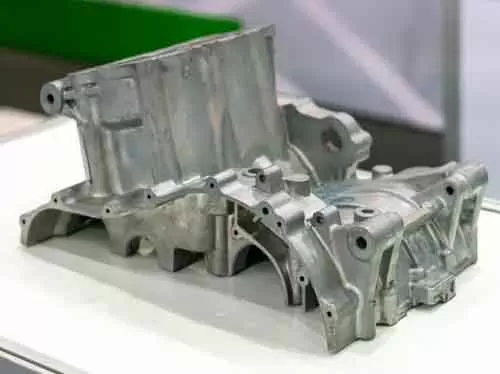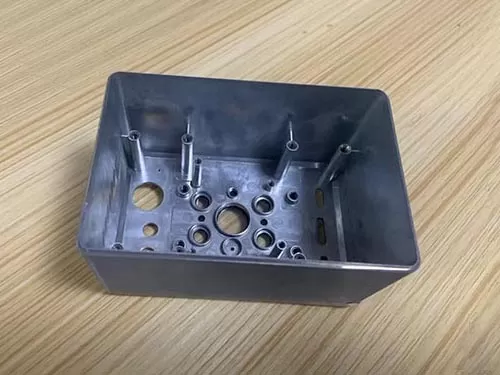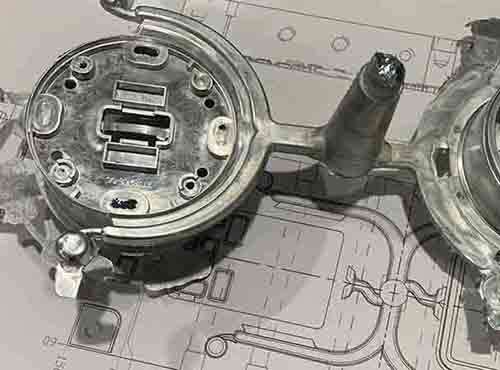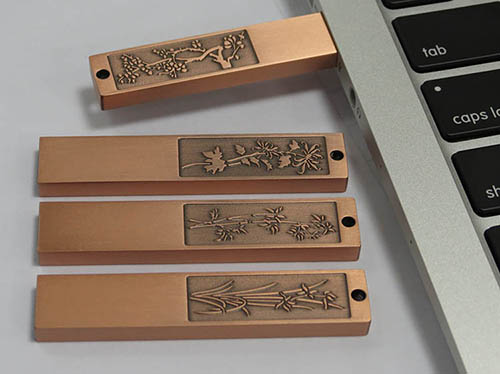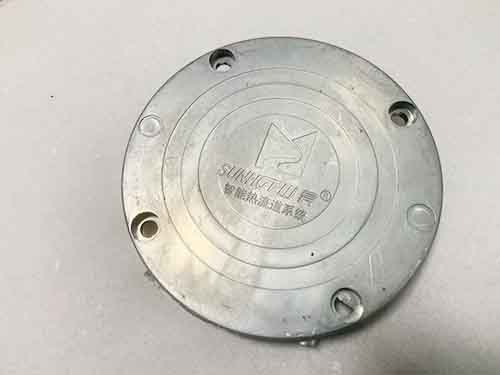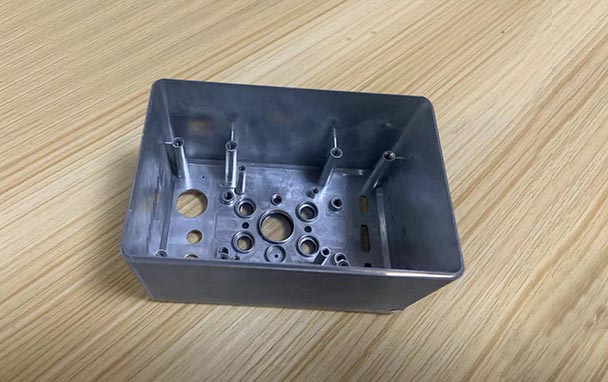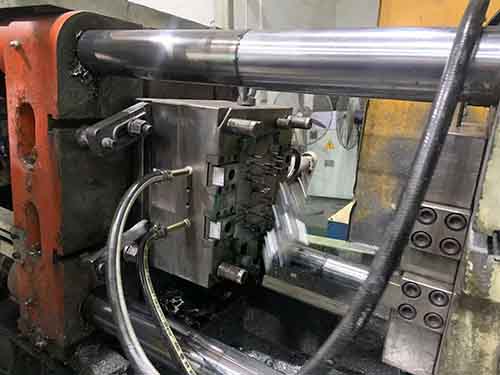
The demand for miniature zinc components has increased in recent years, driven by advancements Electronic and IoT Network industries. These Miniature zinc die casting parts are high precision, durable and cost-efficiency, just meet the specific requirement in these industries. So more and more die casting manufacturers invest die casting machines and automational production line to produce mass miniature zinc die casting parts. The miniature zinc die casting process requires advanced techniques to ensure high quality and consistency. Among the various methods available,Hot Chamber Die Casting Machines are For Miniature Parts Zinc Die Casting Process . This also is advantages that hot chamber die casting machine produces miniature parts zinc die casting.
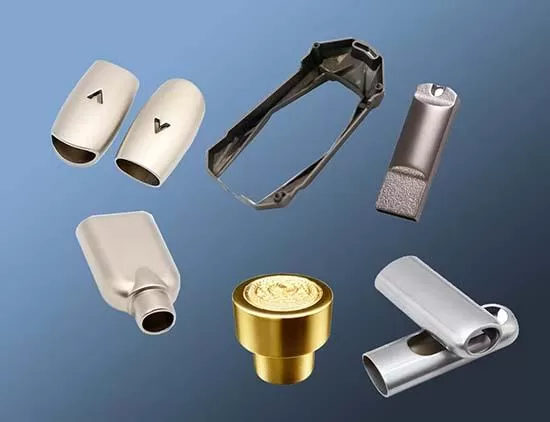
What Miniature Zinc Die Casting Is ?
Miniature zinc die casting is a high-speed precision manufacturing process used to produce extremely small and complex metal components with excellent dimensional accuracy, smooth surface finishing, and thin-wall capability. Hot chamber zinc die casting technology enables efficient mass production of miniature electronic housings, communication components, medical parts, and automotive precision hardware.
Advantages of Zinc Die Casting
Zinc die casting belong to high temperature cooling process, which means hot chamber die casting is best for precision medium and small sized cast parts, it has a high efficiency mass production and rapid prototyping testing and lower cost running.
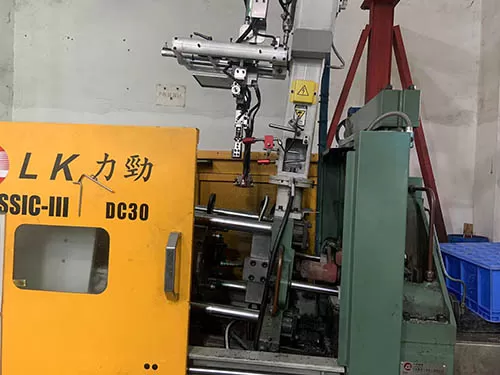
1. Accept Precision and Detail: Hot chamber die casting is excel at producing parts with intricate geometries and precision dimensions. It accepts consistent high quality miniature components.
2. High Production Efficiency:The fast cycle times of hot chamber die casting enables the mass production of miniature parts without compromising quality due to the low melting point of zinc alloys.
3. Consistent Quality: The numberious control injection process and high precision steel cast die ensures consistent high quality cast parts.
4. Cost-Effective Manufacturing: The high Cost efficiency production minimizes labor costs and energy consumption and zinc’s recyclability reduces material wastage, contributing to sustainability of zinc alloy.
How Does Miniature Zinc Die Casting Process Work ?
Miniature zinc die casting is an ultra-precision manufacturing process used to produce small, complex, and high-accuracy metal components with excellent surface finishing and dimensional consistency. Due to the low melting temperature and outstanding fluidity of zinc alloy, hot chamber zinc die casting is highly suitable for manufacturing miniature precision parts with thin-wall structures and intricate geometries.
Custom zinc die casting project features an extremely fast casting cycle, high repeatability, and excellent dimensional accuracy, making it ideal for high-volume production of miniature electronic housings, communication components, automotive hardware, medical device parts, and precision mechanical components.
Key Constraints For Ultra-Precision Miniature Zinc Cast Parts Manufacturing
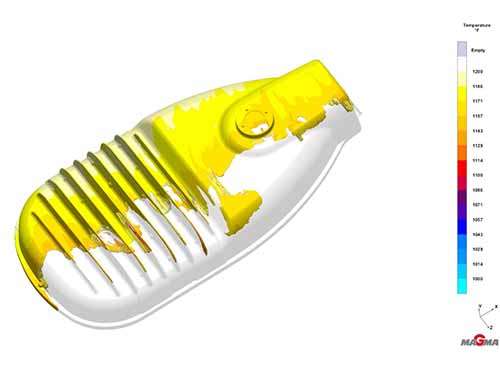
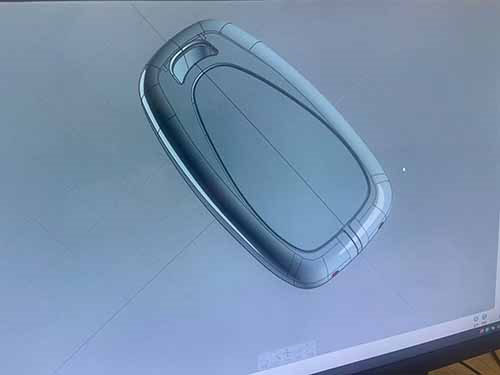
When requiring mass production of ultra-precision miniature zinc die casting parts with high manufacturing efficiency, engineers first create a professional zinc die casting design guide and conduct mold flow simulation together with DFM (Design for Manufacturability) evaluation. These engineering analysises help optimize product structure, molten zinc alloy flow behavior, mold cooling balance, venting performance, and production stability before tooling manufacturing begins.
Based on the finalized 3D model and engineering analysis results, engineers design ultra-precision miniature steel dies with highly complex cavity structures and multi-functional features. Because miniature zinc die casting components commonly contain thin walls, micro holes, sharp corners, internal ribs, undercuts, and intricate geometries, the tooling design requires extremely high manufacturing precision and advanced mold engineering capability.
Extremely Thin Wall Thickness Limitation
Ultra-miniature zinc die casting parts commonly require wall thickness between 0.3 mm and 0.8 mm. Extremely thin sections increase the difficulty of molten zinc alloy filling and solidification balance. Engineers should carefully consider the optimal selection of zinc alloy to ensure molten metal can rapidly and smoothly fill the miniature die cavity, achieve uniform cooling and solidification, and minimize the occurrence of casting defects during high-speed production.
Zamak 3 provides outstanding ductility, excellent fluidity, and stable casting performance compared with other zinc alloys, making it highly effective for manufacturing miniature precision components with micro features and intricate internal structures.
Precision Tooling Manufacturing Accuracy
Miniature zinc die casting heavily depends on ultra-precision mold manufacturing capability. Tiny cavity features require extremely accurate EDM machining, CNC machining, and polishing processes. High-quality precision zinc die casting dies can typically achieve a tooling lifetime of approximately 1,000,000 to 3,000,000 shots under continuous hot chamber die casting production conditions at molten zinc alloy temperatures around 380–420°C. Engineers select premium tool steel such as H13 or SKD61 to make ultra-precision zinc die casting molds. Due to the relatively low melting temperature of zinc alloy compared with aluminum alloy, zinc die casting tooling experiences lower thermal fatigue stress, reduced thermal cracking, and longer service life during high-volume manufacturing operations.
Tight Dimensional Tolerance Requirement
Ultra-precision miniature zinc cast parts usually require very tight tolerances. Typical tolerance challenges include:
| Feature | Typical Precision Requirement |
|---|---|
| Small holes | ±0.01–0.03 mm |
| Thin walls | ±0.02 mm |
| Flatness | ≤0.03 mm |
| Parallelism | ≤0.02 mm |
| Surface consistency | High uniformity |
Mold Temperature Stability
Miniature zinc die casting is highly sensitive to mold temperature fluctuation because ultra-small precision zinc cast parts require extremely short casting cycles and rapid solidification during high-speed mass production. Stable mold temperature control is one of the most critical factors for maintaining dimensional consistency, thin-wall filling performance, surface finishing quality, and overall production stability in ultra-precision miniature zinc die casting manufacturing.
During the hot chamber zinc die casting process, molten zinc alloy rapidly fills the miniature die cavity under high injection pressure. Because miniature zinc cast parts commonly contain ultra-thin walls, micro structures, fine ribs, and intricate internal geometries, even small mold temperature variations may directly affect molten metal flow behavior and solidification balance.
Molten Zinc Alloy Flow Control
Although zinc alloy has excellent fluidity, miniature precision components still require highly stable molten metal flow behavior. It involves of zinc die casting process and troubleshooting defects during the hot chamber die casting process. Like Turbulent metal flow generation, Air entrapment inside die, Flash generation and Unstable injection pressure. These issues cause the defective goods.
Optimized hot chamber injection parameters are important for stable micro-feature filling. Improve venting and gating system to help minimizing defective occurrances and ensure consistent high quality cast parts output at mass production.
Secondary Machining
Some ultra-precision miniature zinc components require CNC secondary machining for threads, micro holes, or precision surfaces. These ultra-precision miniature cast parts require tight-tolerance dimension for just assemblies, engineer suggest using precision CNC machining equipment to mill and turn and achieve precision on demand. Sometimes For extending life time of these cast parts, they allow different types of color-coating and plating. These zinc die casting parts require different surface roughness (SR), the secondary process accept die casting polishing processes.
Surface Finishing Constraints
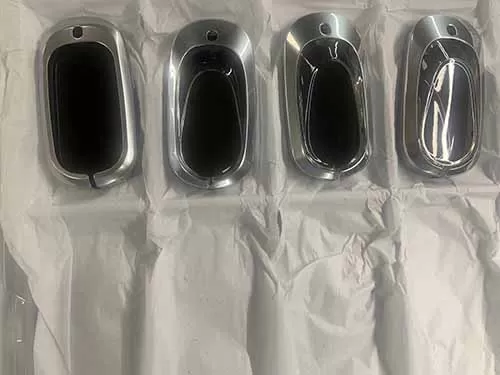
Miniature zinc cast components often require decorative or functional surface finishings. Professional OEM die casting factory provide the below common surface finishing approaches. Include of Electroplating, Chrome plating, Stain-Nickel Plating, Powder coating, Painting and PVD coating.
Inspection And Measurement
Ultra-small zinc cast parts require advanced precision inspection equipment. Common Spectrum Inspection Instrument, CMM measurement, Surface Roughness tester, Hardness tester, Micrometer and Salt Spray Testing Container.
High-Speed Production Stability
Miniature zinc die casting usually operates under high-volume production conditions with fast cycle times. So engineer suggest implementing regular casting die repair and maintenance for some time for mass prodcution. Keep high-speed mass production stable high quality cast parts output.
Packaging And Transportation Protection
Ultra-small zinc die cast parts are vulnerable to impact damage and surface scratches during shipment.Protection constraints include: Part collision, Electroplating damage, Oxidation during sea transportation,Micro-feature deformation. Protective blister trays, vacuum packaging, and anti-corrosion packaging are commonly used for export products.
Miniature zinc die casting process combines thin-wall casting capability, high-speed production efficiency, and exceptional dimensional precision. However, achieving stable manufacturing quality requires strict control of tooling accuracy, molten zinc alloy flow, mold temperature balance, venting design, flash prevention, and inspection systems. Advanced mold flow simulation, precision tooling manufacturing, automated production, and quality inspection technologies are essential for producing miniature zinc cast components with high consistency and reliable performance.

Die Casting Project Quote
Professional OEM die casting factory to finish your project? Please send 3d file to us for quick quotation !
Why Hot Chamber Die Casting Is Suitable for Miniature Zinc Die Casting Process
When knowing more about hot chamber die casing from the above information of the machines work principle and advantages, we think hot chamber die casting is more suitable for miniature zinc die casting process. The process enables small to medium sized cast components with high precision, lower cost in high volume in fast cycle. The following we will have key points to describe.
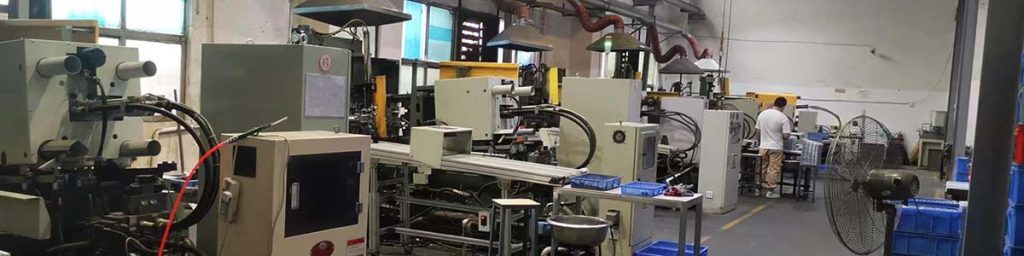
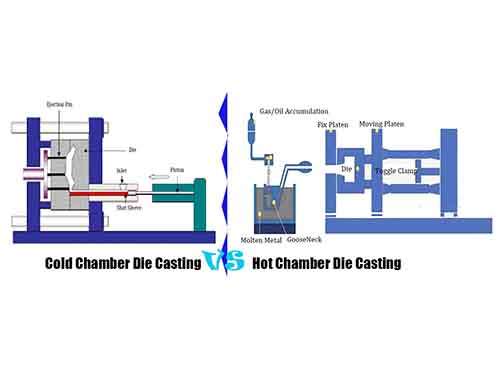
With interior furnace and gooseneck machenism
The integrated furnace can melt zinc in the zinc die casting, with high pressure injection process, though gooseneck machenism, under high pressure forces the molten zinc into the steel mold, shapes good surface finish zinc die casting parts. For its casting die had been designed in precision, so the part is high precision , a tight dimension tolerance.
Miniature Size and Complex Geometries
Zinc die casting components is focus on miniature and medium size due to zinc alloy metal is a low melting point metal material, good fluidity of melton zinc and a little shrankage. And ensuring their high quality standards in mass production. In another one, Complex geometries design is also a highlight of zinc alloy die casting component, added high pressure drive, and making the molten zin fill the cavities of casting die fully, shapes more perfecter geometries in die casting process.
Minimized Waste Material And Recylibity
Zinc alloy waste material is minimized during mass production due to good fluidity of molten zinc alloy. So this enables saving more excess material during die casting process. But we can’t exclude die casting component’s burr, flashing and part line in mass production. For these processed burr waste, we can reuse them, because zinc alloy material is eco-friendly and recylable.
Fast Cycle Times And Consistent High Quality Mass Production
The lower melting points zinc can be molten at lower temperature, and cast into various intended cast parts in fast cycle times, The advanced die cast machine, automation production line and high precision steel cast die can offer consistent quality zinc die cast parts at high efficiency at mass production.
The above points prove the hot chamber die casting process, it is more competive at cost-efficiency and durability. For miniature metal cast parts, which faces unprecedented challenge for zinc die casting design with more intricate appearance and structure.
Conclusion
Hot chamber die casting is suitable for miniature zinc die casting process. It creates intricate designs with precision, efficiency, and cost-effectiveness makes them indispensable for manufacturers. Through advanced technology and innovative solutions, these machines continue to push the boundaries of what is possible in miniature zinc casting. As industries enlargement, the role of these machines in shaping the future of manufacturing will only grow, reinforcing their position as the ideal choice for producing miniature parts.
FQA
What zinc alloy is best for miniature parts?
Zamak 3 is widely considered one of the best zinc alloys for manufacturing miniature precision die casting parts because it provides an excellent balance of fluidity, ductility, dimensional stability, and surface finishing performance. Due to its superior casting characteristics, Zamak 3 is especially suitable for ultra-precision miniature zinc die casting applications requiring thin-wall structures, complex geometries, and high-volume production consistency.
What is the minimum wall thickness for zinc die casting?
The minimum wall thickness for zinc die casting typically ranges from approximately 0.3 mm to 0.5 mm for ultra-precision miniature zinc cast parts manufactured by hot chamber die casting technology. Due to the excellent fluidity and low melting temperature of zinc alloy, zinc die casting can achieve thinner wall sections compared with many other metal casting processes.
For standard zinc die casting components, the recommended wall thickness is usually between 0.8 mm and 2.0 mm to ensure stable molten metal flow, balanced cooling, and consistent dimensional accuracy during mass production. However, advanced ultra-precision miniature zinc die casting technology can successfully manufacture extremely thin-wall structures below 0.5 mm when using optimized tooling design and process control.
Why is zinc better than aluminum for tiny parts?
Zinc alloy is often considered better than aluminum alloy for manufacturing tiny precision parts because zinc provides superior fluidity, thinner wall casting capability, higher dimensional accuracy, better surface finishing, and faster high-volume production efficiency during die casting operations. These characteristics make zinc die casting highly suitable for miniature components with complex geometries, micro features, and intricate internal structures.