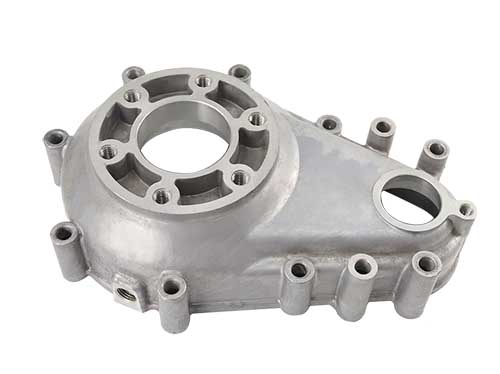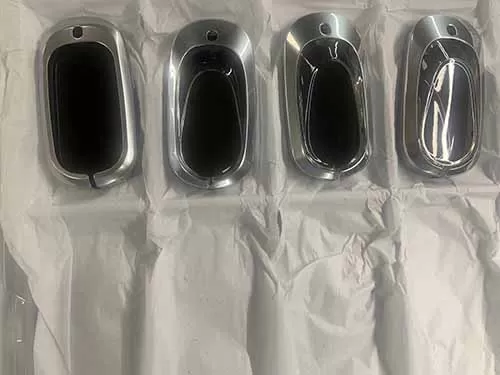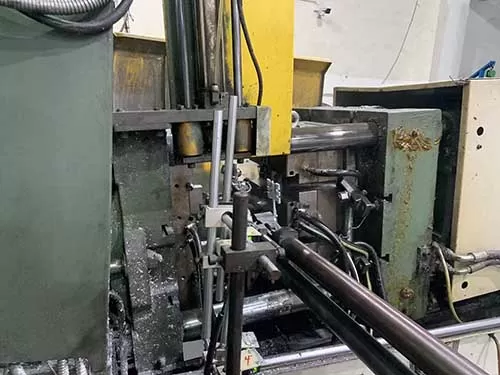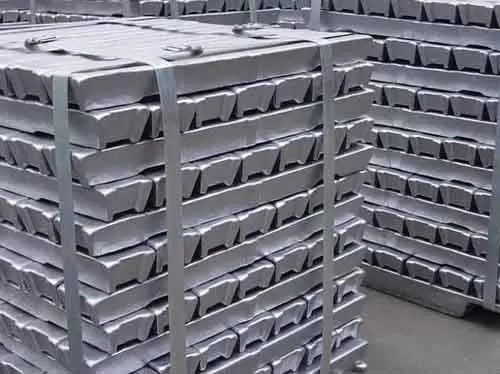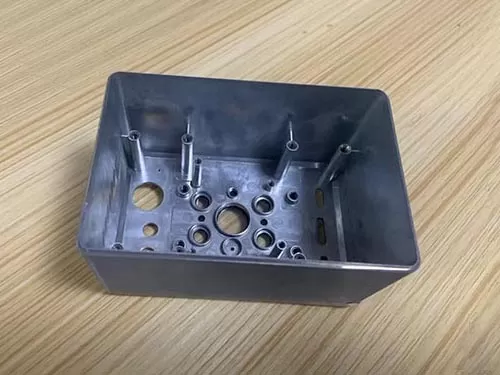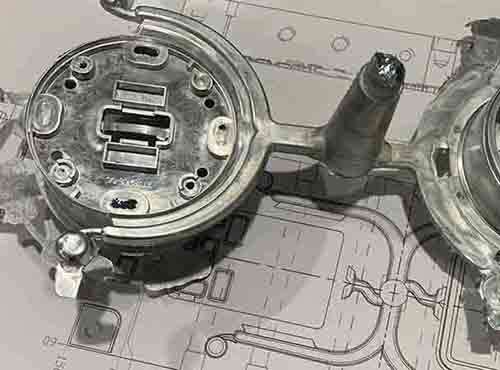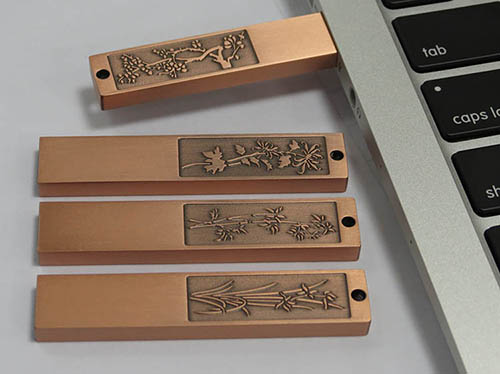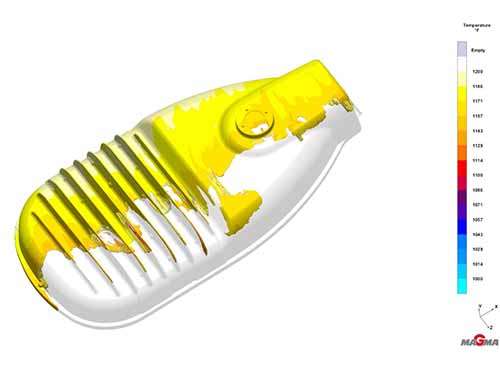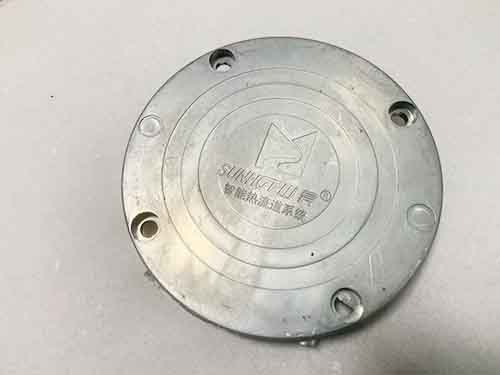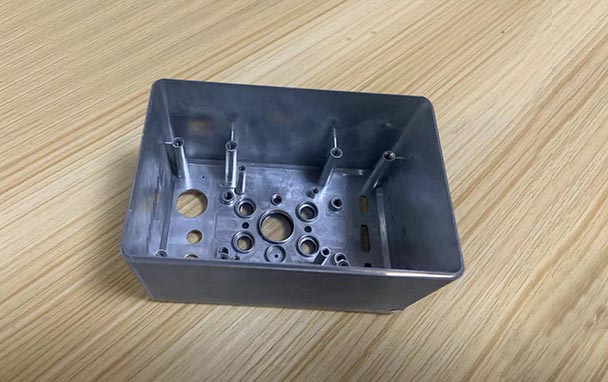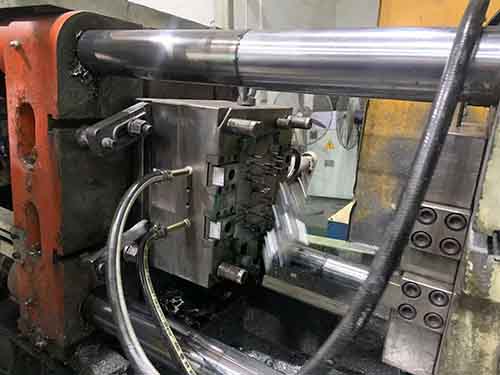
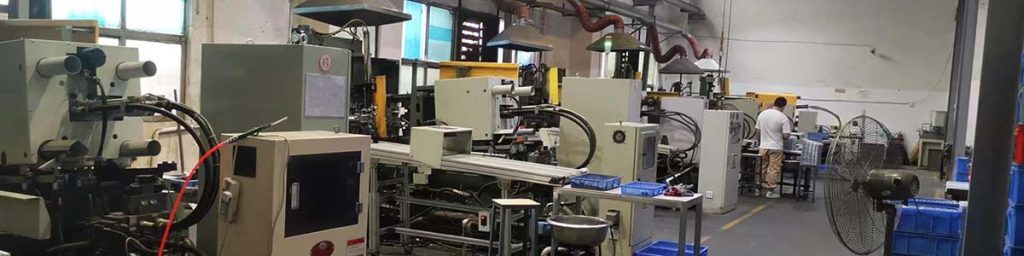
Comparing from aluminum die casting vs zinc die casting, their common ground is basic of die casting process. These process all require pouring the molten metal into the precision die and form intential shaped metal parts under high pressure, then passes some post-process methods to have some fine surface finishes. Therefore, Their different ground is processing the different metal alloy with different process technique. Aluminum die casting casts high melting metal alloy with cold chamber die casting technique, but zinc die casting is favor of hot chamber die casting to cast low melting metal alloy. In application, They are also used in different field depends on function and specific requirement of die casting parts. We explore the comparison from aluminum die casting vs zinc die casting : material, process and applications in below aspects.
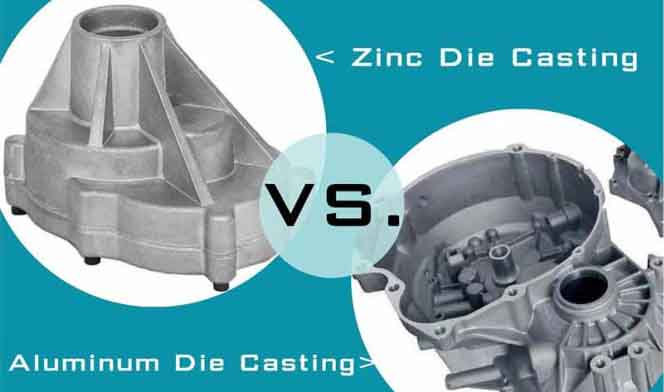
Aluminum Die Casting vs Zinc Die Casting : Material
| Metal Alloys Cost
These Two types of metal alloy have sharply different material cost respectively. Aluminum alloys cost is even low, and easy to purchase, they can be get easily anywhere without specific purchasing. Depends on different applications of aluminum die casting parts, Die casting manufacturer will purchase different type of aluminum alloy to make various functional die casting parts. Like 7075, 6061,5052 and 2024 etc. However, zinc alloy cost is aluminum alloy three times even though more higher, what’s more, zinc alloys should be bought at specific metal composition factorties or recycle defective zinc die casting parts and zinc scraps. Zinc alloys include of the below types : Zamak Alloy and Aluminum Alloy.
| Metal Alloys Melting points
The existed solid metal alloys should all be molten and made into useful die casting parts across many industries. but they allow different melting points and temperature. Aluminum alloys require higher temperature to melt, its melting point is up to 600 degrees due to aluminum element metal property. Therefore zinc alloys are newly metal composition material, is basic of zin element, added with other metal elements. Its melting point is comparable lower, which is up to 430 degrees due to zin metal property.
| Conductivity
Aluminum Alloy and zinc alloy have all good conductivity. but there is a significant distnction between both. Whenever elctrical conductivity or thermal conductivity, aluminum alloy always priorer than zinc alloy. Most of Aluminum die casting parts are used for electronic components module housings and enclosures and connectors due to aluminum best conductivity. But zinc die casting parts are used for weight-ratio in automotive industry for overall cost cutting and cost- efficiency of cars. For example, transmission housings and balance weight brackets.
| Corossion Resistance
The Two types of metal alloys have good corrosion resistance, and standwith strong corossion in atmosphere and liquid due to these matal can generate a oxide layer on the surface of it and protect it’s metal is continuously touched of corrossion substrict or oxygen gas in the air and damage its metal properties. From some proven experiments, Aluminum alloy corossion resistance is better than zinc alloy one. Aluminum alloy die casting parts have a longer life for physical applications because aluminum anodized layer is thicker than zinc alloy, and always protect the core metal property well, however zinc alloy, which can downgrade after they are used for long time due to the thinner anodized layer on part, even through in specific conditions, and the anozide layer maybe break.
| Weight
Zinc alloy density is from 5.0~6.7 g/cm³, it is comparable heavier, almost equal to 2.5 times aluminum density, which is 2.7 g/cm³, and very light, and used for aerospace and military defense. Therefore, high volume zinc die casting parts have been used for automotive parts and aim to increase overall weight of vehicle and stead the vehicle performance.
Aluminum Die Casting Vs Zinc Die Casting: Process
| Process Cost
Aluminum die casting has higher process cost due to high melting point metal and defective rate. From melting metal at the beginning, high energy consumption will increase the cost of die cast part. During casting metal part, long time cooling either enhance time cost or causes more defective parts. So its production effective rate is lower. In another one, aluminum die casting part surface often porosity status, which makes more post processes required in further. From aluminum die casting vs zinc die casting , Overall process cost for aluminum die casting is much higher than one of zinc die casting.
Zinc die casting needs lower temperature to cast high quality die casting parts. From melting metal at the beginning, less energy consumption and fast cast cycle lead to high efficiency mass production and high finished products production rate. What’s more , zinc die castings superior surace finishing allows less post process. Zinc part is more easy to be plated and other surface finishing. It overall process cost is far lower.
| Energy Consumption
From aluminum die casting vs zinc die casting, aluminum die casting require more energy consumption than zinc one due to different melting points metal.
| Tooling Life
Aluminum cast die requires accepting higer temperature because melting aluminum temperature is high, up to 650 degrees or so. Therefore, zinc cast die accept low molten zinc temperature, up to 430 degrees, consistent running at high temperature environment for casting, its tooling life is shorter than lower temperature environment. So the cast die life for aluminum alloy is longer than zinc one .
| Surface Finishing Options
There is often porosity on the aluminum cast parts due to aluminum alloy metal property. Added post processes is done for optimizing surface finish of aluminum parts, bonding a thin layer of zin on them exception for removing grease, dirt and burs. Then allows further surface finishing. But zinc cast parts can directly allow various coating treatment due to zin is one type of strong bonding metal material once clearing the surface of zinc cast parts.
| Process Defective Rate
Different process method generate different process defective rate. Aluminum die casting vs zinc die casting, aluminum die casting generate high volume defective cast parts due to aluminum alloy metal property.
| Process Technique
Cold Chamber Die Casting
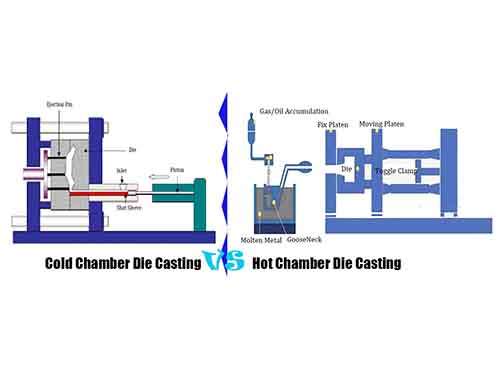
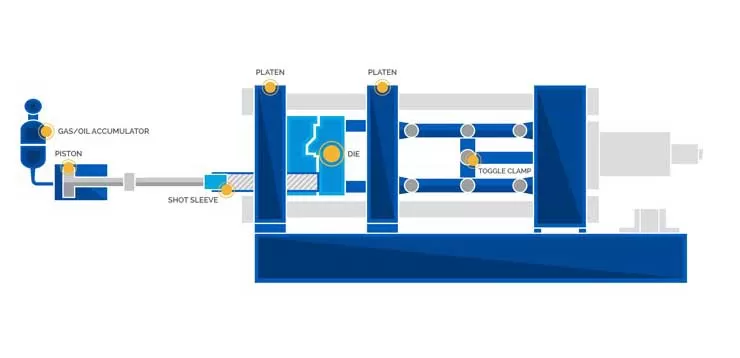
Cold chamber die casting is a process in which the melton metal furnace is seperated from the machine completely, and require ladling the molten metal and feeding it into the shot and pushing the molten metal into the die with hydraulic piston and fill the die fully under high pressure, cooled and solidified and form as-cast part. Cold chamber vs hot chamber die casting, it is suitable for higher melting points metal, such as aluminum, copper, stainless steel alloys.
Hot Chamber Die Casting
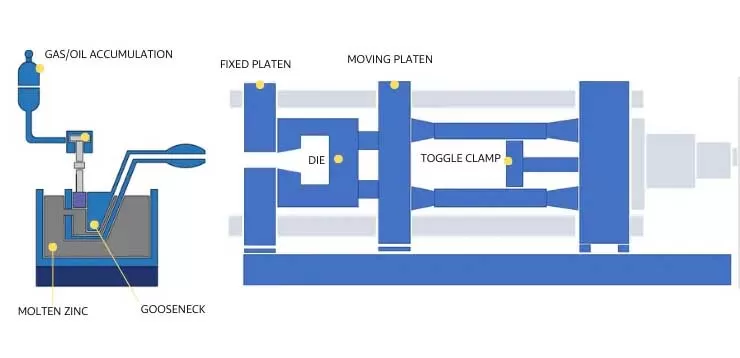
In the die casting, molten furnace is integrated with the machine. Feeding the metal material into pow, and melting metal material and overflow impurities and keep purified and steady temperature molten matail for injection. Though gooseneck mechanism, The hydraulic piston pushes the molten metal into the preheated die. Then under high pressure the molten metal flow fills into the die fully, cooled and solidified, the die is opened, the desired cast part is ejected out of the die. So Cold chamber vs hot chamber die casting, hot chamber die casting is ideal for low melting point metal, such as zinc, lead and tin alloys.
Comparable Applications From Aluminum Die Casting vs Zin Die Casting
The difference from aluminum die casting vs zinc die casting is the below details.
| Applications | Aluminum Die Casting | Zinc Die Casting |
| Electronical Components | Heat Sink, Connector and electric casings | Housings and enclosures for sensor and connector |
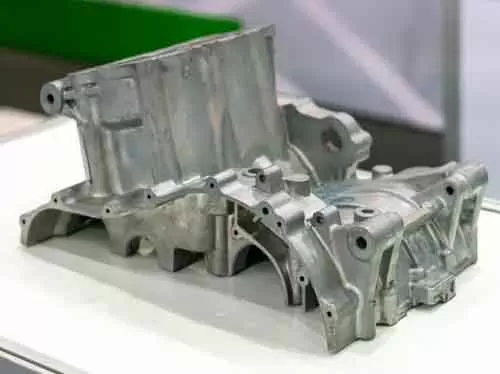
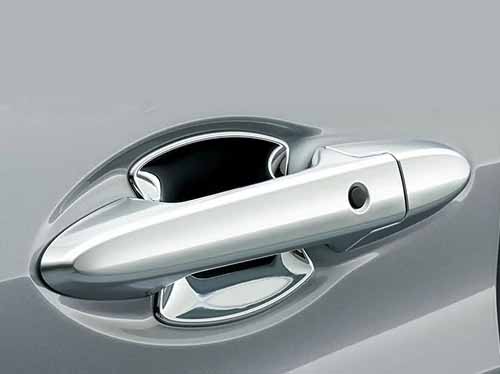
| Automotive Components | Wheels, Engine components, car chassis, highlight housings and car body | security system parts,door handles and lock core and spark switch, various transmission housings, and fuel way fittings. |
| Furniture And Construction | Decorative curtain, window, door frame | Hardware handles, lock tool and decorative trims |
| Power Tool Components | The main motor housing or outer shell. | Internal gears, triggers, and small, complex structural components. |
| Communication components | camera housing, heat sink and fittings | antennas and receiver, signal tower and infastructure components |
| Aerospace | plane wings, engine enclsure and housing | safe belt buckle, centrol console interior components |
| Industrial Components | industrial pipeline fittings and electrical control components | Valves, |
Choose The Right Die Casting Manufacturer
Whenever aluminum die casting process or zinc die casting process, die casting design and production should be high effective, keep a low defective rate and high volume at mass production. The distinction from aluminum die casting vs zinc die casting, engineering design principle is changed accordingly.
Comprehensive Design Capability
Concept development and feasibility analysis
Our skilled engineering team provides various developing custom die casting solutions, has end-to-end design support, including:
Tooling design and optimization
Prototype production and testing and a small volume specific products.
This collaborative approach ensures that the final product aligns perfectly with the client’s demand and functional requirements.
Advanced Prooduction Facilities And Technique
With State-of-the-art technology. From hot chamber die casting machines to automated finishing systems, we enable offering the production of complex structural components with unparalleled accuracy and efficiency. Adopting real-time monitoring systems further ensure specific requirements precision and quality control of custom die castings.
Material Composition of Die Casting And Sustainable Strategy
We select the right material for custom die casting projects, and offer a range of options, such as zinc, aluminum, and magnesium alloys. Each suited to specific applications, for example, zinc is ideal for components requiring high precision and strength, while aluminum offers lightweight and corrosion-resistant properties. TangSheng Hardware Technology Co.ltd, the Reputable die casting manufacturers incorporate eco-friendly practices, such as recycling scrap material, reducing energy consumption, and using non-toxic coatings, to minimize environmental impact. These blongs to sustainability initiatives.
Shorter Time to Market
TangSheng Hardware Technology streamlines the production process using advanced technologies like rapid prototyping and automated casting systems. In accordance with client’s requirements, The manufacturer will make custom die casting components to deliver directly to client, without any sale strategy to promote them. This helps businesses bring their products to market faster.
Quality Control
We have a strict quality control measures in die casting manufacturing process, adhere to international standards, such as ISO 9001 and IATF 16949, to guarantee product reliability and performance. Quality assurance processes include dimensional inspections, material testing, and defect analysis.
Value-Added Services
Ts die casting Technology provides value-added services such as surface finishing, assembly, and packaging to deliver turnkey solutions. These finishing options include powder coating, anodizing, and electroplating, which enhance aesthetics and functionality.
Conclusion
In Summary, Aluminum Die Casting vs Zinc Die Casting from Material, Process to Applications. Process different alloy material with different process method, exprience different energy consumption, and cause different production cost respectively. In application aspect, Aluminum cast part is far more lighter than zinc cast one, and thermal conductivity is priorer than zinc one. So its applications involves of automotive, aerospace and communication industries, but zinc cast part can be used for cost-saving and EMI shielding applications(as zinc unique property).