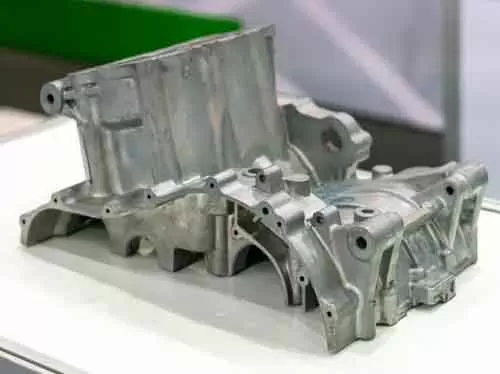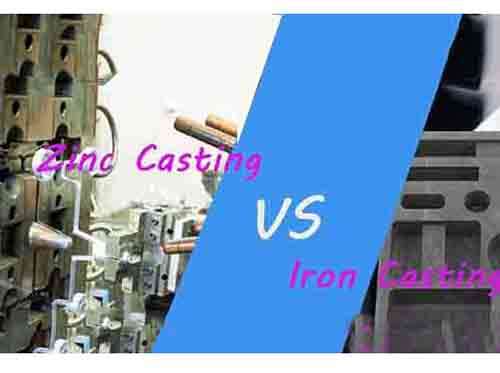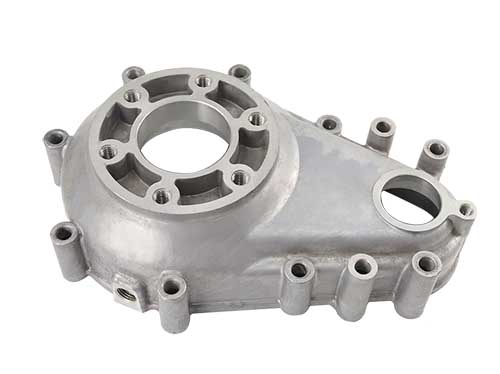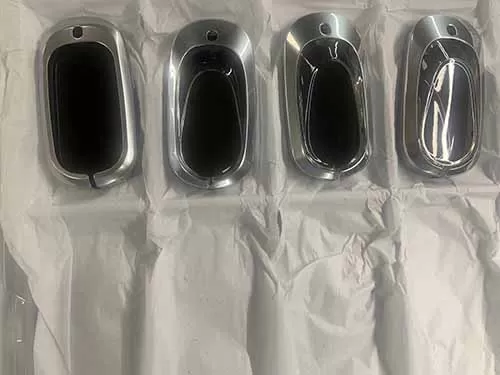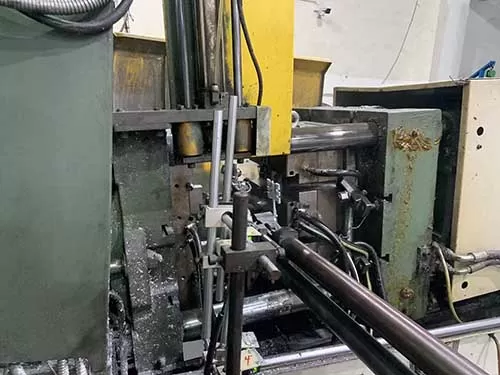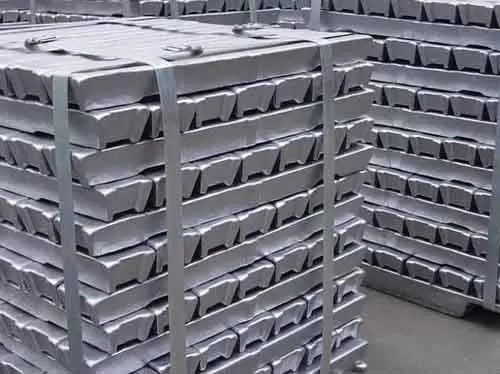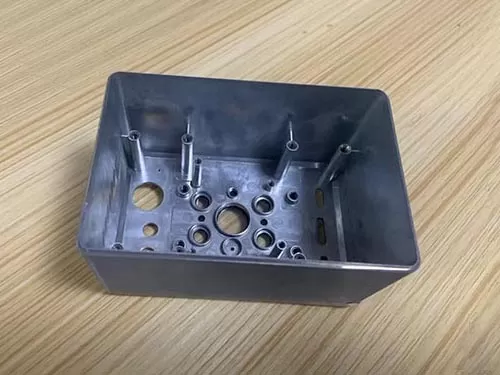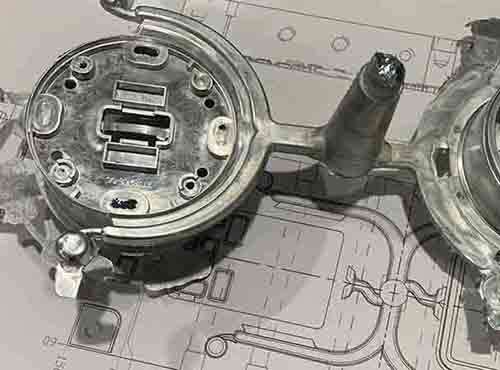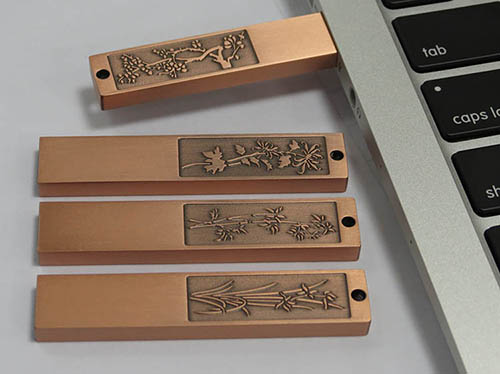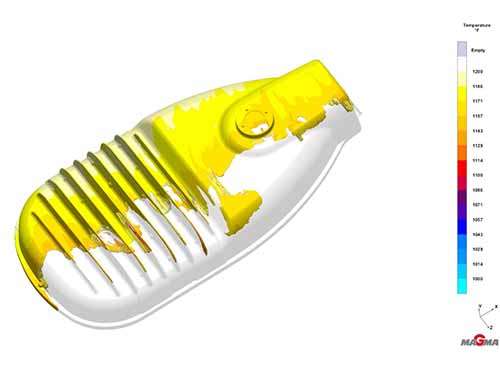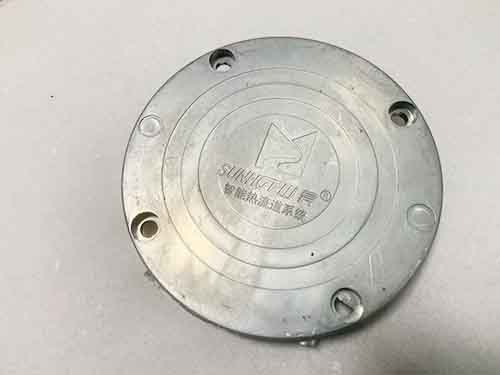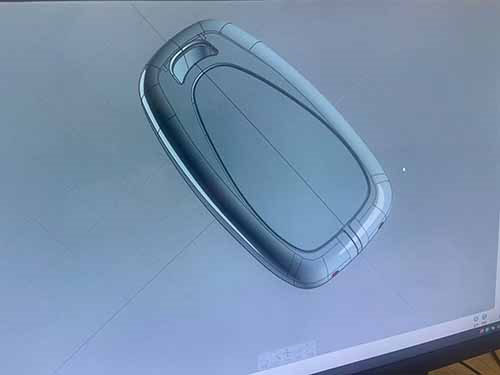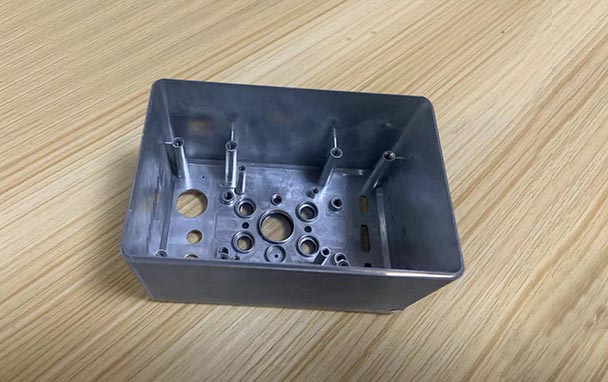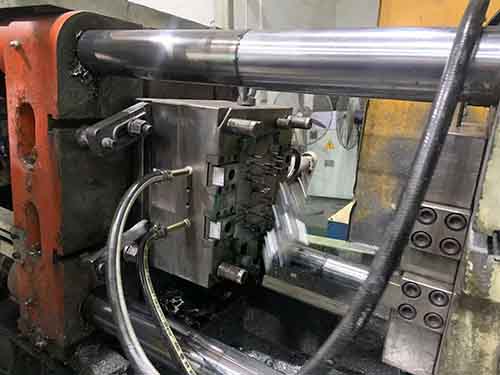
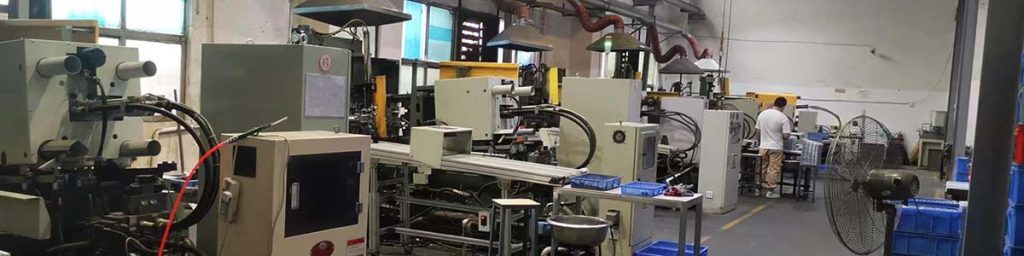
When engineers compare customized zinc die casting with aluminum casting, from total cost, zinc die casting overs aluminum casting. Especially zinc die casting is ideal for medium or small sized precision cast parts, so zinc die casting demands tight tolerance dimension, superior finish surface and some flexible geometries and long tooling life. But aluminum die casting is suitable for lightweight large size cast parts, which have good integrated instructure and high corrosion resistance.
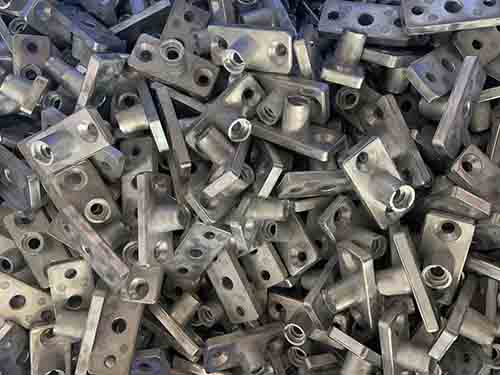
Zinc Die Casting Pros And Cons
Zinc Die Casting is one of the most widely used manufacturing methods for producing precise, durable, and cost-effective metal components. It is especially popular in automotive, electronics, hardware, lighting, telecommunications, and consumer product industries. As a professional die casting, Ts die casting technology wants to provide high quality zinc die casting components for some custom projects, engineers are similar with zinc die casting pros and cons, have a reasonable cost target so that create maximum profit margin for enterprise.
Pros of Zinc Die Casting
Advantages for zinc die casting is outstanding, The low temperature die casting process can create high precision cast part at high efficiency at fast cycle time, with its longer life tooling to produce more high quality cast parts.
- Excellent Dimensional Accuracy: Zinc die casting can produce parts with tight tolerances and repeatable precision. This is valuable for components that require accurate fitting, threading, or assembly.
- Outstanding Surface Finish: Zinc cast parts typically have smoother surfaces than many other cast metals.
- Thin Wall Capability: Because molten zinc has excellent fluidity, it fills detailed mold cavities quickly. Manufacturers can create thin-wall designs while maintaining strength.
- High Production Efficiency: Zinc is commonly processed in hot-chamber die casting machines, which offer rapid cycle times. This makes it highly efficient for medium to high-volume production.
- Strong Mechanical Properties: suitable for functional parts, not only decorative items.
- Long Tool Life: Compared with aluminum die casting, zinc casting uses lower melting temperatures, which reduces thermal stress on molds. Dies often last significantly longer.
Cons Of Zinc Die Casting
As the most popular industrial manufacturing process, the zinc die casting must have its own lackage in practical applications. Engineers should consider cons of zinc die casting, avoid minimizing some error operations for custom projects. The below information has a clear description.
- Heavier Than Aluminum or Magnesium: Zinc has higher density than Aluminum Alloy or Magnesium Alloy. So zinc is limited for some lightweight precision components in automotive and aerospace industries.
- Lower High-Temperature Performance: Zinc die casting belongs to lower temperature manufacturing process, so zinc cast parts are prohibited at higher temperature environment.
- Initial Tooling Cost: Zinc die casting requires high tooling cost to invest, not like cnc machining, which depends on 3d model design, tooling paths and precision cnc machining equipment, the precision part is finished in a few hours and days.
- Size Limitations: Zinc die casting is excellent for small to medium-sized parts, but large castings are less common compared with aluminum sand casting or gravity casting.
- Corrosion Considerations in Harsh Environments: Zinc is lack of high corrosion resistance, compare to aluminum, So zinc cast parts have a limited application range in harsh saltwater or chemical environments.
Why Zinc Die Casting Overs Aluminum Casting
Zinc die casting overs aluminum casting obveriously, Shows the below significant detail information.
| Better Precision and Tight Tolerances
Zinc alloys can be made into better precision and tight tolerance dimensional cast parts due to it is low melting points metal and high precision steel tooling. Our expert suggests that “melting zinc alloys at lower temperature, consumpt less heat, lead to the rapid cooling cycle, A tiny shrinkage almost impacts the dimension and appearance of the zinc cast part. Better precision and tight tolerance is ensued”. While aluminum alloy require higher temperature to melt. enough heat consumption causes the slow cooling cycle, meanwhile some shrinkage result in deformation of the aluminum cast part, impact the dimension of the cast part. For medium and small sized cast parts, zinc die casting overs aluminum casting in precision and tigh tolerances.
| Better Surface Finish
Zinc die cast parts usually come out of the mold with smoother surfaces than aluminum parts because zinc alloys have a good fluidity, especially Zamak 3, Zamak 5 which are common excellent material for zinc die casting. Filling the molten metal into the superior smooth surface finish core of the die. Under high pressure, the surface of the cast part become enough much smooth. zinc die casting overs aluminum casting, zinc die casting creat better surface finish than aluminum casting, on which more porosity generate makes the surface of the cast part so rough.
Because surface quality is naturally high, finishing costs can be lower.
| Longer Tool Life
One major advantage of zinc is its lower melting temperature (around 380–420°C) versus aluminum (~660°C). Lower heat places less thermal stress on tooling. When zinc die casing generally works at low temperature, the zinc cast die experiences repetitive wears and impacts at lower temperature, makes the die more stronger fatigue-resistance and extends the die life time. Compare to aluminum die casting, where the cast die allows working at higher temperature, and reduces the fatigue-resistance of the cast die.
This is excellent for long production runs.
| Faster Cycle Times
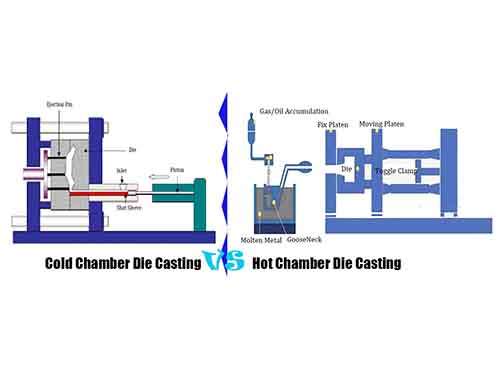
Zinc is commonly processed using hot chamber die casting, which is faster than the cold chamber die casting process commonly used for aluminum. So zinc die casting has a fast cycle time. Our common zinc alloy material, like Zamak 3 and Zamak 5, which molten substance fills the cast die fully in a few seconds at lower temperature. So its solidifying is so quickly. While aluminum alloy requires high temperature to melt. of course its solidifying become slower cooling.
Better ROI for high-volume manufacturing.
| Stronger for Small Precision Components
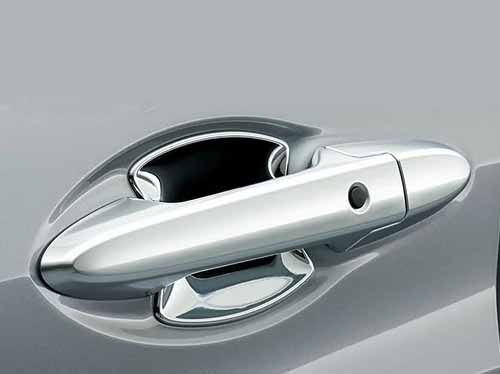
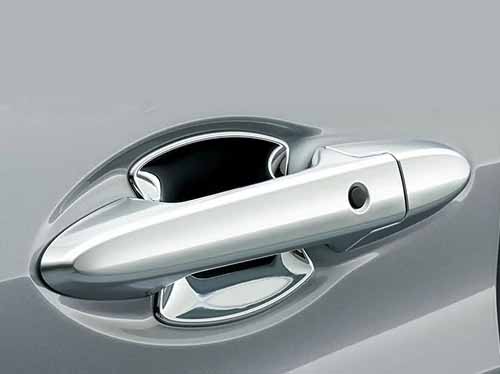
Zinc has strong mechanical performance for smaller parts, especially: like this kind of hardwares with impact resistance, wear resistance, ducitility and dimensional stability. They are used widely for lock, hinges, gearing, handles and small sized electric housings. But Aluminum casting is focus on large sized cast parts, which feature is high corrosion resistance and good integrated structure.
When you require plenty of precision small precision components for your project, zinc die casting overs aluminum casting, whenever total value, surface finish, cycle cast time and cast tooling life, zinc die casting is always superior than aluminum casting.

Die Casting Project Quote
Professional OEM die casting factory to finish your project? Please send 3d file to us for quick quotation !
Zinc Die Casting vs Aluminum Casting
zinc die casting overs aluminum casting, the below table is for constract of their features.
| Factor | Zinc | Aluminum |
|---|---|---|
| Precision | Excellent | Good |
| Surface Finish | Excellent | Good |
| Weight | Heavy | Light |
| Strength | Good | Good |
| Tool Life | Long | Moderate |
| Production Speed | Fast | Fast |
How to Choose the Top Casting Supplier for High Quality Zinc Parts
As well-engineered manfuacturer which had been engaging in die casting manufacturing for 15 years, recommand the effective method to everyone to choosing the right supplier matters more than choosing the alloy alone.
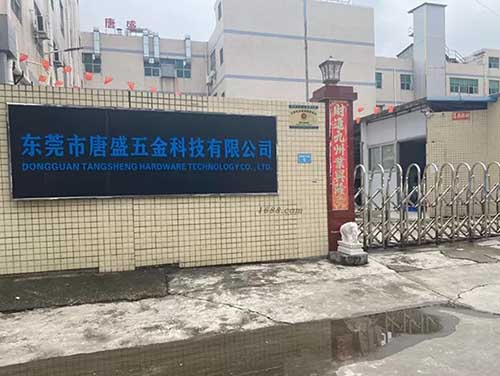
Specialized in Zinc Die Casting
Zinc die casting is hot chamber die casting, the supplier must have abondant zinc die casting manufcturing experience, and ensure the mass production is high effective and maintain consistent high quality precision casting, and have an outstanding cost-efficiency, compare to aluminum casting. Ask for examples of similar projects.
Strong Engineering Team
A top supplier should help optimize some detail design, draft angles, wall thickness, gate location and some shrinkage control, control cast cycle time and pressure and the core surface finish of the die, ensure supperior surface finish cast parts , mininal post-processing. Good engineering reduces defects before tooling starts.
In-House Tooling Capability
The best factories control mold making internally, modify tools quickly, implement a regular mold maintenance and repair, have a feasible troubleshooting methods once some defective part is found. Like common defects, porosity, wide flash on the cast parts, overtime cast cycle time.
Quality Control System
As professional zinc die casting manufacturer, these high precision inspection instruments are indispensable, ensure as cast part has tight-tolerance dimension and accurate gemotries. Some special cast parts should pass some special testing, X-ray scanner, salt spray testing box and implement international quality management system and special industrial standard.
Secondary Processes Available
A strong supplier should also offer some indispensable post-processing sites, like CNC machining, Polishing, Plating, Powder coating, Laser engraving and assembly. Quality is easier to control, save much labor and time. That reduces outsourcing risk.
Proven Export Experience
Choose suppliers which is authorized by international quality system coperate, from outgoing and process in house, follows the international qualty management system strickly. ensure the shiped parts is conformed with package for exportation, deliver on time and no any obstacle in language.
Conclusion
In summary, zinc die casting overs aluminum casting, because zinc die casting offers one of the best combinations of precision, surface quality, tooling life, and production efficiency in metal manufacturing. While it is heavier than aluminum and less suitable for high-temperature use. Client should choose the right top die casting manufacturer to produce high-quality metal parts at scale.