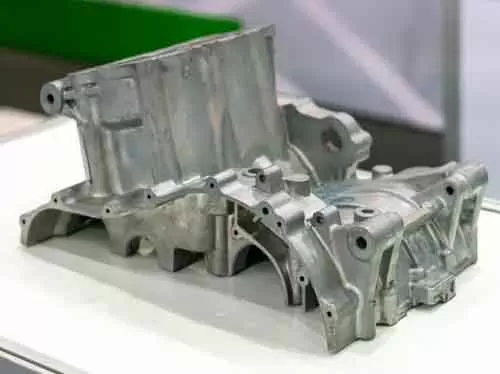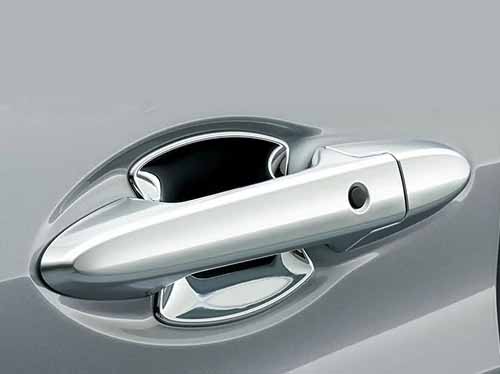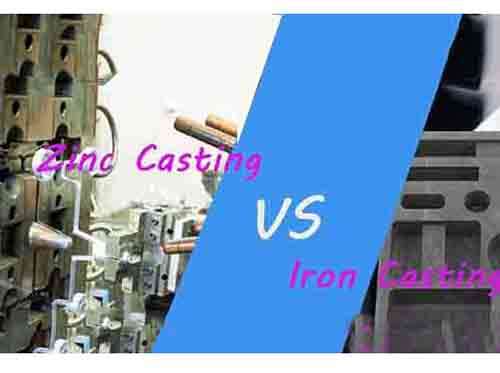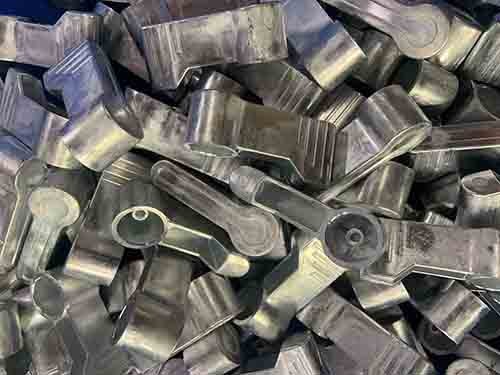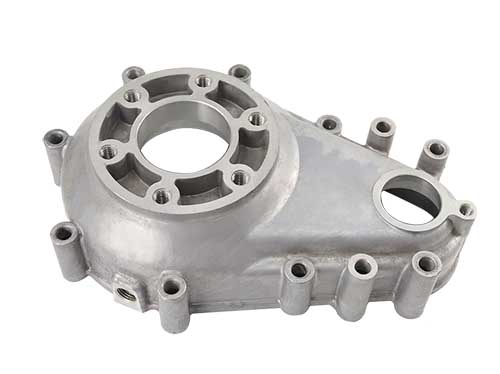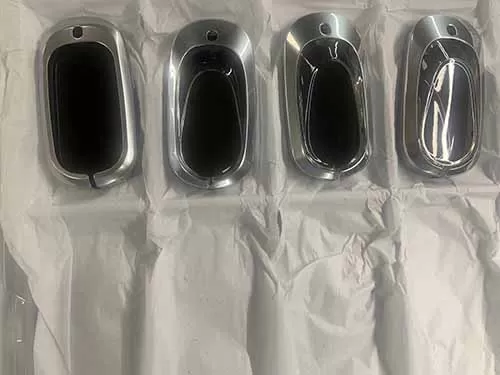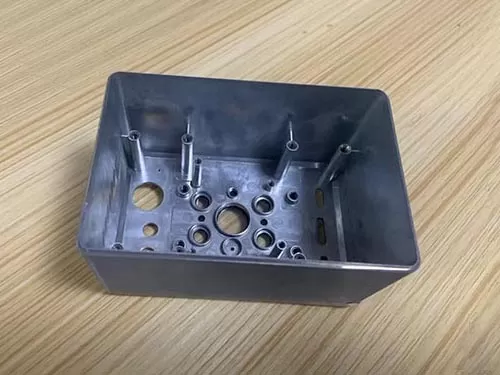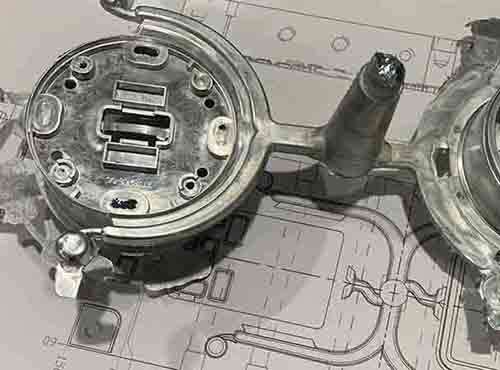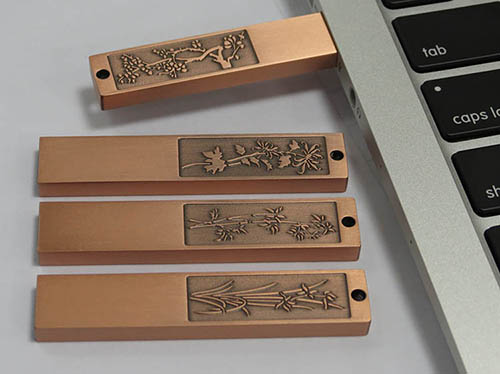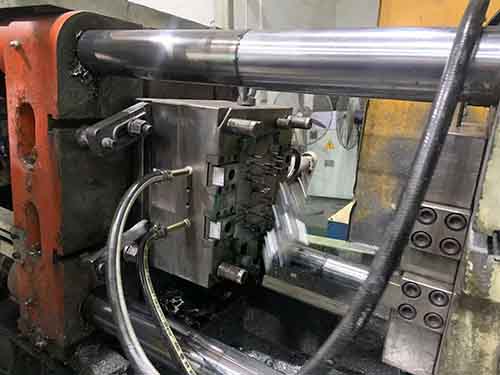
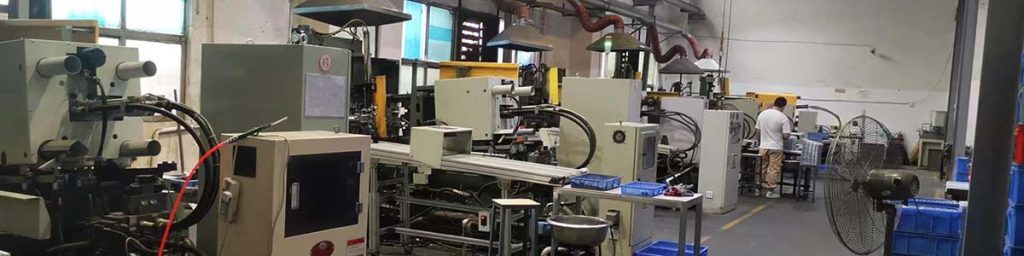
With the leaps of zinc die casting technique, zinc alloy replaces aluminum or steel parts in many industries will become an irreversible trendy. Because zinc alloy has its unique metal property, easy to cast, lower production cost and weight cost performance, compare to other metal, like aluminum or steel. Die casting manufacturer can produce proper zinc die casting part depends on applications and functions of part. From zamak alloy to zinc aluminum alloy, different zinc compostion material will meet different applications and functions of metal part.
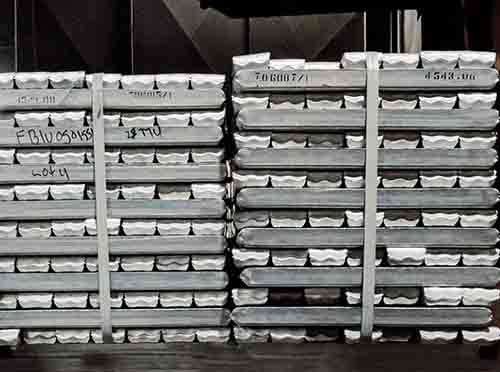
Zinc Alloy Material Overview
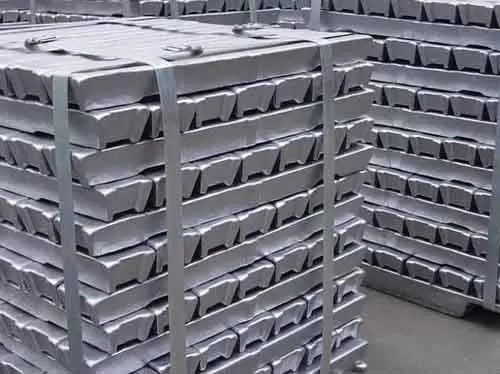
Zinc alloys are metal made primarily from zin, synthesized with other elements like aluminum, copper, and magnesium. These added elements improve these zinc alloy specific properties, such as strength, hardness, corrosion resistance, and castability. These different compostion zinc alloys can be used for casting diversity applications components in many industries. Maybe zinc alloy replaces aluminum or steel parts in the future.
Here’s a breakdown of the common elements in zinc alloys :
Zamak Alloys
Zin element content , is amount for >90% of the alloy within Zamak. with excellent corrosion resistance, castability, and a low melting point (~419.5°C). Main types as the follow.
ZAMAK 7: Zinc (~99.99%), Aluminum (~3.9%), Magnesium (~0.02%), having Improved ductility and impact resistance. Thin-walled components with intricate designs fit it.
ZAMAK 2: Zinc (~96%), Aluminum (~4%), Copper (~3%), Magnesium (~0.05%), Which is highest strength and hardness among ZAMAK alloys.
ZAMAK 3 : Zinc (~96%), Aluminum (~4%), Magnesium (~0.05%), Copper (minimal),with excellent dimensional stability and castability. Most commonly used alloy, used for Consumer goods, automotive components, and electronics.
ZAMAK 5: Zinc (~95.5%), Aluminum (~4%), Copper (~1%), Magnesium (~0.05%). With higher strength and wear resistance than ZAMAK 3. It is suitable for parts with mechanical stress, such as gears and brackets.
In the world of metal casting, zinc alloys offer unique advantages that make them highly desirable for various applications. Their durability, corrosion resistance, and design flexibility is excellent. So they are widely used in industries ranging from automotive and electronics to telecommunications and consumer goods. The type of zinc alloy replaces aluminum or steel parts.
Zinc-Aluminum Alloy
Commonly content ranges from 4% to 27%. Enhances strength and hardness,with corrosion resistance. A good fluidity during casting, allowing for thin-walled and complex shapes. In large extension, some zinc alloy replaces aluminum parts in some specific fields.
| Items | Chracters |
|---|---|
| ZA-8 | Zinc (~91%), Aluminum (~8%), Copper (~1%). Suitable for both hot and cold chamber die casting. Can process thin-walled and precision components. |
| ZA-12 | Zinc (~88%), Aluminum (~12%), Copper (~0.5%). Offers higher strength than ZAMAK alloys. For Bearings, bushings, and heavy-duty industrial parts. |
| ZA-27 | Zinc (~73%), Aluminum (~27%), Copper (~2%). It is highest strength among zinc alloys but limited to gravity casting due to high aluminum content. Structural components, wear-resistant parts use it. |
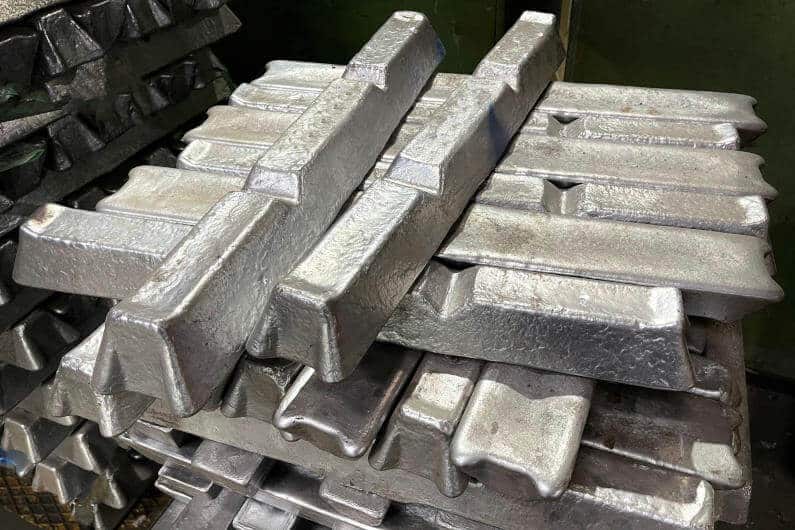
Zinc-Iron Alloy
Iron is account for below 0.02% within zinc-iron alloy. Considered an impurity; excessive iron can cause brittleness and poor corrosion resistance. Controlled to prevent defects during casting. The type of zinc is ideal for replacing some steel parts.
Zinc Alloy Advantages
| Low Cost
Zin alloy is regarded as a type of specific castable metal, which is lower cost than other aluminum alloy. Various types of zinc alloys, which can be cast into diversity cast parts. With high precision steel die, more custom die casting parts can be created easily, but the cost of the mass production for the custom die cast parts is lower, due to it less engergy consumption and fast cyle time. In another one, zinc alloy is 100% recycled, recycle defective zinc die casting parts and zinc scraps. more easier to replace some rust steel cast parts and prolong component’s life.
| Less Energy Consumption
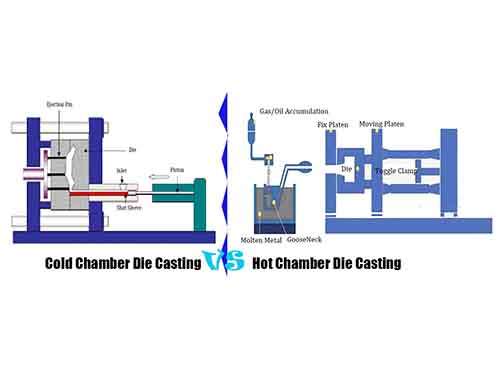
Zinc alloys are lower melting points solid metal, At lower temperature about arange from 380-420℃, the metal becomes molten metal, and has an excellent fluidity, and fill the precise steel die fully, and cast high performance cast part. During the zinc die casting process, with less heat energy consumption, have a fast cycle time. The hot chamber die casting creates consistent high quality cast parts, and more siutable for precision miniature parts.
Excellent Fluidity
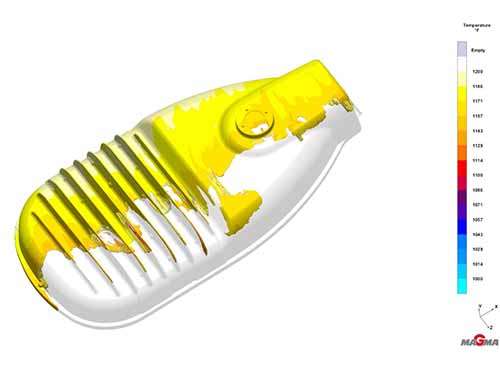
The molten zinc has an excellent fluidity, and can fill the cast die fully in a few seconds, accepts thin-walled and intricate structural cast parts. The zinc belongs to less porosity metal, and finishes superious surface finishing, makes minimizing post-process operations. So molten zinc excellent fluidity ensures high performance of thin-walled cast parts and complex structural cast parts.
| Corossion Resistance
Zinc alloy has good corrosion resistance, and endure corossion in atmosphere due to the metal can generate an oxidation layer on the surface of it and protect it’s metal is continuously touched of corrossion substrict or oxygen gas in the air and damage its metal properties.
| Strong Strength To Weight
Zinc alloy density is from 5.0~6.7 g/cm³,and comparable heavier, almost equal to 2.5 times aluminum density, which is 2.7 g/cm³. But it has strong strength to weight, accepts high volume zinc die casting parts. Although the zinc part is heavier than aluminum die cast part, zinc has strong tensile at normal temperature, and more suitable for automotive parts and communication electric components. In another one, zinc alloy is close to the density of the steel, which is 7.8g/cm³, maybe replace some steel part, and minimizing rust and maintain clear appearance.
| Hot Chamber Die Casting Technology
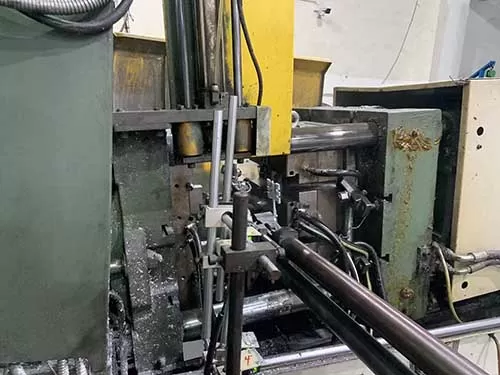
Hot chambe die casting belongs to fast forming technology, is suitable for precision medium and small sized cast parts. The process ensure consistent high quality cast parts mass production at high volume. zinc alloy is best for hot chamber die casting. At lower temperature about the range from 380-420℃, the metal cast process is finished.
Conclusion
In Summary, Zinc Alloy Replaces Aluminum Or Steel Parts in the future due to zinc die casting component advantages. From its low cost, easy to cast, good conducitity, high weight cost performance and superior surface finish, These specific features can create high performance metal parts in mass production in high efficiency. it is priorer in overall cost than aluminum alloy, and more superior in corrosion resistance than iron cast. So zinc alloy replaces aluminum or steel parts is best choice.
FQA
Why zinc alloy replaces aluminum or steel parts in the future ?
Zinc alloy has its unique metal property, easy to cast, lower production cost and weight cost performance, compare to other metal, like aluminum or steel. it is priorer in overall cost than aluminum alloy, and more superior in corrosion resistance than iron cast. So zinc alloy replaces aluminum or steel parts is best choice.