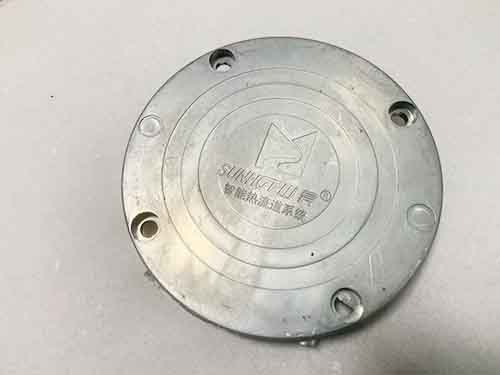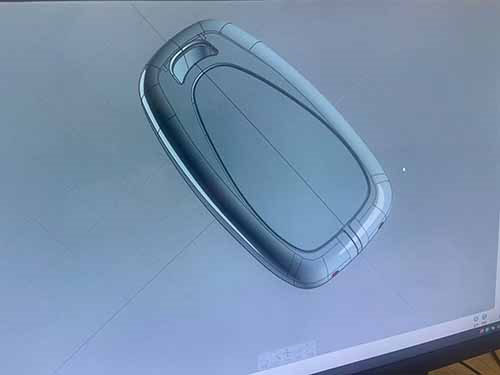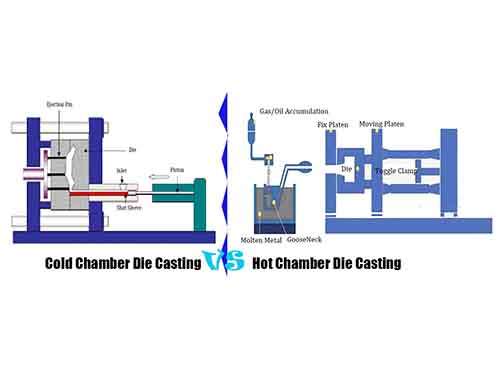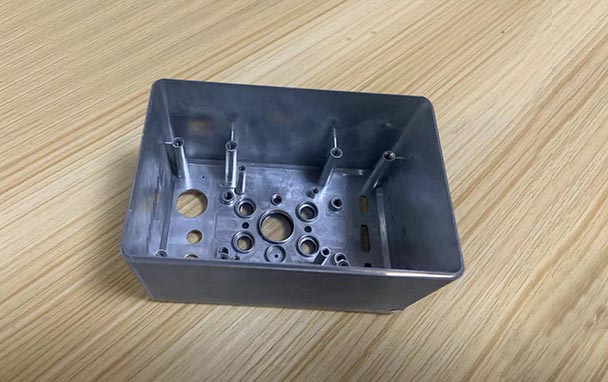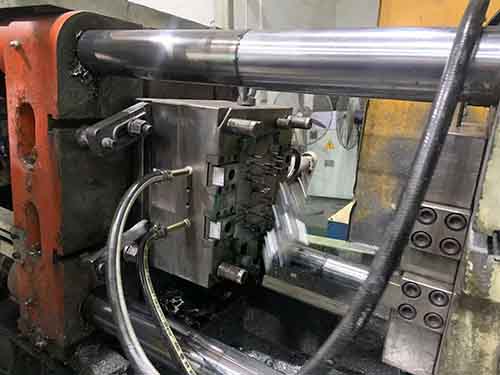
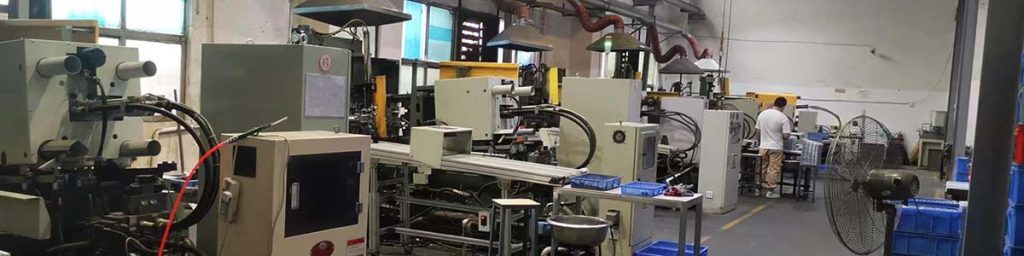
From aluminum die casting vs aluminum extrusion, reader learns about it carefully to help us to handle the aluminum part process and quality control. In fact, we can see two types of common formed aluminum parts, they are cast aluminum and extrusion aluminum parts. Depends on the demand of functions and applications, theses specific aluminum parts are processed through different process approach. Which Manufacturing Process Is Best ? This is mainly decided by the functionalities and process cost of the parts.

Aluminum Die Casting Vs Aluminum Extrusion: Features
From the below several aspects, we are known that these two types of aluminum alloy material are significant differences in manufacturing process methods. In feature aluminum die casting vs aluminum extrusion.
| Aspects | Die Cast Aluminum | Extruded Aluminum |
|---|---|---|
| Manufacturing Process | molten aluminum injected into a mold under high pressure. Suitable for high-volume production, and small-to-medium parts | heated solid aluminum extended through a die to form long shapes. Ideal for linear profiles, such as rods, tubes, channels. |
| Strength & Durability | Micro-porosity, reduces strength. Often heat-treated for better properties. | Stronger due to work hardening during extrusion. Better structural integrity. |
| Cost & Production Efficiency | High initial tooling cost, Economic for mass production. | Lower die costs, but post-processing adds expense. More cost-effective for long, uniform shapes. |
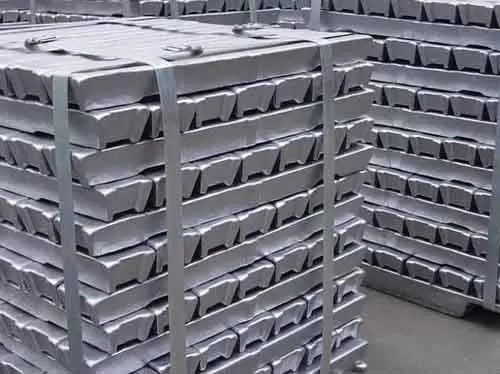
| Selection of Aluminum | ADC12, A380, A356 | 6061, 6063, 7075 |
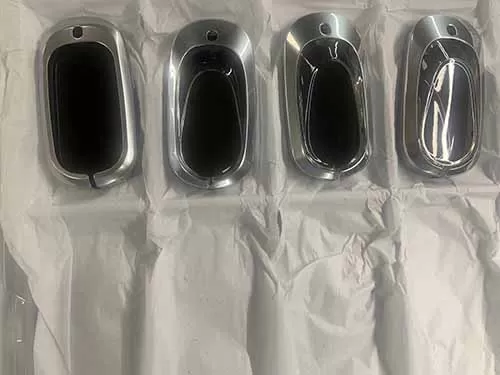
| Surface Finish Options | As-cast, anodized and painting in common condition | Process, anodized and painting. |
| Precision Tolerancy | High Precision Process, Thin wall is acceptable. | Low tolerancy process, thick wall process. |
| Common Applications | Engine blocks,Electronic housings (laptops, phones),Automotive transmission cases,Power tool bodies,Household appliances | Aluminum frames (windows, doors),Heat sinks,Structural beams ,Pipes & tubing,Automotive rails. |
Aluminum Die Casting Vs Aluminum Extrusion: Raw Material
Aluminum Die Casting Parameter
| Aluminum Alloys | Composition | Tensile Strength | Yield Strength | Elongation (%) | Hardness (Brinell HB) |
|---|---|---|---|---|---|
| A380 | Al-8.5%Si-3.5%Cu-0.5%Fe | 315–330 | 160–170 | 2–4 | 80–85 |
| ADC12 | Al-10-12%Si-2.5-3.5%Cu | 300-320 | 150-165 | 1-3 | 75-80 |
| A383 | Al-9.5-11.5%Si-2-3%Cu | 310-325 | 155-170 | 2-4 | 80-85 |
| A360 | Al-9-10%Si-0.4-0.6%Mg | 290-310 | 140-155 | 3-6 | 75-80 |
| A413 | Al-11-13%Si | 280-300 | 130-145 | 2-5 | 70-75 |
Aluminum Extrusion Parameter
| Aluminum Alloys | Composition | Tensile Strength | Yield Strength | Elongation (%) | Hardness (Brinell HB) |
|---|---|---|---|---|---|
| 6061-T6 | Al-1.0%Mg-0.6%Si-0.28%Cu | 310 | 275 | 12 | 95 |
| 6063-T6 | Al-0.7%Mg-0.4%Si | 240 | 215 | 12 | 73 |
| 6005A-T6 | Al-0.5%Mg-0.6%Si | 270 | 240 | 10 | 80 |
| 6082-T6 | Al-1.0%Mg-0.9%Si-0.7%Mn | 310 | 260 | 10 | 95 |
| 7075-T6 | Al-5.6%Zn-2.5%Mg-1.6%Cu | 570 | 505 | 11 | 150 |
Aluminum Die Casting Vs Aluminum Extrusion: Process
Aluminum die casting requires to melt aluminum alloy with more heat energy consumption, and through precision steel die, create some intricate design appearance and structural components. While aluminum extrusion allows stamping and ducting the solid aluminum billets into longer dimension and large size simple rails, trims and frames. This is two types significant different processing technics, involve of selection of material, tooling cost, dimensional accuracy, the complexity of parts and part sizes.
| Factor | Aluminum Die Casting | Aluminum Extrusion |
|---|---|---|
| Shape Complexity | Excellent | Limited |
| Thin Wall Capability | Excellent | Poor |
| Long Parts | Limited | Excellent |
| Tooling Cost | High | Low |
| Unit Cost at High Volume | Low | Medium |
| Surface Finish | Excellent | Good |
| Precision | High | Medium |
| Production Speed | Very High | High |
| Design Freedom | Excellent | Limited |
| Best For | Complex Parts | Structural Profiles |
Aluminum Die Cast Process
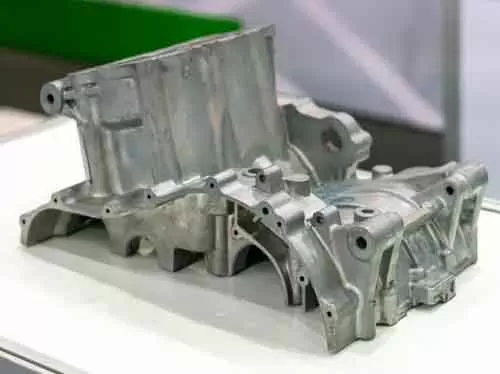
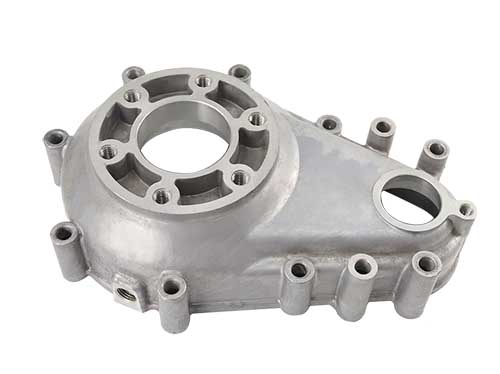
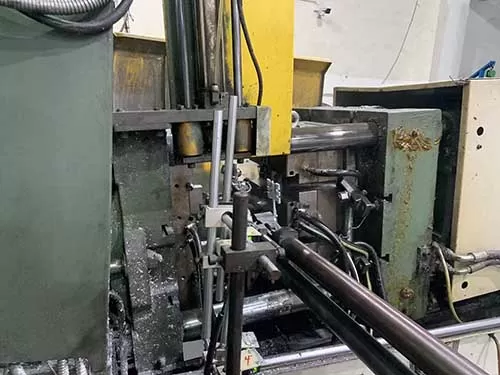
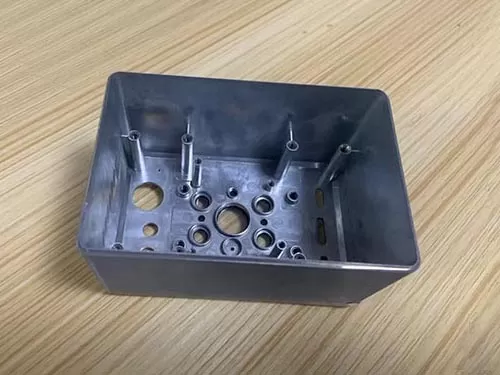
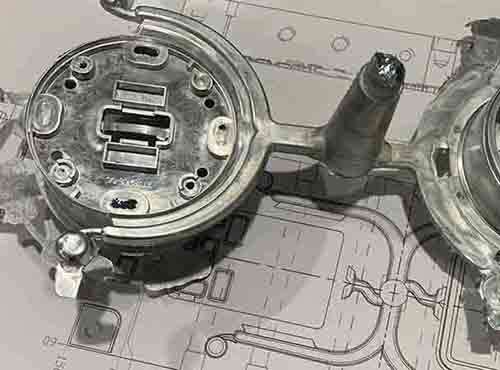
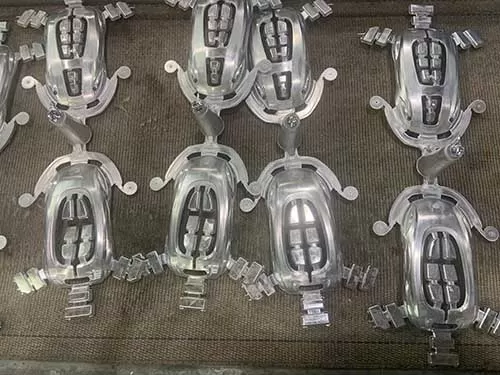
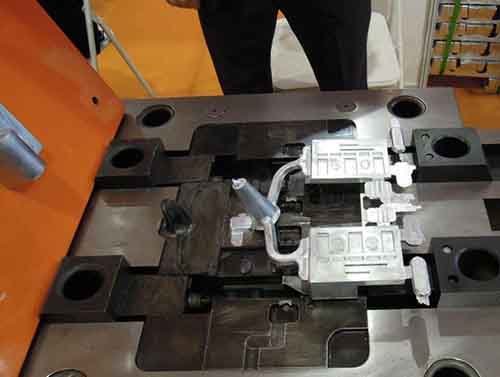
- Process Character: Molten aluminum injected into a steel mold under high pressure. Form Complex 3D shapes, thin walls, fine details. remain high precision small and medium sizes casting parts. Especially custom aluminum die casting project, which require higher production cost than zinc die casting process.
- Material Properties: Good corrosion resistance, superior heat dissipation, common alloy aluminum, A380, ADC12, A413.
- Cost & Tooling : Intial High tooling cost, economical for high volume production.
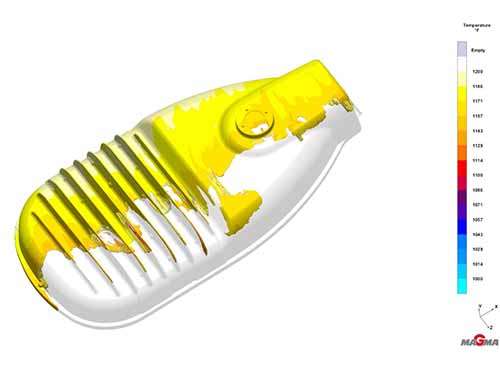
- Flexiable Design And High Precision Dimension: The steel die is designed by numberical computer design soft, which design the casting die for cast more intrcate structural parts with tight tolerance dimensions.
- Complex Appearance Design: The precise steel die is micro-processed, especially the cavity of the die, which is engraved, turned, processed by EMD. With the precise die can cast more intricate appearance parts.
Aluminum Extrusion Process
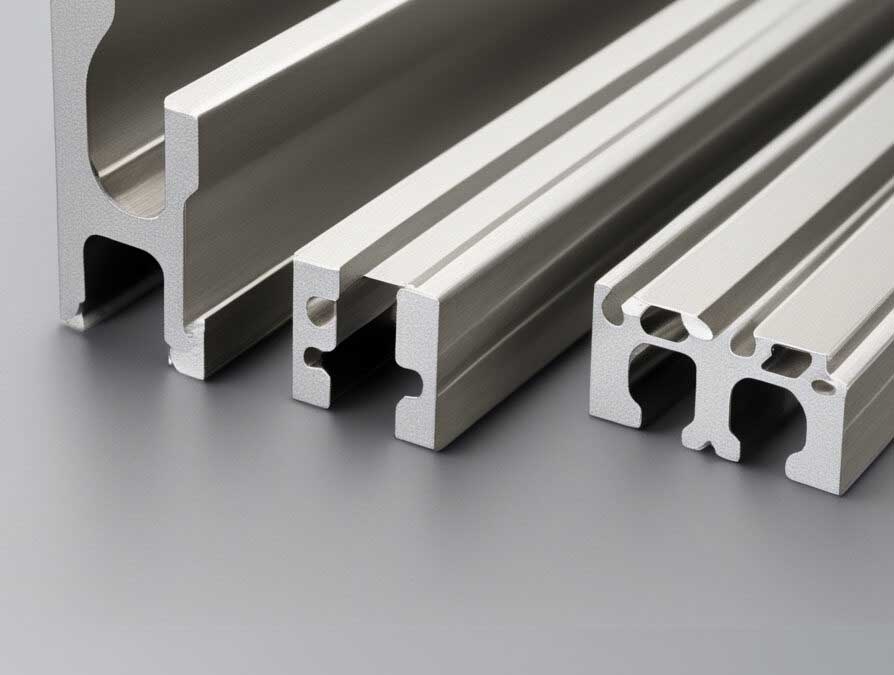
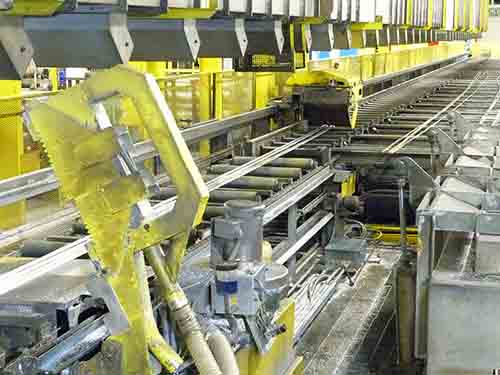
- Process Character: Solid aluminum billet heated and forced through a die. Form intended aluminum parts. Without more heat energy consumption for melting aluminum alloys. extrude some regular rails, frames and simple bodies
- Material Properties: High ductility, strong corrosion resistance and best thermal conductivity. Common aluminum, 6061, 6063, 7075.
- Cost & Tooling: Low die cost, but more post-process is neccessary. Post-process cost is higher.
- Longer production lines: These regular rails are stamped and ducted by heavy industrial equipment, and form some long-dimension large size parts. So longer production lines are needed.
- Applications for Industries: Automotive, Decorative panel and trimming, Window and door frame.
Aluminum Die Casting Vs Aluminum Extrusion : Cost Comparison
Tooling Cost
- Die Casting Mold: $500–$5,000
- Extrusion Die: $5,000–$50,000+
Production Cost
- Low volume → extrusion often cheaper
- High volume → die casting often cheaper
Process Tolerance
| Feature | Die Casting | Extrusion |
|---|---|---|
| General Tolerance | ±0.05–0.20 mm | ±0.10–0.50 mm |
| Hole Accuracy | High | Secondary machining required |
| Flatness | Excellent | Moderate |
| Geometric Complexity | Excellent | Limited |
Aluminum Die Casting Vs Aluminum Extrusion: Applications
Applications For Aluminum Die Casting
- Automotive Industry: Engine Components(piston, cylinder head), transmission housing, fuel tube fittings, sensor shieding and security sytem buckles.
- Aerospace and defense: Lightweight structrual components, engine housing and blades and gearbox and cylinder heads.
- Consumer Electronics: Smart phone protective cover, toplap frame, earphone enclosures and connector and shielding components.
- Communication Industry: Connectors, Electrical module bases, thermal-conduct panel and some housings and enclosures for monitoring cameras.
- Industrial And Machinery: These integrated structural die casting components are excellent wear resistance and corrosion resistance.
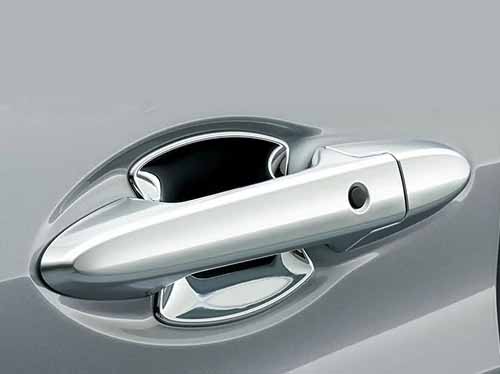
- Appliance And Homehold Goods: Appliance components, such as main frames, knobs and handles.
Applications For Aluminum Extrusion
- Construction & Architecture: Window and door frames, Curtain walls and structural beams and roofing system.
- Automotive and Transportation: Chassis and frame rail, Radiator supports, Bumper beams and crash structures.
- Heat Sink and Cooling System: Heat sink for electronic and LED lighting, HVAC ducting & heat exchangers.
- Industrial & Machinery: Conveyor system frame, robotic arms and support disks and supporting frames.
- Consumer Furniture: Portable furniture frames and rails, ladder and scaffload, sport goods (bike frame,golf stick).
Between Aluminum Die Casting And Aluminum Extrusion, Which Is Best ?
Which manufacturing process you need is decided by your specific requirements directly. Die casting manufacturer can choose the right process approach to prorduce the part at cost-efficiency and high performance part.
When To Choose Aluminum Die Casting
The manufacturing process is excel at complex structual and geometries , thin-walled aluminum parts, with precision tooling steel die. It can ensure whenever miniature or medium and large sized parts integrated structure, high-volume production and tight-tolerance dimensions. If you want to make high precision, flexible geometries and premium stable integrated structural aluminum parts, Aluminum die casting is the best option.
When To Choose Aluminum Extrusion
As a manufacturing engineer, I typically recommend aluminum extrusion when a part has a constant cross-sectional shape along its entire length and does not require the complex three-dimensional features that aluminum die casting can produce.
Aluminum extrusion is often the most economical and efficient solution for structural, linear, and lightweight components.Some simple Choose extrusion when:
- Long profiles
- Structural applications
- Lower tooling investment
- Simple cross-sections
Conclusion
In summary, aluminum die casting and aluminum extrusion are two main types of of production processes for aluminum components. Different application of aluminum component is decided by aluminum production apporache. We also found that large size aluminum parts can be formed by aluminum extrusion, these parts requires loose dimension tolerance. While the medium and small size parts need tight tolerance for their dimension, they should be cast by precise steel die, belong to aluminum die casting process. Expert suggest that aluminum parts manufacturers should adopt the right process apporache to produce high quality aluminum components.
Common FAQ Presentation
Can extruded aluminum achieve the same tolerance as die casting?
Generally, no. Standard aluminum extrusion typically cannot achieve the same dimensional accuracy as high-quality aluminum die casting, especially for complex features, holes, bosses, and intricate geometries.
However, extruded aluminum combined with CNC machining can often achieve equal or even tighter tolerances than die casting on critical dimensions.
Which aluminum alloys are used in die casting?
In aluminum die casting, not all aluminum alloys are suitable for the process. Die casting alloys are specifically formulated to provide:
- Excellent fluidity
- Good mold filling ability
- Low shrinkage
- High production efficiency
- Good mechanical properties
- Excellent surface finish
The most commonly used aluminum die casting alloys are A380, ADC12, A383, A360, and A413.
Which process is best for automotive components?
There is no single answer because the best process depends on the component’s function, geometry, strength requirements, production volume, and cost targets.
However, for most complex automotive components, aluminum die casting is usually the preferred manufacturing process, while aluminum extrusion is preferred for structural and long-profile components.