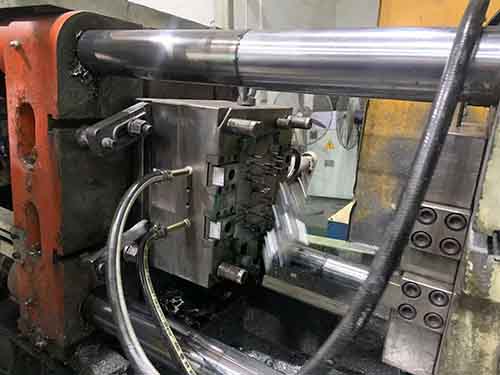
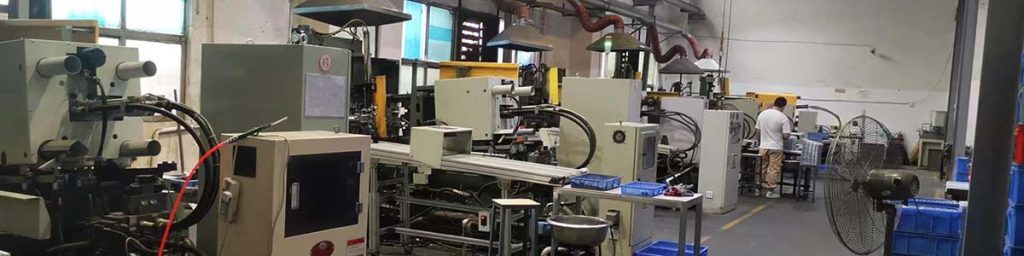
Common Zinc alloys have become increasingly popular in industrial manufacturing because they offer excellent fluidity, dimensional stability, and surface quality. Zinc die casting allows manufacturers to produce precision components with tight tolerances and minimal secondary machining, resulting in lower overall production costs and higher manufacturing efficiency. The process has a fast cycle time, lower heat energy consumption and precision dimension stability. Today, we will explore how zinc alloys for precision die casting are used rightly in modern industrial manufacturing.
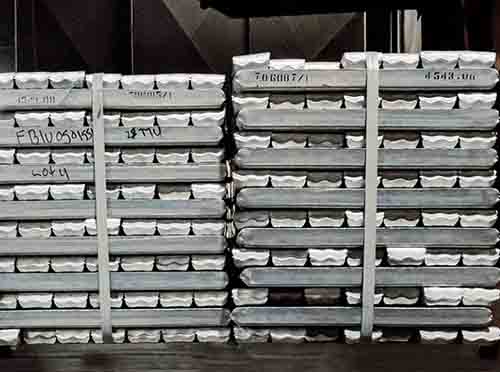
Types For Zinc Alloys For Precision Die Casting
Zinc alloys are versatility types of zinc alloy are basic of zin family, add other metal elements inside and create diversity zinc alloys. They include Zamak series, ZA series and Some special Zinc alloys.
Zamak Alloys
This kind of zinc alloys is Zn element is high content, up to 95% and other metal elements. They are medium weight and good mechanical properties. ensure the cast part dimensional stability. Less defective parts. lower metling points metal, can be finish vaccum die casting very easily.
| Alloy | Tensile Strength(MPa) | Density(g/cm³) | Melt Points(°C) | Hardness | Ductility | Typical Applications |
|---|---|---|---|---|---|---|
| Zamak 2 | 359 | 6.8 | 390 | High | Low | Gears, Bushings |
| Zamak 3 | 280 | 6.6 | 381 | Medium | Excellent | Electronics, Consumer Products |
| Zamak 5 | 330 | 6.6 | 380 | High | Good | Automotive Components |
| Zamak 7 | 310 | 6.6 | 381 | Medium | Excellent | Thin-Wall Components |
ZA Alloys
This type of metal alloys is lower zin content of the range from 80-90% within ZA alloys, compare to Zamak serial, but more aluminum element content. ZA alloys are Lighter weight than Zamak serials. The cast parts have high strength structure and portability.
| Alloy | Tensile Strength(MPa) | Density(g/cm³) | Melt Points(°C) | Hardness | Ductility | Typical Applications |
|---|---|---|---|---|---|---|
| ZA-8 | 375 | 6.3 | 375 | High | Good | Precision Mechanical Parts |
| ZA-12 | 400 | 6.1 | 440 | Very High | Medium | Bearings, Bushings |
| ZA-27 | 440 | 5.0 | 480 | Highest | Lower | Heavy-Duty Structural Parts |
Special Zinc Alloys
there are several special zinc alloys developed for specific applications requiring higher strength, wear resistance, creep resistance, bearing performance, or gravity casting capability.
| Alloy | Main Advantage | Typical Application |
|---|---|---|
| ACuZinc 5 | Highest wear resistance | Gears, bushings |
| EZAC | High-temperature stability | Automotive components |
| ILZRO 16 | High structural strength | Machinery parts |
| Zinc-Bronze | Bearing performance | Bearings, bushings |
| Zinc-Iron | Hardness and wear resistance | Hardware |
| Zinc-Nickel | Corrosion resistance | Outdoor equipment |
| Zinc-Titanium | Weather resistance | Construction |
| Gravity-Casting Zinc Alloys | Large castings | Industrial machinery |
How To Choose The Right Zinc Alloy For Zinc Cast Parts ?
Zinc die casting provides significant benefits to a wide range of industries due to its cost-effective raw materials, high production efficiency, and suitability for mass manufacturing. The process can produce complex components with excellent dimensional stability, tight tolerances, and consistent quality across large production volumes. The selection of a zinc alloys for precision die casting depends on the specific requirements and intended application of the cast part, including strength, wear resistance, corrosion resistance, surface finish, and dimensional accuracy.
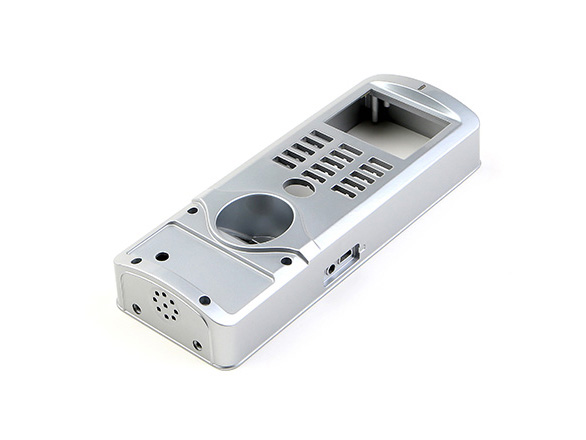
High Wear Resistance And Corrosion Resistance Regardless Of Weight
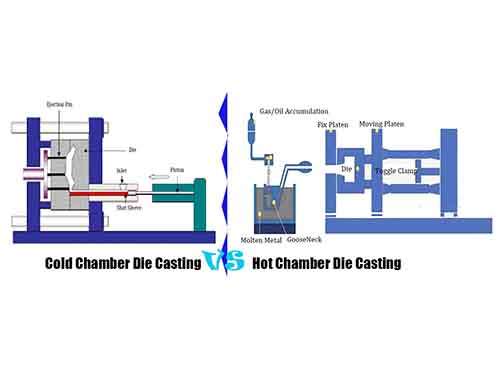
For zinc die cast parts requiring flexible design appearance, precise dimensions, and complex internal structures, while also operating in harsh outdoor environments with high wear and corrosion resistance requirements, Zamak 2 is often an excellent alloy choice. Hot chamber zinc die casting enables the efficient mass production of consistent, high-quality precision cast parts using Zamak 2. This alloy offers the highest hardness among standard Zamak alloys, along with excellent wear resistance, corrosion resistance, and superior creep resistance, making it highly suitable for durable engineering and mechanical applications. However the density of Zamak 2 is highest, if balance between cost and performance , please regardless of weight. Tolerance range is 0.03-0.05mm.
Balance Cost and Performance
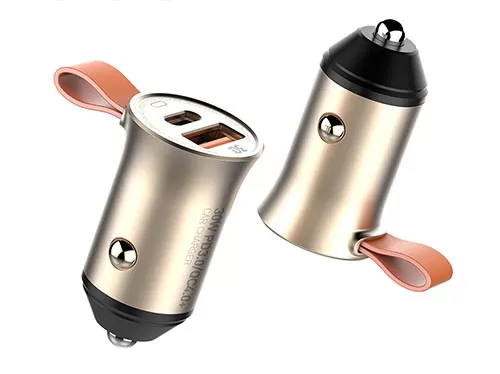
When manufacturing cost-effective zinc die cast components, Zamak alloys are widely recognized as the industry standard. Alloy selection should be based on zinc die casting design gudie, mechanical requirements, and service conditions. For large-scale production, TS Die Casting Technology frequently utilizes Zamak 3 because of its superior castability, excellent dimensional accuracy, and consistent mechanical properties. Its low melting range of approximately 381–387°C allows for faster production cycles, lower energy consumption, extended die life, and reduced overall manufacturing costs, making it one of the most economical zinc alloys for precision die casting.
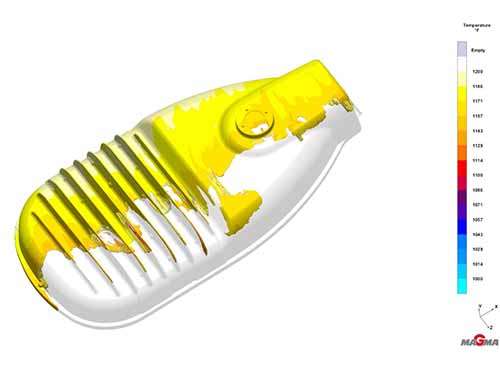
- Initial Tooling Cost: 3D Model design, Mold flow simulation analysis and Design and manufacturing of precision cast die.
- Zamak 3 Advantages: Excellent metal fluidity, best ductility and lower melting points exhauses less heat energy consumption.
- Mass Production At High Efficiency: Manufacturing high performance cast die, and ensure more consistent high quality goods output, minimizing the defective goods.
- Strigently Quallity Control: Implement stringent quality management regulations, ensure and the quality of the lots of goods eligible, reduce the improper shipped goods as soon as possible.
- Zamak sustainable and reusage: zinc is sustainable and recylced, even though the scraps and waste after the process should be remolten and reused. and makes the waste reuage rate is up to 96%.
Automotive Exterior Components
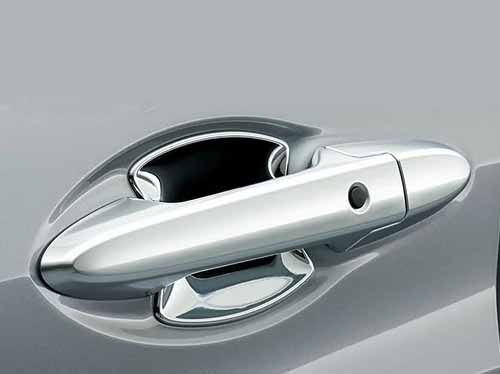
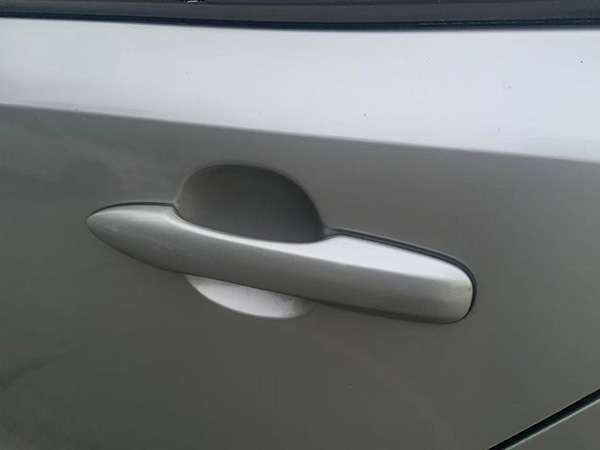
Medium-sized automotive zinc die cast components with complex appearance requirements and precision dimensional tolerances commonly utilize Zamak 5 alloy for high-volume manufacturing. Although these parts may not require ultra-thin wall structures, they often demand improved mechanical performance, wear resistance, and decorative surface quality. Compared with Zamak 3, Zamak 5 offers higher tensile strength, increased hardness, enhanced wear resistance, and excellent plating capability while still maintaining good castability and dimensional stability. As a result, Zamak 5 is widely used for automotive hardware, decorative fittings, mechanical housings, and consumer product components requiring both durability and attractive surface finishing. Process tolerance is 0.1-0.3mm
Thin-Wall Miniature Precision Parts
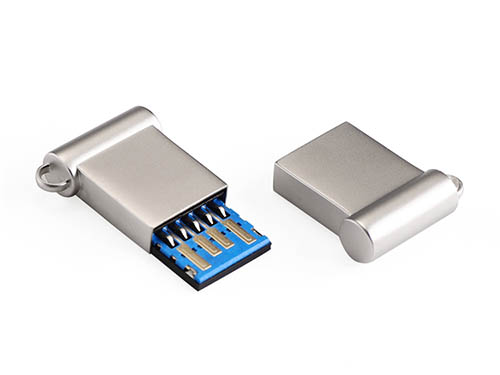
Precision Zinc Die Casting For Consumer Electronics require thin-wall designs, integrated structures, and low-porosity surfaces to support versatile electroplating and decorative surface finishing treatments. For these precision miniature components, engineers commonly recommend Zamak 7 as the optimal zinc alloy choice. Zamak 7 offers superior fluidity, excellent thin-wall filling capability, reduced porosity, and outstanding surface quality, making it highly suitable for manufacturing complex and high-precision zinc die cast parts with excellent plating performance. But also with the premium quality Zamak 7, easily achieve consistent stable quality cast parts output at mass production at large volume at lower production cost. High precision tolerance is 0.2-0.3mm in wall thickness.
The Light Weight Cast Parts Is Purpose
These light weight zinc cast parts are often used on aircrafts and planes since the light weight of the cast parts, reduce the overall weight of the transportation tools. With excellent wear resistance and high hardness, ensure passage life safety.
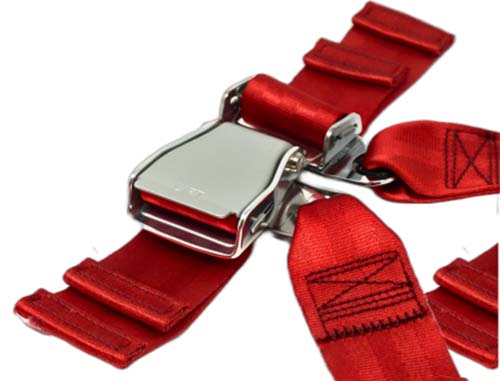
In some specific conditions, these medium and small sized precision light weight metal parts are required, ZA serial material is applied. However the cost of production for ZA material is higher, comparison to Zamak one, the reason is ZA metal require more heat energy to melt, the process cost will become longer time.
Less lower cost ZA-8 is ideal material, with hot chamber die casting technology, they can be used as some assistant components on the planes and aircrafts or high precision and wear resistance automotive parts. Additionally, the post-processing for this type of cast parts become complex and longer time due to ZA belongs to the alloy metal that high aluminum element content, which is higher hardness and wear resistance, comparison to Zamak one. Process tolerance is 0.1-0.3mm
Heavy-Duty Mechanical Parts
When manufacturing heavy-duty mechanical components that require superior structural strength, wear resistance, and load-bearing performance, ZA-27 is often selected as a high-performance zinc alloy solution. Compared with standard Zamak alloys, ZA-27 contains significantly higher aluminum content, allowing it to achieve extremely high tensile strength and enhanced mechanical durability. With Cold chamber die casting, requires higher temperature to make precision cast parts under higher pressure. This alloy is widely used for precision engineering components, industrial gears, bearing housings, and structural machinery parts where high mechanical stress and long-term operational reliability are critical. Despite its higher material cost than conventional Zamak alloys, ZA-27 still provides an economical alternative to certain bronze or aluminum components in heavy-load applications.

Die Casting Project Quote
Professional OEM die casting factory to finish your project? Please send 3d file to us for quick quotation !
Common FQA
What is the most commonly used zinc alloy?
Zamak 3 is the most widely used zinc alloy because it provides excellent castability, dimensional stability, and surface finish.
What is stronger than Zamak 3?
Zamak 5, ZA-8, ZA-12, and ZA-27 offer higher strength than Zamak 3.
What zinc alloy is best for die casting?
Zamak 3 and Zamak 5 are the most common die casting alloys due to their excellent fluidity and production efficiency.
What is the difference between Zamak and ZA alloys?
ZA alloys contain higher aluminum content and provide greater strength, while Zamak alloys offer better castability and dimensional accuracy.