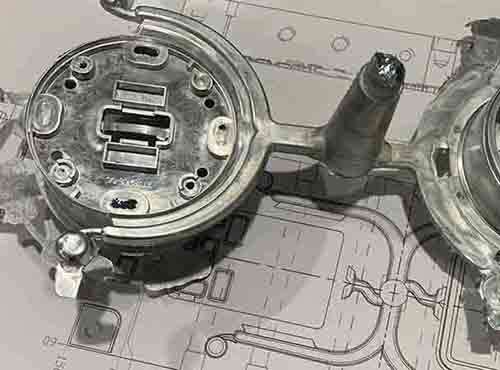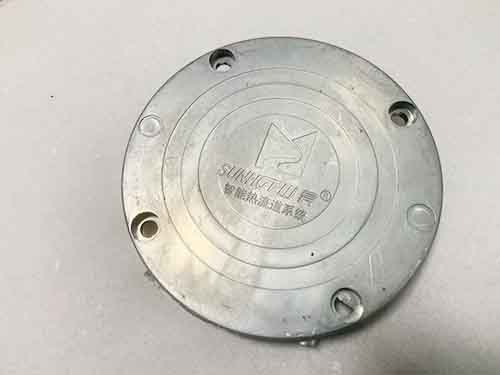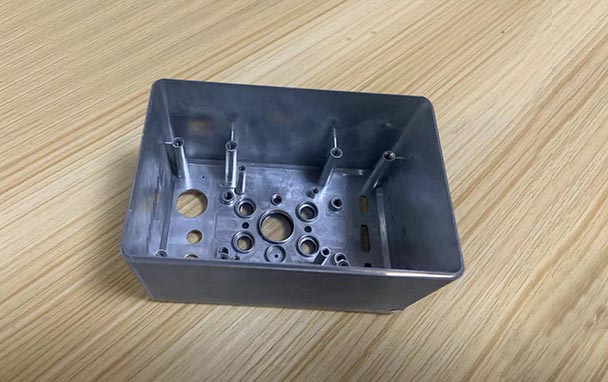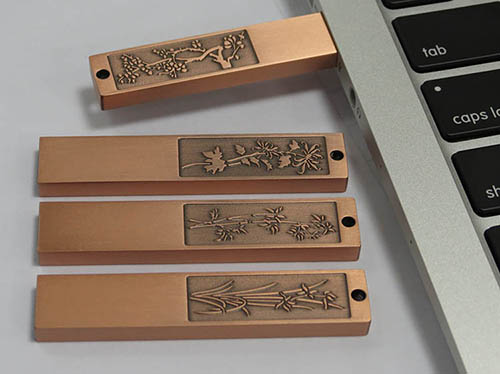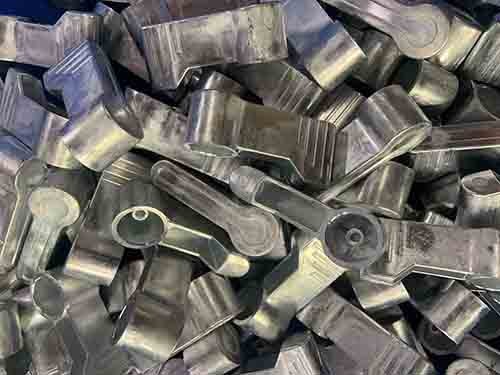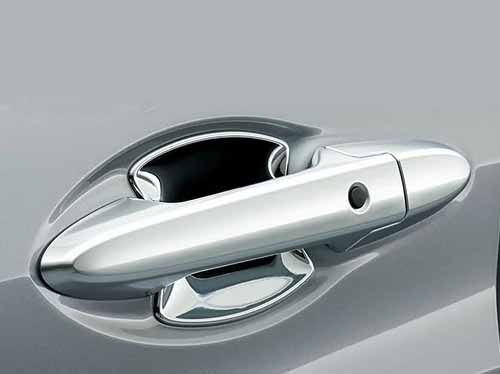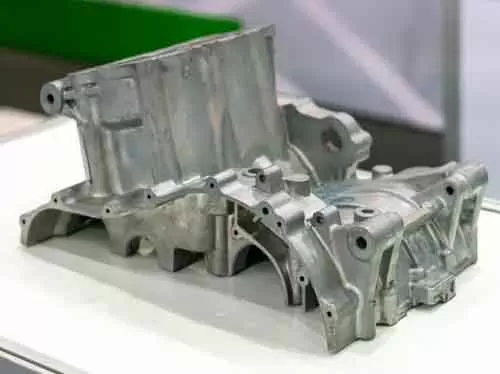
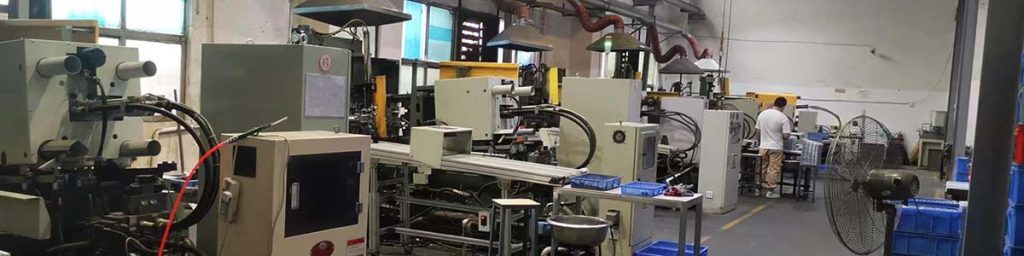
Zamak alloys are more common than ZA alloys in die casting due to Zamak alloy low melting points and cost-efficency mass production at large volume. Zamak alloys enable easier forming and more cost-effective manufacturing through faster production cycles, excellent castability, and lower processing temperatures. They can produce high-precision die cast parts with superior surface finish and dimensional consistency, making them ideal for high-volume production. In contrast, ZA alloys are typically selected for specialized applications that require higher strength, hardness, or wear resistance in demanding industrial environments.
What Are Zinc Alloys-Zamak ?
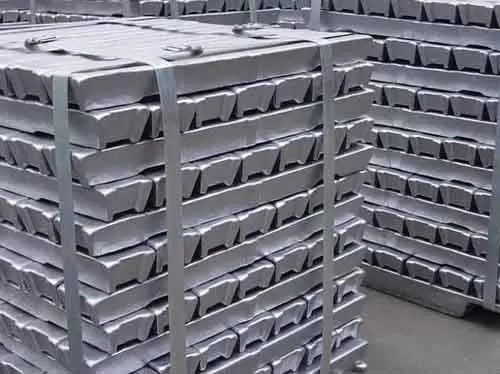
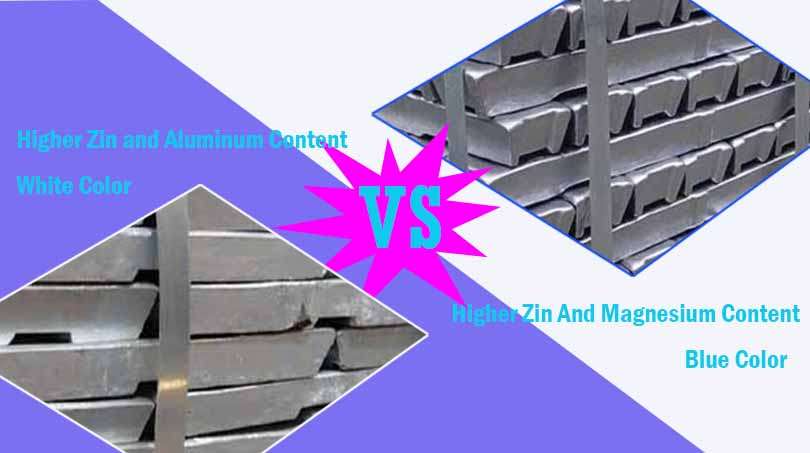
Zamak alloys are a family of serial products on basic of zinc alloys. As common zinc alloys- zamak, are basic of zin element composed with other metals to improve its properties, such as strength, durability, and resistance to corrosion. Certainly they are mixed with zin in zinc alloys include aluminum, copper, magnesium, dIfferent other metal elements cotents, result in differeent alloys properties.
Zinc Die manufacturer select the approporiate zamak alloy to process the die casting components depends on the requirement of functionalities and applications of the cast part. For example, Zamak 3 is suitable for gift and accessaries. Some miniature electric component with thin wall because of zamak 5 has a good ductility and ensure fine thin wall. When need some lightweight die castings, engineer will consider of ZA, but Zamak is used more wider than ZA.
Compositions of Zamak Alloys
| Alloy | Zinc (Zn) | Aluminum (Al) | Magnesium (Mg) | Copper (Cu) | Key Characters |
|---|---|---|---|---|---|
| Zamak 2 | ~95% | 3.8–4.2% | 0.02–0.05% | 2.7–3.3% | High hardness, easy maching and Good toughness |
| Zamak 3 | ~95% | 3.8–4.2% | 0.02–0.05% | <0.10% | Most common, ease castable and good corrosion |
| Zamak 5 | ~95% | 3.8–4.2% | 0.03–0.08% | 0.7–1.1% | Improved strength and corrosion resistance. |
| Zamak 7 | ~95% | 3.8–4.2% | 0.005–0.02% | <0.10% | High purity, good fluidity and better for plating. |
Zamak Alloys Applications
Zamak 2 : The strongest Zamak alloy but less ductile due to high copper content. It is used for precision mechanical parts requiring wear resistance, outdoor hardwares, furniture hardwares.
Zamak 3 : The most widely used alloy has excellent castability, smooth surface finish, and good mechanical properties. And allows zinc die casting components for comunication equipments, ultra-precision miniature connectors, USB flash drive disk housings and interior and exterior precision cast components in automotive industry.
Zamak 5 : Similar to Zamak 3 but with higher strength and hardness than Zamak 3. It is used for high-stress parts like gears, locks, these automotive zinc die casting components and industrial components are made of zamak 5.
Zamak 7 : A high-purity version, and with good fluidity, better being plated. It is applied for decorative fixtures, bathroom fittings, jewelry. They need more attractive appearance and aethetic view.
What Are ZA Alloys ?
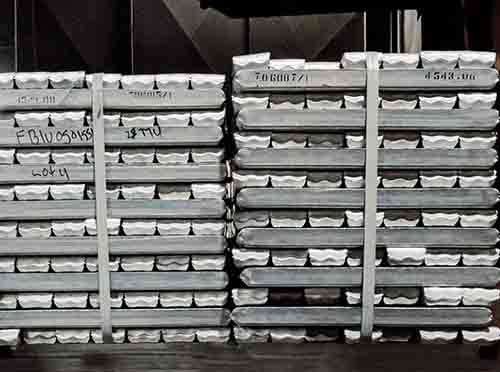
ZA alloys are another serial products among zinc family on basic of zinc alloys. So this kind of zinc alloys are often used in applications requiring high strength and corrosion resistance, such as in the aerospace and automotive industries. ZA alloys are lighter than zamk alloys due to higher aluminum content composition. This kind of alloy metal always has a strong tentile strength, and ensure the die casting part has a good integrated structure. So ZA alloys are applied for many lightweight precision components for aersopace and automotive industries. But ZA alloys all have a higher melting points (420-480°C), comparison to one of Zamak alloys(380-420°C). In application scope, Zamak alloys are more common than ZA alloys in die casting.
Composition Of ZA Alloys
| Alloy | Zinc (Zn) | Aluminum (Al) | Copper (Cu) | Magnesium (Mg) | Key Features |
|---|---|---|---|---|---|
| ZA-8 | ~91% | 8.0–8.8% | 0.8–1.3% | 0.015–0.03% | Castable & strong strength. |
| ZA-12 | ~87% | 10.5–11.5% | 0.5–1.2% | 0.015–0.03% | Stronger than ZA-8, ease castable, hight weight ratio |
| ZA-27 | ~70% | 25.0–28.0% | 2.0–2.5% | 0.01–0.02% | High lightweight, strong wear resistance, used in bearing and industrial parts |
Zinc Alloys Applications
ZA-8: Best zinc alloy for die casting among ZA alloys, And has a lowest melting points, It is used for automotive components, small gears, and electric components housings.
ZA-12 : Stronger than ZA-8, but less commonly die-cast, with good wear resistance and load-bearing capacity. It is applied for bushings, bearings, and industrial machinery parts.
ZA-27 : Poor ductility in die casting, excellent bearing properties (low friction, high wear resistance). It is used for heavy-duty bearings, gears, and medium sized structural components. And require higher temperature to cast and longer cooling time.

Die Casting Project Quote
China zinc die casting manufacturer to finish your project? If you want, please contact us by Email here !
Zamak Vs ZA Alloys : Metal Properties
Zamak alloys are more common than ZA alloys in die casting due to lower cost and high efficiency mass production. Between two main types of zinc die casting materials, Proven through practice that Zamak alloys have better fluidity and ducility, and more harder than ZA alloys.
Two kinds of different zinc alloys metal properties from Zamak vs za alloys at the table.
| Property | Zamak Alloys | ZA Alloys |
|---|---|---|
| Aluminum Content | Low (~4%) | High (8-27%) |
| Copper Content | Low to moderate (0-3%), lower hardness, | Low to moderate (0.5-2.5%), higher hardness and wear resistance, |
| Strength | Moderate | Higher (especially ZA-27) |
| Hardness | Lower | Higher |
| Melting Point | Lower (380°C-420) | Higher (410-480°C) |
| Fluidity (Castability) | Excellent | Good (but less than Zamak) |
| Wear Resistance | Lower wear resistance | High wear resistance due to higher Al |
| Corrosion Resistance | Good | Better (higher Al improves corrosion resistance) |
| Cost | Lower process cost, minimal post-process | Higher process cost due to more Al content |
| Density(g/cm³) | 6.6–6.8 | 5.0-6.3 |
When Should You Choose ZA Alloys?
Choose ZA-8 When
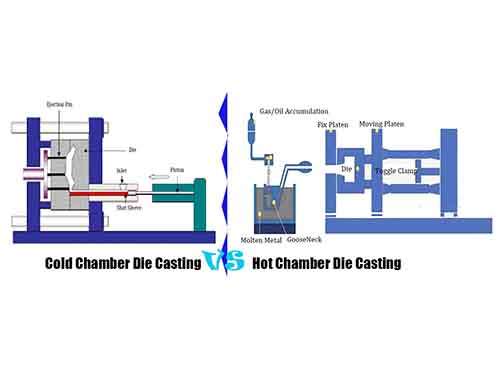
For a miniature or medium-sized precision component operating in harsh environments with requirements for impact resistance, wear resistance, corrosion resistance, and reduced weight, ZA-8 is usually the better engineering choice. Accept hot chamber die casting process. Take a good example, precision automotive transmmision housings
Choose ZA-12 When
Components experience moderate wear, high strength and durable. They are commonly used for industrial equipment, such as pump body, bushing, gear and structural components. ZA-12 is best choice. Accept Cold chamber die casting process.
Choose ZA-27 When
These Components require lightweight, bear-loading components for heavy-duty equipment. They are suitable for medium sized precision zinc die casting parts, severe wear resistance. Accept cold chamber die casting process. Allow high precision cnc machining and achieve tight-tolerance dimensions.
Conslusion
Zamak alloys are more common than ZA alloys in die casting because they provide an optimal balance of castability, production speed, dimensional accuracy, surface finish, and manufacturing cost. For most commercial die casting applications, Zamak 3 vs Zamak 5, deliver the best combination of performance and economic value. While ZA alloys offer higher strength and wear resistance, they are typically reserved for specialized structural and heavy-duty applications where enhanced mechanical properties justify the additional processing requirements.
Common FQA
Is Zamak stronger than ZA alloy?
ZA alloys generally provide higher tensile strength and hardness due to higher aluminum element content and small account of copper within ZA alloys. While Zamak alloys have lower melting points, better metal fluidity and ductility, offers better castability and lower production cost.
Why is Zamak more popular than ZA alloys?
Because Zamak alloys have excellent fluidity, lower melting temperatures, faster production cycles, and lower manufacturing costs. While ZA alloys are used in special application requirements, require spenting higher cost to make precision zinc die casting components.
Which Zamak alloy is most commonly used?
Zamak 3 is the most widely used zinc die casting alloy due to its balanced strength, ductility, and surface finish. There is a cost-efficiency consistent high quality mass production at large volume output at lower temperature.
Is ZA-27 suitable for die casting?
ZA-27 can be die cast but is less castable than Zamak alloys due to its higher aluminum content and processing requirements. The process is suitable for bear-loading medium sized structural components for heavy-duty equipment.