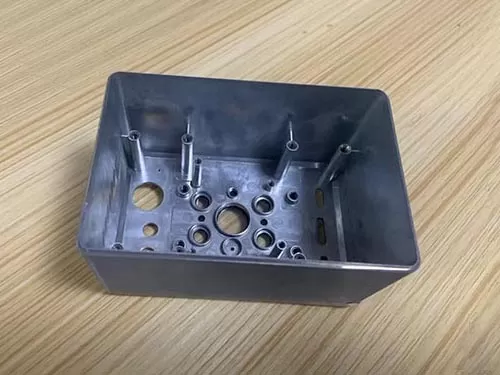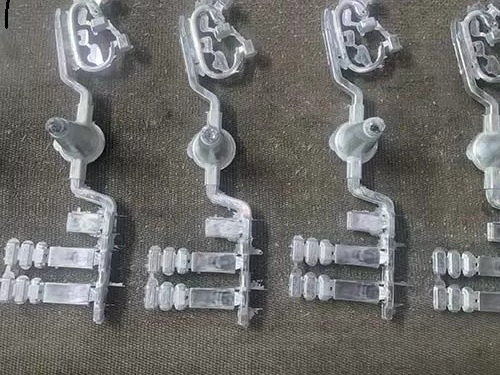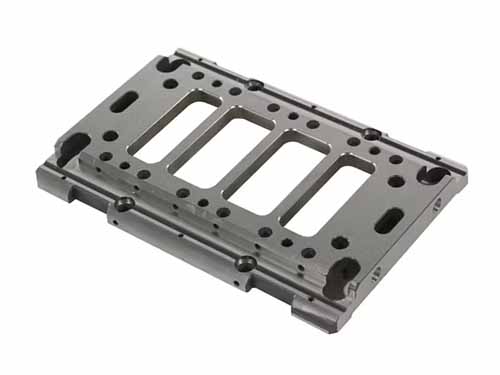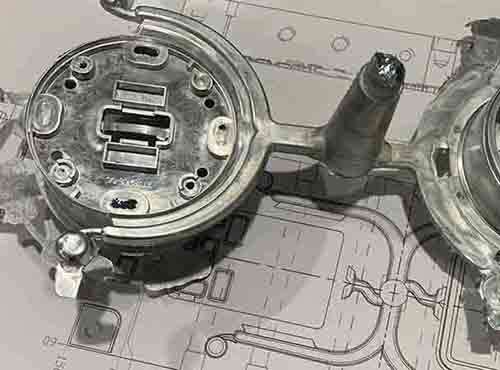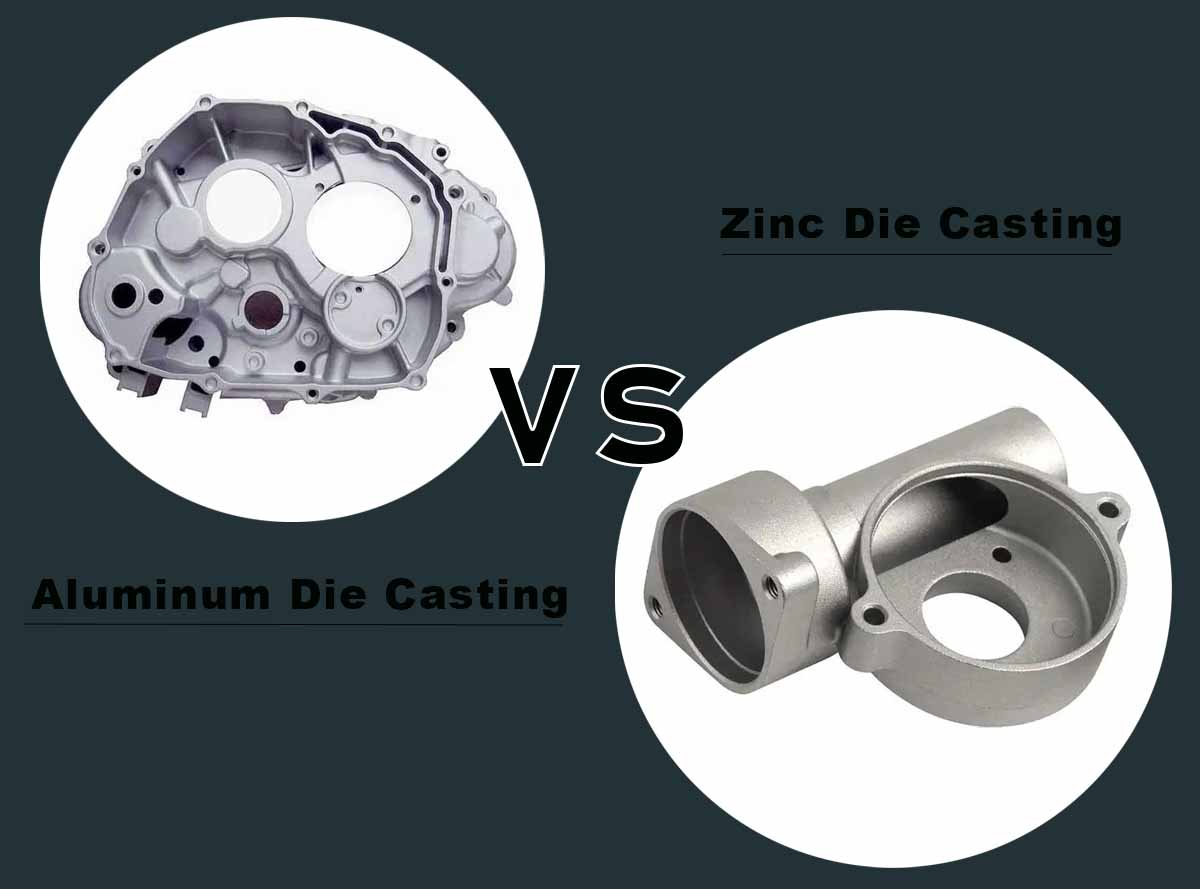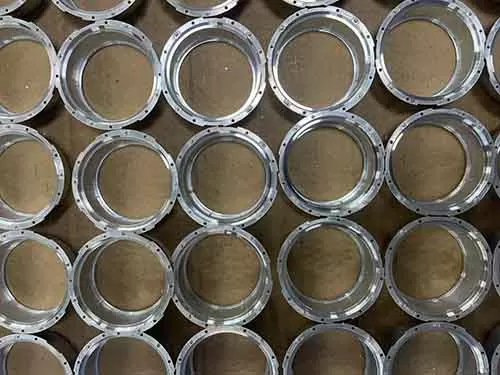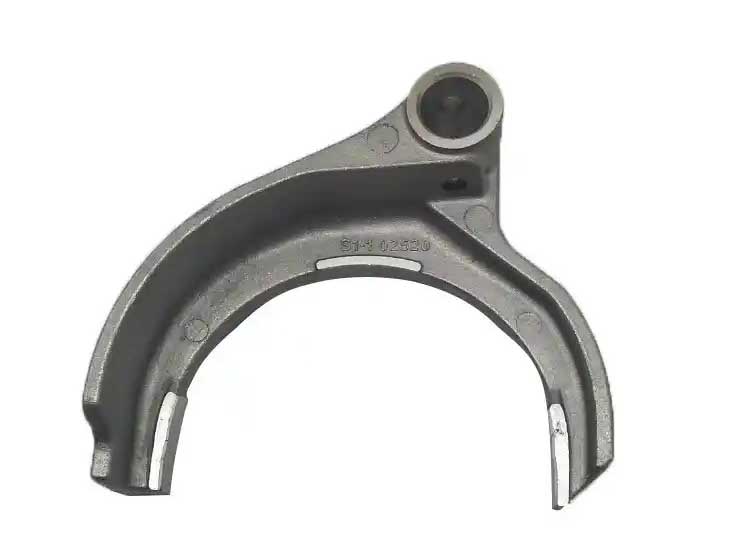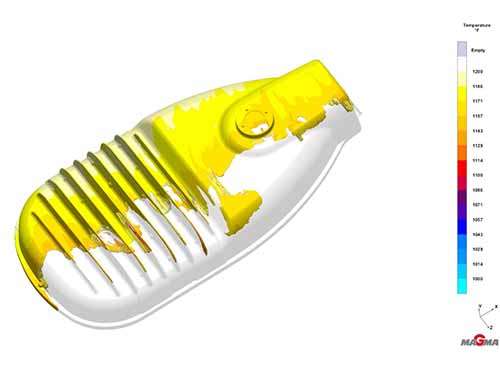
Zamak 2 vs Zamak 3 is a highly searched topic because engineers often compare these two zinc alloys during material selection. Zamak 2 achieves higher strength, hardness, and wear resistance than Zamak 3 primarily because it contains a higher copper content, about by 2.8%. The addition of copper improves mechanical performance, making Zamak 2 suitable for applications requiring greater load-bearing capacity, improved abrasion resistance, and long-term dimensional stability.
In comparison, Zamak 3 is one of the most widely used zinc die casting alloys because of its excellent balance of castability, ductility, dimensional accuracy, and surface finishing performance. With its lower copper content, Zamak 3 provides superior fluidity and reduced brittleness, allowing manufacturers to produce thin-wall, complex-shaped components with excellent surface quality and fine details.
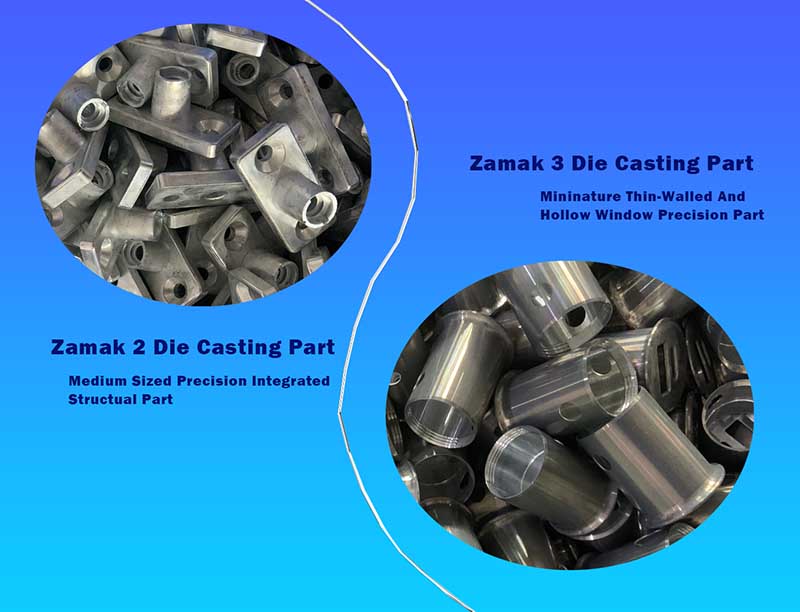
Comparison Between Zamak 2 vs Zamak 3 Chemical Composition
Different Copper content between Zamak 2 and Zamak 3 achieves different alloy metal properties. As two types of zinc alloys of zinc family, has distinguishing metal properties.
| Property | Zamak 2 | Zamak 3 |
|---|---|---|
| Zinc | Balance | Balance |
| Aluminum | ~4.0% | ~4.0% |
| Magnesium | ~0.04% | ~0.04% |
| Copper | ~2.8% | ~0.03% max |
| Tensile strength | ~330 MPa | ~283 MPa |
| Yield strength | ~295 MPa | ~221 MPa |
| Hardness | ~100 HB | ~82 HB |
| Elongation | ~7% | ~10–13% |
| Wear resistance | Higher | Good |
| Impact resistance | Higher strength | Good |
| Ductility | Lower | Higher |
| Fluidity | Good | Excellent |
| Dimensional stability | Good | Excellent |
| Corrosion resistance | Good | Very good |
| Die-casting suitability | Good | Excellent |
Obviously, Zamak 2 has a higher copper content, makes it higher wear resistane, impact performance, high yeild strength and stable dimensional accuracy. and suitable for medium sided bear-loading, heavy-duty industrial mechanical parts. Like gears, cams, locks, mechanical components and wear-resistant parts. While Zamak 3 is balance of precision castability, intricate geometries, detail fine suface and tight-tolerance dimensional accuracy. And used for miniature precision thin-walled and intricate geometries cast parts at high-volume production. Such as precision OEM parts, housings, brackets, handles, fittings and consumer/electronic components.
Different Die Casting Process And Secondary Operations
The main manufacturing difference is not the basic casting method but the higher copper content of Zamak 2. Zamak 2 provides higher strength, hardness and wear resistance, while Zamak 3 generally provides better ductility, dimensional stability and overall casting consistency.
Zamak 2 Die Casting Process And Secondary Operations
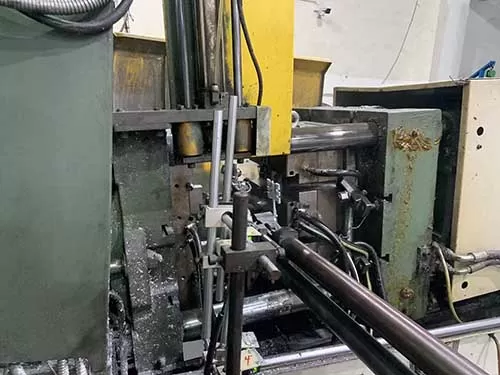
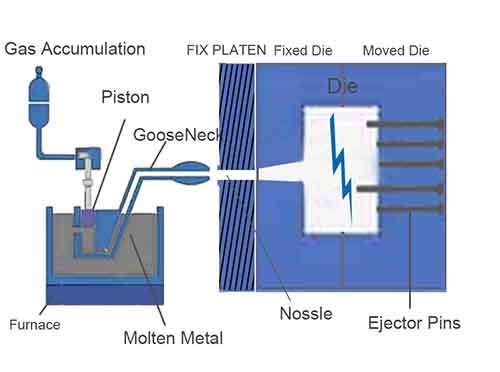
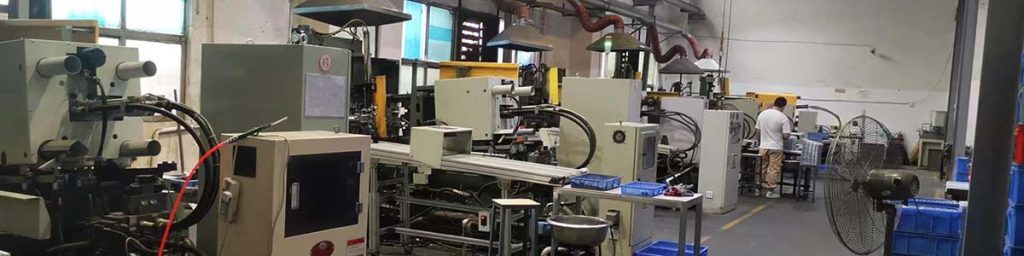
On basic of hot chamber die casting machine, melting Zamak 2 with integrated furnace, and through gooseneck mechanism injecting molten metal into the precision steel cast die, the molten metal rapidly fills the die cavity and solidifies under pressure and formed precision medium sized zinc alloy die cast part with stable dimensional accuracy and fine detail surface. The features of near net-shaped cast part is higher hardness, strength and wear resistance than Zamak 3, and requires more secondary operations to process to achieve ideal surface roughness, requiring resistance to repeated contact and abrasion and accept various finishing treatments, like painting and powder-coating, plating, e-coating and chrome-conversion coating.
Zamak 3 Die Casting Process And Secondary Operations
Zamak 3 advantages is excellent fluidity and ductility becuase almost of purify zinc alloy. less copper content, and more softer than Zamak 5, but the molten metal filling the high precision cast die fastly fully, even thin-walled and intricate geometries miniature zinc die cast parts with tight-dimension accuracy and superior surface quality. The post-processing of surface of these die casting part is easily trimmed, only slight polishing acheive ideal surface roughness level and accept finishing treatments, like chrome-plating, satin-nickel plating, e-coating, painting and powder-coating.
Application Comparison for Zamak 2 and Zamak 3
The diference between Zamak 2 and Zamak 3 focuses on metal chemical composition and mechanical process properties, achieve different applications. Zamak 2 die casting part has high wear resistance, high strength and bear-loading, used for heavy-duty equipment mechanical parts. While Zamak 3 alloy die casting part is excel in miniature high precision thin-walled and intricate geometries cast parts with tight-tolerance dimension, used for connector covering, consumer device enclosures.
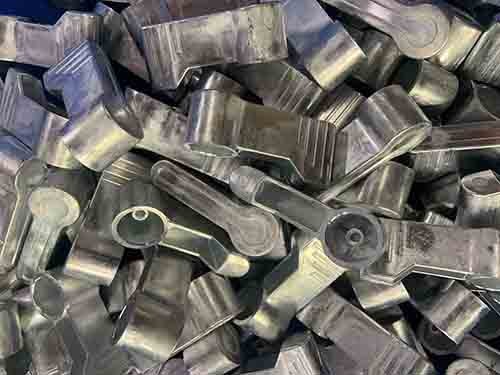
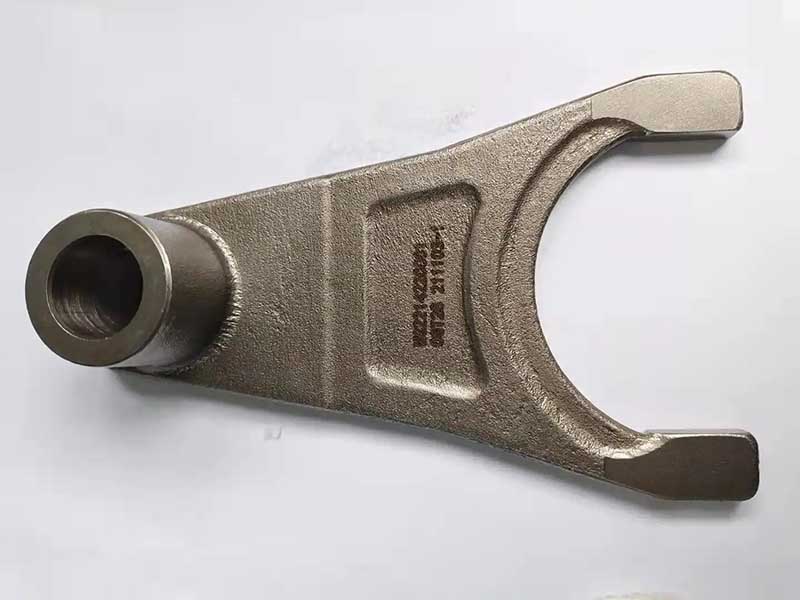
Zamak 2 contain 3% copper, give it higher wear resistance, higher tentile strength and hardness than conversioanal Zamak 3. The high strength zinc alloy is selected to make versatile precision functional cast parts, which withstand continuous loading, friction, or repetitive motion. These medidum sized precision cast parts, like Precision gears Bushings, Bearings, Mechanical transmission components, Industrial machinery parts, Heavy-duty brackets, Machine housings, Power tool components, Precision mechanical linkages, Wear-resistant hardware and High-load locking mechanisms.
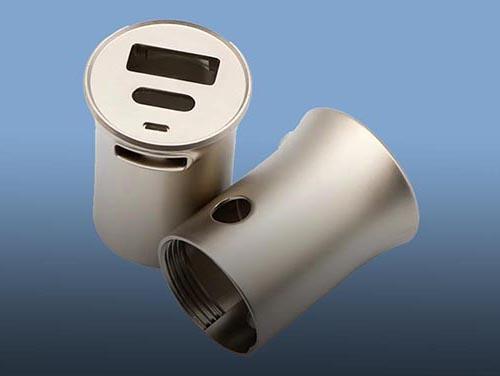
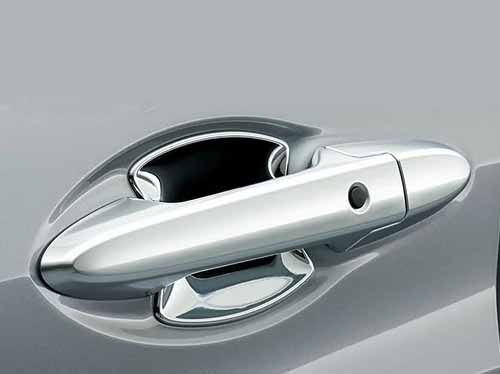
Zamak 3 is the common zinc alloy, and has an excellent fluidity and ductility, and excel in miniature high precision zinc cast parts at high-volume production. and meets thin-walled and intricate geometries design. Like automotive interior components, consumer device enclosures and communcation connector coverings.
Cast Part Functionalities And Environmental Applications Decides The Selection Of Zamak Material
The precision zinc die casting manufacturer provides complete custom zinc die casting services, and choose the right Zamak alloy for your project depends on the specific requirements of cast part functional and environmental applications.
Selection Of Zamak 2
When DFM analysis of the project is addressed, engineers may choose the right zinc alloy for the project, the zinc die casting part require bearing-loading, wear-resistance, corrosion-resistance in humity and moisture, high hardness, more impact performance and precision dimensional accuracy. Zamak 2 is ideal and suitable for medium sized bear-loading and precision cast parts.
Selection Of Zamak 3
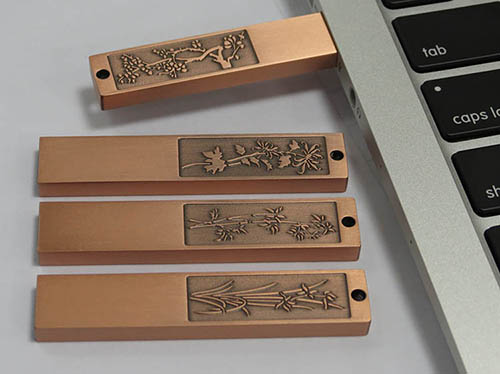
Under DFM analysis of assessment, thin-walled required is needed, engineers may choose Zamak 3 to make high precision intricate geometries cast parts at high-volume production. It often works at normal temperature, and only withstand some slight corrosion in rain weather and moisture air environments. Like consumer device enclosures, which seeking for lustra decorative aesthetics appearance.

Die Casting Project Quote
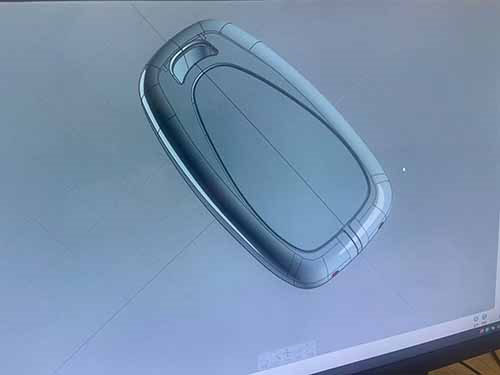
Professional IATF 16949 Zamak die casting supplier, need senting your CAD files to us and gain fast quotation.
Conclusion
Zamak 2 and Zamak 3 use essentially the same hot-chamber die-casting process and similar temperature ranges. Zamak 2 is selected primarily for higher strength, hardness and wear resistance, while Zamak 3 is generally preferred for ductility, fluidity, dimensional stability and versatile precision die casting. Secondary operations such as trimming, deburring, CNC machining, polishing, plating and coating can be applied to both alloys according to the final component requirements.