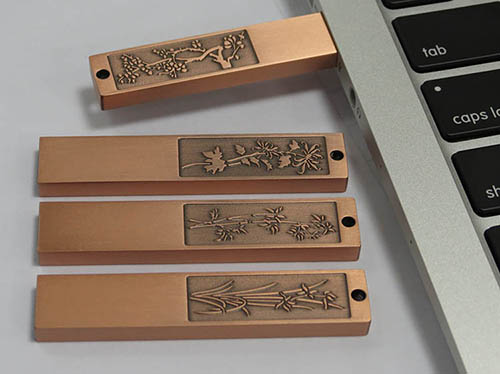
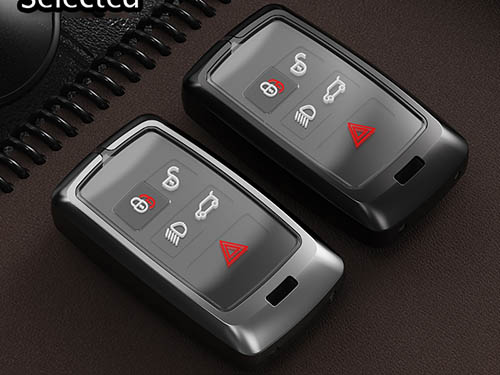
Modern automotive key fobs have evolved from simple mechanical remote controls into sophisticated electronic devices integrating wireless communication, security chips, passive entry systems, antennas, batteries, and intelligent control functions. Luxury car key housing must not only provide an attractive premium appearance but also protect sensitive electronic components from mechanical impact, environmental exposure, and electromagnetic interference. Zinc die casting automotive key fob housing combines a luxurious metallic appearance with a solid structural frame, providing both decorative value and reliable protection for magnetically sensitive smart controllers and electronic components. Smart key housing automotive, remote key housing, vehicle key shell, electric vehicle key housing.
What Is Zinc Die Casting Key Fob Housing ?
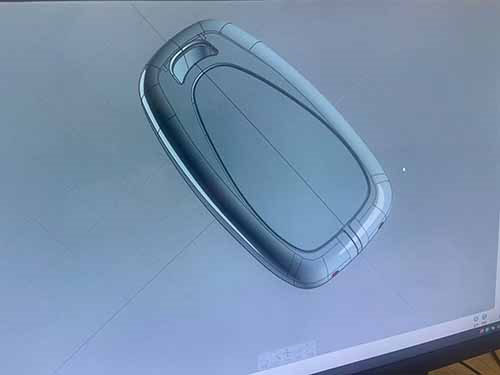
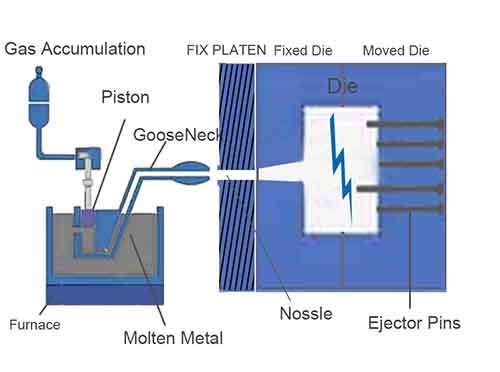
A Zinc die casting key fob housing is a precision metal die casting housing or enclosure, depends on the shape of car key case, at OEM die casting factory, tooling engineers draw 3d model of car key case, DFM modification and mold design, then high precision tooling steel die is processed, and mount it on the hot chamber die casting machine. Then well-experienced die casting technician operate the machine to produce close-tolerance, high-strength metal key fob housings with excellent repeatability.
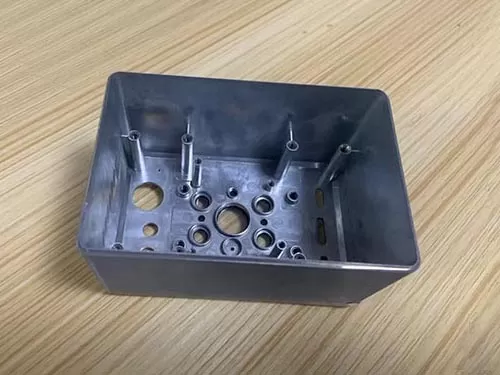
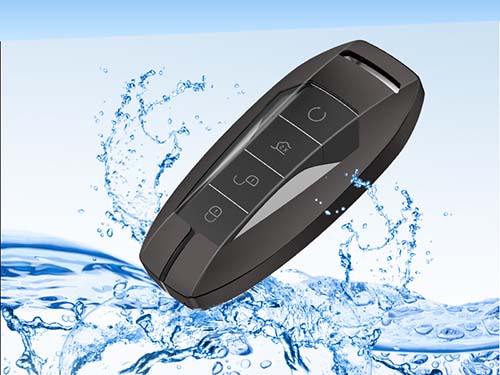
A zinc die casting automotive key fob housing typically consists of two main sections: a high-strength zinc alloy metal enclosure and a waterproof TPU sealing mat. The zinc die cast shell provides structural protection, premium metallic appearance, and electromagnetic shielding capability, while the TPU gasket creates a reliable sealing barrier to prevent moisture and dust ingress.
The complete key fob assembly is designed to achieve an IP65 ingress protection rating, ensuring effective resistance against dust and low-pressure water jets. This protection is essential because the internal components, including the PCB electronic circuit, sensitive induction modules, wireless communication components, and battery power system, require a stable and protected operating environment to maintain long-term reliability.
Why Automotive Manufacturers Choose Zinc Alloy for Key Covers ?
Modern automotive manufacturers increasingly choose zinc alloy for key covers because it offers a combination of lower material cost, cost-efficient mass production capability, flexible geometric design freedom, and excellent surface finishing performance.
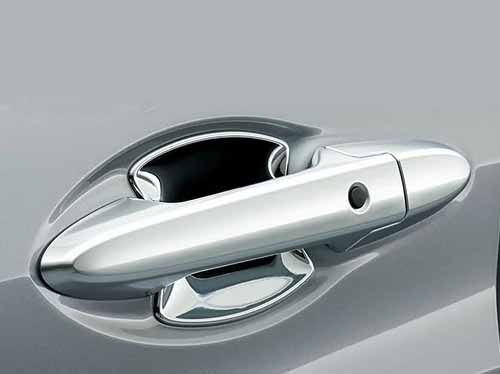
Compared with traditional machining processes, zinc die casting enables the production of complex metal key covers with thin walls, integrated structural features, and precise dimensions in high-volume production. In addition, zinc alloys such as Zamak 3 and Zamak 5 provide excellent casting fluidity, allowing manufacturers to achieve premium metallic appearances through processes such as polishing, chrome plating, nickel plating, PVD coating, and painting while maintaining competitive manufacturing costs.
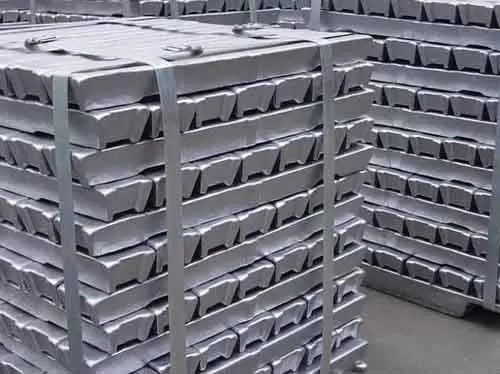
Low Mass Production Cost
- Zinc alloys belong to low melting points metal, heat energy consumption is lower aluminum alloys.
- Zinc alloys works at lower temperature around 420℃, experiences high speed injection to the die fully and rapid cooling and solidifying, gain a fast cast cycle. Saving more production time, and increase mass production efficiency, decrease mass production cost.
- Zinc alloys have excellent metal fluidity and ductility, allows complex internal structural and thin-walled precision die casting parts. Especially Zamak 3 and Zamak 5, easily casting and create superior surface finish, minimal secondery operations cost.
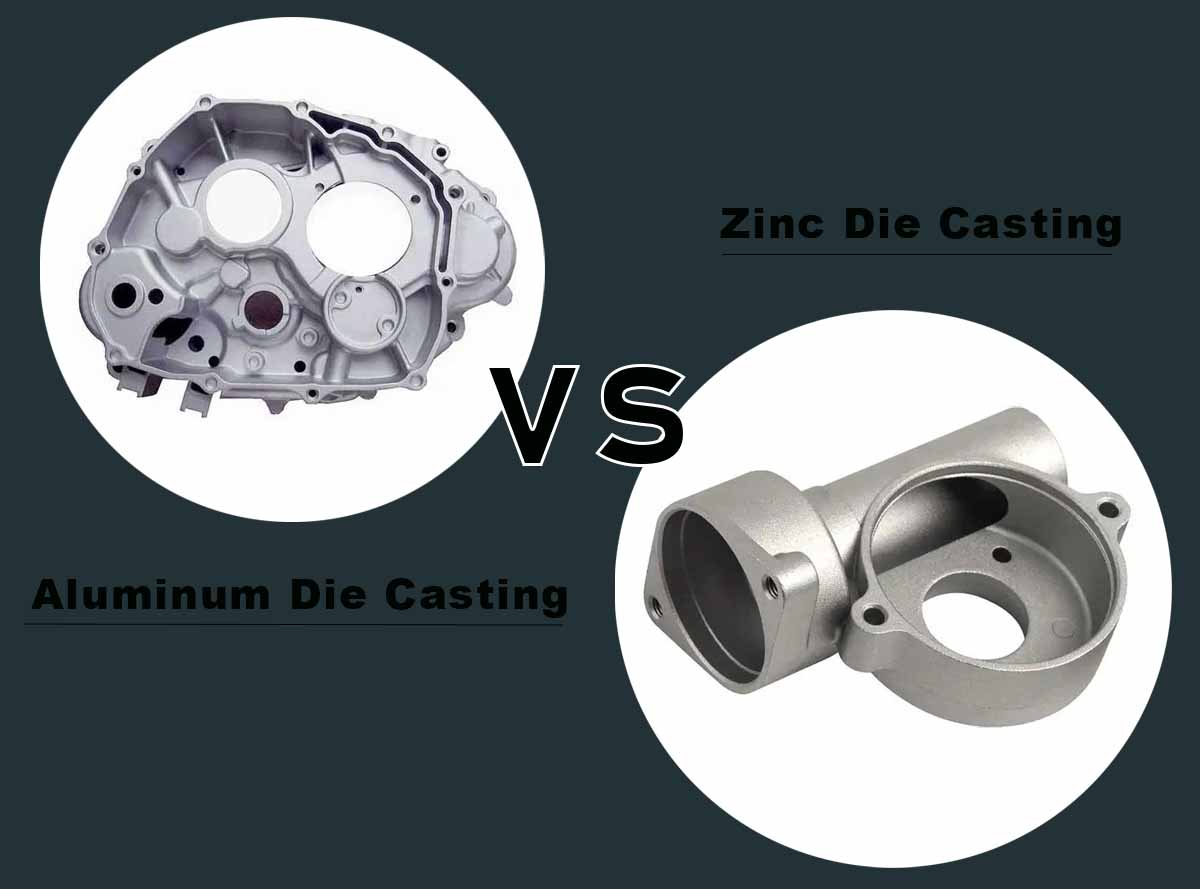
- Zinc die casting low surface roughness, reduced porosity surface accept easily versatility preminum surface treatments, like chrome-plating, nickel-plating, PVD coating and electrophoresis. Comparison to aluminum die casting parts, where pinholes and micro-voids on the surface of them makes them requiring additional processes such as impregnation, polishing, or surface sealing. So zinc die casting car key cover saves additional process cost.
- The die casting mold for zinc alloys operates at a relatively lower temperature, typically around 380–430°C, significantly reducing thermal stress, heat checking, and erosion on the tooling surface. Compared with aluminum die casting, where molten metal temperatures are much higher, zinc die casting generates less thermal fatigue and mechanical wear on the mold, resulting in lower maintenance frequency and reduced tooling repair costs. he lower casting temperature improves die stability and extends mold service life, allowing manufacturers to produce a larger quantity of qualified zinc die casting parts before die replacement or major refurbishment is required.
Steady Ultra-precision Dimentional Die Casting
Zinc alloys offer excellent metal fluidity and ductility, making them highly suitable for precision die casting applications. Among various zinc alloys, Zamak 3 is one of the most widely used materials because it provides a balanced combination of strength, mechanical properties, machining performance, dimensional stability, and casting capability.
Its outstanding fluidity allows molten zinc to fill complex mold cavities effectively, enabling the production of ultra-thin-wall die casting components, intricate geometries, and close-tolerance precision parts. In addition, Zamak 3 provides excellent surface quality and consistent repeatability, making it an ideal material choice for automotive key fob housings, electronic enclosures, and other high-precision zinc die casting components.
Typical Dimension Tolerance
| Feature | Typical Value |
|---|---|
| Thin wall section | 0.8–1.5 mm |
| Standard housing wall | 1.5–3 mm |
| Rib thickness | 50–70% of wall thickness |
| Draft angle | 0.5°–2° |
Longer Die & Mold Life
The precision casting die for zinc alloys is commonly manufactured from premium hot-work tool steels such as H13, SKD61, and 8407, as same as aluminum die casting molds. However, zinc alloys are processed at significantly lower temperatures, typically around 380–430°C, which greatly reduces thermal stress, heat checking, erosion, and fatigue damage on the die surface.
Because the mold experiences lower thermal cycling during zinc die casting, the effects of die wear, thermal fatigue, creep deformation, and stress concentration are minimized, resulting in longer tooling life and reduced maintenance requirements. This allows manufacturers to produce a higher volume of qualified zinc die casting parts before major die repair or replacement is required.
In contrast, aluminum alloys require much higher casting temperatures, typically around 660–720°C for molten aluminum processing. The continuous exposure of the die to higher thermal loads accelerates thermal fatigue, soldering, erosion, and surface cracking. Over long production cycles, these effects gradually reduce die performance and shorten mold service life compared with zinc alloy die casting.
| Alloy | Mold Operation Temperature | Mold Life |
|---|---|---|
| Zamak 3/Zamak 5 | 380-420℃ | 1,000,000–3,000,000 shots |
| A380/ADC12 | 660-720℃ | 100,000–500,000 shots |
The above considerations directly address the key concerns of purchasing managers and project managers, who typically evaluate manufacturing solutions based on overall project cost, production stability, and long-term reliability. Then dimensional consistency, structural integrity, and repeatability throughout mass production.
Tooling investment is also one of the most significant cost factors in a die casting project, often representing approximately 50–60% of the initial development investment depending on part complexity, mold structure, and production requirements. Therefore, die service life becomes a critical factor in controlling total project cost. A longer-lasting die reduces maintenance frequency, minimizes production interruptions, and improves the overall return on tooling investment.
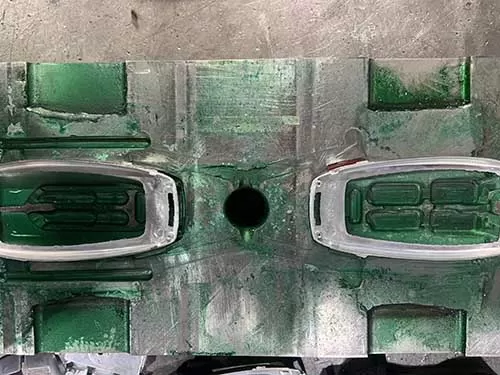
Custom Zinc Die Casting Automotive Key Fob Housing Manufacturing
Automotive key housing supplier has been focusing on the production of zinc cast car key covers and inner plastic mat for 6 years, and passed international automotive industrial IATF 16949 certificate system. And make us enable researching and developing and producing various car key covers. With increment of business partners, our order quantity is always being up. Like these great brands, Audi, Nissan, Benz, BMS, Toyota, BYD, Volkswagen and Land rover.
Key Design Considerations for Automotive Key Fob Housing
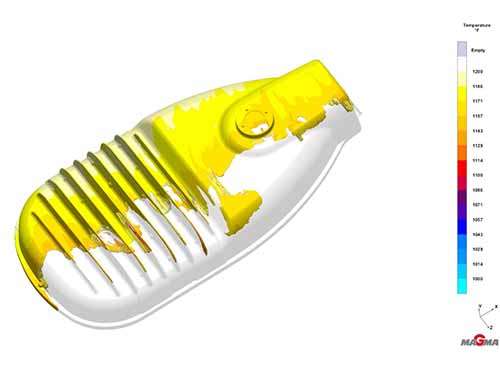
A professional zinc die casting design involves a complete engineering workflow, beginning with the review of the customer’s custom 3D CAD model and DFM (Design for Manufacturability) optimization. Engineers evaluate the part structure, casting feasibility, wall thickness, draft angles, parting lines, and assembly requirements to ensure the design is suitable for high-volume production.
The optimized model then proceeds through structural design verification, mold flow simulation, mold design optimization, and precision tooling steel die manufacturing. After tooling completion, a First Article Inspection (FAI) is performed to validate dimensional accuracy, casting quality, and functional requirements. Once approved, OEM key fob housing manufacturer begin arranging mass production, followed by strict in-process quality control, final inspection, and protective packaging to ensure consistent delivery of qualified zinc die casting components.
DFM for Zinc die casting Automotive Key Housings
Tooling engineers review 3d model of product, depends on sufficiant design experience for dozen years, firstly consider that if the model is suitabel for casting manufacturing. If the order number of the product is single sample or large volume mass production. If several samles are made, we will consider cnc machining, without tooling, fast finish samples in hours and a few days.
In contrast, tooling engineers should improve the product model design so that they can fit mass production at large volume. Begin from these fundemental designs.
- Wall-thickness
- Draft Angle Design
- Parting Line
- Rib and Boss Design
- Gate Location
- Surface Finish Consideration
- Dimensional Tolerance Design
- TPU gasket groove
- Tool Life Consideration
Mole Design And Manufacturing
After intial product 3d model sketched, mold strucuture is begun just now. Ensure the mold design high performance, tooling engineers focus on venting system, gate location and die casting thermal handle. avoid and resolve some common defects during zinc die casting process. ehancing and optimizing heat dissipation around the cast part, makes the cast part uniform cooling in single cast cycle until design a perfect cast die.
Precision zinc die casting manufacturer have its own tooling room or workshop, with tooling manufacturing capability in house. With cutting-edge process equipment and well-experienced mold technician, finish the production of high precision cast die. Then implement FIA strategy, and deliver the rapid prototypes to customer for an approval for mass production.
Material Selection For Car Key Case Housing
Various popular car key metal case covers on the market allow being cast in precision, deburring, drilling hole and tapping and threading, according to different surface finishing requirements, these cast parts are polished with RA standard and accept different coating treatments. like painting & powder-coating, satin-nickel plating, gross-nickel plating and chrome-plating. Best material choice for these car key fob covers are Zamak 3, in which different metal element formula creates this special metal alloy.
Metal Properties Comparison From Zamak 3 and Zamak 5
| Property | Zamak 3 | Zamak 5 |
|---|---|---|
| Ultimate Tensile Strength | ~283 MPa | ~328 MPa |
| Yield Strength | ~221 MPa | ~260 MPa |
| Elongation | 10% | 7% |
| Hardness | 80 HB | 90 HB |
| Impact Strength (Charpy) | 58–65 J | 45–55 J |
| Fatigue Strength | 90–110 MPa | 120–140 MPa |
| Creep Stress @ 1000 h, 80°C | 25–35 MPa | 40–55 MPa |
| Melting Points | 380°C | 380°C |
| Density | 6.6 g/cm³ | 6.6 g/cm³ |
| Thermal Conductivity | 113 W/m·K | 109 W/m·K |
| Elastic Modulus | 96 GPa | 96 GPa |
When to Choose Which Zinc Alloy
Choose Zamak 3 For Automotive Key Fob Housing
Zamak 3 offers an excellent balance of fluidity, ductility, dimensional stability, and casting performance among zinc alloys. Its superior molten metal flow characteristics allow the alloy to rapidly and consistently fill complex die cavities, producing precision cast components with tight dimensional tolerances and excellent surface quality.
Because of its outstanding castability, Zamak 3 is widely used for high-precision and miniature zinc die casting applications where complex geometries, thin-wall sections, and integrated structural features are required. Automotive private key covers and smart key housings are typical examples, as they demand lightweight yet strong metal enclosures with detailed designs, accurate assembly dimensions, and premium surface finishes.
Choose Zamak 5 For Automotive Key Cover
Zamak 5 contains a higher copper content of approximately 0.75–1.25%, which improves hardness, wear resistance, tensile strength, and overall mechanical performance compared with Zamak 3. While Zamak 3 is widely selected for applications requiring excellent fluidity, ductility, and dimensional stability, Zamak 5 provides enhanced strength for components exposed to higher mechanical loads and repeated impact.
Due to its improved mechanical properties, Zamak 5 can be considered for relatively thicker-wall zinc die casting automotive key fob housings and robust metal enclosures that require increased rigidity and durability. It is suitable for heavy-duty applications where structural strength is more critical. Engineers may consider that some large size truck and disel locomotives.
Unit Weight Caculation For Car Key Case Housing
| Parameter | Value |
|---|---|
| Length | 70 mm |
| Width | 38 mm |
| Average Thickness | 1.5 mm |
| Product Type | Typical Weight |
|---|---|
| Thin decorative key shell | 15–25 g |
| Standard smart key housing | 25–40 g |
| Luxury thick-wall key cover | 40–60 g |
| Full metal smart key shell | 60–90 g |
Mass Production
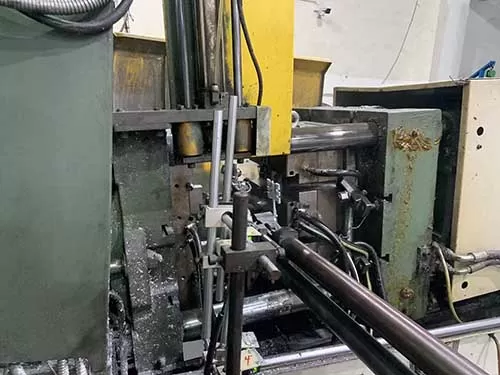
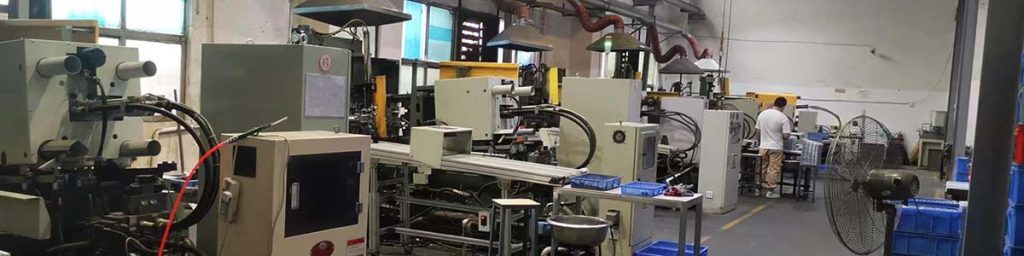
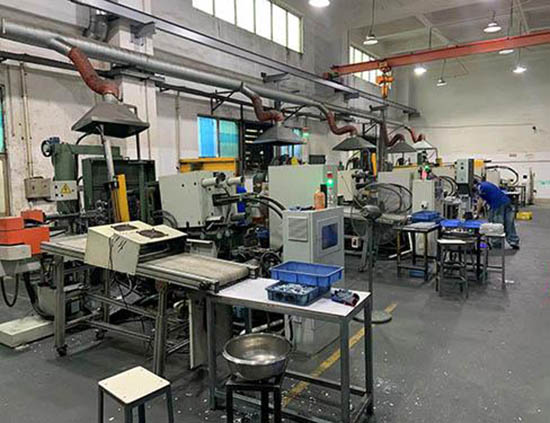
IATF 16949 automotive components supplier has sufficiant production experience. Complete many automotive key cover projects successfully. So the lead of the batch goods, we can ensure both quality and quantity for shipment of goods. A few automation production lines where advanced hot chamber die casting machines, robotic hands and smart conveyor, a few labor to monitor and assist these machines to address high-volume zinc die casting mass production.
- Visual look comestic of near-net-shape castings : Flaw, extra thin flash, warp and voids and porosity
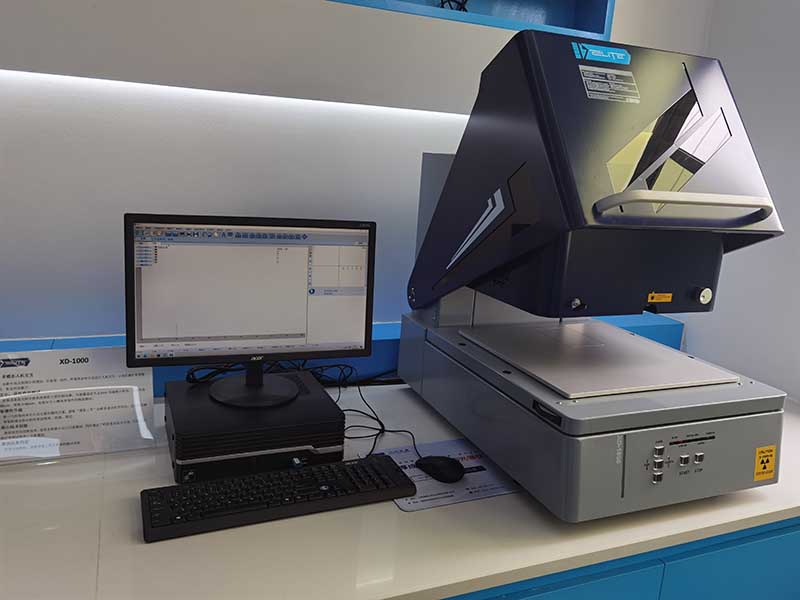
- Detect inside structure of the cast parts: Inspecting hollow and porosity within the cast part by X-ray detector any time, ensure high quality of lots of goods.
- Remove Impurites and Oxidation layer : Worker remove impurites and oxidation layer on the top of molten metal in the reservior, remain purified molten metal for consistent high speed die cast cycle.
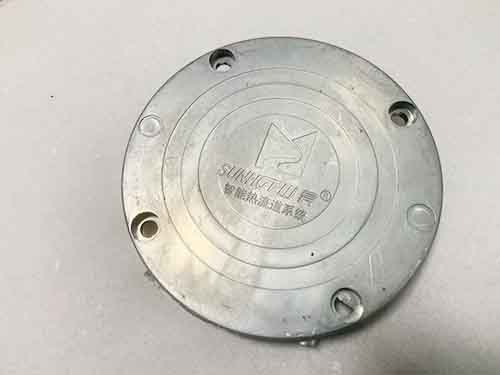
- Sorting and Classification of Zinc Die Cast Parts: After ejection from the die casting machine, operators inspect near-net-shape castings, remove defective parts, and classify qualified components before secondary operations and surface finishing.
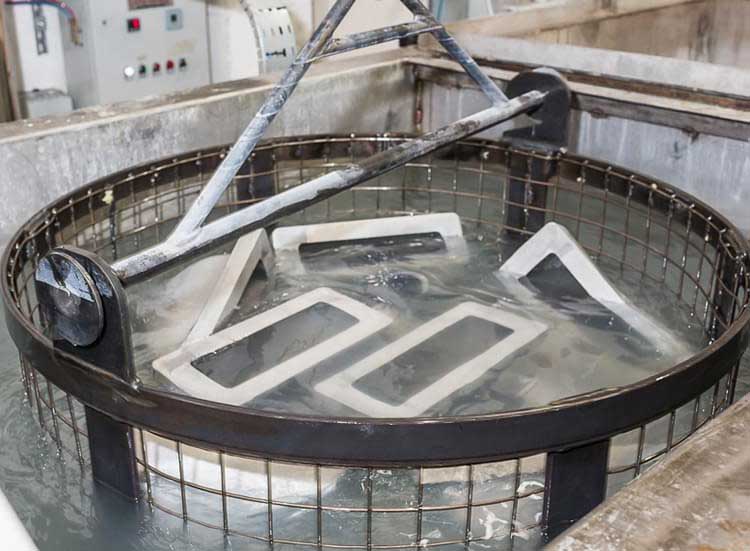
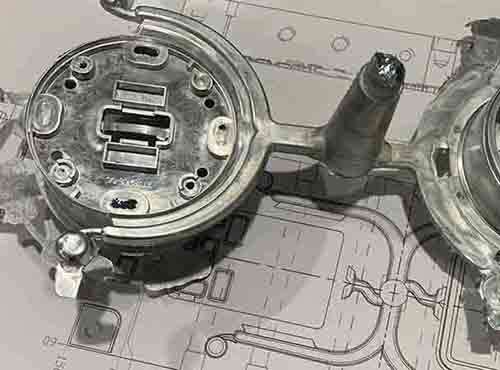
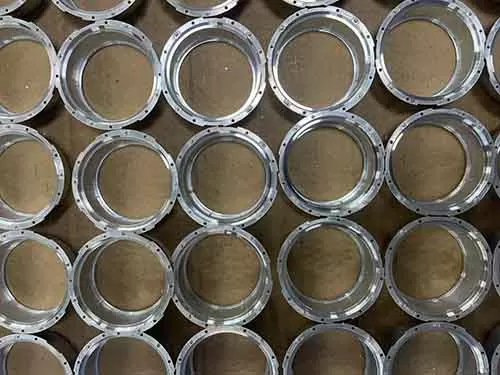
- Rough cast parts secondary operations: The rough cast parts are allowed to shot blistering, sand-belt grinding, versatility grain surface roughness level polishings for further plating and powder-coating. Deliver the processed goods to surface treatment factory. Zinc die casting key fob housings can achieve premium appearance through polishing, chrome plating, nickel plating, powder coating and painting processes.
- Incoming Goods Inspection : Visual look comestic, include bubble, spots, peel, blank and uneven coating ect. With the help of CMM instrument, close-tight dimension is checked, ensure assemblies fit and ok.
- Safety Package: Worker pack 30 pieces of the inspected automotive key fob housings into a plastic shrinkage tray where dessisant is added, and pile 6 layers into a standard exported carton. Ensure the qualified goods remain perfect during a long distance transportation on the sea and other way.
Common FQA
Q1: Why specify Zamak 3 over other zinc alloys for key cases?
A: Zamak 3 provides excellent fluidity for casting thin-walled, complex geometries. Its superior electroplating adhesion ensures that logos and buttons remain durable after secondary finishing. Compared to aluminum, it offers lower melting points, extended die life, and reduced overall part cost without compromising mechanical properties.
Q2: How does TS Casting guarantee the ±0.02mm tolerance on critical features?
A: We employ multi-slide die casting machines combined with advanced mold flow analysis software to optimize gate design and filling parameters. Post-casting, each batch is verified using CMM (Coordinate Measuring Machines) to ensure the precision of snap fits and button apertures.
Q3: What surface finishing options are available for automotive key cases?
A: We offer a full suite of post-processing services, including:
- Electroplating (for a chrome or satin nickel finish)
- Powder Coating (for textured or matte surfaces)
- PVD Coating (for high-durability metallic finishes)
- Laser Engraving (for permanent logos and markings)