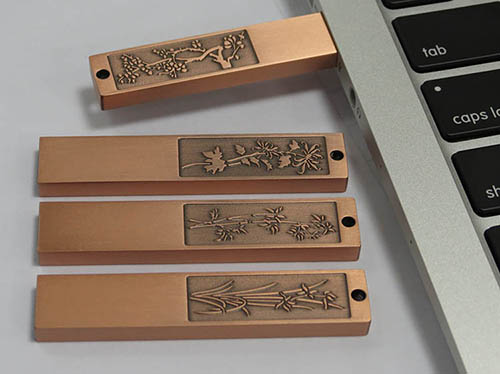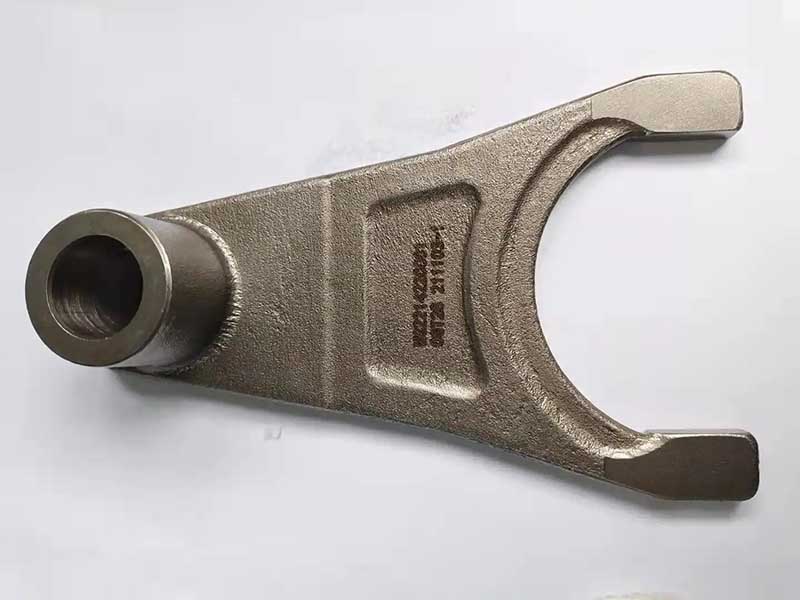
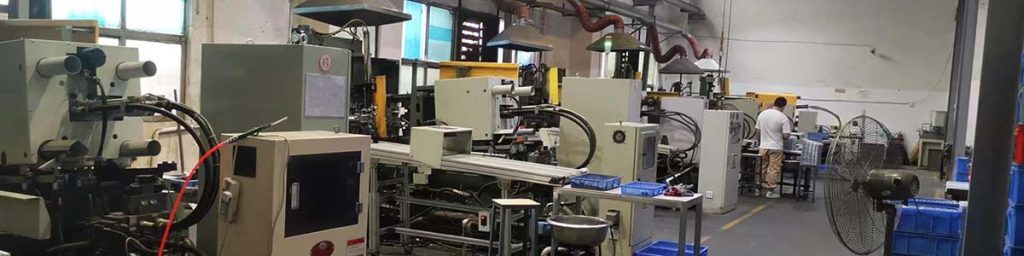
Zamak 2 and Zamak 5 are two high-performance zinc alloys widely used in hot chamber die casting. While two types of Zamak alloys offer excellent castability, dimensional accuracy, and surface finish, they are designed for different engineering requirements. Zamak 2 contains a higher copper content, providing greater strength, hardness, and wear resistance, whereas Zamak 5 properties and use offers a balanced combination of strength, ductility, corrosion resistance, and cost-effectiveness, making it the most commonly used zinc alloy die casting material. The article will have a zinc alloy guide for complete comparison with Zamak 2 vs Zamak 5.
Zamak 2 vs Zamak 5: Complete Comparison
What is Zamak 2 Alloy ?
Zamak 2 is a zinc-aluminum alloy containing approximately 4% aluminum and 3% copper. The higher copper content significantly improves hardness, tensile strength, creep resistance, and wear resistance. Zamak 2 die casting service is suitable for structural components subjected to heavy loads or repeated friction. Like industrial gears, bushings, bears, machinery components and heavy-duty hardwares.
What Is Zamak 5 Alloy?
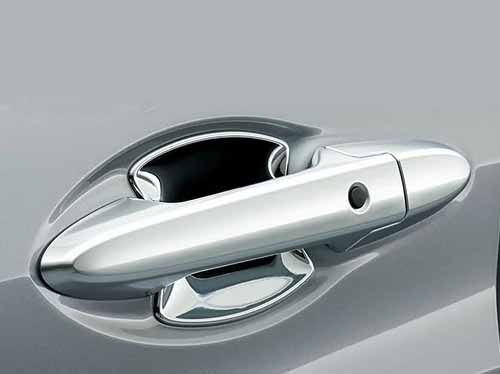
Zamak 5 is the industry’s most widely used zinc die casting alloy. It contains approximately 4% aluminum and 1% copper, offering an excellent balance of strength, ductility, corrosion resistance, and castability. Zamak 5 die casting manufacturer offers a wide range of precision die cast products. Such as automotitve components, door handles, locks, furniture hardwares, consumer electronic housings and decorative hardwares. However, Zamak 3 vs Zamak 5, Zamak 5 is less than Zamak 3 on the metal fluidity and surface finish of net-shape die casting parts.
Comparison Table For Zamak 2 VS Zamak 5
| Property | Zamak 2 | Zamak 5 |
|---|---|---|
| Zinc Content | Balance | Balance |
| Aluminum | ~4.0% | ~4.0% |
| Copper | ~3.0% | ~1.0% |
| Magnesium | Trace | Trace |
| Tensile Strength | Higher | High |
| Yield Strength | Higher | High |
| Hardness | Higher | Moderate to High |
| Ductility | Lower | Higher |
| Wear Resistance | Excellent | Very Good |
| Corrosion Resistance | Good | Better |
| Castability | Excellent | Excellent |
| Surface Finish | Excellent | Excellent |
| Machinability | Very Good | Excellent |
| Cost | Higher | Lower |
| Most Common Use | High-load mechanical parts | General-purpose die cast parts |
Zamak 2 vs Zamak 5: Chemical Composition Comparison
The below is two kinds of different zinc alloys‘ metal element composition. Zamak 2 is the top bar, while Zamak is the bottom bar. Rare metal element content difference dedices constrast distinct zinc alloy metal properties.
Zinc (Zn)
94–96%
Zinc (Zn)
94–96%
Aluminum (Al)
3.8-4.3%
Aluminum (Al)
3.8-4.3%
Copper (Cu)
2.7–3.3%
Copper (Cu)
0.75–1.25%
Magnesium (Mg)
0.02–0.06%
Magnesium (Mg)
0.03–0.06%
Iron (Fe)
≤0.075%
Iron (Fe)
≤0.075%
Lead (Pb)
≤0.003%
Lead (Pb)
≤0.003%
Cadmium (Cd)
≤0.003%
Cadmium (Cd)
≤0.003%
Tin (Sn)
≤0.001%
Tin (Sn)
≤0.001%
The higher copper concentration in Zamak 2 is the key factor that distinguishes the two alloys. This compositional difference gives Zamak 2 superior mechanical strength and wear resistance, while Zamak 5 remains the preferred choice for most die casting applications due to its excellent combination of castability, corrosion resistance, and cost-effectiveness.
Mechanical Properties Comparison
Zamak 2 has higher tensile and yield strength due to higher copper content, makes the zinc alloy more resistant to scratching and surface wear. While Zamak 5 contain higher magnesium content than Zamak 2, enable creating greater elongation before fracture, better ductility makes it casting high precision complex cast parts at cost-efficiency. With lower copper content, Zamak 5 generally provides better corrosion resistance, particularly in humid or mildly corrosive environments.
Zamak 2 Vs Zamak 5: Die Casting Performance And Secondary Operations Comparison
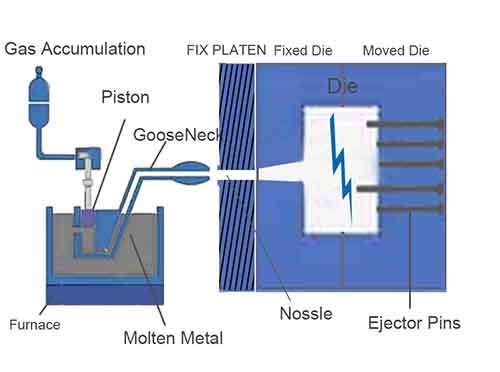
Both Zamak 2 and Zamak 5 perform exceptionally well in hot chamber die casting, offering excellent fluidity, dimensional accuracy, and high production efficiency. However, their different chemical compositions and mechanical properties influence die casting performance, tooling requirements, machining characteristics, surface finishing, and other secondary operations. Understanding these differences helps zinc die casting manufacturers select the most suitable alloy for specific product requirements and optimize both production efficiency and part performance.
Zamak 2 Performs Die casting And Allowance of Secondary Operation
Zamak 2 contain higher copper content, either offers high fluidity, fast solidification, good surface finish during die casting process, or ensure more high hardness enhance the cast part more wear resistant and anti-impact. But Zamak 2 is lack of ductility, Zamak 2 die casting offer more poor surface finish, require additional secondary operation to optimize the dimension and surface roughness level. Aluminum content makes the cast part good corrosion resistance.
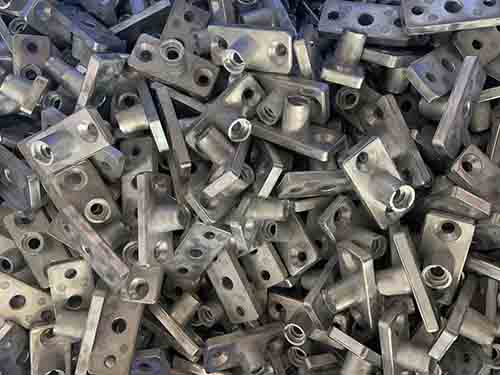
These as-cast zamak 2 wear resistance cast parts allow these precision secondary operations, such as CNC milling, Turning, Drilling, Tapping, Reaming. Depends on different surface finish requirements, different surface roughness polishing is addressed, Ts die casting technology also provides various surface finishes, like chrome-plating, nickel-plating, electrophoresis and painting and powder-coating for zamak 2 precision die casting parts.
Zamak 5 In Die Casting And Allowance of Secondary Operation
Zamak 5 fluidity is less than Zamak 3 ,which is the most fluidity among all zinc alloys due to a bit copper content and limitation of fluidity. Zamak 5 generally has slightly better fluidity and is easier to process in high-volume production. These better surface finish cast parts minimize secondary operations. The precision Zamak 5 cast die casting creates more high surface roughness for further surface finish treatments.
With lower copper content, Zamak 5 corrosion resistance is obveriously, particularly in humid or mildly corrosive environments. So Zamak 5 is selected to make some precision components for marine and humid and salt-corrosion environments. Extend their life time, die casting manufacturer consider of coating technique, like chrome-plating, chrome-conversion, PVD coating and passivation.

When the die casting process is well controlled, both alloys produce high-quality decorative finishes.

Die Casting Project Quote
Professional IATF 16949 Zamak die casting supplier, need senting your CAD files to us and gain fast quotation.
Cost Comparison
Cost Comparison For Zamak 2 and Zamak 5 die casting involves zinc alloy material, tool design and manufacturing, mass production and secondary operations.
Cost For Zamak 2 Die Casting
The cost of Zamak 2 die casting is influenced by several factors, including raw material price, part geometry, tooling investment, production volume, machining requirements, and surface finishing. Zamak 2 is generally more expensive than Zamak 5 because of its higher copper content, but its high tensile strength, hardness and low melting points metal properties still be regarded as the ideal castable material for high-strength, wear-resistant precision components produced in large volumes.
- Material Cost: Zamak 2 contains 2.7–3.3% copper, compared with 0.75–1.25% in Zamak 5. Since copper is more expensive than zinc, the raw material cost of Zamak 2 is typically 5–15% higher, depending on current metal market prices.
- Tooling Cost: Mold engineering design, Precision manufacturing, heat treatment, Mold polishing and trial production testing expenses.
- Production Cost: Lower melting temperature and fast cast cycle results in high-efficiency mass production at high volume. and mean the cost per unit is lower.
- Secondary Operation Cost: Zamak 2 is harder than Zamak 5, machining may require slightly more cutting time and increased tool wear, resulting in marginally higher machining costs. Additionally, Inspection for machined net-shape cast parts is indispensable, Engineering clerk use CMM, surface roughness tester, salt smog cabinet and micrometer and assembly testing to verify the fuctions of the cast parts. At last, Rohs and SGS standard plastic packaging material is selected to pack zinc products, exported standard carton package and reinforce outside the carton with plastic strips. All fee for secondary operation cost is account for 5-10% of the total cost.
| Cost Item | Percentage of Total Cost |
|---|---|
| Raw Material | 30–40% |
| Die Casting Production | 20–30% |
| Tooling (amortized) | 10–20% |
| CNC Machining | 5–15% |
| Surface Finishing | 5–15% |
| Quality Inspection & Packaging | 5–10% |
Cost For Zamak 5 Die Casting
Zamak 5 die casting is one of the most cost-effective manufacturing solutions for producing high-volume precision metal components. Thanks to its excellent castability, low melting temperature, and balanced mechanical properties. Zamak 5, in which high magnesium content results in superior surface finish during die casting process.
- Material Cost: Zamak 5 contains 0.75–1.25% copper, which is significantly lower than Zamak 2. The reduced copper content helps lower raw material costs while still providing excellent strength and wear resistance for most applications.
- Tooling Cost: Operates at approximately 410–430°C. The relatively low casting temperature reduces thermal fatigue on the die, resulting in long tooling life, more qualified cast parts output and reduced die wear. Still maintain high effective mass production. Similar with the cost of Zamak 2 die casting.
- Production Cost: Lower copper content makes the zinc metal better metal fluidity, compare with Zamak 2. And allow high speed produce qualied cast parts during die casting process. the cost per unit is lower than Zamak 2.
- Secondary Operation Cost: Zamak 5 accepts easily machining, its surface is more soft than Zamak 2, eliminate the cost of secondary operation, allow easily various surface finish treatments. Like chrome-plating, nickel-plating, electrophoresis.Additionally, Inspection for machined net-shape cast parts is indispensable, Engineering clerk use CMM, surface roughness tester, salt smog cabinet and micrometer and assembly testing to verify the fuctions of the cast parts. At last, Rohs and SGS standard plastic packaging material is selected to pack zinc products, exported standard carton package and reinforce outside the carton with plastic strips. All fee for secondary operation cost is account for 5-10% of the total cost. Secondary operation cost for zamak 5 die casting is lower.
| Cost Item | Percentage of Total Cost |
|---|---|
| Raw Material | 30–40% |
| Die Casting Production | 20–30% |
| Tooling (amortized) | 10–20% |
| CNC Machining | 5–15% |
| Surface Finishing | 5–15% |
| Quality Inspection & Packaging | 5–10% |
Comparison For Zamak 2 and Zamak 5 Die Casting
| Factor | Zamak 2 | Zamak 5 |
|---|---|---|
| Material Cost | High copper contenct lead to higher price on the market. | Lower copper content lead to low price on the market. |
| Production Efficiency | Lower melting temperature create high production efficiency. | Better metal fluidity and lower melting temperature results in very high production efficiency |
| Tool Life | Working at same temperature makes long tool life. | Working at same temperature makes long tool life. |
| Overall Manufacturing Cost | Higher | Lower |
Application Comparison for Zamak 2 and Zamak 5
Difference between Zamak 2 and Zamak 5, the chemical compositions and mechanical properties makes them suitable for different applications. Zamak 2 has highly tensile strength, hardness, and preform wear-resistant and high stress zinc die cast parts, while Zamak 5 provide cost-efficiency, precision, stable dimensional cast parts at high volume zinc die casting mass production.
Zamak 2 Applications
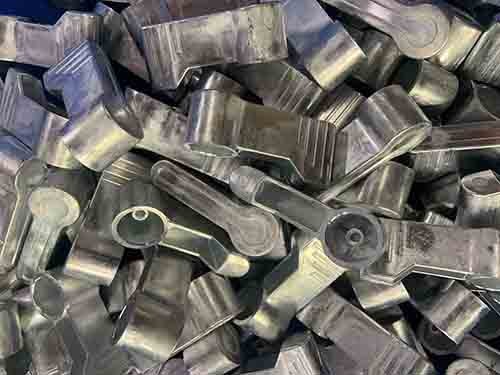
Zamak 2 contains 2.7–3.3% copper, giving it higher tensile strength, hardness, wear resistance, and creep resistance than Zamak 5. The high strength zinc alloy is commonly selected for components that must withstand continuous loading, friction, or repetitive motion. Like Precision gears Bushings, Bearings, Mechanical transmission components, Industrial machinery parts, Heavy-duty brackets, Machine housings, Power tool components, Precision mechanical linkages, Wear-resistant hardware and High-load locking mechanisms.
This kind of zinc alloy contain higher copper content, and has poor fluidity, engineers must focus on venting channels improvement and gating system optimation, ensure metal flow fill the cavities of the die at proper melting temperature.
Zamak 5 Applications
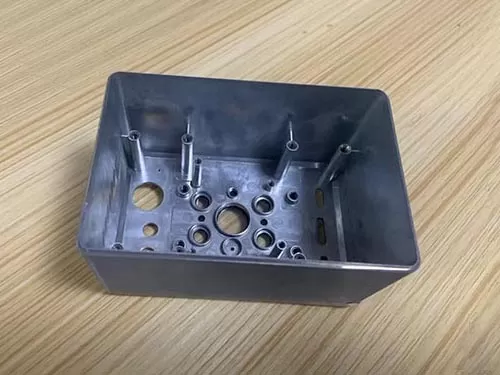
Zamak 5 contains 0.75–1.25% copper, providing an excellent balance of strength, ductility, corrosion resistance, and castability. It is the most widely used zinc alloy for high-volume die casting. Such as Automotive zinc die casting components, Door and window handles, Lock bodies and cylinders, Furniture fittings, Decorative architectural hardware, Electronic enclosures, Consumer electronics, Telecommunications components, Electrical connectors, Plumbing fittings, Lighting fixtures, Household appliances, Camera and instrument housings.
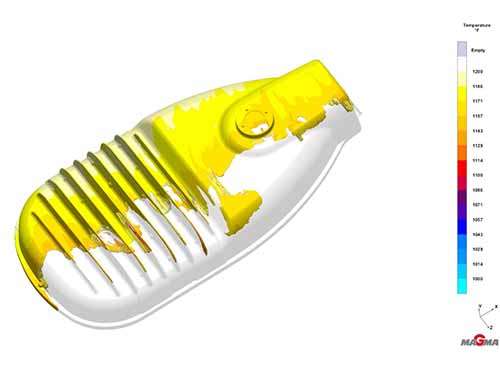
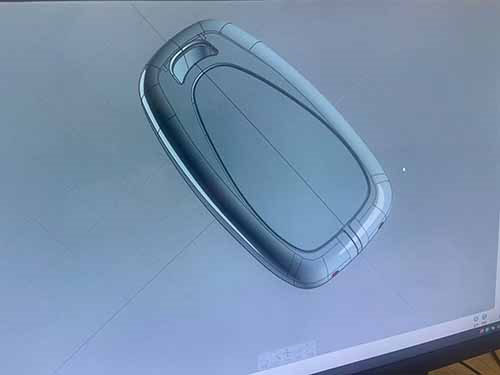
Ts die casting technology is excel at working Zamak 3 and Zamak 5 die casting projects,according to customer specification and detail requirements, engineers draft zinc die casting design guide, implements mold flow simulation, optimizes mold design, carefully produce high precision steel die and achieve high efficiency mass production for precision zinc die casting parts.
Which Zamak Alloy is Strongest
The precision zinc die casting manufacturer provides complete custom zinc die casting services, and choose the right Zamak alloy for your project.
Choose Zamak 2 for
Require high hardness, high wear resistance, better tensile strength precision die casting parts, like Precision gears, Bearings Bushings, Mechanical transmission parts, Wear-resistant industrial components.
Choose Zamak 5 for
Require medium and miniature precision die casting parts, expose outdoor or in mild humid, marine and salt-corrosion environments. These special cast parts, such as Automotive parts, Door and window hardware, Locks Electronic enclosures, Decorative hardware, Consumer products, Furniture fittings.
Conclusion
The hot die casting zinc alloys, Zamak 2 and Zamak 5 are both excellent zinc die casting alloys, but they serve different purposes. Zamak 2 is the preferred choice for high-strength, wear-resistant, and load-bearing components where durability is critical. Zamak 5 is the industry’s standard alloy for general-purpose die casting, offering an outstanding balance of strength, corrosion resistance, castability, and affordability.
Selecting the right alloy depends on your product’s mechanical requirements, operating environment, surface finish expectations, and production budget. By understanding the differences between Zamak 2 and Zamak 5, precision die casting company can optimize product performance, extend service life, and reduce overall manufacturing costs.
Frequently Asked Questions
Is Zamak 2 stronger than Zamak 5?
Yes. The higher copper content gives Zamak 2 greater tensile strength, yield strength, and hardness.
Which alloy has better wear resistance?
Zamak 2 is better suited for components subject to friction and abrasion, such as gears and bushings.
Which alloy is more corrosion resistant?
Zamak 5 generally provides better corrosion resistance due to its lower copper content.
Which alloy is better for die casting?
Both alloys offer excellent die casting performance, but Zamak 5 is more widely used because it balances performance, castability, and cost.
Which alloy is less expensive?
Zamak 5 is typically more economical for high-volume production because of its lower copper content and broad availability.