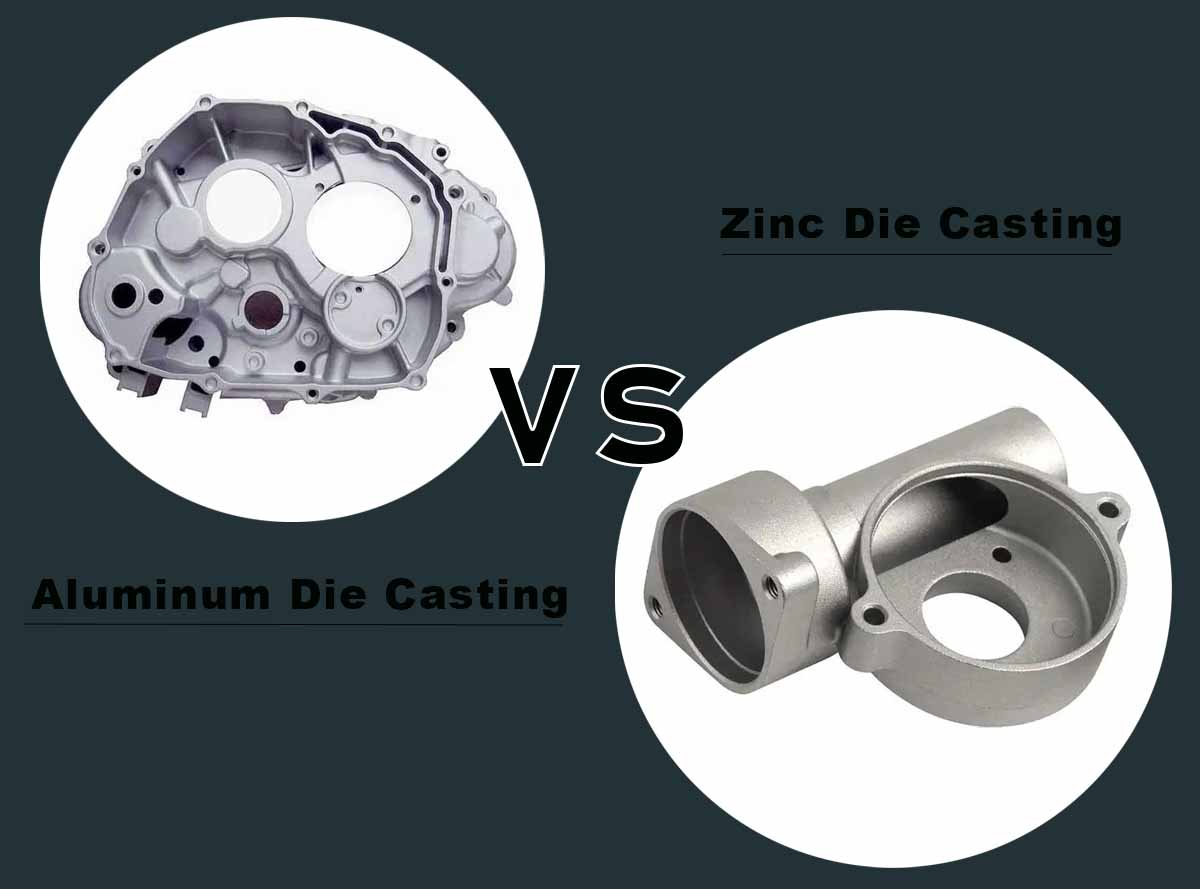
Difference between aluminum die casting and extruded involves material selection, tooling design, manufacturing processes, dimensional tolerance requirements, production volume, and secondary machining operations. These two widely used metal manufacturing processes serve numerous industries, including automotive, electronics, telecommunications, IoT and 5G equipment, aerospace, and marine applications. Each process offers unique advantages depending on part geometry, mechanical performance requirements, production quantity, and cost considerations.
What is Aluminum Die Casting ?
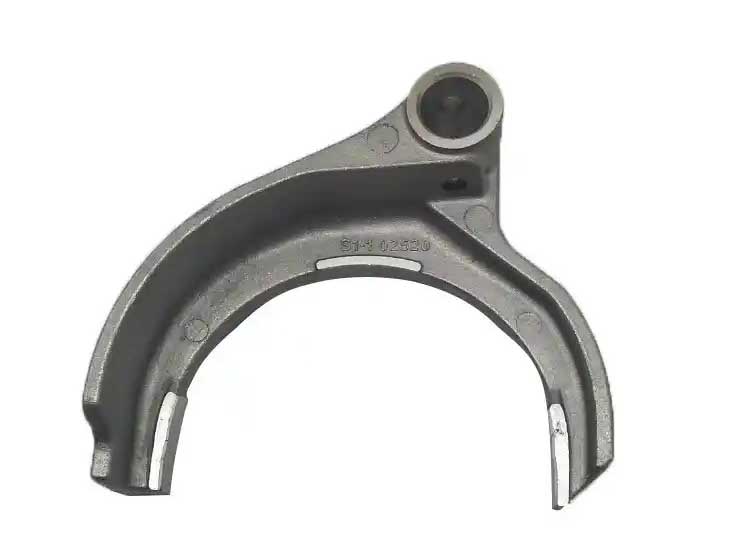
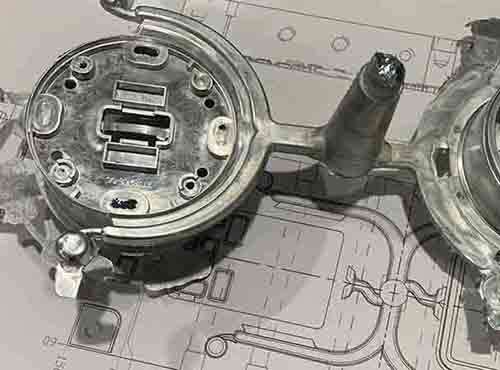
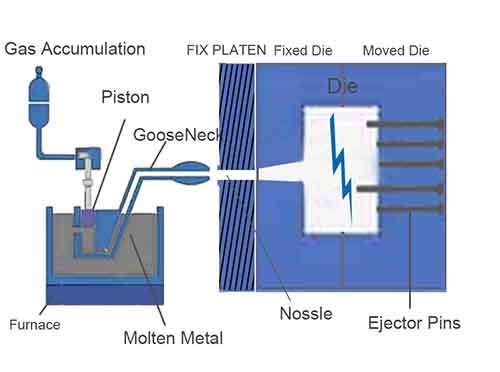
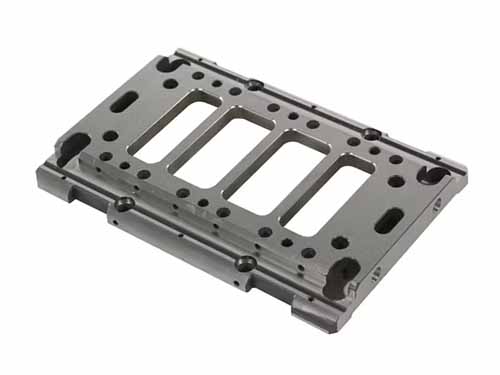
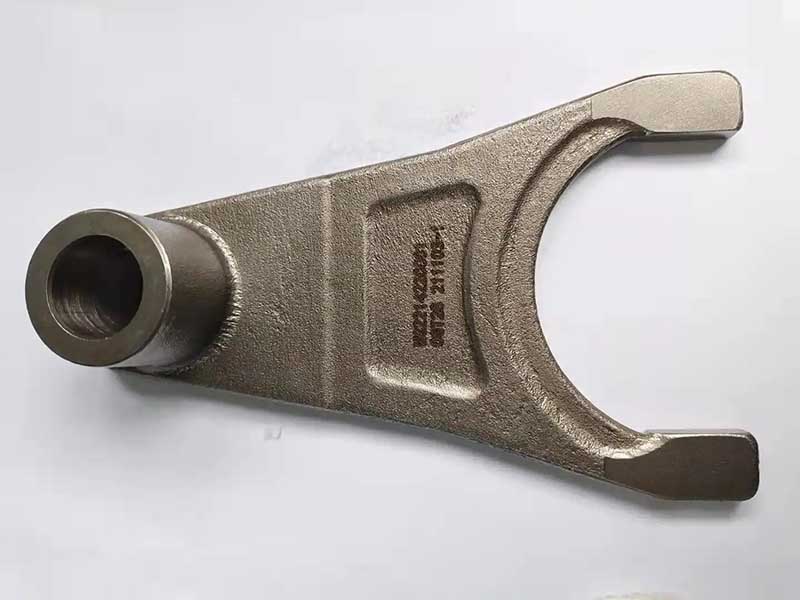
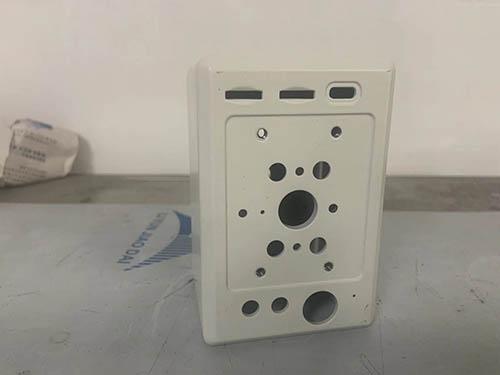
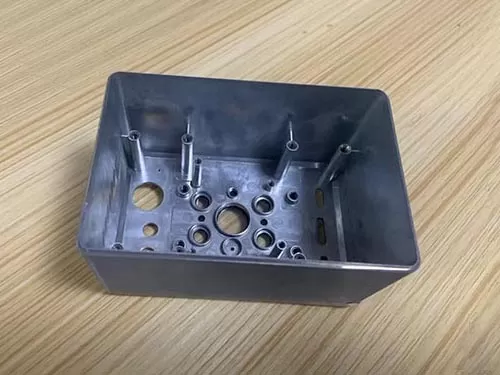
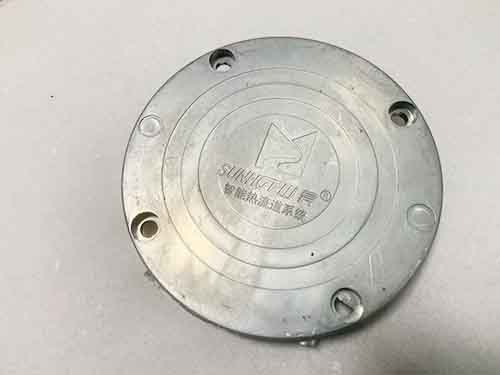
Aluminum die casting is a manufacturing process in which molten aluminum alloy is injected into a precision steel mold (die) under high pressure. The molten metal rapidly fills the die cavity, cools, and solidifies to form a near-net-shape component with excellent dimensional accuracy, smooth surface finish, and complex geometries.
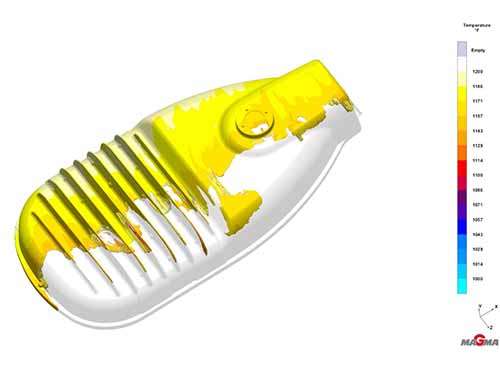
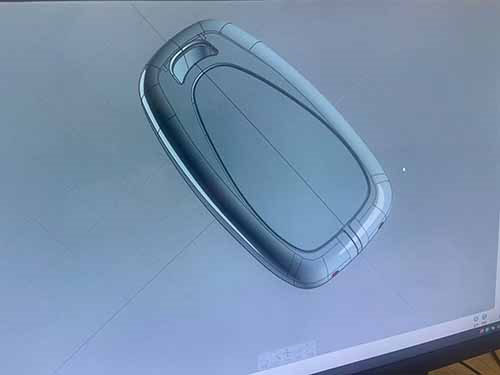
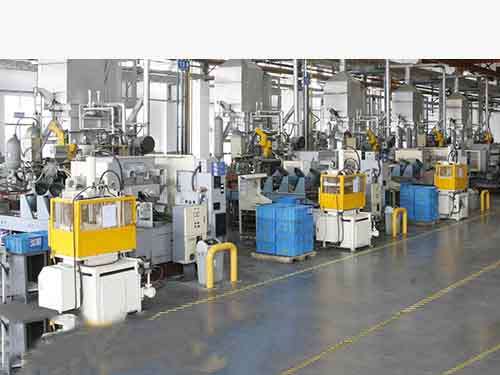
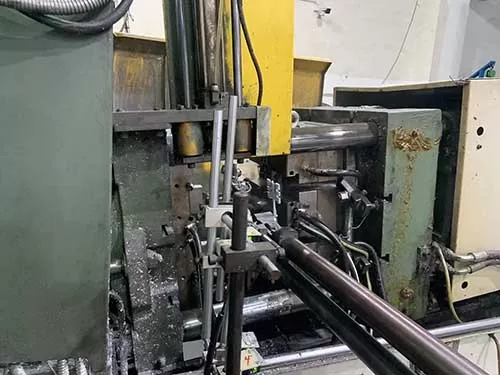
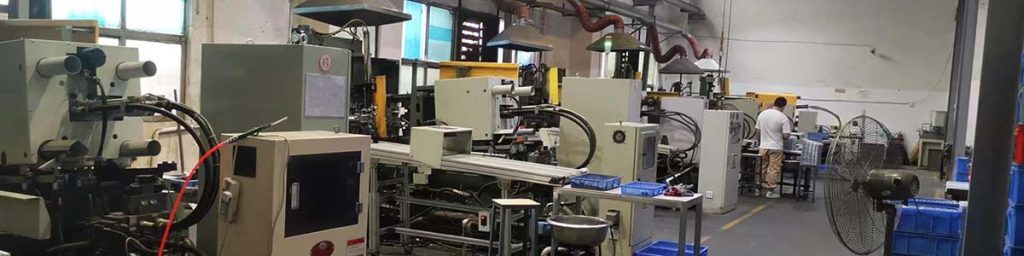
The process is widely used for high-volume production of lightweight and durable metal parts in the automotive, electronics, telecommunications, aerospace, and industrial equipment sectors. Engineers require design 3d model of product, conduct mold flow simulation to evaluate molten metal filling, solidification, and potential defect risks. Optimize the die cavity design, gating system, overflow wells, and venting channels to ensure stable metal flow and minimize porosity, shrinkage, and air entrapment. Based on the optimized design, high-performance die drawings are developed. Controlling die casting parameter, and use advanced cold chamber die casting machines to produce high-precision aluminum castings efficiently and consistently for high-volume manufacturing.
What is Aluminum Extruded ?
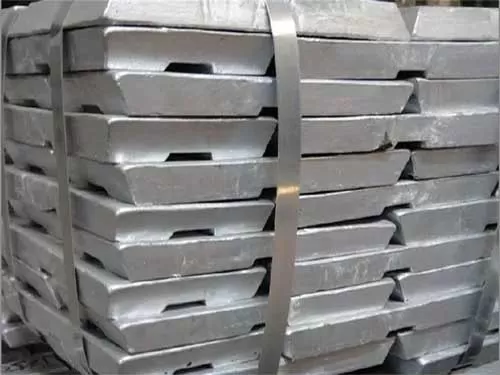
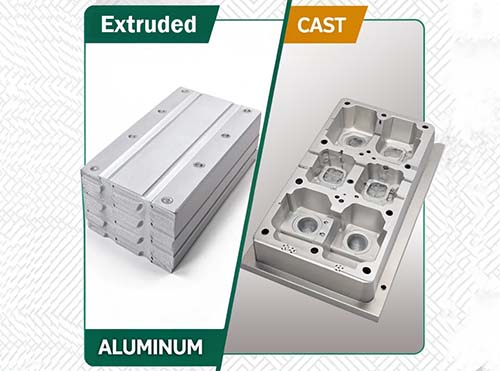
Aluminum Extruded is an aluminum product manufactured by forcing a heated aluminum billet through a specially designed steel die to create a continuous profile with a uniform cross-section. The extrusion process enables the production of lightweight, strong, and corrosion-resistant components in a wide variety of shapes and sizes.
The aluminum extrusion process utilizes a long, continuous production flow in which a heated aluminum billet is forced through a specially designed steel die under high pressure. The extrusion die forms the aluminum into a specific cross-sectional geometry, producing lightweight profiles with consistent dimensions along their entire length. This manufacturing method is ideal for creating small- to medium-sized cross-sections with long, linear shapes such as rails, frames, channels, tubes, and structural members.
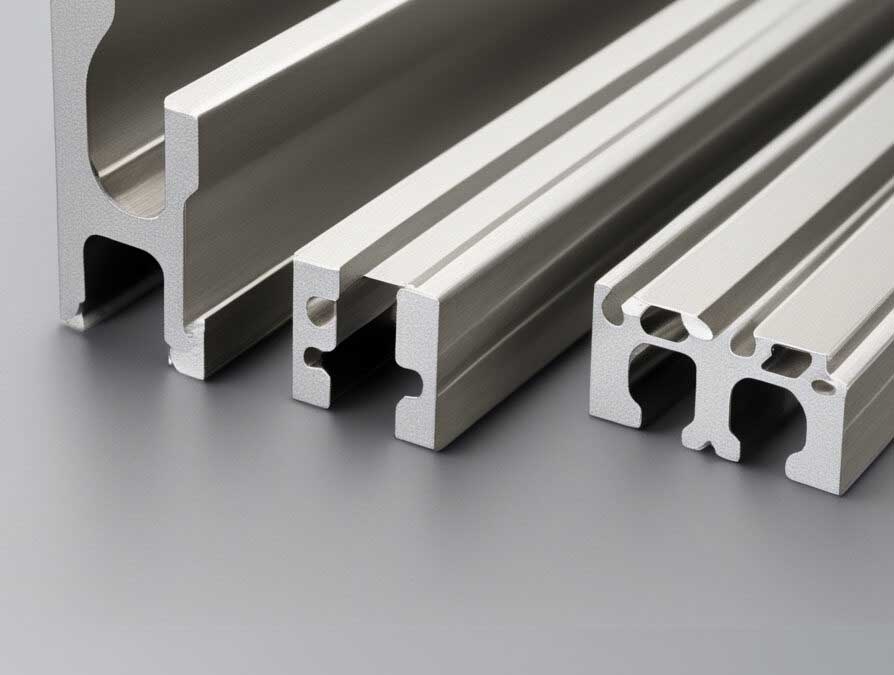
Difference Between Aluminum Die Casting And Extruded
From the below several aspects, we are known that these two types of aluminum alloy material are significant differences in manufacturing process methods. In feature aluminum die casting is different from extruded .
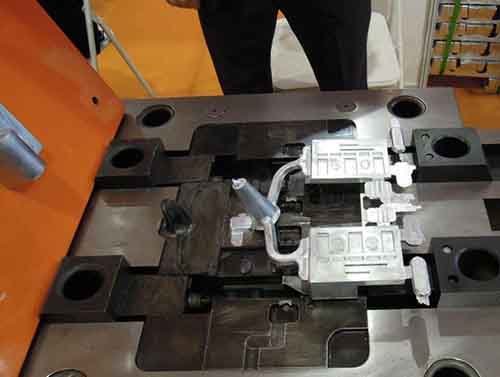
Aluminum Die Cast
- Process Character: Molten aluminum injected into a steel mold under high pressure. Allows any sized cast parts.
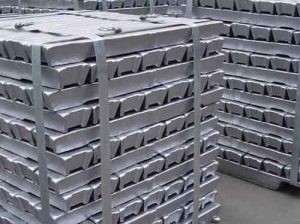
- Material Properties: Good corrosion resistance, superior heat dissipation, common alloy aluminum, A380, ADC12, A413.
- Cost & Tooling : Intial High tooling cost, economical for high volume production.
- Flexiable Design And High Precision Dimension: High pecision steel die which cast intrcate structural parts with tight tolerance dimensions.
- Applications For industries: Automotive, electronic, toys and aerospace industries.
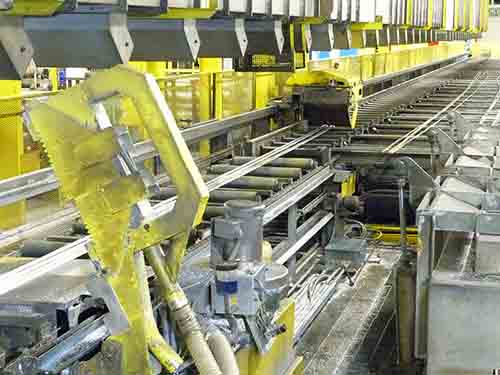
Aluminum Extruded
- Process Character: Solid aluminum billet heated and forced through a die. Extrude some regular rails, frames and simple bodies. Loose tolerance dimension.
- Material Properties: High ductility, strong corrosion resistance. Common aluminum, 6061, 6063, 7075.
- Cost & Tooling: Low die cost, but more post-process is neccessary. Post-process cost is higher.
- Longer production lines: These regular rails are stamped and ducted by heavy industrial equipment, and form some long-dimension large size parts.
- Applications for Industries: Automotive, Decorative panel and trimming, Window and door frame.
| Aspects | Die Cast Aluminum | Extruded Aluminum |
|---|---|---|
| Manufacturing Process | molten aluminum injected into a mold under high pressure. Suitable for high-volume production, and small-to-medium parts | heated solid aluminum extended through a die to form long shapes. Ideal for linear profiles, such as rods, tubes, channels. |
| Strength & Durability | Micro-porosity, reduces strength. Often heat-treated for better properties. | Stronger due to work hardening during extrusion. Better structural integrity. |
| Tooling Cost & Production Efficiency | High initial tooling cost, range from $5,000–$50,000+, Economic for mass production. | Lower die costs,range from $500–$5,000 but post-processing adds expense. More cost-effective for long, uniform shapes. |
| Selection of Aluminum | ADC12, A380, A356 | 6061, 6063, 7075 |
| Surface Finish Options | As-cast, anodized and painting in common condition | Process, anodized and painting. |
| Precision Tolerancy | High Precision Process, Thin wall is acceptable. | Low tolerancy process, thick wall process. |
| Common Applications | Engine blocks,Electronic housings (laptops, phones),Automotive transmission cases,Power tool bodies,Household appliances | Aluminum frames (windows, doors),Heat sinks,Structural beams ,Pipes & tubing,Automotive rails. |
Between Aluminum Die Casting And Aluminum Extrusion, Which Is Best ?
Which manufacturing process you need is decided by your specific requirements directly. Die casting manufacturer can choose the right process approach to prorduce the part at cost-efficiency and high performance part.
When To Choose Aluminum Die Casting
Client require high precision aluminum components which is lightweight, complex structural design, intricate gemotries and further surface finish treatments.
- Lightweight aluminum components For automotive, aerospace, electronics and toys.
- Tight-tolerance dimensional and integratd structrual requirements.
- Mass production on scale at cost-efficiency
- Accept initial expensive tooling cost, because these high precision aluminum components need precision steel die to produce at high-efficiency.
- Require much secondary operations to achieve the ideal result.
- Allow specific finish treatment. Anodizing is common.
When To Choose Aluminum Extrusion
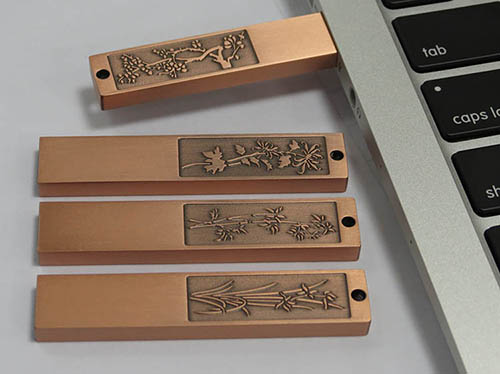
Require lightweight, long rail with different cross-sections, frame and Engraving on the surface.
- Long profiles, like long rails, frame, and strips.
- These aluminum components are used for some structural applications
- Accept Lower tooling investment, The extrusion die is simple, manufacturing fee for the die is comparable lower.
- Simple cross-sections
- Less secondary operations due to their better surface finish.
- Accept loose tolerance dimensional requirments.
Conclusion
In summary, aluminum die casting and extruded aluminum are two of the most widely used manufacturing processes for producing aluminum components. The choice of process depends on the component’s size, geometry, dimensional tolerance requirements, mechanical performance, and production volume.
Large aluminum parts with long, continuous profiles and relatively loose dimensional tolerances are often manufactured through aluminum extrusion. In contrast, High precision components that require complex geometries, tight dimensional tolerances, excellent surface finishes, and high-volume production are typically produced using precision steel dies in the aluminum die casting process.
Learn more about the differences between aluminum die casting and aluminum extrusion to help manufacturers select the most suitable production approach. Choosing the right manufacturing process enables higher product quality, improved production efficiency, lower manufacturing costs, and enhanced overall performance of aluminum components.
Common FAQ Presentation
Can extruded aluminum achieve the same tolerance as die casting?
Generally, no. Standard aluminum extrusion typically cannot achieve the same dimensional accuracy as high-quality aluminum die casting, especially for complex features, holes, bosses, and intricate geometries.
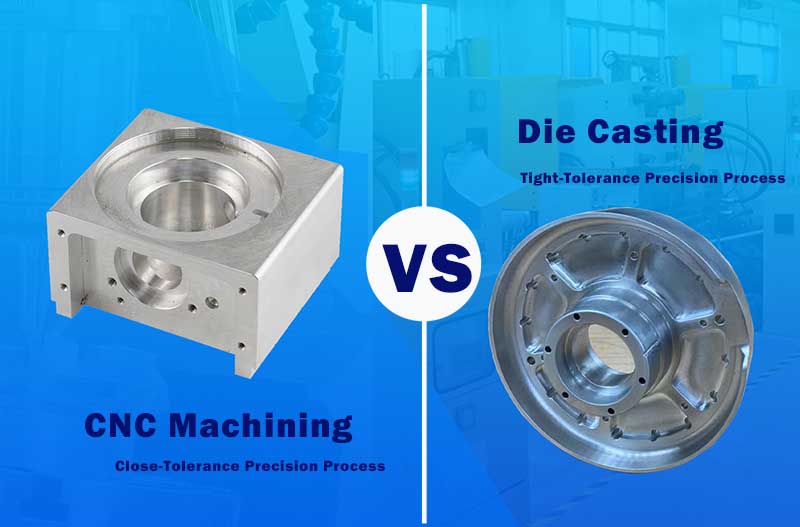
However, extruded aluminum combined with CNC machining can often achieve equal or even tighter tolerances than die casting on critical dimensions.
Which aluminum alloys are used in die casting?
In aluminum die casting, not all aluminum alloys are suitable for the process. Die casting alloys are specifically formulated to provid Excellent fluidity, high production efficiency, low shrinkage. The most commonly used aluminum die casting alloys are A380, ADC12, A383, A360, and A413.
Which process is best for automotive components?
There is no single answer because the best process depends on the component’s function, geometry, strength requirements, production volume, and cost targets. However, for most complex automotive components, aluminum die casting is usually the preferred manufacturing process, while aluminum extrusion is preferred for structural and long-profile components.