Automotive transmmision components must withstand repeated contact and friction, vibration, impact, corrosion, and dimensional changes throughout their service life. These demanding operating conditions require metal components with a balanced combination of high strength, hardness, wear resistance, corrosion resistance, dimensional stability, and long-term durability.
Conventional material choices for medium-sized transmission castings often include lightweight aluminum alloys such as A380, A356, and ADC12. However, when the component requires a combination of intricate geometry, good surface quality, wear resistance, and efficient mass production, engineers may consider ZA-12 zinc-aluminum alloy as an alternative material.
What is ZA-12 Zinc-Aluminum Alloy ?
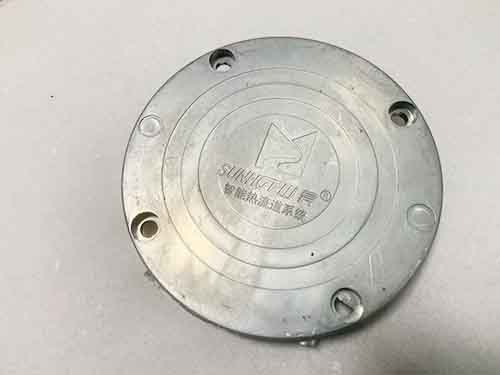
ZA-12 belongs to the zinc-aluminum alloy family, and contains approximately 12% aluminum, combines higher strength and hardness, corrosion resistance, excellent surface quality with high precision dimension accuracy. Through cold chamber die casting technique, high volume production of high quality automotive transmmision components will be completed by manufacturers. Its special chemical composition makes it enable responsible for some speical application for automotive zinc die casting components.
Comparison From most common Zamak 3 And ZA-12
| Property | Zamak 3 | ZA-12 |
|---|---|---|
| Aluminum (Al) | 3.5–4.3% | 10.5–11.5% |
| Copper (Cu) | ≤0.25% | 0.5–1.2% |
| Zinc (Zn) | ~95.3–96.5% | ~87.1–89% |
| Density | 6.6 g/cm³ | ~6.0 g/cm³ |
| Tensile strength | ~280–283 MPa | ~404 MPa |
| Yield strength | ~210–221 MPa | ~320 MPa |
| Elongation | ~10–11% | ~5% |
| Brinell hardness | ~82–83 HB | ~100 HB |
| Shear strength | ~210–214 MPa | ~296 MPa |
| Fatigue strength | ~48 MPa | ~117 MPa |
| Young’s modulus | ~85.5 GPa | ~83 GPa |
| Compressive yield strength | ~414 MPa | ~269 MPa |
| Thermal conductivity | ~110–113 W/m·K | ~120 W/m·K |
| Specific heat | ~410–419 J/kg·K | ~450 J/kg·K |
| Thermal expansion | ~27 µm/m·K | ~24 µm/m·K |
| Liquidus / melting completion | ~390°C | ~430°C |
| Electrical conductivity | ~27% IACS | ~28% IACS |
| Electrical conductivity by weight | ~38% IACS | ~42% IACS |
| Solidification shrinkage | ~1.2% | ~1.3% |
Higher Aluminum content and a bit high copper may have limitation of the fluidity of metal alloy, and makes it require higher melting temperature operation. But enhances its high wear resistance, strength and corrosion resistance, meanwhile, reduced weight largely. So its best process trends cold chamber die casting.
Advantages of ZA-12 Die Casting for Transmmision Components
When some transmmision components don’t require working at high temperature, but they demand the properties of high wear, corrosion resistance, load-bearing and tight-tolerance dimensional accuracy, zinc alloy can be considered and responsible for their missions. ZA-12 offers a useful combination of properties for these conditions.
Higher Strength
Higher aluminum content makes ZA-12 more higher mechanical strength than conversional zinc alloy, and significant load-bearing ability. The high strength and easily castable metal alloy will be suitable for some high strength and load-bearing precision automotive components, like transmmision components. and withstand frequent wear, sliding frictions, vibration and long operations cycles at normal temperature operation.
Higher Hardness And Wear Resistance
Copper content makes ZA-12 more wear resistant, compare with the conversional zinc alloy, and endure long time and high frequent sliding and moving operation. Although Copper content limit the fluidity of the metal alloy, these thicker wall precision automotive components will not be impacted, its higher hardness and wear resistance enhances the components durability and life time.
Good Load-bearing Capability
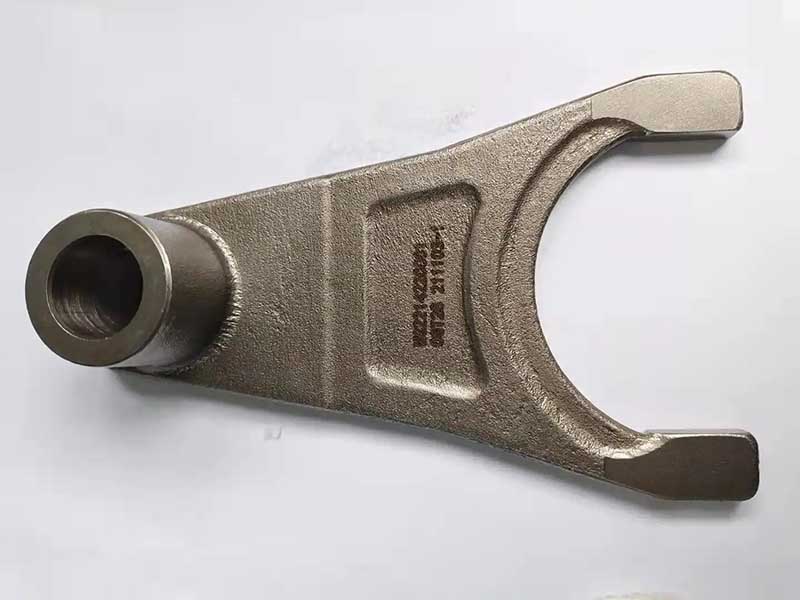
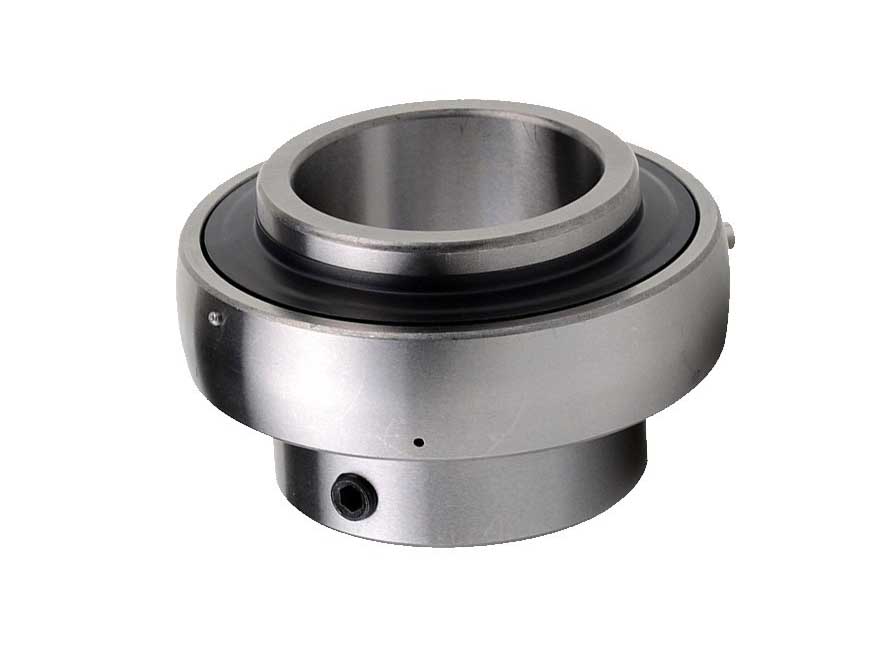
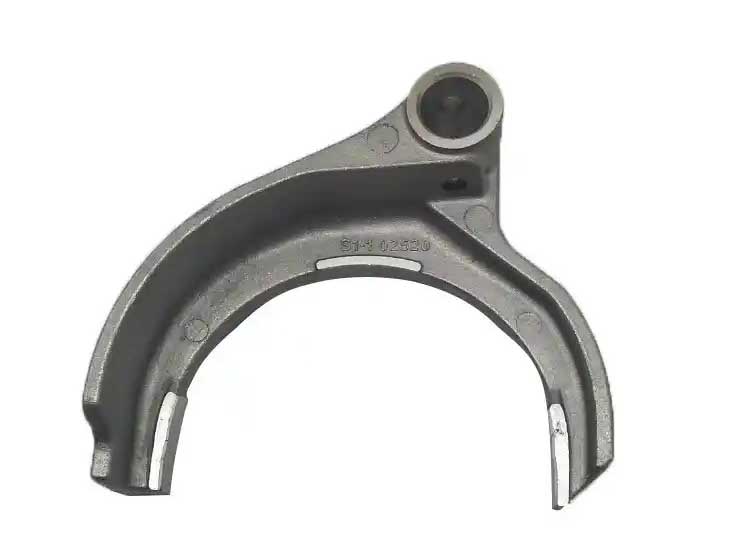
Like these long term friction contacts and load-bearing components require more load-compressure and wear resistance properties. such as sliding bearing sleeves, sliding forks and other sliding brackets for automotive transmmision mechanism. Good loading-bearing capability for them is necessary.
Easy Castability And Flexible Design
Zinc die casting design is flexible, and meet intricate geometries, tight-tolerance dimensional accuracy and fine surface finish of cast parts and consistant high quality high volume mass production. Because zinc alloys are always easily castable only different die casting approaches from both hot & cold chamber die casting.
ZA-12 can be responsible for automotive transmmision components relies on the special metal properties and functonalities and environmental applications of the specific components. The Zinc alloy is easier cast into high precision automotive cast parts than aluminum alloy and more cost-saved.
Typical Precision Accuracy Design And FAI Strategy
Load-bearing zinc alloy components in zinc die casting in automotive industry, generally require a thicker-wall design, typically above 5mm, so thin-wall filling is not the primary design challenge. For zinc alloys with relatively lower fluidity, careful component design and process control are essential to maintain high dimensional accuracy, structural integrity, and consistent mechanical performance.
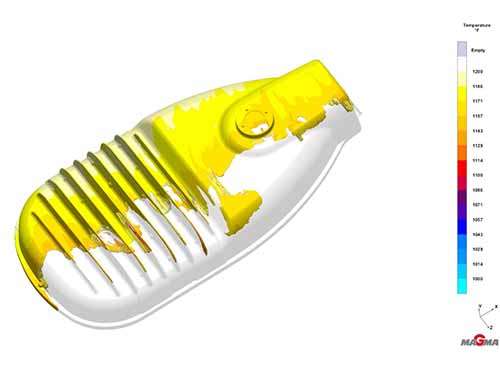
At Ts Die Casting Technology, Before tooling, mold flow simulation is used to optimize the filling process. Engineers analyze the molten-metal flow path, filling time, injection pressure, temperature distribution, gate and runner locations, and potential defects. This helps ensure that the molten zinc completely fills the die cavity within an appropriate pressure and temperature range while minimizing defects such as cold shuts, porosity, and incomplete filling.
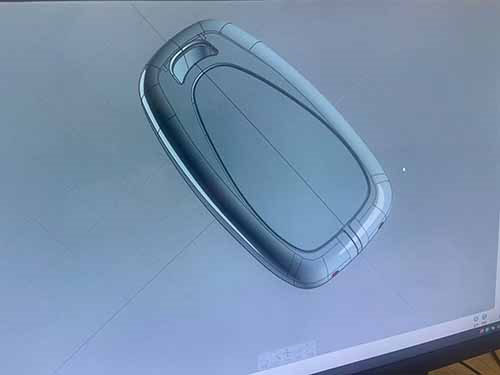
A properly optimized die casting process can also produce a smooth as-cast surface, reducing the amount of material that must be removed during subsequent machining. After casting, high-precision CNC machining is applied to critical mounting, locating, and assembly surfaces, removing only the necessary excess material and achieving the required dimensional tolerances for final assembly.
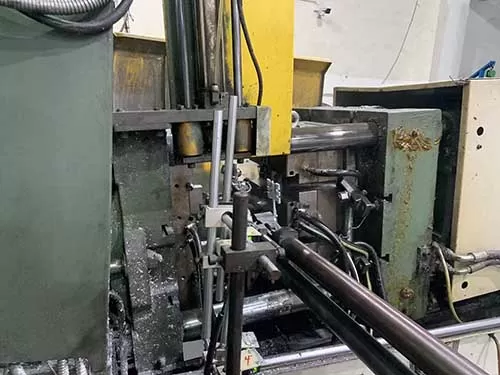
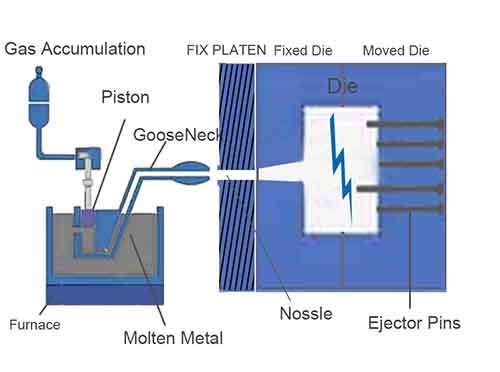
Considering of ZA-12 Melting temperature operation, engineer suggest that cold chambe die casting machine is adopted so that the process is proceed smoothly, because high aluminum content and a bit copper requires more higher temperature remain fulling mold flow into the die fully during the die casting process.
For automotive and other safety-critical applications, the entire production process follows a controlled IATF 16949 quality management system. Before mass production, the first prototype or first article is inspected against the approved engineering drawings. A First Article Inspection (FAI) process verifies critical dimensions, tolerances, material requirements, and other specified characteristics. The prototype is then delivered to the customer together with a detailed inspection report for approval before proceeding to mass production.
High Volume Prouction For Automotive Transmmision Components
High-volume vehicle production requires large quantities of high-quality, precision-cast automotive components with consistent dimensional accuracy and reliable performance. Automotive transmission components, in particular, are produced in substantial volumes and must maintain stable quality throughout long-term mass production.
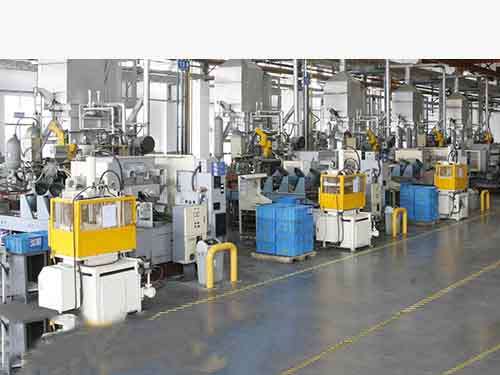
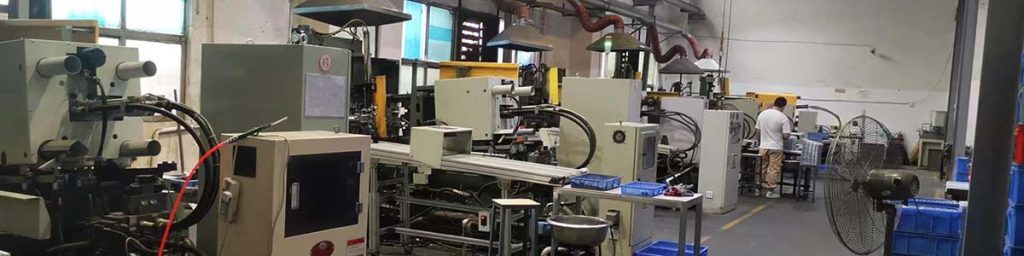
Die casting manufacturers should operate under the IATF 16949 automotive quality management system and maintain strict process control throughout the entire manufacturing workflow. The process typically covers near-net-shape die casting, trimming and deburring, surface treatment, finishing, precision CNC machining, dimensional inspection, and protective packaging.
Under cold chamber die casting technique, the high volume mass production as the below steps:
- Melting the ZA-12 Zinc-Aluminum Alloy In Separated furnace, and overflowing impurities and oxidation substance, and remain steady temperature molten metal for good preparation.
- Transfer the molten metal and ladle the molten metal into slot and force the metal flow into the die under high pressure at high temperature, about 432℃.
- The mold flow accepts uniform cooling and solidifying, and form precision dimensional cast part with fine surface finish. and eject the near net-shape part from the die, and take it by robotic hand, and convey it with the smart conveyor and labor working for trimming.
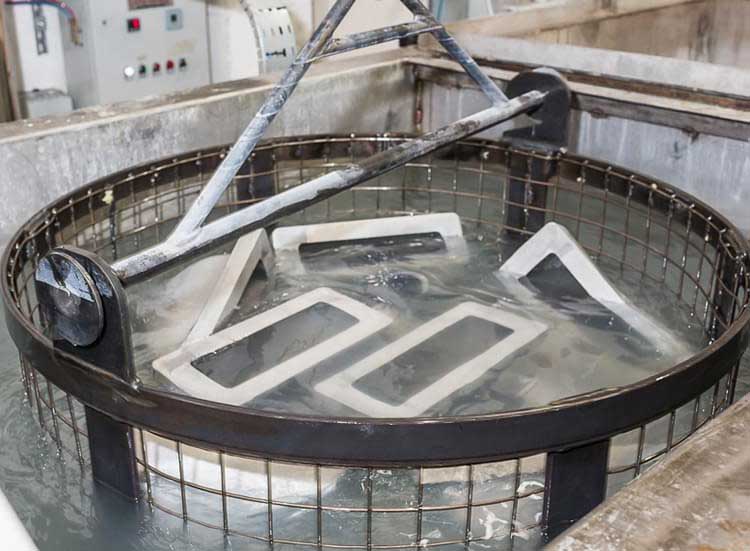
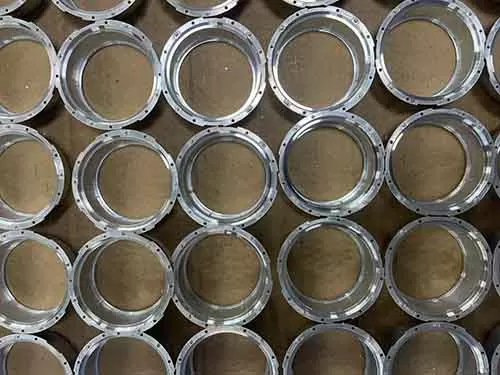
- Though precision cnc machining, process close-tight dimensional automotive components, Of course, surface roughness of machined part is great, up to the range from 0.1-1.2um, enough accept versatile finishing treatments, plating, powder-coating and chrome-conversion coating.
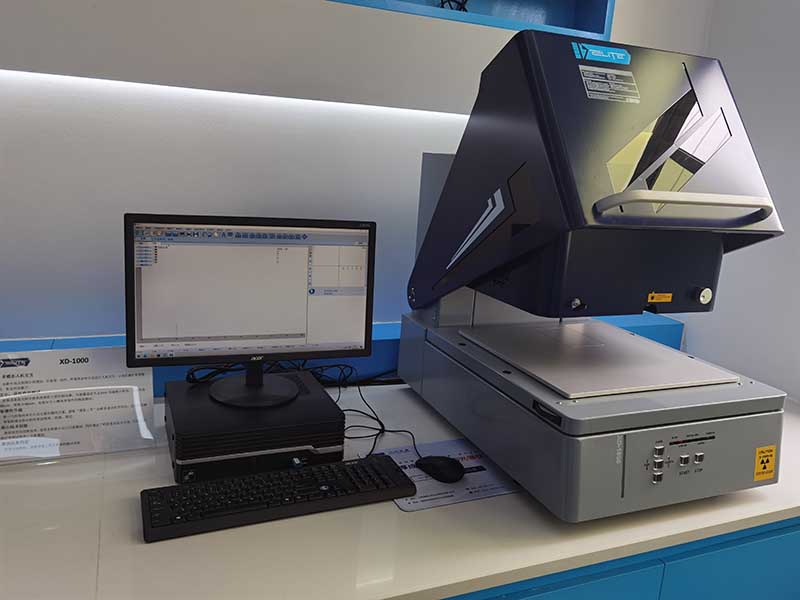
- Precision Dimensional measurement and Production Properties Testing: CMM, X-ray Detector, Height testor, micrometer and Visual Look inspection.
- Salt Spraying Time Test: Professional salt spraying time test, record the endure time and salt and acid corrosion status.
- Assembly Properites Testing: These precision automotive transmmision components should be assemblied and tested and verify the performance of the components.
- Package is a final step, depend on the transportation requirement from different way, reasonable package requirement is selected and ensure the long distance international transportation safety and preminum good status.

Die Casting Project Quote
Professional IATF 16949 die casting factory, send your CAD files to us and gain fast quotation.
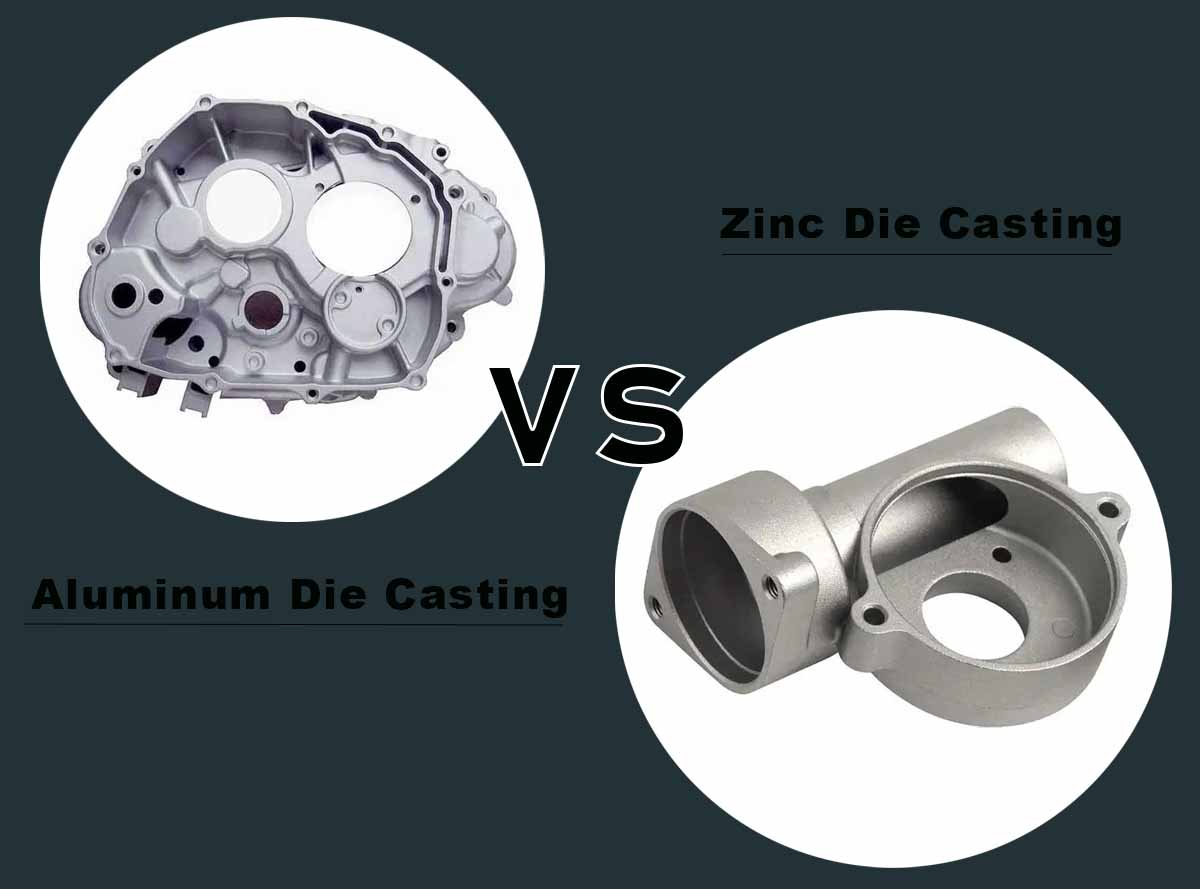
ZA-12 Zinc-Aluminum Alloy Die Casting Vs Common Castable Aluminum Alloy Die Casting
ZA-12 zinc-aluminum alloy can be considered when the automotive components require high strength and hardness, wear-resistance, intricate geometries and good as-cast surface quality and high efficiency mass production at cost-efficiency. But the zinc cast parts are used only at normal temperature. While common castable aluminum alloys, like A380, A356 and ADC12 aluminum alloys, which can be form rough as-cast part under high pressure at higher temperature, and require more secondary operations to achieve close-tight dimensional accuracy. but They can be high-temperature resistance.
| Factor | ZA-12 Zinc-Aluminum Alloy | A380 Aluminum Alloy | A356 Aluminum Alloy | ADC12 Aluminum Alloy |
|---|---|---|---|---|
| Alloy family | Zinc-Aluminum | Aluminum-Silicon | Aluminum-Silicon-Magnesium | Aluminum-Silicon-Copper |
| Aluminum content | ~12% | Balance | Balance | Balance |
| Melting range | ~377–432°C | ~538–593°C | ~~557–613°C | ~515–582°C |
| Typical casting method | Cold-chamber die casting | Cold-chamber die casting | Often gravity/low-pressure; also specialized die casting | Cold-chamber die casting |
| Density | ~6.0 g/cm³ | ~2.7 g/cm³ | ~2.68 g/cm³ | ~2.7 g/cm³ |
| Strength | High for zinc alloy | High | Good | Good |
| Hardness | High | Moderate–high | Moderate | Moderate |
| Wear resistance | Very good | Good | Good | Good |
| Thermal conductivity | Lower | High | High | High |
| Dimensional precision | Very good | Good | Good | Good |
| Thin/complex features | Excellent | Very good | Good | Very good |
| As-cast surface quality | Excellent | Good–very good | Good | Good–very good |
| Machining requirement | Often low–moderate | Moderate | Moderate–high depending on tolerance | Moderate |
| Weight advantage | Poor | Excellent | Excellent | Excellent |
| Best application focus | Precision, wear-loaded components | Lightweight structural/general components | Structural and performance castings | High-volume automotive/electronic castings |