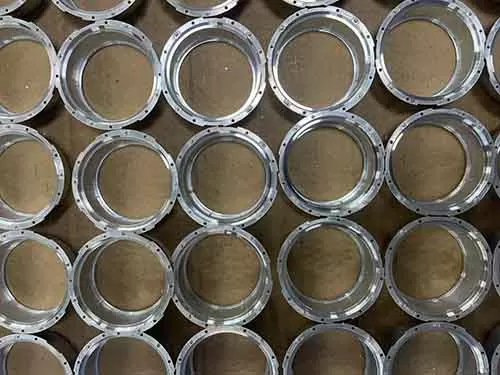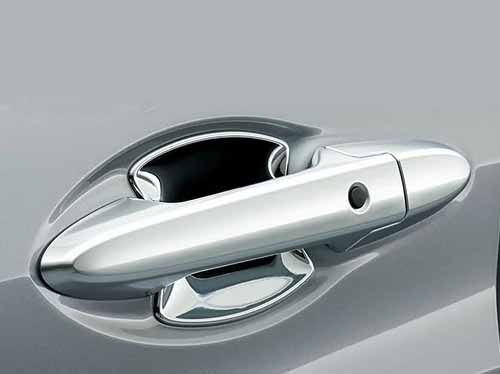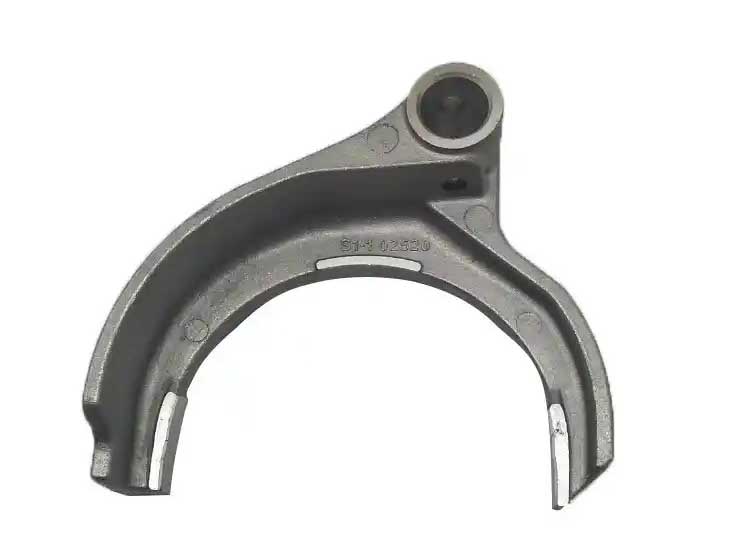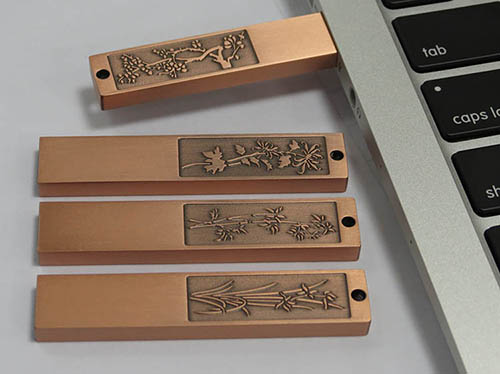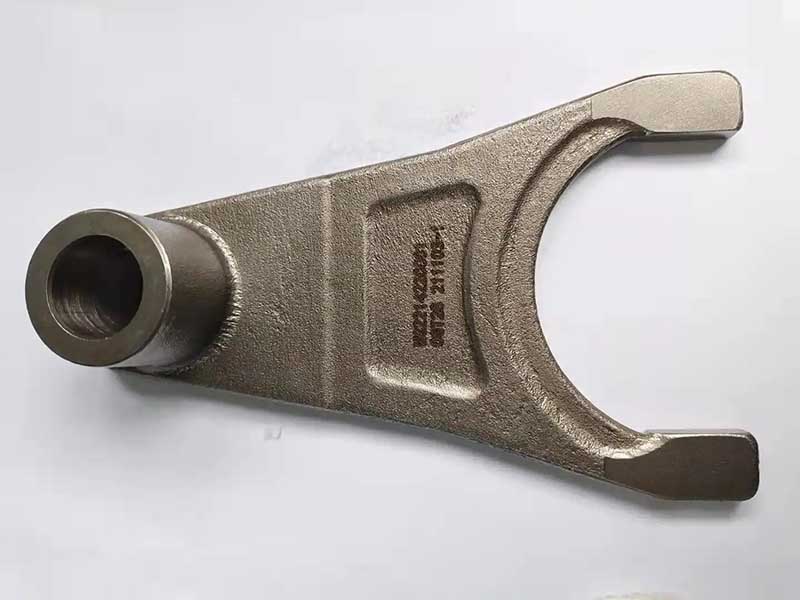
Zinc die casting mass production provides an high-efficiency solution for manufacturing high-volume metal components with stable quality, short cycle time, and competitive production costs. Compared with other metal die casting processes, zinc die casting offers excellent material utilization, outstanding dimensional accuracy, superior surface finish, and long tooling life, making it an ideal choice for precision miniature metal components.
Due to these advantages, zinc die casting has been widely adopted across various industries, including automotive components, consumer electronics, communication equipment, medical devices, and decorative hardware.
With the rapid development of Industry 4.0, automation, and AI-driven manufacturing technologies, zinc die casting mass production is facing higher requirements for dimensional accuracy stability, freedom geometry design, production efficiency, quality consistency, and intelligent factory management. Advanced solutions such as automated die casting machines, robotic handling systems, SPC monitoring, and real-time production data analysis are becoming increasingly important for achieving reliable high-volume manufacturing.
The article explains the advantages of zinc die casting mass production , and how manufacturer can implement high-efficiency zinc die casting mass production, and how to perform high effective quality control in process, tooling regular repair and maintenance, ensure high quality consistent qualified zinc die casting component output on scale. Finally,the article also explains export-standard packaging, traceability, and on-time delivery to ensure that finished components are protected during transportation and delivered according to the customer’s production schedule.
What Is Zinc Die Casting Mass Production ?
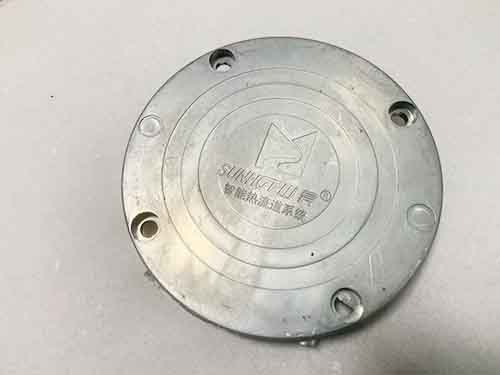
Zinc die casting mass production is a high-volume manufacturing that producing thousands or millions of zinc alloy die casting components with stable dimensions, excellent surface finish and consistent quality through injecting molten metal into single and multi-cavities of the die under high pressure. The process remains fast casting cycle, lower heat energy consumption and minimal secondary operations, lead to a competitive unit costs. Because zinc alloy commonly belongs to low melting points metal, zinc die casting mass production works at lower melting temperature.
Advantages of Zinc Die Casting Mass Production
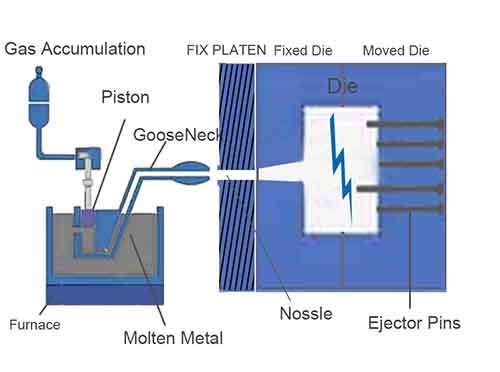
Zinc die casting mass production works at lower melting temperature, the hot chamber die casting machines can create tight-tolerance dimensitional miniature cast parts with fine surface finish within shorter time, complete fast casting cycle. Its advantage iss outstanding, compare to the other castable alloy metals.
- Lower Production Cost for High Volume Parts
- Fast Casting Cycle And High Production Efficiency
- Longer Tooling Life
- Consistent Quality and Repeatability
- Complex Geometry Manufacturing
- Supperior Surface Finish Capability
- Less Defects
The advantages of zinc die casting mass production meet high-efficiency high-volume production at low cost. Especially for miniature precision cast parts at high-volume production, it provide steady high quality cast parts with precision dimension stability, intricate geometries, thin-walled and fine surface quality repeatedly.
High-Efficiency Zinc Die Casting Mass Production Capability
Firstly Requires High Precision And Long Life Steel Tooling
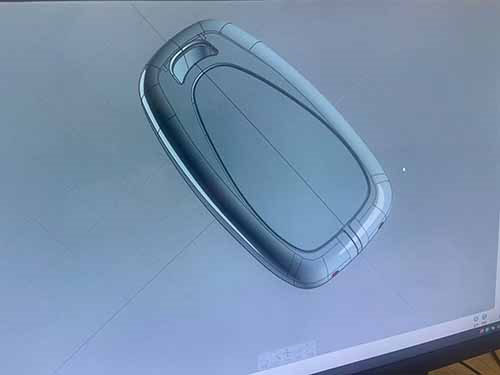
High-efficiency zinc die casting production contains die cast die design and high precision manufaturing and high efficiency mass production. How to design high performance mold drawing and handle consistent high quality zinc die casting mass production output ? The precision zinc die casting manufacturer implements perfect custom zinc die casting design guide that follows international quality management regulations strictly.
Numerical Control System Operation
Mass high precision production requires consistent high quality die casting part output because high-volume production ensures every casting part to maintain consistent dimensions, mechanical properties, surface quality and assembly performance throughout the entire production cycle. Manufacturer needs investing advanced technologies, advanced mass production equipment and high precision inspection instruments and a few labors, makes automated zinc die casting production will completely meet your specific requirement. This can include:
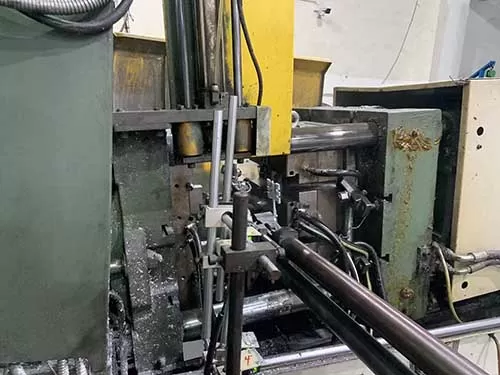
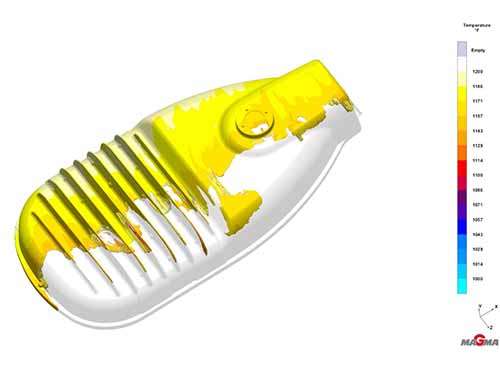
At lower temperature, zinc die casting can create precision as-cast part with tigh-tolerance dimension and high strength in short time. The process is controlled by digital technique, which controls the cast cycle time delicately. It includes the molten metal filling time, the cavity of the die temperature, cooling time and opening mold time. The die casting machines can work within the set time repetitively and finish high effective mass production at high volume.
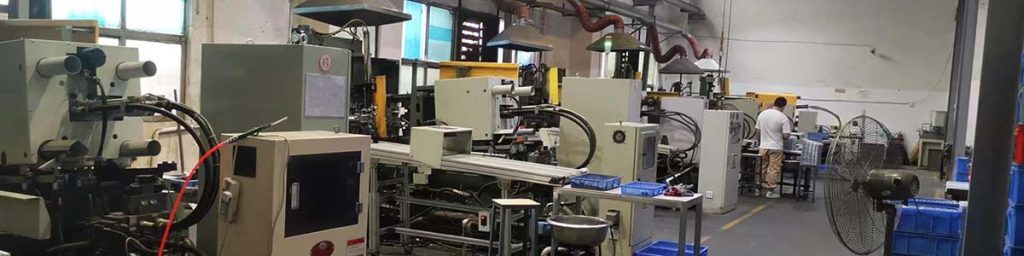
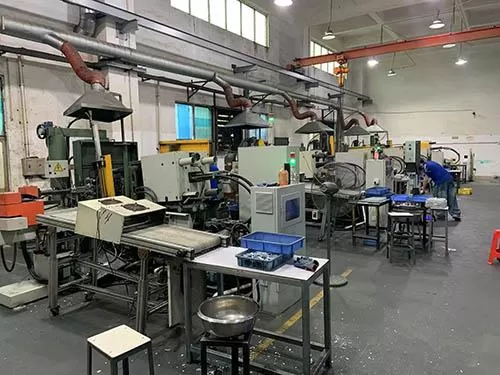
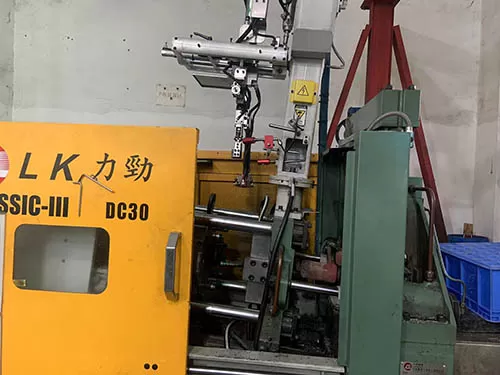
Automation Production Line
Automated robotic handling and conveyor systems transport as-cast components directly from the die casting machine through deburring, quality inspection, and packaging processes without interruption. This streamlined production flow enhances workplace safety, eliminates manual handling of hot castings, reduces human error and rework, and significantly improves manufacturing efficiency and delivery performance.
| Machine Name | Brand | Equipped with Robot hand | Machine Type (Tons) | Qty (set) |
| Cold chamber die casting machine | LiJin Brand | Yes | 200 tons | 2 |
| Cold chamber die casting machine | LiJin Brand | Yes | 320 tons | 2 |
| Cold chamber die casting machine | LiJin Brand | Yes | 400 tons | 1 |
| Cold chamber die casting machine | LiJin Brand | Yes | 500 tons | 1 |
| Hot chamber die casting machine | LiJin Brand | Yes | 50 tons | 2 |
| hot chamber die casting machine | LiJin Brand | Yes | 80 tons | 2 |
| Hot chamber die casting machine | LiJin Brand | Yes | 88 tons | 2 |
| Hot chamber die casting machine | LinJin Brand | Yes | 160 tons | 1 |
Robotic Hands
Automated robotic arms are controlled by advanced computer numerical control (CNC) and intelligent automation systems, enabling them to accurately and consistently remove cast parts from the die immediately after each casting cycle. Compared with traditional manual operations, robotic handling significantly improves positioning accuracy, production stability, and workplace safety.
Regular Tooling Repair And Maintenance
Regular tooling repair and maintenance was addressed after the tooling passed a busy production, Mold technicians inspect the die for signs of wear, damage, flash buildup, and other potential issues. includes cleaning the die surface, removing debris and zinc residues from the core and cavity, checking critical forming surfaces, and applying the appropriate lubricant to moving and sliding components. and ensure the tooling remain an extended life time, remain stable, consistent output of high-quality zinc die casting parts.
Spectrum Inspection Instrument
Some custom zinc die casting services demand ultra-precision dimensional tolerances of up to ±0.05 mm and high surface roughness level. To ensure dimensional accuracy and reliable assembly performance, At Ts die casting technology, use Coordinate Measuring Machines (CMMs) for comprehensive quality inspection. CMM measurement verifies critical dimensions, geometric tolerances, and part consistency, helping deliver high-precision zinc die cast components that meet stringent customer specifications.
Perfect Secondary Operations
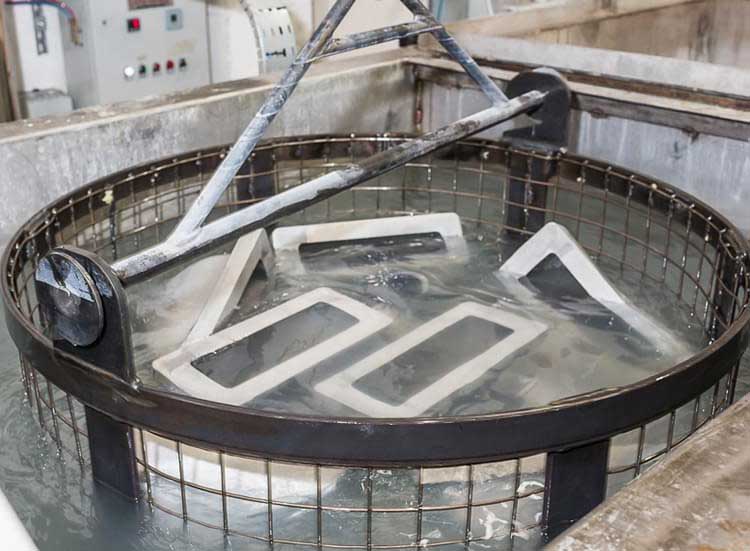
As zinc die casting parts require various post-processing operations to treat their surface issues, die casting company generally employs some post-processing equipment and deburring machines. Like surface roughness requirement of the cast parts, when chrome-plating is needed, their surface roughness is up to the range from 0.1-0.8um, while powder-coating and painting, the demand is the range from 1.6-3.2um. Various sand blasterings, abrasive processings, polishings may be used. Zinc die casting parts need more wear resistance, high corrosion resistance and moisture proof, They should be treated with using the effective approaches, such as chrome-plating, nickel-plating, electrophoresis, powder-coating and painting.
Safety Package And High-Effective Storage
These finished zinc die casting goods require preventing scratching and damaging the surface each other and moisture at rain weather environments, safety package is necessary. people often select eco-friendly plastic blister trays and wrapping the soft paper around the finished cast part. Additionally, desiccant may be taken with these zinc alloy die casting components together. At last, with exported standard paper cartons or wood crates and store them in dry place.

Quote
Zinc Die Casting Supplier Provides One-Stop Service, Submit Your CAD File to Us, Click Here !
Process Control During Zinc Die Casting Mass Production
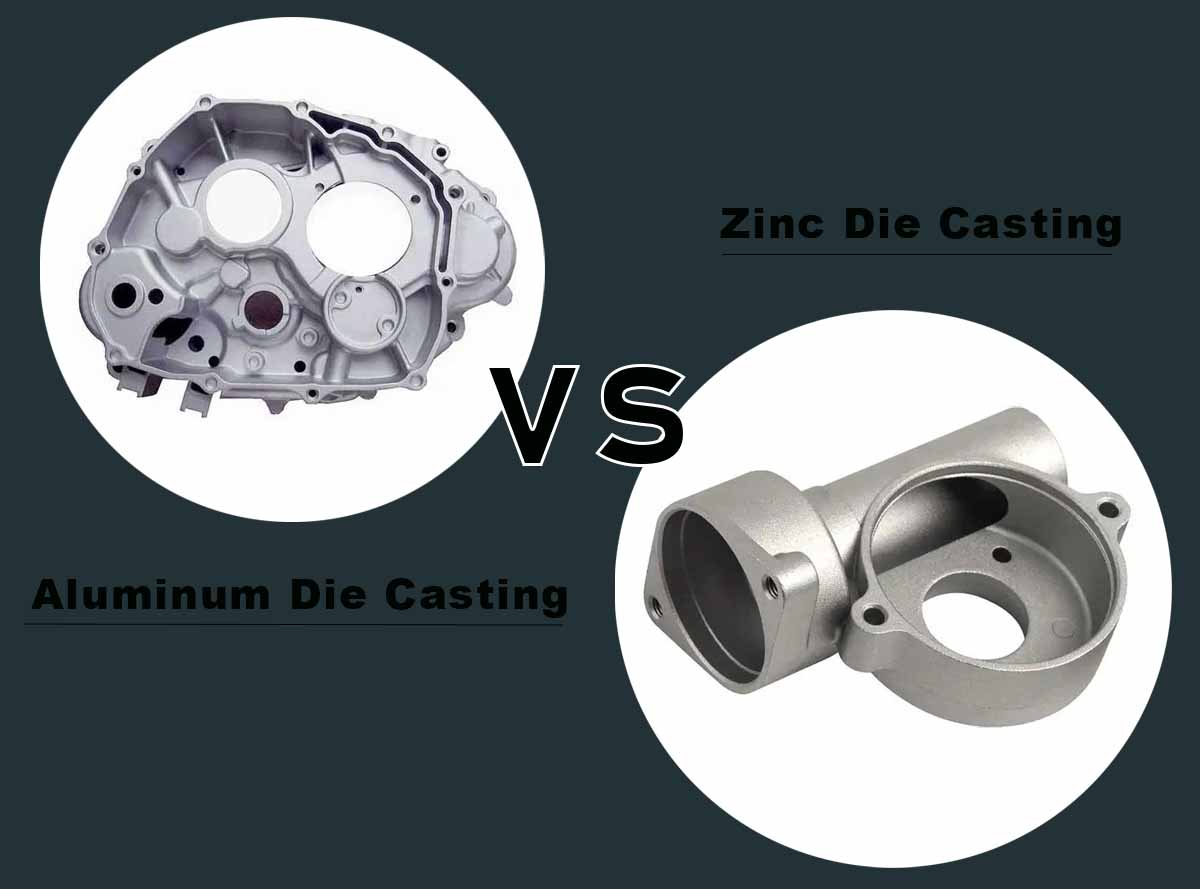
Dimensional accuracy control not only requires the precision accuracy of the steel die, but only delicate handle die casting operation parameters, including speed, pressure, molten metal temperature, die temperature, and cycle time. The hot chamber zinc die casing vs cold aluminum die casting, finishing precision casting process at low melting temperature.
Mold Temperature Control Ensures Stable Cavity Filling And Dimensional Accuracy
During zinc die casting mass production, the die repeatedly contacts molten zinc alloy at approximately 380–430°C. Handling proper temperature control, steady temperature cast die ensure precision dimensional accuracy and stable cavity filling.
Typical zinc die casting mold temperature parameters:
| Parameter | Typical Range |
|---|---|
| Zinc alloy melting temperature | 380–430°C |
| Die preheating temperature | 150–220°C |
| Normal die working temperature | 180–250°C |
| Cooling channel temperature control | ±5°C stability |
| Mold temperature variation during production | Usually controlled within 5–10°C |
Injection Parameter Control Maintains Repeatable Casting Quality
Handling metal molten temperature and adjustment of injection pressure properly, make zinc die casting remain stable high quality cast parts with complete filling and fine surface finish within hundreds of thousands casting cycle. avoid some common defects in zinc die casting process, such as porosity, shrinkage, misruner, excess thin flash and instable dimension.
Summarize injection parameter in zinc die casting
| Parameter | Typical Value |
|---|---|
| Injection pressure | 25–45 MPa |
| Filling speed | 30–80 m/s (depending on part design) |
| Injection cycle time | 5–30 seconds |
| Holding pressure time | 0.5–3 seconds |
| Casting tolerance | ±0.02–0.1 mm for precision features |
SPC Quality Monitoring Controls Mass Production Variation
Statistical Process Control (SPC) is a key quality management method used during zinc die casting mass production to monitor process stability, identify production variation and prevent defects before they occur. This allows engineers to maintain consistent quality throughout long production runs involving hundreds of thousands or millions of zinc alloy components.
- Casting Part Weight Monitoring:
- Critical Dimension Monitoring:
- Injection Parameter Monitoring:
- Mold Temperature Monitoring:
- Flash Thickness Monitoring:
- Material Composition Monitoring:
- Defect Rate Monitoring:
CMM Dimensional And X-ray detecting Inspection Guarantees Precision Requirements
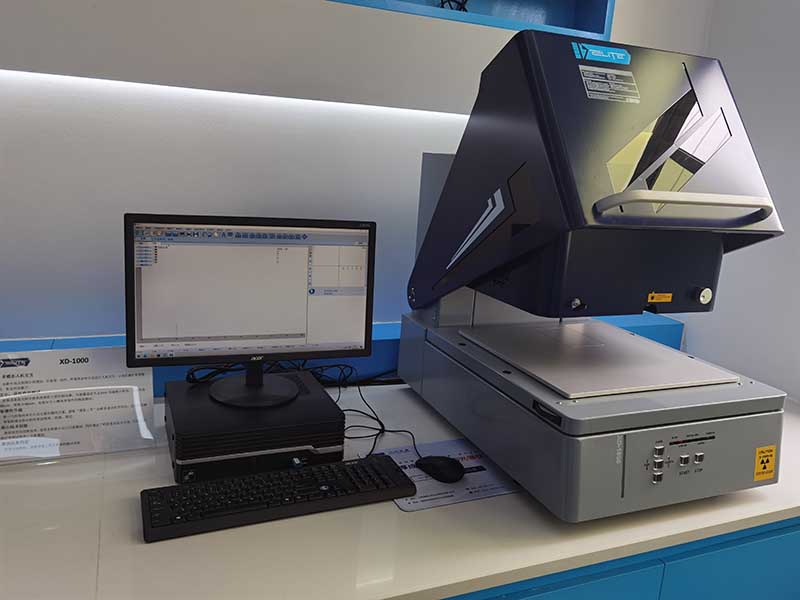
CMM provides higher accuracy for complex geometries and tight tolerance features. X-ray detector detects the structure of the cast part, and find flaw cast parts and pick them or optimize and improve mold structure, material and proper adjustment of die casting parameter, reduce the quanity of the flaw parts and remain high effective high volume zinc die casting mass production.
Typical CMM Inspection Capability
| Measurement Item | Typical Accuracy |
|---|---|
| Dimensional measurement accuracy | 0.005–0.01 mm |
| Position tolerance verification | 0.01–0.05 mm |
| Flatness measurement | 0.01–0.05 mm |
| Complex profile measurement | According to CAD model |
First Article Inspection (FAI) Validates Mass Production Readiness
Before starting zinc alloy mass production, the first article inspection confirms the right correction, high performace of mold, zinc die casting operation parameters and accuracy dimension of the first sample. The high precision inspection instrument. Gain a n aproval of mass production.
Stable zinc die casting mass production is achieved through a combination of precision tooling, controlled process parameters and continuous quality monitoring.
By controlling mold temperature within a stable range, maintaining optimized injection parameters, applying SPC statistical analysis, performing CMM dimensional verification and completing first article inspection, manufacturers can consistently produce millions of zinc alloy components with reliable quality, repeatable dimensions and reduced defect rates.
Conclusion
High-Efficiency zinc die casting mass production brings more advantages, from design and prototyping to material selection, high efficiency mass production at high volume, and post-casting operations and safety expertation package. As a professional custom die casting manufacturer, focusing on high quality,lead time and technological innovation for success in this competitive industry. By understanding the specific requirements of the custom die casting process, and continually adapting to meet client needs. This will make us become a trusted partner in delivering high-quality, precision-engineered components and custom service project.
Common FAQ For Audiance
1. What are the advantages of zinc die casting mass production?
Zinc die casting mass production ensures consistent qulified zinc alloy die casting components with high efficiency, stable quality, and competitive costs output. By combining durable tooling, automated hot chamber die casting technology, and strict process control, manufacturers can achieve reliable production for thousands or millions of parts.
2. How are dimensional consistency and production stability maintained during mass production?
Maintaining stable dimensions of zinc cast parts during mass production requires controlling the entire manufacturing process, from part design and tooling development to casting parameters and inspection systems. Dimensional consistency is critical for OEM applications such as automotive components, electronic housings, and industrial assemblies.
3. Which industries commonly use custom zinc die casting parts?
Custom zinc die casting parts are widely used in industries such as automotive, electronics, telecommunications, industrial equipment, medical devices, consumer products, and smart hardware. Typical applications include connector housings, lock components, brackets, gears, heat sinks, decorative parts, and precision mechanical assemblies.
4. What services are included in custom zinc die casting project ?
A custom zinc die casting project is a complete manufacturing solution that covers engineering design, tooling, production, finishing, quality control, and global delivery. Depending on customer requirements, die casting factory will follow custom intention and requirement to take action.