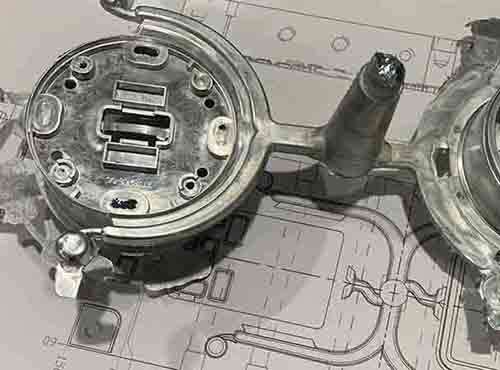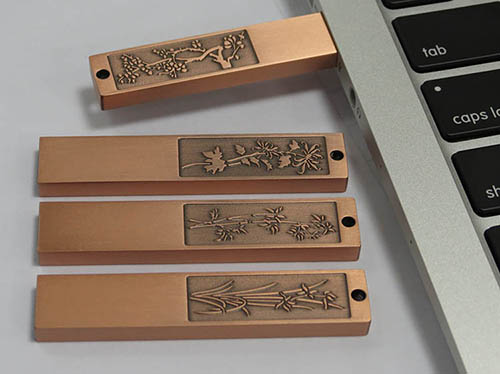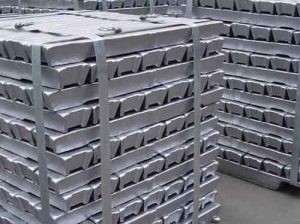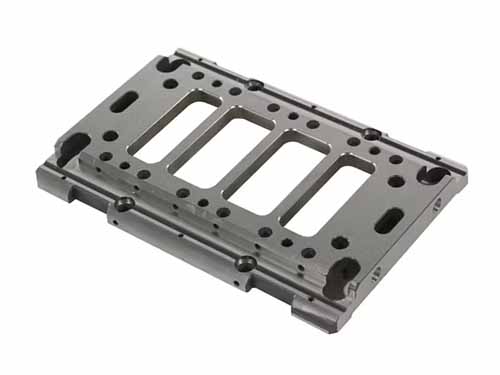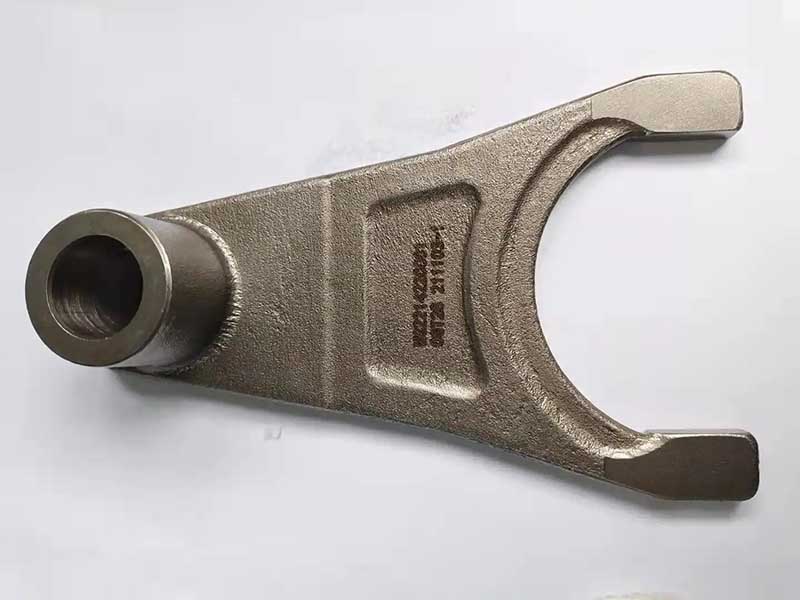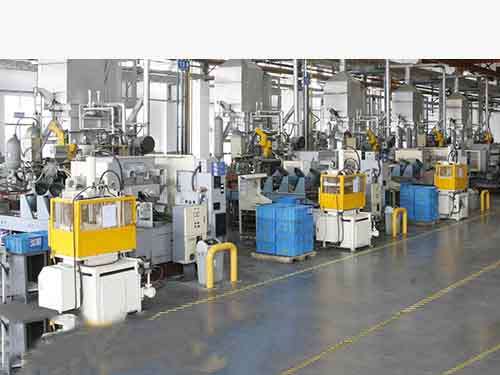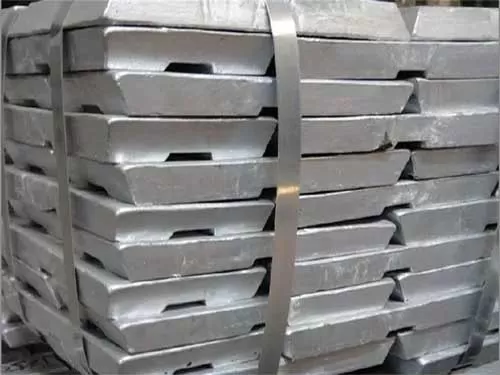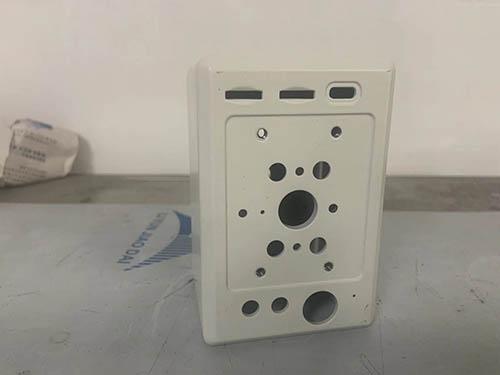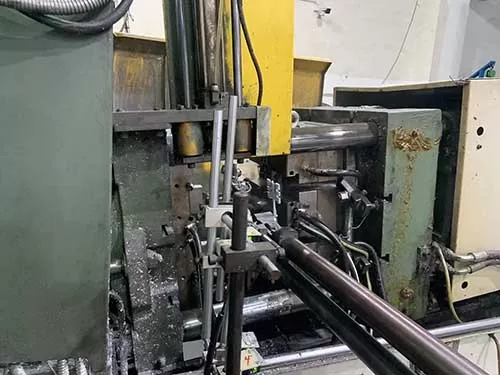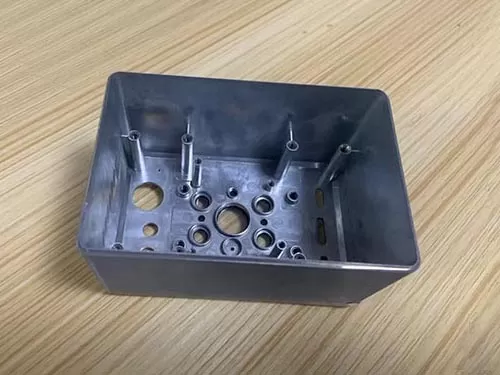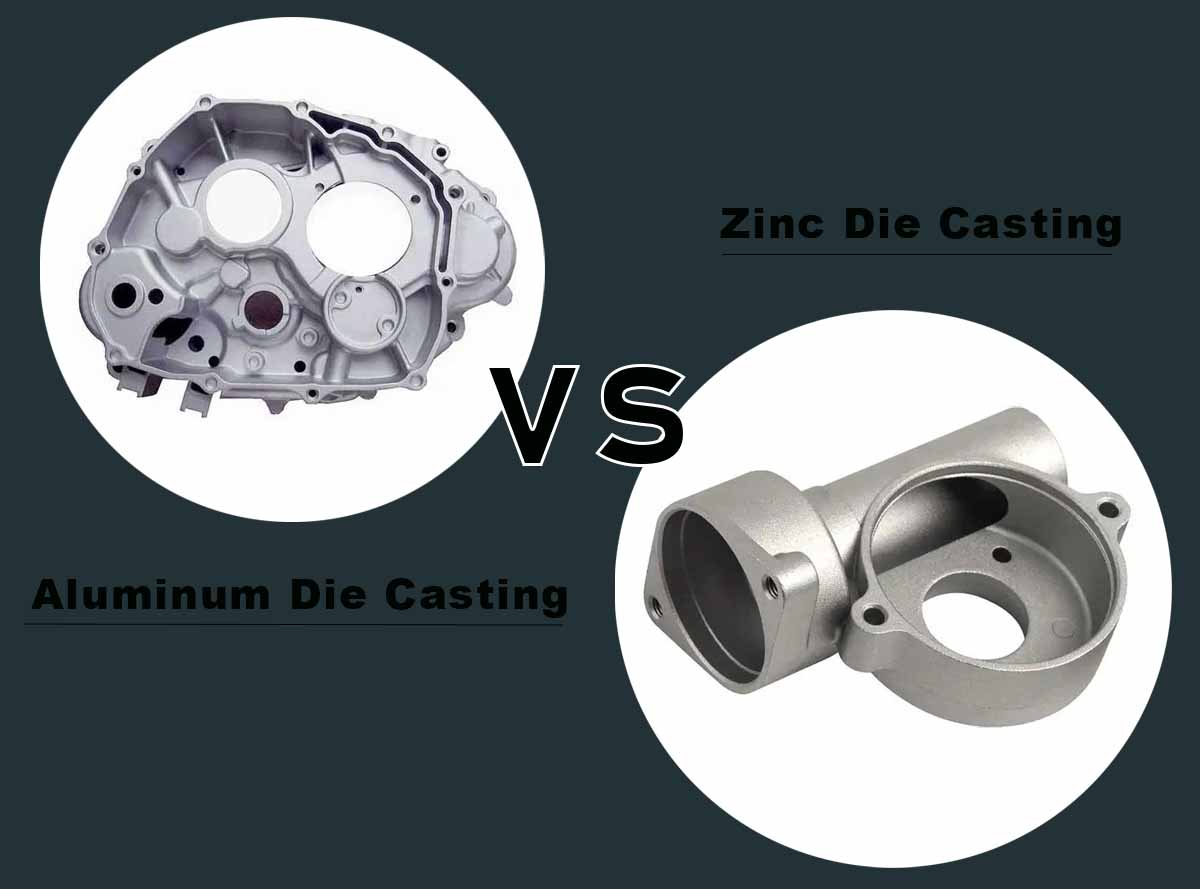
Aluminum die casting is used in many industries because aluminum is so far weightlight, superious ductility and fast heat dissipation and good mechanical properties. Die casting manufacturer uses the aluminum alloy to cast various aluminum cast parts across many industries. Its pros are supperious conductivity and far light weight, cons are porosity surface and require additional striking zin coating, and allow some luxurious surface finishings.
What Is Aluminum Die Casting ?
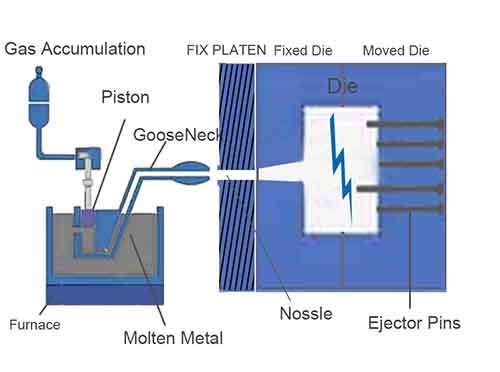
Aluminum Die Casting is one type of common manufacturing process. Injecting the molten aluminum alloys into the preheated steel die under high pressure. Then cool the steel die, and make the molten aluminum alloys solidify within the die,then the die is opened, the shaped aluminum part is ejected out from the die. Aluminum allloys melting points are higher, so the process cast cycle is longer than zinc die casting process, which is cooling the lower melting point molten metal.
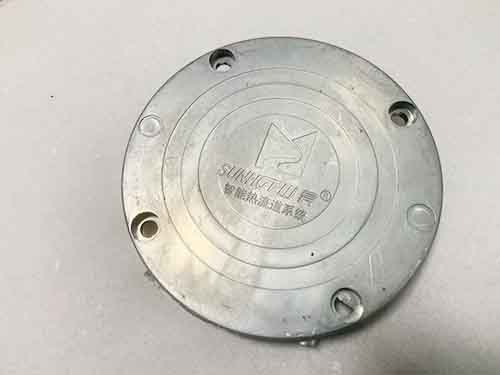
The Features OF Aluminum Die Casting
- High Precision & Complexity For Miniature Cast Parts
- Far Lighter Weight And Strong strength
- Superious Corrosion Resistance & Thermal Conductivity
- Porosity Surface Finish
- Good ductility and poor wear-resistance.
- Suitable for cold chamber die casting
Common Aluminum Alloys Used
| Aluminum Alloy | Features |
|---|---|
| ADC12 (A383) | Popular for its excellent castability and mechanical properties. |
| A380 | Offers good strength, thermal conductivity, and corrosion resistance. |
| A360 | Known for high corrosion resistance and pressure tightness. |
| AlSi10Mg | Used in automotive and aerospace for its strength and lightweight properties. |
Applications
- Automotive
- Electrics
- Consumer Goods
- Aerospace and Aircraft
- Communication And Internet
- Mechanical components For Industrial Machine
- Construction And Decorative Goods
- Mechanical Toys Components
Pros And Cons Of Aluminum Die Casting
As one type of common manufacturing method in industrial process, which also has both strength and limitation on production. So pros and cons of aluminum alloy die casting listed on the follow.
Pros
The aluminum die casting pros are far light weight and high strength, strong corrosion resistant and best conductivity properties. Meanwhile the process can remain high efficiency mass production and ensure competitive cost to deliver to the client.
◆ High Efficiency Mass Production
The production process method belong to automatic steamline production, using advanced die casting machine and high precision steel casting die to process high qualiy die casting parts in high volume production. Either minimizing the material waste or saving more labor cost in the duration of aluminum alloy die casting process. and result in a high production efficiency.
◆ Dimensional Accuracy
The high precision casting die can offer accuracy dimensional cores and cavities of the die. when the molten aluminum all is injected into the die, under high pressure, the solidified aluminum die casting part generates a fine surface finish, and minimizing post-process. Also the aluminum die casting part has an excellent accurace dimensions.
◆ Far Lightweight
The aluminum alloy die casting part is very lightweight due to small density of aluminum. but it is good strength and durable. So they can be used in some specific fields, such as aerospace and aircraft, portable smart devices and homehold appliances. They are very light, and enable reduce the whole weight and easy to be moved and running well.
◆ Superious Corrosion
Superious corrosion-resistance is the character of aluminum alloy. The aluminum may be oxidated and deposited oxnodized layer on the surface of the aluminum part, and form a profer protective layer, and endure acid and solt substance and moisture and harsh environment corrosion.
◆ Complex Geometries
The casting die is made of high quality steel material and ensure the aluminum casting part accurate dimensions and fine surface finish. By cnc machining, EDM maching, grinding, polishing and more precision processes, especially the core and cavities of the die. Then forms complex geometries of the cast part.
◆ Cost-Effective for Large Volumes
After the precision casting die passed a trial process and test, the mass production for die casting parts starts. Cost-effective for large volumes is lower, automatic steamline production and advanced die casting machines can reduces average production time of each part and minimizing the waste.
◆ Best Conductivity
The aluminum material has best conductivity. They are used for heat sink, enclosure and housing for electric control module. While the alumnium part can transfer hear energy towards the air and other substance quickly and keep an appropriate temperature level. The heat dissipation of aluminum material is known for everyone, so the aluminum alloy parts have been used for this purpose, which prevents high temperature damage from mechanical part frictions and electric components generating heat energy. It can transfer the heat energy towards air and other medias quickly and reducing the risk of high temperature.
◆ Heat-Resistance
The aluminum cast part can be used in high heat environments due to the aluminum alloy is higher melting points metal. It can endure 600℃, and maintain the part property. It is suitable for some specific fields such as aerospace and automotive fields. the aluminum part is priorer than zinc die cast part, which is favor of some normal temperature environments.
Cons
The common die casting plays its cons, while disclose its some disadvantages same time. That is the process require high initial tooling cost, and making porosity suface, lack of structure stability and more heat energy consumption during the process.
◆ High Initial Tooling Cost
Producing precision alumium casting parts in term of high precision steel casting die, ensure a consistent high quality standard. The die is made of high speed steel. So skilled-well engineers should consider that spending more expenses for processing a set of high precision casting die firstly before mass production. This is high initial tooling cost.
◆ Porosity Issues
Aluminum alloy is mutil porossity metal, when molten aluminum alloy is solidified, much entraped air inside of molten alumiunm alloy need exhausted, much pin porosity generates on the surface of die casting part. To trim its further surface finish, we suggest improve the surface bond of the part by plating zin metal layer.
◆ Less Structural Stability
Aluminum ductility is better than zinc alloy, so aluminum alloys are used for large size die castings across many industries. Of course the wall of die casting part is thicker to balance the cast part integrated structural steady. The aluminum cast parts can’t endure more wear and pressure, or the part maybe deformed.
◆ Not Ideal for High-Stress Applications
Aluminum alloy , so the aluminum die casting part can’t withstand high stress applications. It may deform and damage in condition of heavy stress. These alumium parts are only very light, they are portable, and applied to the purpose of lightweight and portable. Such as toys gearing and decorative and trimming components in aerospace and automotive industries.
◆ More Heat Power Consumption
Aluminum alloys are high melting points metal, which need more heat energy to melt metal material. the aluminum die casting process also require longer time to solidify the cast part. The cold chamber die casting for aluminum alloys is much more than hot chamber die casting, which is suitable for lower melting points metal alloys.
Conclusion
Aluminum Die Casting, as a type of common manufacturing process in modern iudustrial production, it is precision and care process. and has both strength and limitation on production. Its pros are far light weight and high strength, strong corrosion resistant and best conductivity properties. Meanwhile, the process requires high initial tooling cost, and making porosity suface, lack of structure stability and more heat energy consumption during the process.