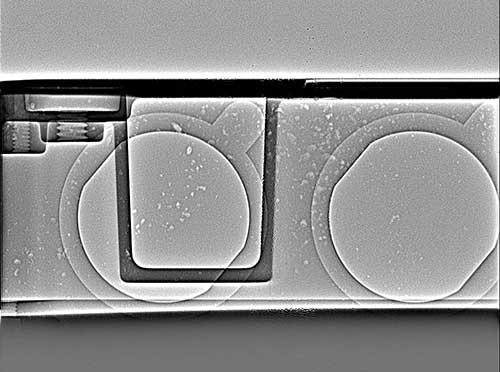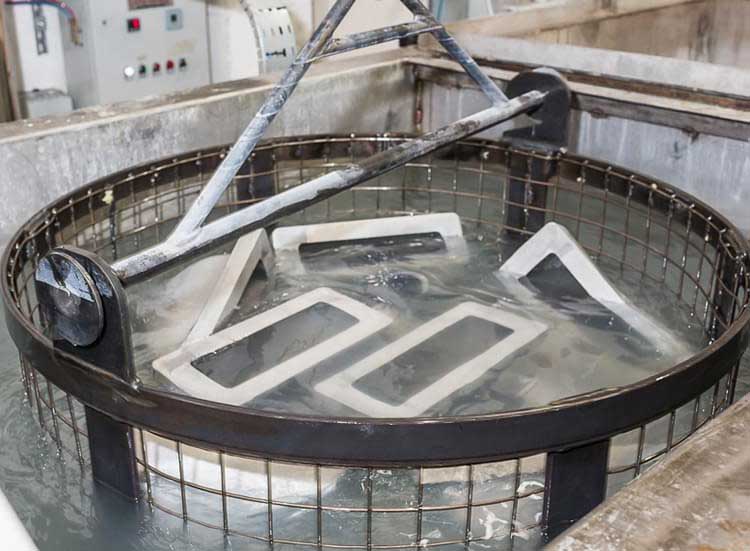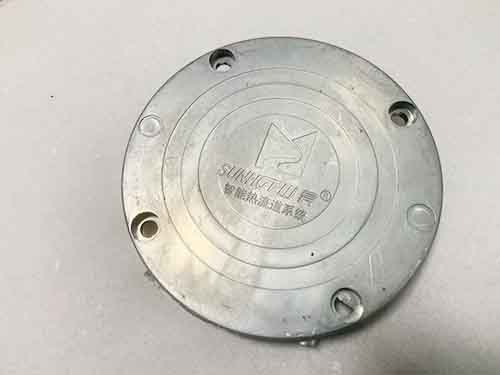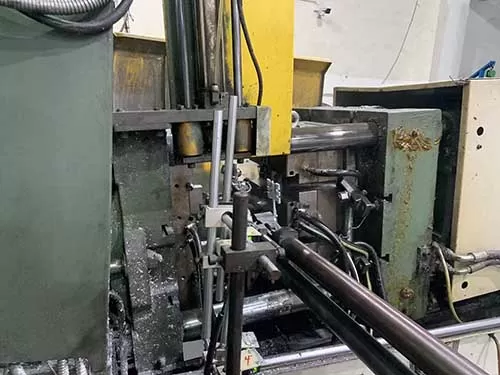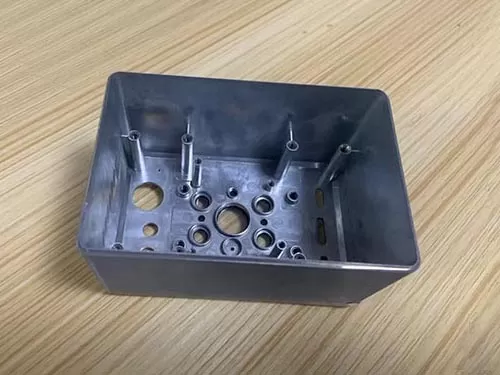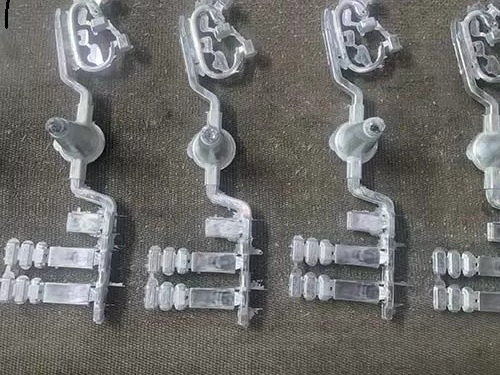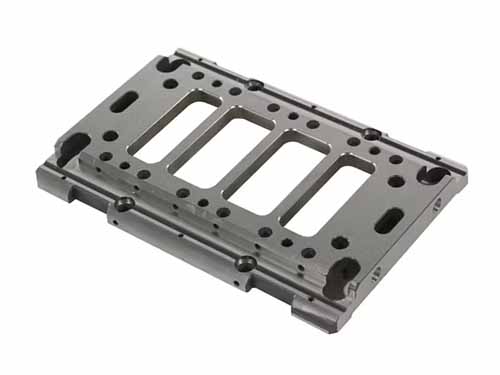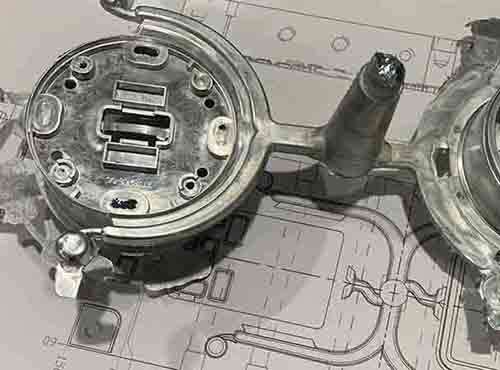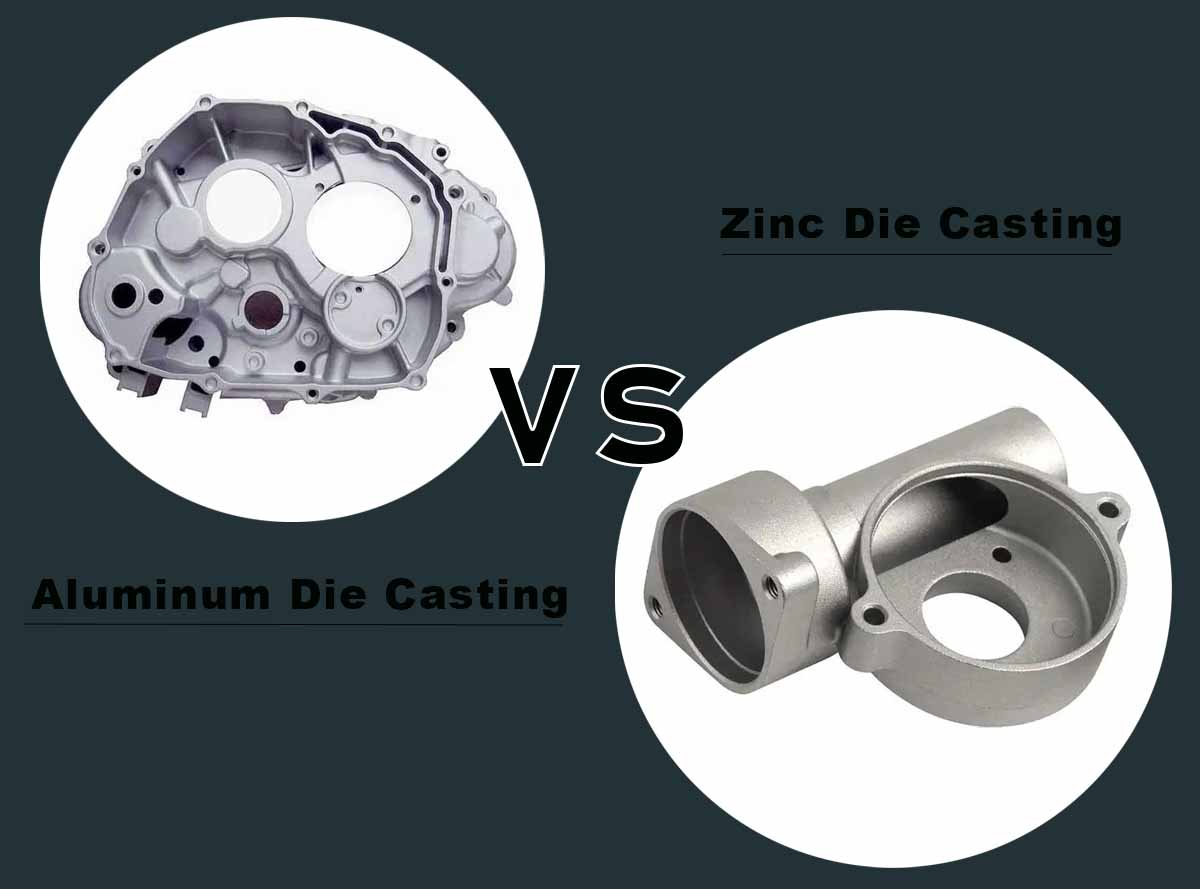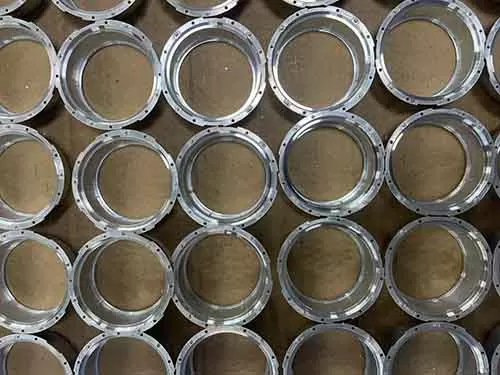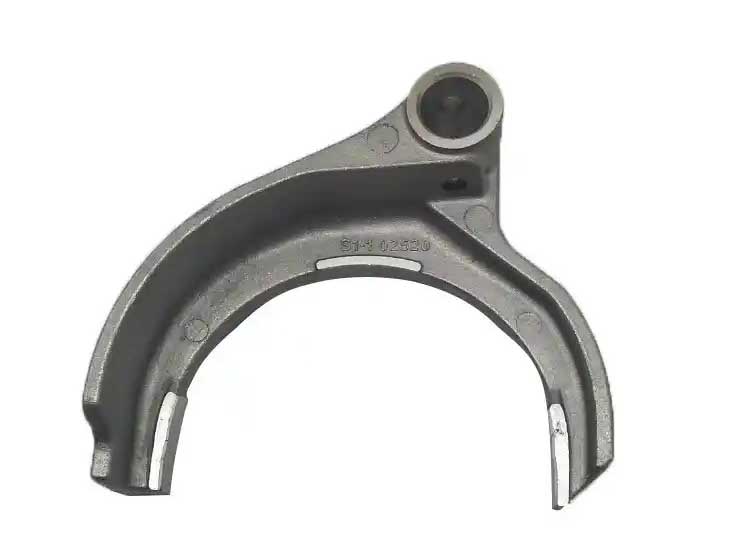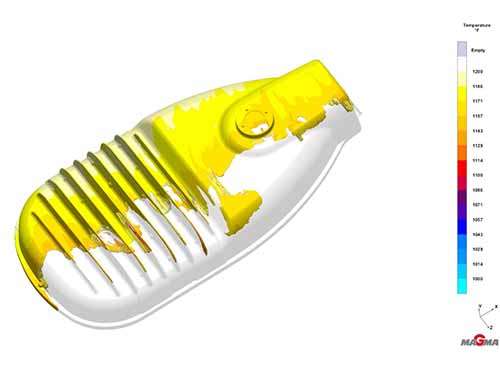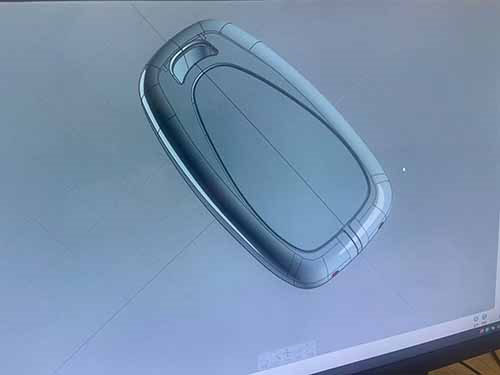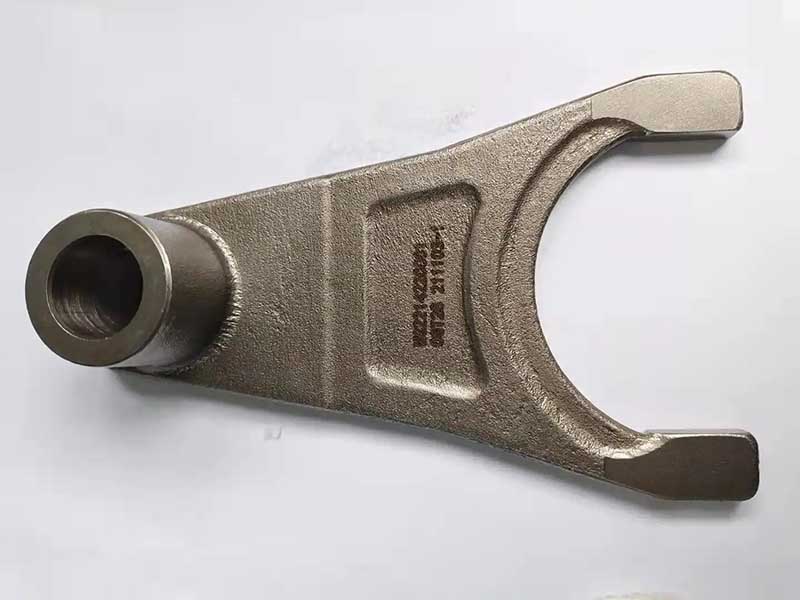
Precision Zinc Die Casting For consumer electronics combines tight dimensional accuracy, thin-wall capability, mechanical strength, excellent surface quality, electromagnetic shielding with reliable mass-production performance. The process feature just meets the specific requirements of consumer electronics, such as miniature bluetooth earphone enclosures, laptop rotating hinges, smart phone housings, camera bezels, some wearable device covers and USB Flash drive disk housings. By integrating complex features into a single near-net-shape component, precision zinc die casting can also reduce secondary machining, assembly operations, and overall manufacturing costs.
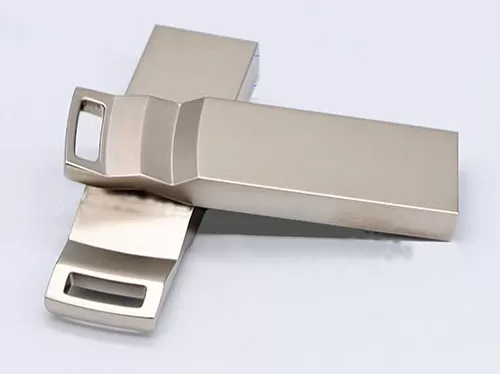
Why Zinc Die Casting Is Suitable for Consumer Electronics
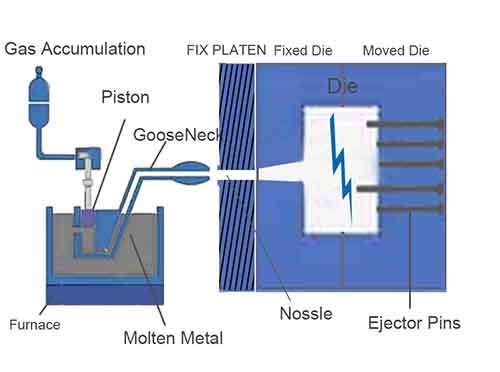
Zinc die casting is well suited for miniature, high-precision components used for consumer electronics, where dimensional accuracy, complex geometry, strength, and production cost are critical. By combining the material properties of Zamak alloys with high-speed hot-chamber die casting technology, manufacturers can achieve stable, repeatable production of high-quality zinc die-cast parts in high volumes while maintaining competitive unit costs.
- Meeting The Requirement Of Miniature Parts
- Thin-Walled And Intricate Geometries Design
- Excellent Dimensional Accuracy Stability
- High-Volume Production And High Quality Cast Parts
- Protecting The core electrical modules Well
- Good Aesthetics Appearance And Lustra Stylish
- Excellent EMI Shielding Functionality
- Eco-friendly and No Harmful Substance
The miniature precision zinc cast parts are suitable for consumer electronics, especiallly wear electronic production enclosures, like Zamak 3 has excellent fluidity and ductility, and used mainly for this section, while Zamak 5 has more strength,hardness and wear resistance, and suitable for the requirements of bear-loading and impact performance.
Large-Volume Production Of Precision Zinc Die Casting For Consumer Electronics
The most commonly zinc alloys for consumer electronic are Zamak 3 and Zamak 5, which can all allow forming precision zinc die casting electronic components at low melting temperature under high pressure through hot chamber die casting technique. Zamak 3 focuses on miniature, wall-thinned, complex geometries and dimenisional accuracy, while Zamak 5 is requied to cast higher strength, harder medium and small sized precision zinc die cast parts.
Zamak 3 die Casting For Electronics
Zamak 3, also designated ASTM AG40A, contains approximately 3.7–4.3% aluminum, 0.02–0.06% magnesium, up to 0.25% copper, with zinc as the balance according to ASTM B86 composition requirements. With a typical hardness of approximately 82 HB and an as-cast tensile strength of around 283 MPa. But Zamak 3 offers excellent fluidity and ductility, meets thin-wall sections, miniature cavities, ribs, bosses, and other intricate features effectively during high-pressure die casting process.
With a properly designed high precision die and optimized injection parameters, a small Zamak 3 die casting component can achieve at short production cycle, potentially around 20 seconds for suitable part geometries. Typical dimensional accuracy toleranace is up to ±0.02mm, wall thickness achieve ±0.5mm. The Excellent fluidity helps reduce the risk of misruns and incomplete filling, while optimized gating, venting, overflow, and injection conditions can minimize air entrapment and porosity-related defects.
Therefore, Zamak 3 is a low-wear material with limited applications, and make it used for compact portable precision parts, with not any load-bearing structrual parts. Such as Bluetooth earphone enclosures, camera bezels, electronic brackets, shielding components, small structural parts, and also remains high efficiency zinc die casting mass production at low production cost.
Zamak 5 Die Casting For Electronics
Zamak 5 contains approximately 0.75–1.25% copper, compared with the much lower copper content of Zamak 3. This higher copper content increases the alloy’s tensile strength, yield strength, hardness, and wear resistance, making Zamak 5 a suitable choice for components subjected to greater mechanical loading, friction, impact, or repeated contact. However, the increased copper content also results in somewhat lower ductility and castability than Zamak 3. Zamak 5 still provides good fluidity for high-pressure die casting, but it is generally better suited to small- and medium-sized structural components where, thick-walled, mechanical strength and wear resistance are more important than maximum filling capability.
For appropriately designed precision parts, Zamak 5 can support relatively short production cycles, with approximately 30–50 seconds being a reasonable reference range for some medium-sized or thicker-walled components in high-volume production. The actual cycle time depends on part weight, wall thickness, die temperature, cooling-channel design, machine capacity, ejection requirements, and automation.
Compared with Zamak 3, its higher copper content provides higher strength and hardness, making it useful for functional housings, brackets, covers, knobs, connectors, and other small precision zinc die casting components. Especially these electronic housings can have more impact performance and wear resistance.
Summarizing selection of zamak series for consumer electronics
| Electronic component | Recommended zinc alloy | Key requirement | Typical manufacturing consideration |
|---|---|---|---|
| Earphone housing | Zamak 3 | Thin wall, appearance | Hot-chamber die casting |
| Camera bezel | Zamak 3 | Appearance, dimensional accuracy | Precision die + plating |
| Electronic bracket | Zamak 5 | Strength, wear resistance | Hot-chamber die casting |
| Wireless charger base | Zamak 3/5 | Complex ribs and bosses | Integrated die casting |
| Connector housing | Zamak 3 | Dimensional stability | Precision casting + machining |
| Wearable housing | Zamak 3 | Compact geometry | Thin-wall filling |
Finishing Treatments Meet Aesthestics And Durablity For Consumer Electronic
Zinc die castings accept easily versatility finishing treatments, because its excellent surface roughness. For near net-shape part, which Sa range is from 1.6-3.2um, after simple polishing process, its Sa achieves some standard grain grade for plating, electroless plating, painting and powder-coating. These finishing treatments just meet aesthetics and durability for precision zinc die casting consumer electronics.
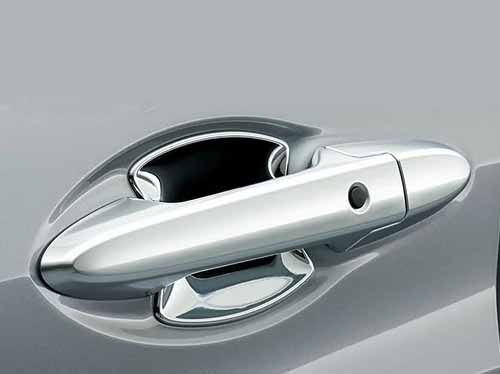
Copper-Nickel-Chrome Plating Coating
- Appearance: Bright, reflective silver-blue (the classic “shiny chrome” look).
- Decorative Copper-Nickel-Chrome: Total build-up is typically 10–25 µm per surface . The copper strike for adhesion is very thin (0.5–1 µm), while decorative chrome is just a flash (0.2–0.5 µm). High-end decorative plating with a thick copper layer can add 60–70 µm total
- Function: Insulator,provides a hard, tarnish-resistant surface that stays bright. With significant corrosion protection by itself.
Electroless Nickel Plating
- Appearance: Matin Effection, strong aesthetics
- Thickness: 7.5 to 12.5 µm (0.3 to 0.5 mils),
- Excellent corrosion resistance and good electrical conductivity, precision complex design connectors by nickel-plating are wide used for consumer electronics.
Chemical-Conversion Coating(Passivation)
- Chromate/Passivation: Usually well below 5 µm, often less than 1 µm
- Advanced Nano-Coatings: Innovative products can be as thin as ~2.0 µm while offering exceptional corrosion resistance
Painting & Power-Coating
- Wet Painting: Thickness ranges from 10 µm for primers to over 25 µm for topcoats
- Electropainting: Controllable between 10 and 40 µm, typically around 20 µm
- Powder Coating: The thickest option, generally applied at 60–120 µm
These finishing treatments different thickness may be affect the dimensional accuracy of precision zinc die casting in consumer electronics, so engineers make Compensate in Mold Design for consideration of coating thickness in special enviromental and funtional applications.

Die Casting Project Quote
Professional OEM die casting factory to finish your project? If you want, please contact us by Email here !
Custom Classic Cases Studies For Precision Zinc Die Casting Parts Of Consumer Electronics
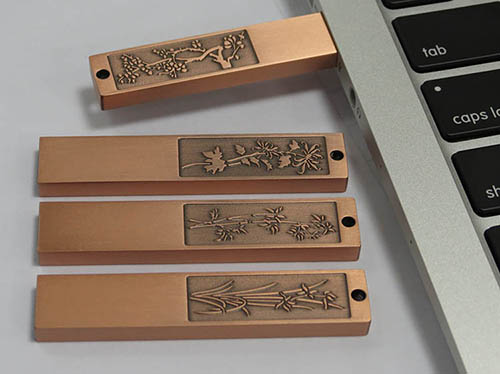
The miniature zinc die casting component require uniform thin-wall thickenss of the range from 1-1.5mm, precision dimensional accuracy of about ±0.002mm, and perform thickness finishing treatment(0.2um-0.5um)
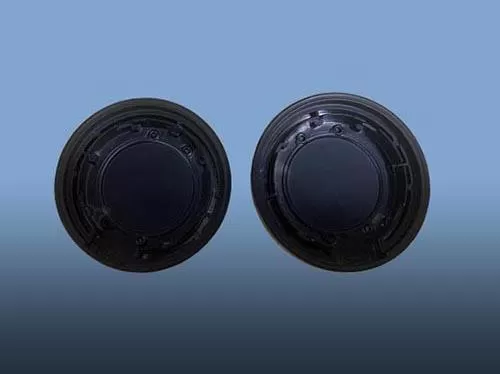
Wireless Charger Supporting Bases
The precision metal supporting base require complex internal structure design which assemblis of electric modules, ribs and bosses, holes and threads precision design of 0.03mm. Finishing treatment require black powder-coating.
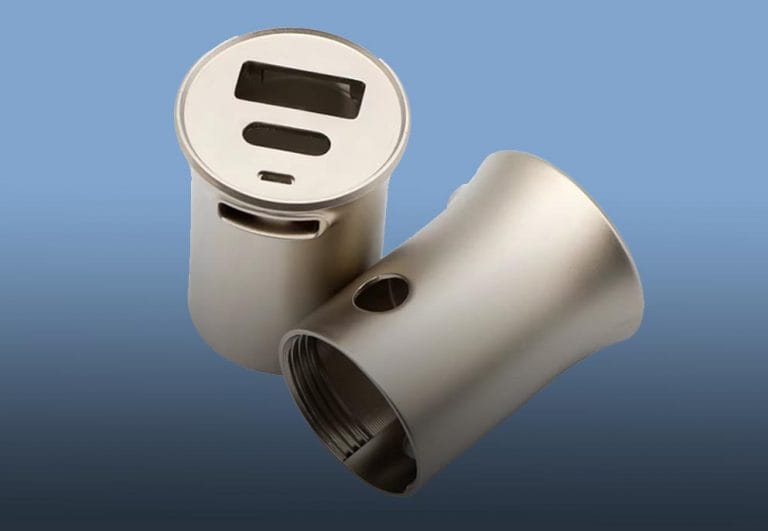
Car Charger Metal Display Panel
The metal display panel require uniform wall thickness of around 2mm, with delicated design windows for display panel, finishing treatment is treated by satin-nickel plating.
Precision Zinc Die Casting Production Capability
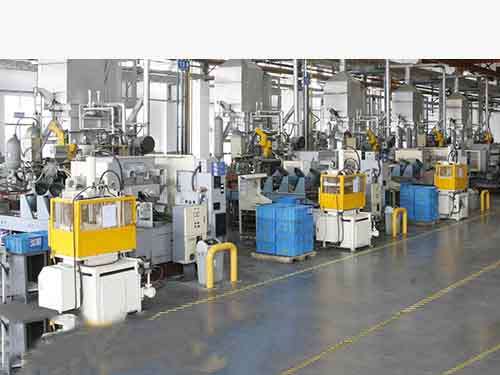
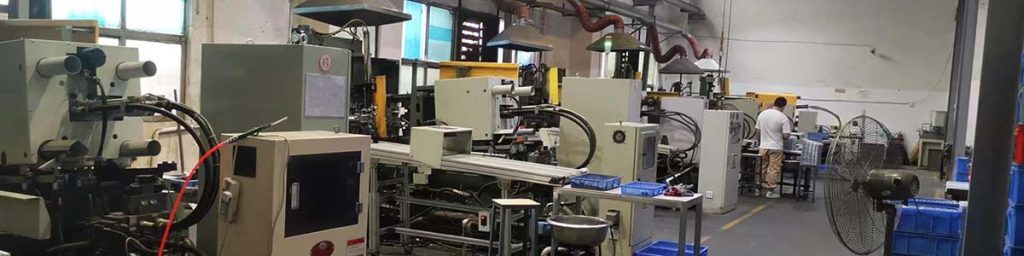
Ts die casting technology provides comprehensive custom zinc die casting services. Enrich die casting manufacturing experience combines advanced hot chamber die casting technology, precision mold manufacturing, strict quality control, and efficient mass production capability to ensure stable high-quality cast parts for global OEM projects.
- Precision mold design and engineering support and High precision cast die manufacturing and rapid prototyping testing until high effective mass production at large volume.
- Select suitable zinc alloys according to product requirements. And excel at working with Zamak 3, Zamak 5 and ZA 8
- Provide various decorative and functional surface treatments, such as various electroplating , painting, electrophoresis and laser engraving.
- Advanced hot & Cold chamber die casting machines, automation production lines and ERP storage management system.
- Implement ISO 9001 and IATF 16949 quality management system, delivery on time , ensure 100% quality ensurance.
Typical Zinc Die Casting Tolerance Range
Precision zinc die casting can achieve very tight dimensional tolerances compared with many other metal casting processes. Because zinc alloy has excellent fluidity and low solidification shrinkage.
| Feature Size | Typical Tolerance |
|---|---|
| Small precision feature | ±0.02–0.05 mm |
| General dimensions | ±0.05–0.10 mm |
| Large dimensions | ±0.10–0.25 mm |
| Hole position | ±0.05 mm |
| Flatness | 0.05–0.15 mm |
| Wall thickness variation | ±0.02–0.05 mm |
Conclusion
In summary, precision zinc die casting for consumer electronics enables the manufacturing of diverse complex metal components with excellent dimensional accuracy, thin-wall capability, and superior surface finishing. The process supports high-efficiency mass production of integrated structural parts for various consumer electronic products, including smart device housings, wearable frames, communication enclosures, and decorative precision components.