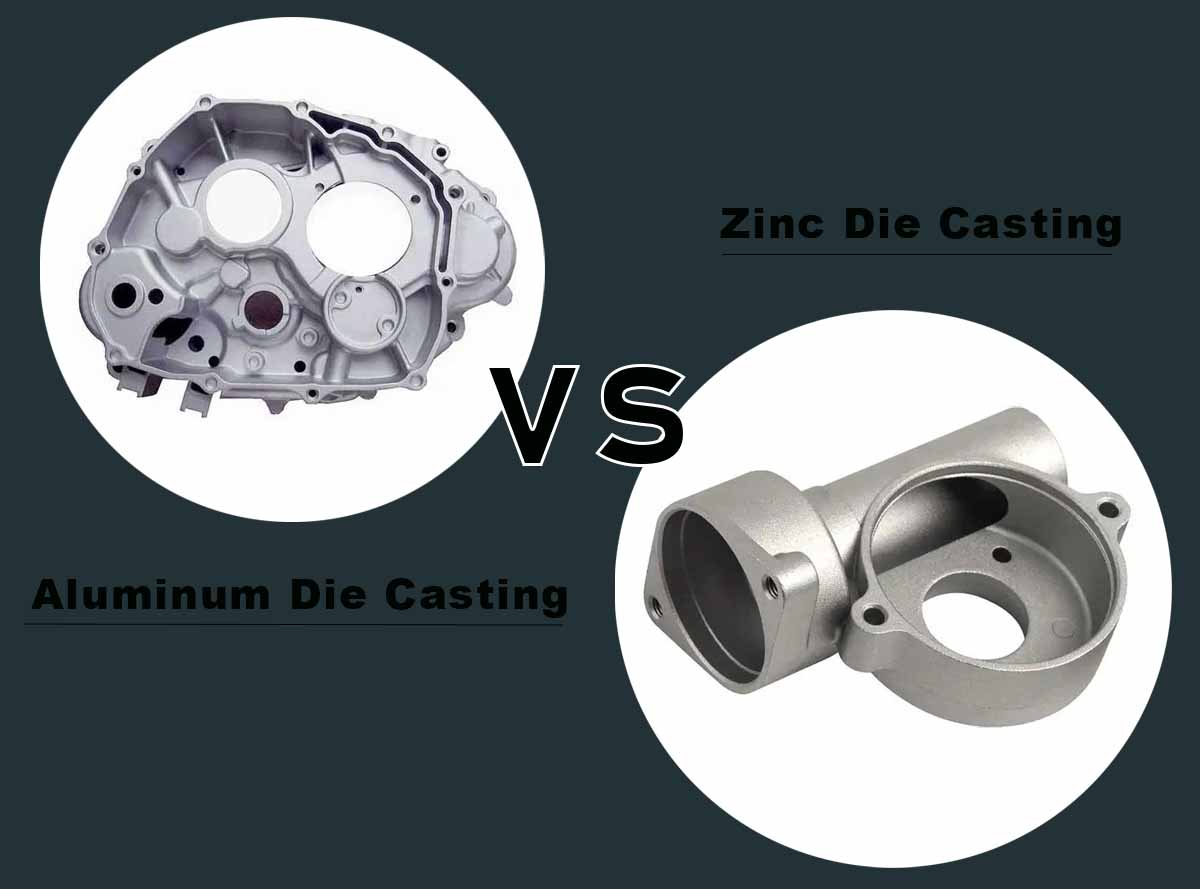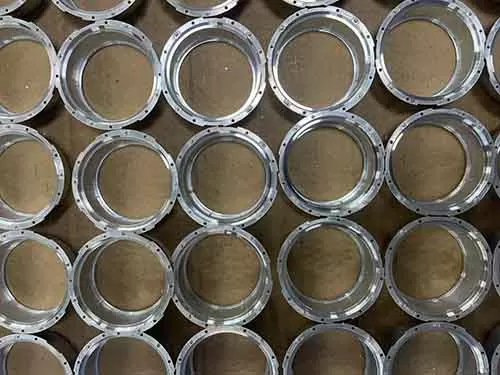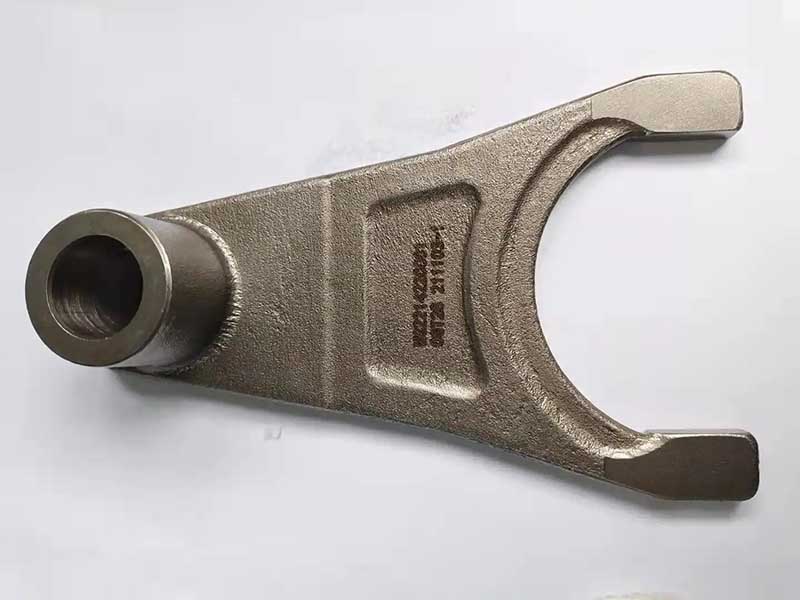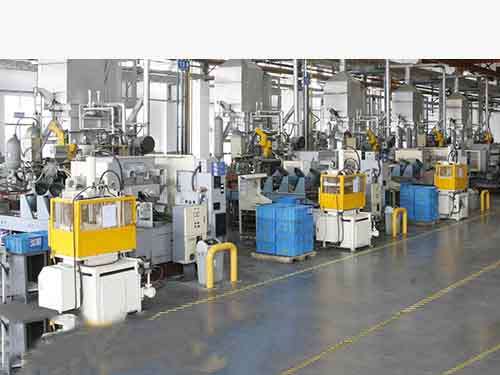
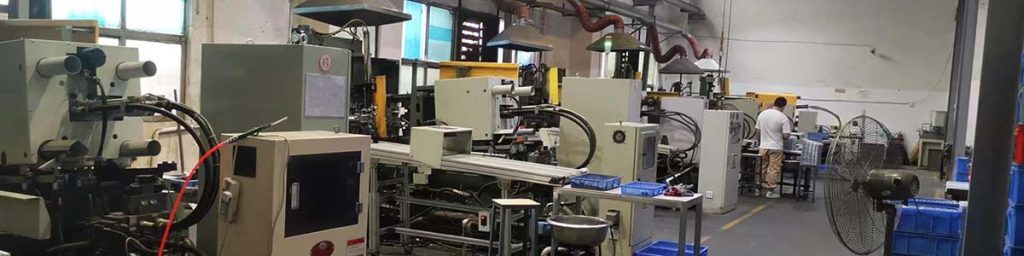
In today’s advanced manufacturing industry, zinc die casting has become one of the most efficient and reliable metal forming technologies for producing complex, high-precision, and high-volume components. As an engineer with 15 years of experience in zinc die casting manufacturing, a successful zinc die casting design considers wall thickness, draft angles, fillets and corners, ribs and bosses, parting lines, gating, venting, cooling, ejection, tolerances, and alloy selection before the die is manufactured.
This complete zinc die casting design guide explains the key design rules and DFM considerations used to develop high performance zinc die casting parts. It covers product design, mold flow analysis, wall thickness, draft angles, undercuts, thermal management, dimensional tolerances, casting defects, zinc alloy selection, tooling design, FAI validation, and mass production.
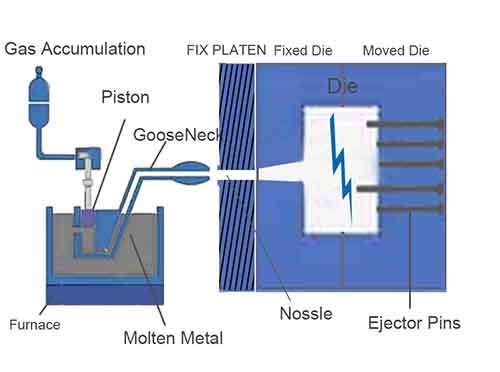
The zinc die casting combines low melting temperature with excellent dimensional accuracy. Though hot chamber die casting technique, produce batch high precison parts for automotive, communication, electronics, industrial hardware and how to create more smooth surface and miminal secondary operations is critical.
Zinc Die Casting Design Guidelines
In a successful zinc die casting project, zinc Die casting design guidelines start from product DFM assessment, mold flow simulation, precision die casting die design, where structural optimization, dimensional control, alloy selection, and surface finishing are all considered before tooling development begins.
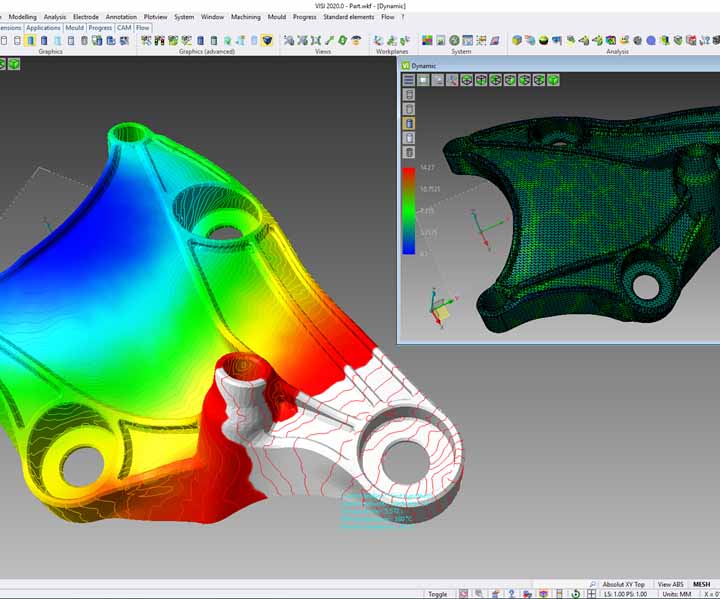
Product 3d Model Design And Mold Flow Analysis
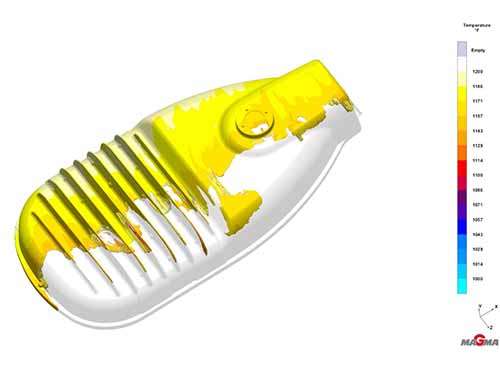
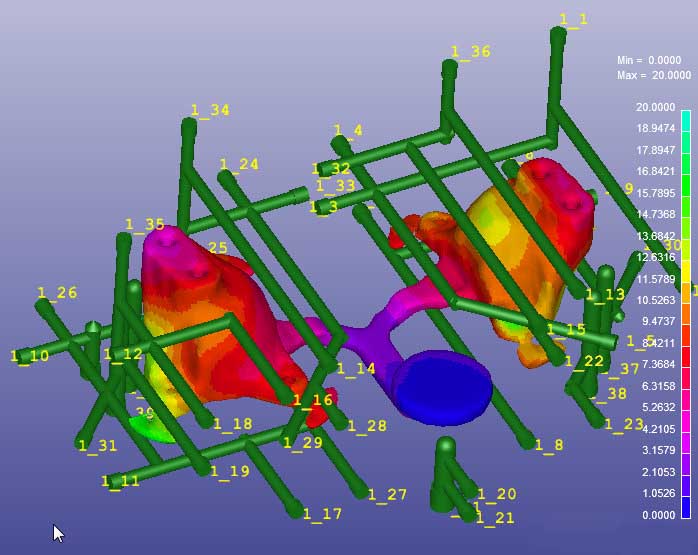
Product 3D Model Design is the process of creating a digital three-dimensional representation of a product before manufacturing. It is a critical step for zinc die casting, aluminum die casting. Well-experineced engineer uses some 3d design software, like CAD, Proe, UG and Solidworks to sketch custom 3d model of product carefully and begin employing zinc die casting DFM analysis. Review the wall thickness, draft angles, Radius and Corner and Rib and Reinforcement Design. Then import the model into mold flow software, MAGMASOFT, ProCAST, and FLOW-3D CAST are commonly used. Create The Cast die layout.
Following industry standards (NADCA) structure quality, focus on the core design quality, and makes the zinc die casting design more reasonability.
Filling Flow Evaluation
Engineers analyze flow front progression, position filling squene and adjust velocity distribution, ensure fully cavity filling, Balanced metal flow and reduced turbulance in injecting molten metal.
Air Entrapment Prediction
Air entrapment is most common, Trapped air causes blister, inside porosity and surface defects. Added overflowing and filtering when melting metal available, improved venting channel, gate system, vacuum die cast is best.
Thermal Analysis
A good temperature handling can avoid thin flash,cold shut, crack, flow marks and weld line. It enables maintaining high effective high quality zinc cast parts consistent output at mass production.
Surface Grade
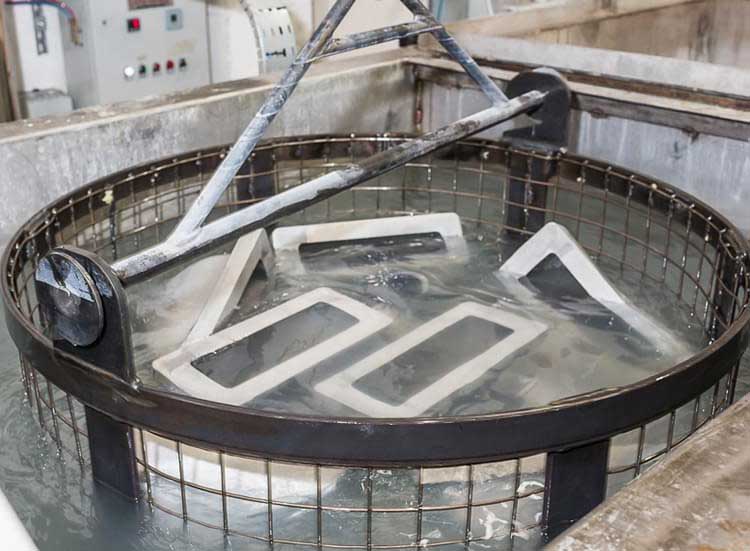
From the primary “as-cast” surface finish, color coating painting and more durable powder-coating and e-coating to versatile plating to withstand corrosion and metaillic look aesthetics.
Structure of Zinc Die Casting Constraint
From practical engineering experience among zinc die casting projects at Ts Die Casting Technology , the success of a zinc die casting project depends heavily on whether the product was designed specifically for die casting manufacturability.
Many design failures happen because products are created only based on appearance or assembly requirements without considering of metal flow, air entrapment, shrinkage behavior, draft release, or thermal stress and unsufficiant pressure.
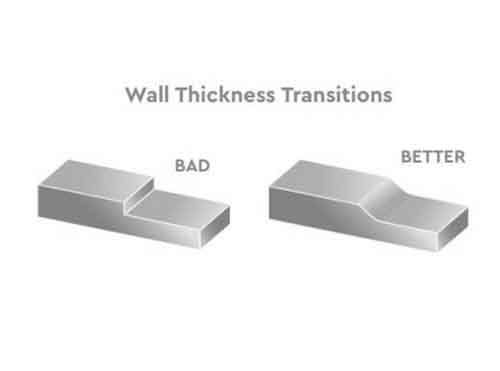
1. Maintain Uniform Wall Thickness
Uniform wall thickness is one of the most important rules in zinc die casting design. Typically excessively thick areas create shrinkage porosity,Internal voids, Thermal imbalance, Sink marks, easily lead to dimensional instability and overbig gate. Extremely thin areas may cause Incomplete filling, Cold shuts, crack, result in weak mechanical strength.Wall thickness transition areas, require flat smooth angles, avoid sudden transitions. Expert recommand thickness range
- Standard parts: 1.0 – 3.0 mm
- Miniature precision parts: 0.3 – 1.0 mm
- Structural components: 2.0 – 4.0 mm
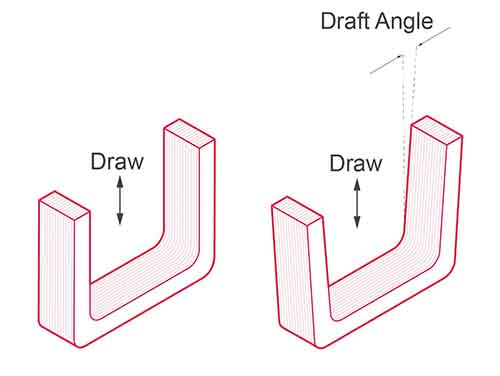
2. Proper Draft Angle Design
Every zinc cast part requires draft angles for stable mold release. Insufficient draft often causes ejector deformation, surface scratches, mold sticking, shorten tooling life. Recommended draft angle range:
- External surfaces: 0.5° – 1°
- Internal surfaces: 1° – 2°
- Deep cavity structures: larger draft required
In order to achieve ideal dimensional requirements, engineers consider consider that If textured surfaces or electroplated parts, additional draft compensation should always be considered.
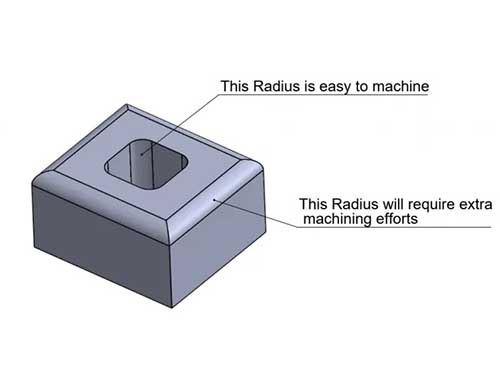
3. Radius and Corner Optimization
Sharp corners should always be avoided in zinc cast part design. Internal radii improve molten metal flow significantly and reduce crack risk. When The part design require mutil-holes functional, the mold needs consider of multi-undercuts design, the extrior and interior readiu and corner design is necessary. Recommended Engineering Practice.
- Use generous fillet radii
- Maintain smooth metal flow paths
- Reduce thermal concentration
- Improve mold filling stability
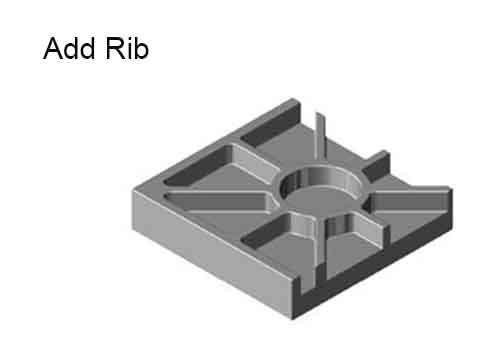
4. Ribs And Bosses Reinforcement Design
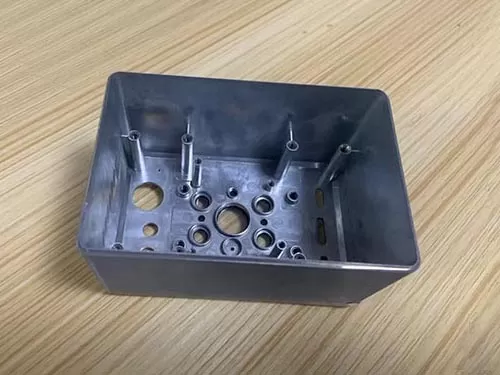
Properly designed ribs and bosses can significantly improve structural stiffness without unnecessarily increasing casting weight or creating thick sections that may cause shrinkage porosity. Ribs improve the integrated structure, but bosses reinforce screw, bolt, pin, bearing, and mounting locations.
| Rib | Boss |
|---|---|
| Rib thickness: 50–70% of wall thickness | Boss outside diameter: 1.8–2.5 × hole diameter |
| Rib height: 1–3 × wall thickness | Boss wall thickness: 0.8–1.2 × wall thickness |
| Rib draft: 5–10° per side | Boss height: 1–2 × boss outside diameter |
| Rib-base radius: 0.8–1.6 mm | Boss draft: 1-3° per side |
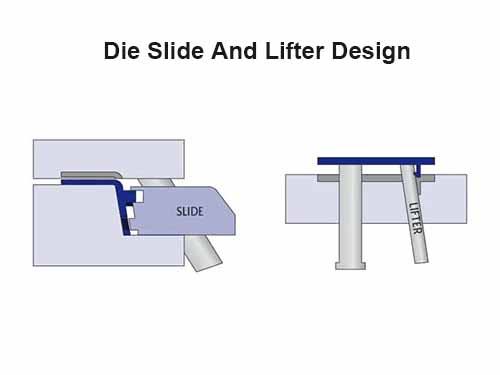
5.Die Slide And Lifter Design
Undercuts: Die Slide And Lifter Design can be used but add cost if possible. But the fuction can resolve the design of intricate structure and functionalities of the cast part. Engineers use pillars to create more holes in the cast part, and to realize more functionalities. Undercuts makes casting die more complex, but can cast more functional cast parts.
Undercuts and complex geometries can enhance functionality, especially some complex geometries and specific functionality parts are designed. They often require additional tooling design, such as cores or slides, which increase cost and complexity. How to cast complex geometries ? when we need consdering having a good zinc die casting part structure design, several points as following Iisted is attended.
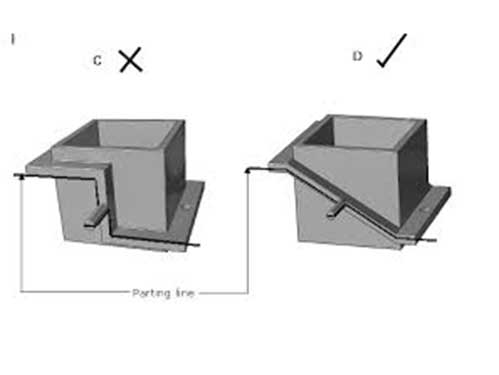
6.Parting Line & Ejection
Keep as simple and flat as practical, Provide sufficient draft on surfaces parallel to die movement, and reduce the gap between the halves of the die, minimize flash & finishing work. Keep critical sealing surfaces away from unavoidable flash. Ejection Pins: Put the ejector pins on the non-critical areas, to avoid visible marks on critical surfaces, ensure high quality cast part.
7.Thermal System Optimization
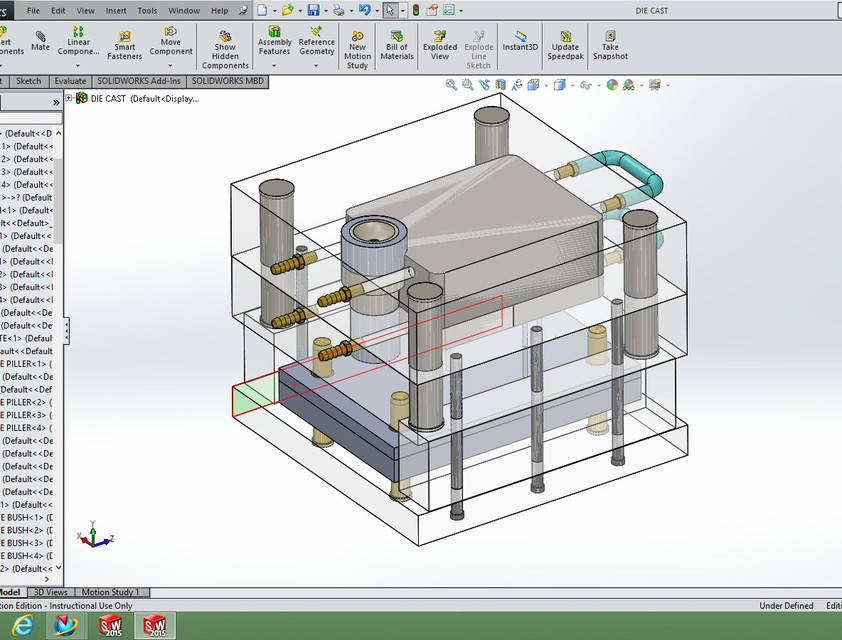
Keep uniform cooling in die casting, ensure the molten metal fills into the cavity of the die fully quickly, allows uniform cooling after solidify.
Adding more cooling channels on thicker sections ,balance all mold flow accept uniform cooling at same cycle time.
8. Tolerance Design
Zinc die casting tolerances design follow the below standard.
| Feature | Recommended Tolerance |
|---|---|
| Overall Length 100 mm | ±0.10 mm |
| Mounting Hole Position | ±0.05 mm |
| Bearing Bore | ±0.02 mm (machined) |
| Cover Sealing Surface | Flatness 0.05 mm |
| Decorative Surface | ±0.15 mm |
9. Defects and Solutions
| Defect | Cause | Solution |
|---|---|---|
| Porosity | Thick sections, Poor venting, Improper gate design | Optimize wall thickness, Improve overflow layout and adjust filling balance |
| Flash | Excessive injection pressure, Poor mold locking and Worn tooling surface | Improve mold precision, Optimize clamping force and Refine parting surface design |
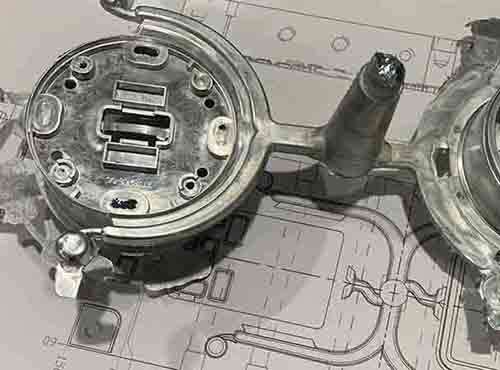
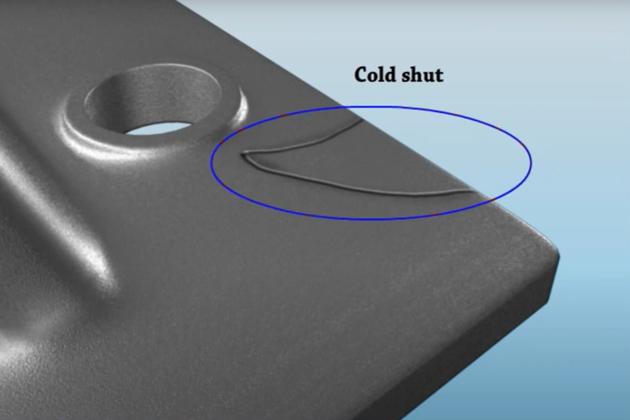
| Cold Shut | Low metal temperature, Poor flow path and thin-wll interruption | Improve runner layout, Increase filling speed and optimize gate location |
| Surface Sink Marks | Thick ribs, uneven cooling, excessive material concentration | Reduce local thickness, Add balanced reinforcement structure and improve thermal distribution |
10 . Surface Finishing Treatments
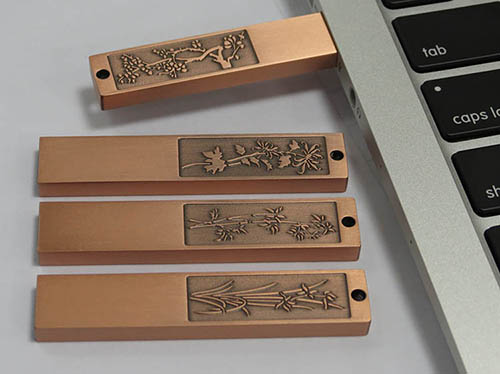
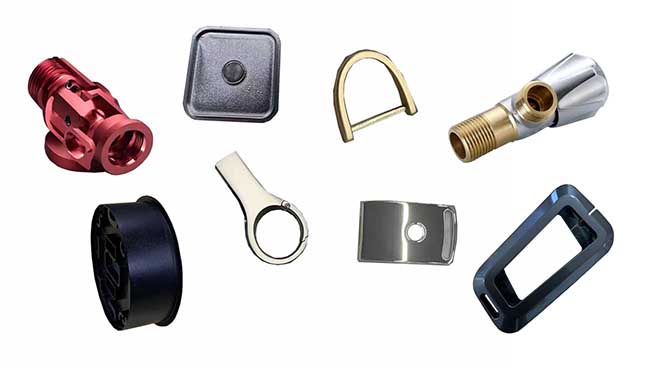
Zinc Die Casting create very smooth surface finish of cast parts, minimal secondary operations. As-cast parts require many finishing treatments because bare zinc oxidation and poor anti-corrosion. We provide versatile finishing treatments depend on the different environmental and functional requirements.
- Chrome-conversion Coating: Strong Corrosion resistance
- Color-Painting and Powder-Coating: Aesthetics And Decoration, Prolong life time.
- E-Coating: Corrosion protection
- Versatile Plating : Enhancement of Wear Resistance, Metallic Glossy and Corrosion resistance.
- Etching: Decoration.
Overall, structural design of zinc die casting part require considering that wall thickness, draft angle, radius and corner, ribs and bosses, parting line location, thermal management, dimensional accracy and secondary operations. If more complex structural design, the mulit-undercut function will be designed.
Precision Steel Die Manufacturing
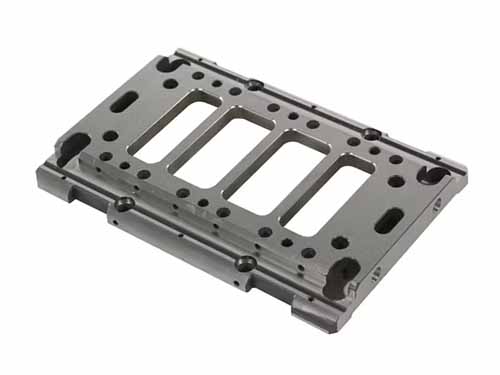
After the engineering team completes the die design, the finalized high-performance mold drawings are released to the mold workshop. The mold technicians then begin procurement of appropriate tool steel and initiate precision CNC machining of all mold components, including the core, cavity, and complex internal cooling channels. Key systems such as the gating, venting, and positioning structures are also precisely manufactured and assembled. Through high-accuracy machining and assembly processes, the mold drawings are ultimately transformed into a fully functional, high-performance die casting tool ready for mass production.
Mold Material Selection
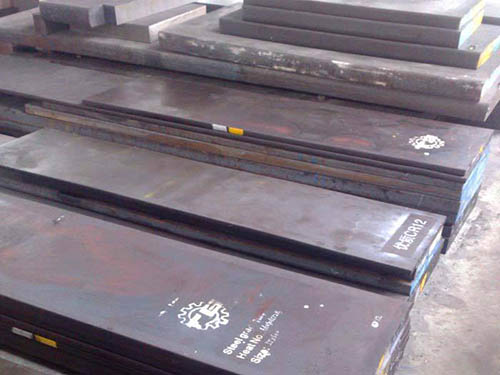
Choose the best steel among H13, SKD61, 8407, And finish tooling construction. The tooling must be ultra-precision cavity and endure impacts and frications in hundreds of thousand times. When zinc die casting works at low melting temperature, The tooling casting life from 500,000 to 1000,000 shots.
Precision Steel Cast Die Manufacturing
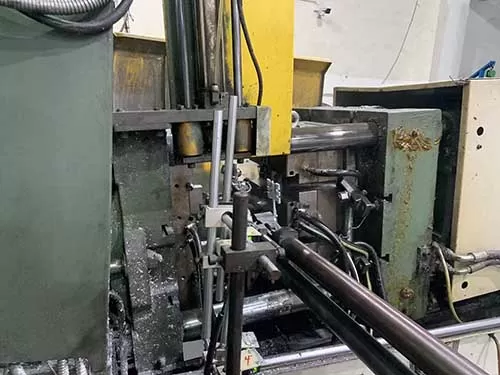
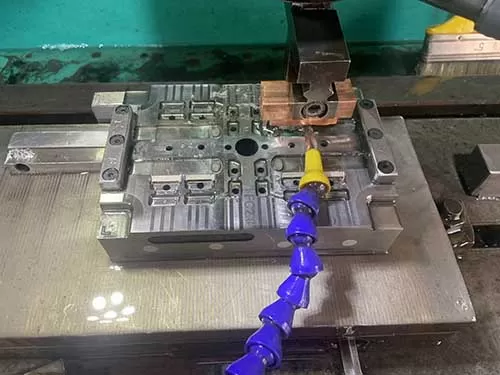
The tooling steel is cutted, flat-grinding, and then using cnc machining center, Cnc turning lathes, EMD equipment and assisted CMM measurement instrument to process precision cavity insert, core insert and ejector pins. positioning gate location, develop venting channels and connect various thermal conductive pipes, and other component assemblies. Then amount the cast die on the plane of hot chamber die casting machine, adjust and align with two halves, prepare the die for verifying its performance. Engineers implement FIA strategy, rapid prototyping and deliver the sample with detail inspection report to customer for first sample of confirmation and mass production of approval.
First Prototype Testing
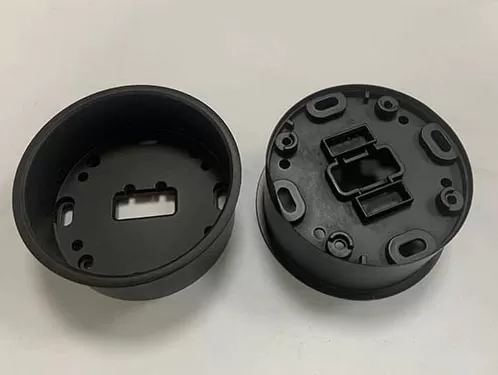
High precision steel die is finished, FAI strategy is implemented for validation for its performance. Technician mounted the die on plate of hot chambe die casting machine.
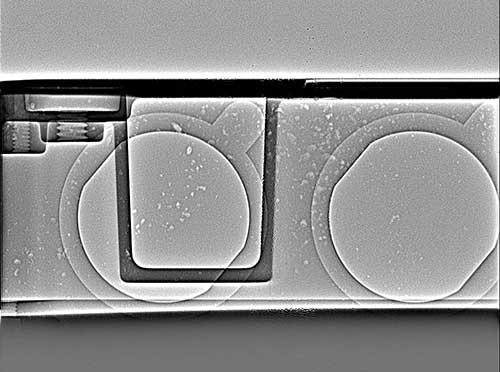
Setting up the proper die casting operation parameters, and testing injecting the melton zinc into the die, and pay more attention to intial cast result until the qualified cast part is formed, record the melt temperature, injection speed, injection pressure, cast cycle time. Allow secondary operations on demand, achieve required finishing treatment. Measuring the dimension of the cast part by CMM and detect the structural performance of the cast part by X-ray detector, And represent the stamped inspection report. And deliver the first prototype attached with the detail inspection report to client for approval of mass production.
Proper Zinc Alloy Selection
| Alloy | Process | Application |
|---|---|---|
| Zamak 3 | Hot chamber die casting | General |
| Zamak 5 | Hot chamber die casting | Higher Strength |
| Zamak 7 | hot chamber die casting | Better Fluidity |
| ZA-8 | hot chamber die casting and cold chamber die casting | Heavy Duty |
| ZA-12 | Cold chamber die casting | Lightweight , good strength |
| ZA-27 | Cold chamber die casting | High strength, best heat dissipation, |
High Efficiency Mass Production
After the First Article Inspection (FAI) samples are approved by the customer, the project is released for zinc die casting mass production. The engineering team finalizes all validated die casting process parameters established during the trial production, including melt temperature, die temperature, injection speed, injection pressure, intensification pressure, cooling time, and cycle time. These parameters become the approved production standard for the project.
Based on the approved FAI report and process documentation, the engineering department prepares detailed Work Instructions and Standard Operating Procedures (SOPs) for each production workstation, including die casting, trimming, deburring, CNC machining, surface treatment, inspection, and packaging.
What are the practical trade-offs between Zamak and ZA alloys?
Different chemical composition zinc alloys require specific die casting process due to aluminum content diference. Zamak 3, Zamak 5 and ZA-8 zinc-aluminum alloy allow economical hot chamber die casting process, but ZA-12, ZA-27 require cold chamber die casting machines to cast because higher aluminum content alloys cast in slow cooling is another story.
Zinc Die Casting Thin-wall Miniature Parts
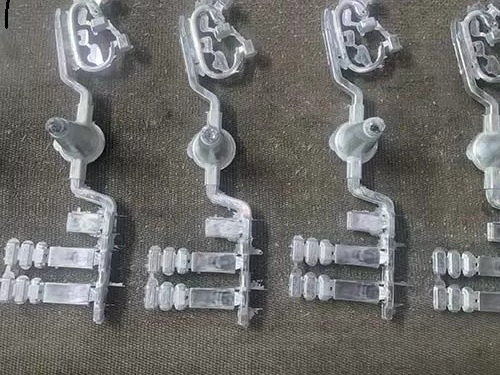
Zamak 3 is the best metal fluidity and ductility among zinc alloys, and allow molten metal fulling into the die and cast ultra-thin walled and intricate geometries with tight-dimension accuracy. Remain steady quality mass production.
| Feature | Zamak | ZA-8 |
|---|---|---|
| Casting Process | Hot Chamber | Hot Chamber |
| Tensile Strength | Lower | Higher |
| Cost | Lower | Higher |
Corrosion Resistance In Worse Weather and Harsh Environments
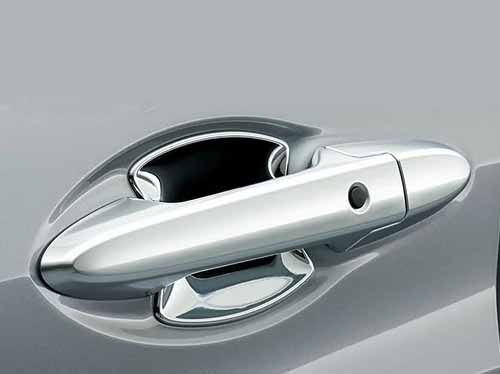
Zamak 8 contain higher a bit copper and make it more wear resistance, And generally used for ourdoor communinication equipment and atomotive extroier components, such as antenna bracket, RF IMD shielding Housing and car door handles. Zamak 8 hardness is improved, but the Zamak 5 die casting parts require better coating to prevent intergranular corrosion inside the metal.
High Tensile-Strength, Corrosion Resistance And High Friction Resistance
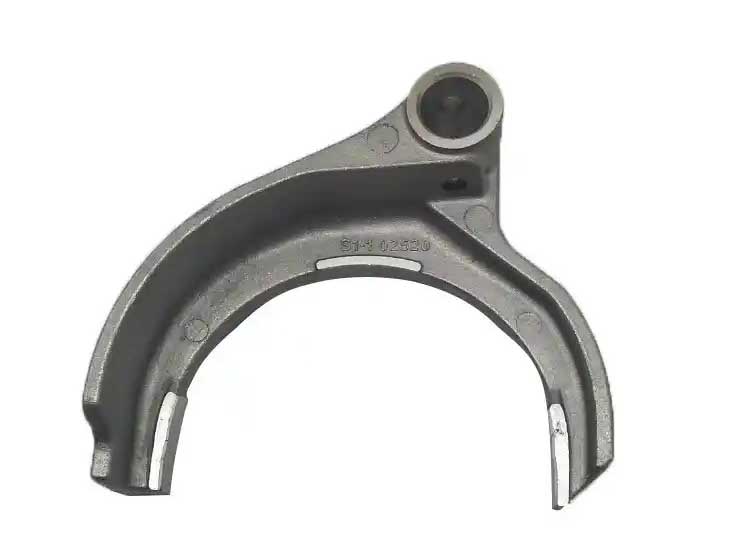
Zamak 12 belongs to medium categeries between Zamak 8 and Zamak 27, aluminum content is amount for 12%, its density is 6.0g/cm³,can replace some iron and rusted steel parts, and high tensile-strength and corrosion resistance and high friction resistance. Like automotive transmmision system assisted parts, sliding forks, sliding bearing sleeves.
Heavy-Duty Mechanical Parts And Structural Parts
Zamak 27, is strength weight-ratio metal, its density is 5.0g/cm³, but excellent mechanical properties makes them be casting into precision metal parts and replace some high-cost stainless steel parts in heavy equipment.
The decision between Zamak and ZA alloys hinges on balancing performance needs with budget and manufacturing realities. Zamak is ideal for general applications, while ZA alloys excel where strength and wear resistance are critical, despite their higher processing costs.

Die Casting Project Quote
Find one of professional die casting factory to finish your project? If you want, please contact us by Email here !
Miniature Zinc Cast Part Design Challenges
Miniature zinc die casting represents one of the most technically demanding manufacturing areas. The design needs considering of the strength, tight-tolerance dimensional stability, integrated structure, strong corrosion resistance and some specific finishing treatments in different environments. So the special manufacturing process will face these severe challenges.
- Ultra-Thin Wall Filling: Miniature structures require highly optimized gate systems and injection speed control.
- Venting Precision: Poor venting easily causes trapped gas defects
- Mold Temperature Balance: Small parts are extremely sensitive to thermal variation.
- Flash Control: Miniature parts require exceptional tooling precision.
- Ejection Stability: Improper ejector design can deform tiny structures.
- Post-processing Operations: Different grain grade polishing requirement for Versatile finishing treatments, such as chrome-plating, Satin-Nickel plating, electronless.
Through extensive manufacturing experience, TS Die Casting Technology has developed specialized solutions for miniature zinc cast part design and ultra-precision manufacturing.
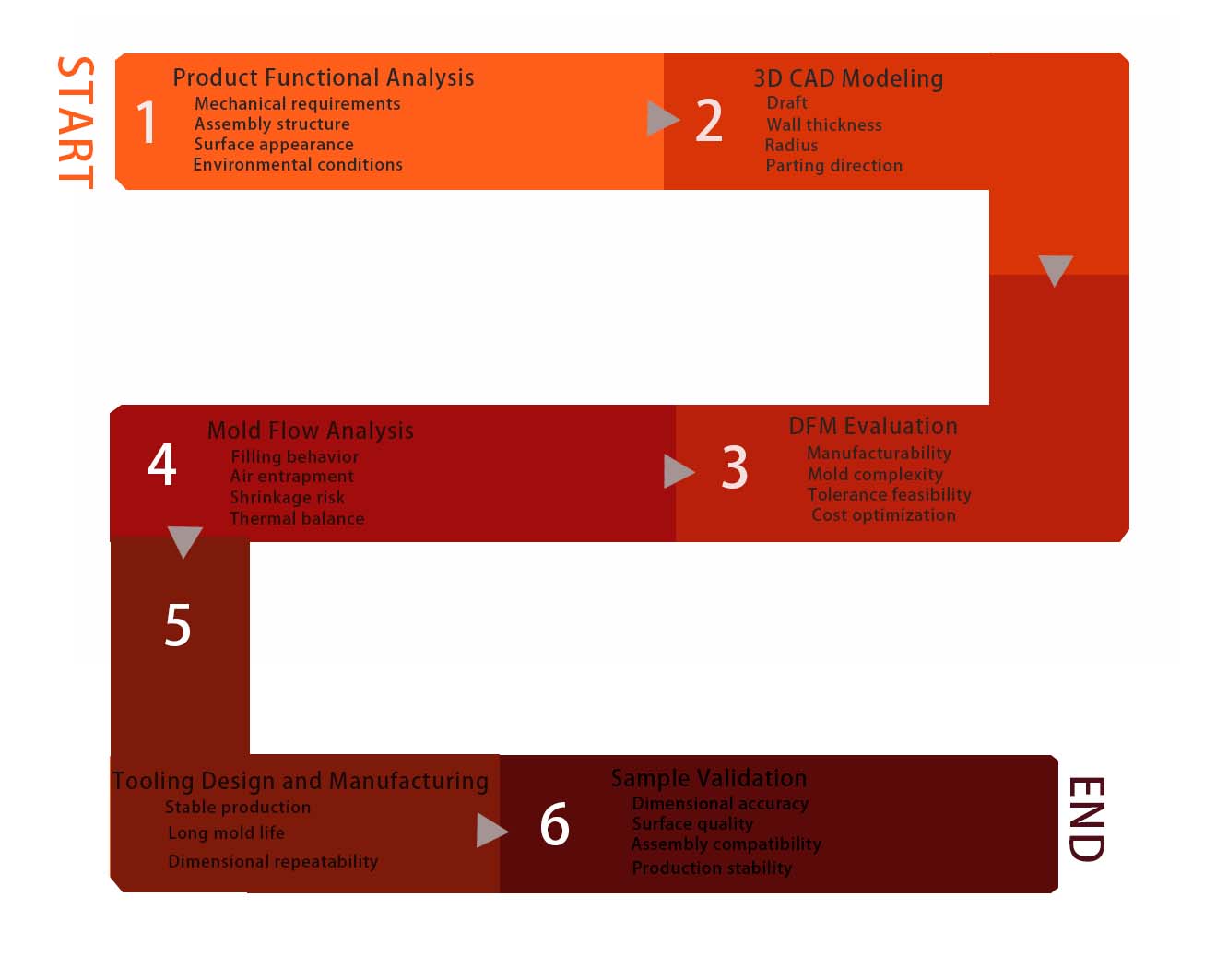
Engineering Design Workflow for Zinc Die Casting
Why Choose TS Die Casting Technology
Ts die Casting Technology provides complete OEM zinc alloy manufacturing solutions with strong engineering support and advanced manufacturing capability. From review of custom CAD files, FDM analysis, Mold flow simulation, precision steel tooling manufacturing, FAI for mass production of confirmation, mass production and various finishing treatments, until complete custom zinc die casting project fully. And lear more , contact our engineers and discuss more about it .
Conclusion
Successful zinc die casting manufacturing begins from delicate zinc die casting design.
Whether developing automotive zinc cast part design, miniature zinc cast part design, or high precision structural components, every design decision directly affects final production quality, tooling stability, manufacturing cost, and long-term reliability.
By combining advanced hot chamber die casting technology, engineering-focused DFM optimization, and practical manufacturing experience, die casting manufacturers can achieve highly efficient, stable, and precision-oriented production systems.
With professional engineering support and strong manufacturing capability, TS Die Casting Technology continues to provide reliable custom zinc die casting solutions for global OEM customers across automotive, communication, electronics, industrial, and precision engineering industries.
Common FAQ
What Are The Key Consideration In Zinc Die Casting Design?
Firstly, Assessment of DFM, involves of wall thicknesss, draft angle, parting line, venting channels, ejection pin location, gate system, zinc alloy choice and cast part integrated structure