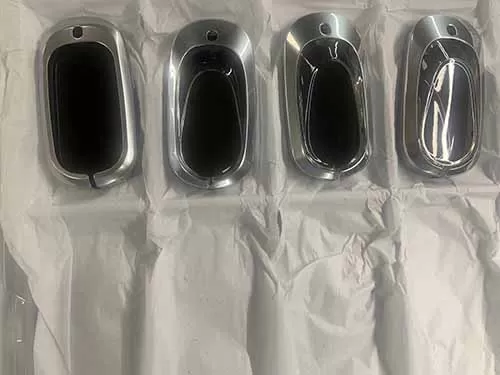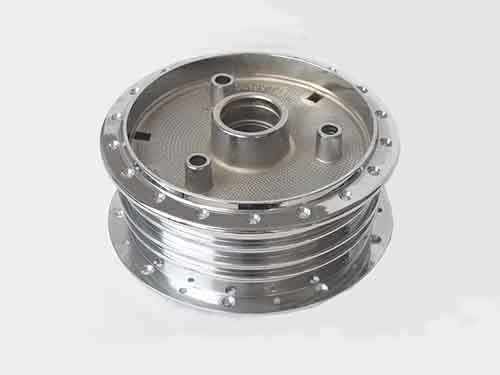
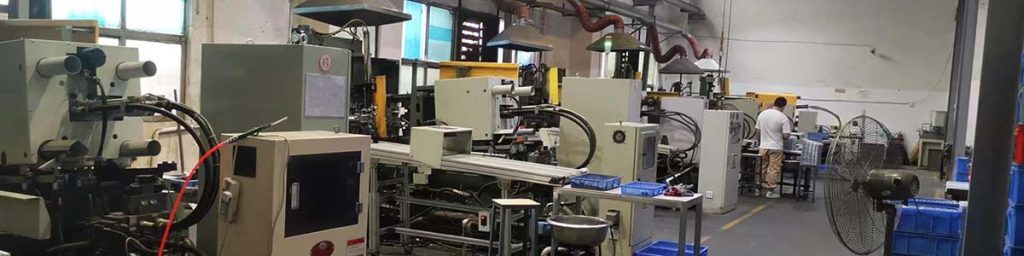
As a professional zinc die casting manufacturer, we continuously explore the unique characteristics and functional advantages of zinc alloy materials to develop high-performance featured zinc die casting products for various industries. Through careful alloy selection and advanced manufacturing processes, zinc cast components can achieve excellent dimensional accuracy, surface finish, mechanical strength, corrosion resistance, and cost efficiency.
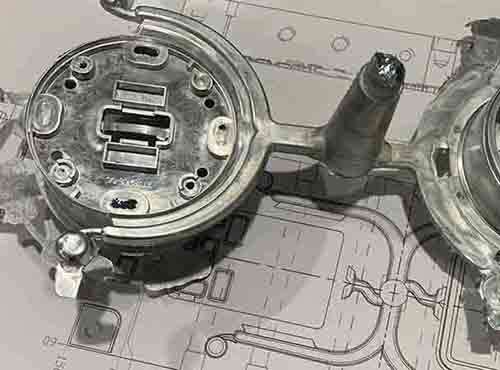
Zinc is a low-melting-point metal with excellent casting fluidity, making it ideal for producing complex geometries, thin-wall structures, and miniature precision components. Combined with hot chamber die casting technology, zinc alloys support high-speed production cycles, stable quality, and large-volume manufacturing at competitive costs.
Different zinc alloy formulations provide different mechanical and physical properties. By selecting the appropriate alloy composition, manufacturers can optimize strength, hardness, wear resistance, impact resistance, conductivity, and corrosion protection according to specific application requirements. As more specialized zinc alloys become available, more featured zinc die casting products can be developed to meet the demands of automotive, electronics, telecommunications, industrial equipment, and consumer product markets.
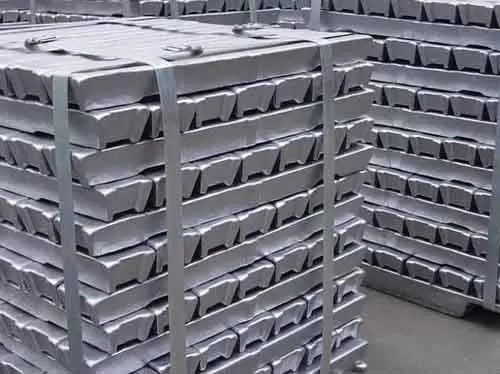
Why Zinc Alloys Are Ideal for Die Casting
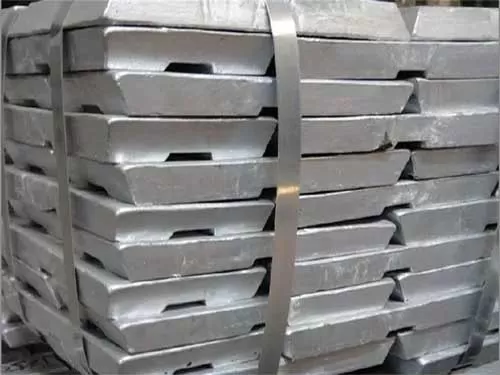
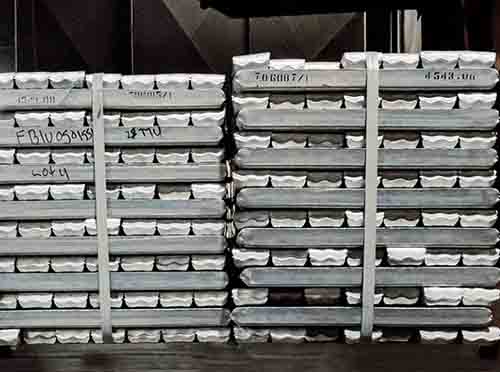
Zinc alloys are among the most widely used materials in die casting because they offer an excellent combination of manufacturing efficiency, dimensional precision, mechanical performance, and cost-effectiveness. Compared with many other casting metals, zinc alloys possess a relatively low melting point of approximately 380°C to 420°C, allowing them to be processed using hot chamber die casting machines. This results in faster production cycles, lower energy consumption, and reduced manufacturing costs.
Zinc alloys offer outstanding advantages in die casting due to their excellent fluidity and ductility in the molten state. The molten metal can quickly and completely fill complex die cavities, enabling the production of intricate geometries, thin-wall structures, and precision features with high dimensional accuracy. Combined with a relatively low melting temperature, zinc alloys provide faster cooling and shorter casting cycles, significantly improving production efficiency. These characteristics make zinc die casting ideal for consistent, high-quality mass production at large volumes while maintaining lower manufacturing costs and reduced energy consumption.
Zinc alloys also provide excellent mechanical properties, including good tensile strength, impact resistance, hardness, and wear resistance. Certain zinc alloys such as Zamak 5 and ZA-8 offer enhanced strength and durability for demanding applications in automotive, industrial, and electronic products.
In addition, zinc die cast products typically achieve superior surface finish quality directly from the mold. This smooth surface is ideal for secondary finishing processes such as electroplating, powder coating, painting, polishing, and chromate conversion coating, allowing manufacturers to achieve both decorative and functional surface requirements.
These advantages make zinc alloys an ideal choice for manufacturing automotive components, electronic housings, communication equipment parts, hardware fittings, consumer products, and many other precision-engineered die casting applications.
Common Zinc Alloy Materials Used in Die Casting
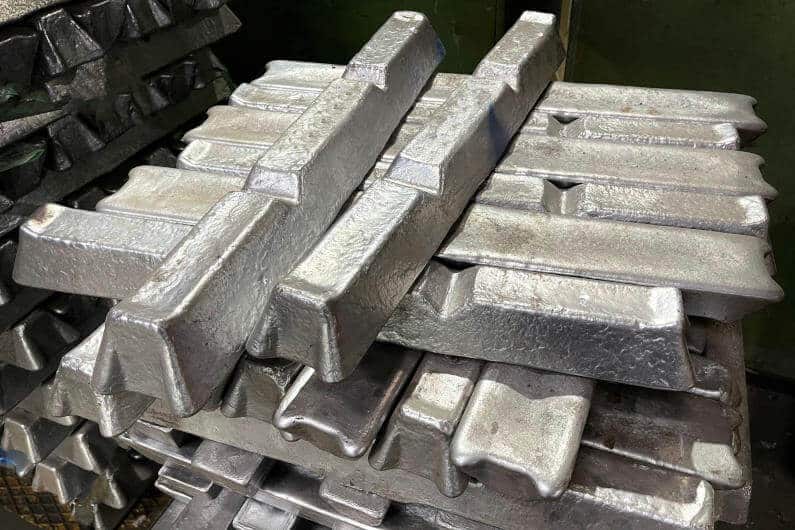
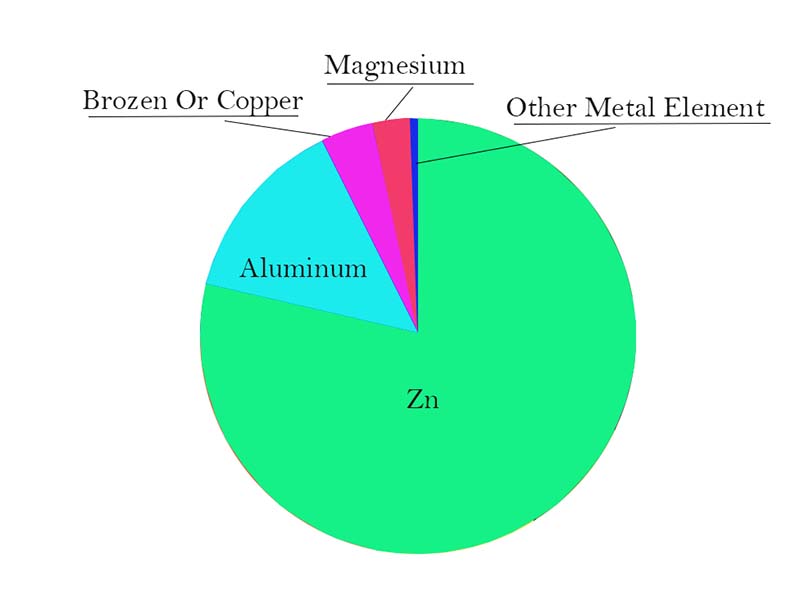
The common zinc alloys are all basic of Zn element content synthesized metal alloy, which add other metal element content(aluminum, copper, and magnesium.) together. As two main family types,which is Zamake and ZA serial metal alloys. These added elements improve zinc alloy specific properties effectively, such as brittleness, hardness, corrosion resistance, and castability. So more formula zinc alloys, more featured zinc cast parts.
Here’s a breakdown of the metal elements in zinc alloys
| Metal Element In Alloy | Properties |
|---|---|
| Zinc (Zn) | low melting point, good fluidity. high corrosion-resistant and excellent ductility. |
| Aluminum (Al) | Increase the alloy’s strength and hardness. |
| Copper (Cu) | Strengthens hardness and wear resistance. |
| Magnesium (Mg) | Strengthens corrosion resistance and reduce the chances of brittleness. |
In the world of metal casting, zinc alloys offer unique advantage that make them various applications. More formula zinc alloys, More featured zinc cast products, Diffrent zinc alloys, different applications.
Zinc Alloys Types
Various zinc alloy formulations have been developed to meet different mechanical, physical, and manufacturing requirements. Zinc alloys can provide a wide range of strength, hardness, wear resistance, corrosion resistance, and casting performance. The following zinc alloys are commonly used in zinc die casting production.
Zamak -Zinc Alloys
| Zamak | Property | Application |
|---|---|---|
| Zamak 2 | higher copper content than other Zamak alloys, excellent strength, hardness, and wear resistance | highly stressed mechanical components, gears, bearings, and industrial hardware. |
| Zamak 3 | The most widely used zinc die casting alloy, excellent casting fluidity and best ductility, | automotive, electronic, consumer, and industrial applications |
| Zamak 5 | higher strength and hardness than Zamak 3, improved wear resistance and mechanical performance | automotive components, lock systems, and structural die cast parts |
ZA-Zinc Alloy
| ZA | Property | Application |
|---|---|---|
| ZA-8 | higher aluminum content than standard Zamak alloys,enhanced strength, creep resistance, and bearing properties | precision gears, bushings, and high-performance industrial components. |
| ZA-12 | excellent strength, hardness, and wear resistance with good castability | structural components, heavy-duty hardware, and engineering applications requiring superior mechanical properties. |
| ZA-27 | strongest zinc-aluminum alloy, exceptional tensile strength, wear resistance, and load-bearing capability | Automotive transmission components, and heavy-duty machinery parts. |
Zinc Alloys Unique Properties
The synthesized metal alloys differ in terms of strength, hardness, and other mechanical properties. Zinc die casting manufacturer can choose the optimal material of forluma zinc alloy. More foluma zinc alloys, more featured zinc cast parts, The properties for zinc alloys are all the follow issues as show.
1. Excellent Fluidity
Zinc alloys have a low melting point (approximately 380–400°C), which makes them easy to cast. Their excellent fluidity helps producing complex shapes with intricate details in small and medium sized ranges. Fully Filling the detail mold quickly, finish a cast cycle in short time.
2. Dimensional Accuracy and Stability
Zinc alloys have minimal shrinkage and warping during the cooling process. It creates resulting in parts with dimensional precision and stability. Zinc alloys can be cast into steady dimensional cast part with less shrankage and warping under high pressure by hot chamber die casting process.
4. Enhanced Strength and Toughness
Although relatively light, zinc alloys offer high strength and toughness. It makes them withstand stress and impact, which is beneficial for structural parts and enclosures in diversity industrial fields. such as automotive, aerospace, commnunication and hold appliance etc.
5. Diversity in Finishing Options
Zinc alloys are easy to plate, paint, and finish. The suface of zinc die casting parts are easy to treat due to they belong to less porosity cast part. Only having a minimal post-process in further. Various zinc die castings surface finishes enhance their appearance and durability.
Zinc alloys provide a combination of strength, precision, and cost-efficiency production process, and suitable for industries that demand that intricate designs and durable finishes. Depends on specific applications and functionality of the die casting part, proper zinc alloy may be used. By selecting the right material, using hot chamber die casting produces high quality zinc parts that are applied for various industries.

Die Casting Project Quote
Professional IATF 16949 die casting factory, send your CAD files to us and gain fast quotation.
Featured Zinc Casting Products Are Used Cross Many Industries
The unique properties of zinc alloys make them highly versatile and suitable for various industries. But different zinc alloy material , different applications. More forluma zinc alloys, more featured zinc cast products . Manufacturers should produce proper final products for specific requirement across industries accoding to repective demand from client and the market. Below are some key applications where zinc alloys have made a significant contribution.
Automotive Industry
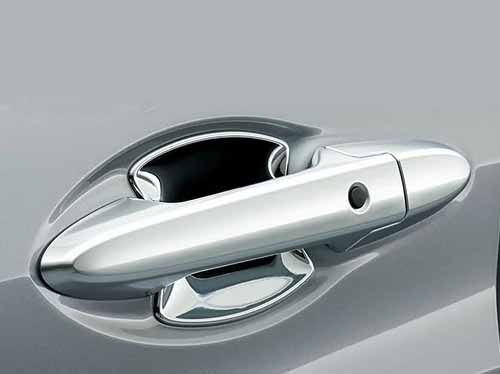
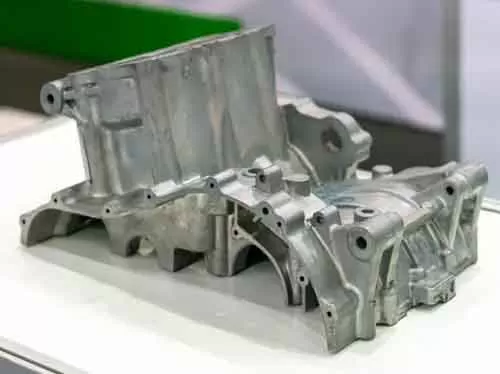
In automotive manufacturing, zinc alloys are widely to make components like door handles, fuel pumps, and structural supports. These safety system, car interior components, sensor system and transsition components. These precise automotive zinc die casting parts are made of different properties zinc alloys material. Also they are durable and cost-efficiency.
- Zamak 3 (): The zinc alloy has excellent ductility, high resistance corrosion and consistent dimension stability suitable for these precision automotive components, such as door handles, fuel pumps, oil filters and fittings on fuel way.
- ZA-8: The zinc alloy is the alloy metal in which high aluminum element, but light weight, the property is high hardness, wear resistance and better heat dissipation, so fits transmmsion housing, engine cover and headlight housing.
Telecommunications and Electronics
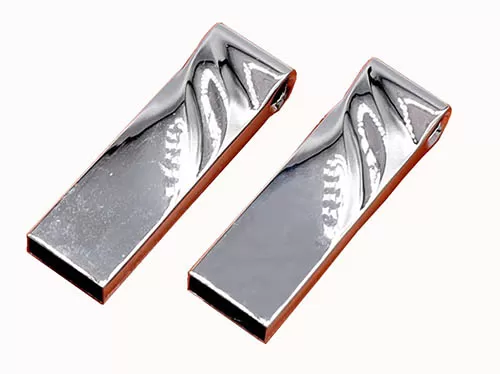
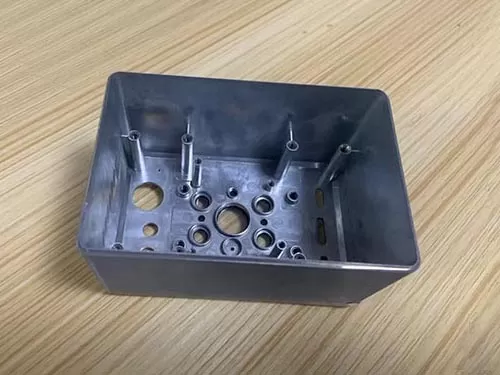
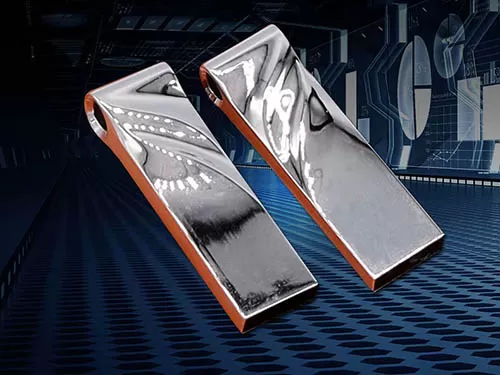
For electronic enclosures, connectors, and heat sinks, zinc alloys provide excellent electrical conductivity and shielding against electromagnetic interference (EMI). Especially Ultra-Precision Zinc Die Casting In Communication Industry have been used, some parts need thin-walled structures, allows for complex shapes that can house intricate electronic components. The USB flash drive disk housing is good example. Zamak 3 is best material for these electrical components, These zinc cast parts are high corrosion, and maitain high effective dimensional stability and perfect integrated structure of the cast parts. But also zinc die casting is ideal for precision miniature sized cast parts.
Consumer Goods
Some comstic boxes and covers are cast of zinc alloy, combined with their ease of finishing. those decorative items, furniture hardware can belong to zinc die castings. They also enable the production of high-quality, attractive products like zippers, belt buckles, and premium faucets and fittings. In our practical life, we can find many and many zinc die casting products, which classified into consumer goods.
Industrial and Mechanical Applications
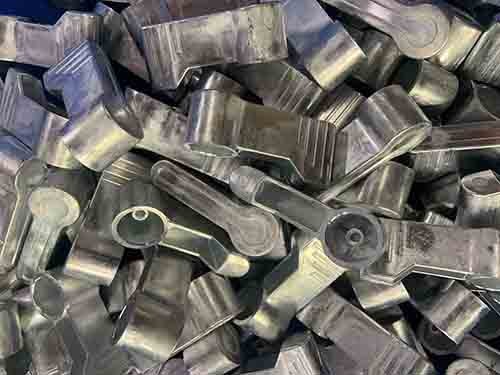
Many industries that require high-strength components, such as gears, cams, and bearings. These parts are the durability, wear resistance, and precise tolerances. Denpends on specific applications on the mechanical equipment and devices, We select the proper formula zinc alloy to make featured zinc cast products. Zamak 2 is best material due to its high hardness and excellent wear resistance and better ductility. But more post-processing operations are necessary.
Strategies for Featured Zinc Die Casting Products
To meet the specific requirements of various industries, the die casting factory must adopt several strategies to optimize production and control quality. And ensuring custom zinc die casting project requirements.
Alloy Selection Based on Application Needs
Selecting the right zinc alloy for each application is critical. By understanding the mechanical requirements, environmental conditions, desired finishes and follow strict quality control system. Manufacturers can choose the appropriate zinc alloy to achieve durability and functionality. Know More About Zinc Alloys, Produces More Characteristic Zinc Casting Products
Precision Mold Design
High-quality casting begins with precise mold design. We should Design molds with careful consideration of wall thickness, flow channels, and cooling rates can help prevent defects and ensure uniformity in cast parts. Additionally, the surface of cores and cavities of the mold may be polished achieve to mirror reflection, and enhance the smoothness of die casting part.
Advanced Cast Technique Introduced
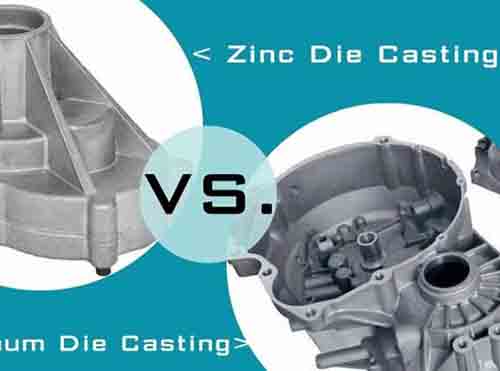
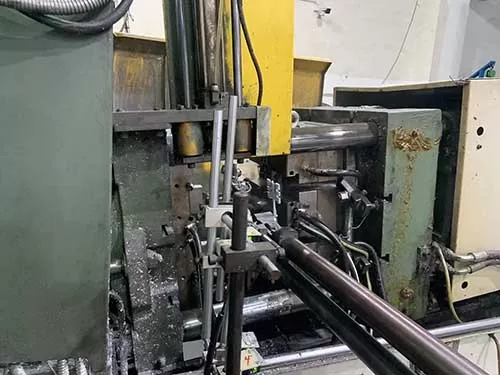
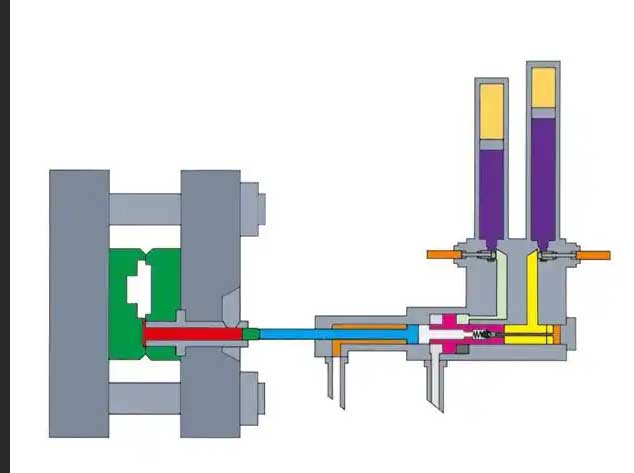
The zinc die casting belongs to lower temperature process, compare to aluminum die casting, which requires more heat energy consumption and process precise metal parts. The Key Technique For Zinc Die Casting is hot chamber die casting, which is a type of advanced cast technique, the process can create high precision miniature cast parts at lower cost.
High-Volume Production Efficiency of Zinc Die Casting
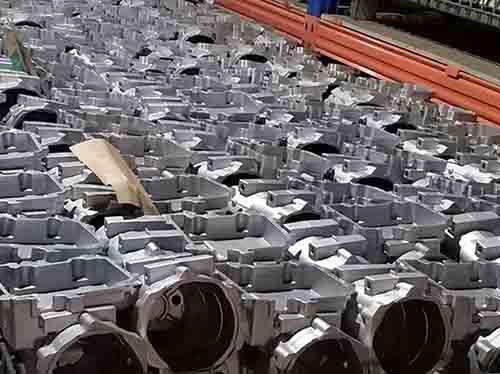
he excellent fluidity of molten zinc allows the metal to quickly fill complex die cavities and reproduce intricate details with high dimensional accuracy. Combined with fast solidification and cooling characteristics, zinc die casting significantly reduces production time compared with many other metal casting processes.
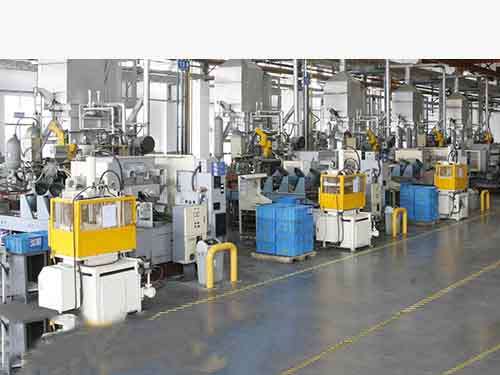
Modern automated production lines further improve manufacturing efficiency through robotic part extraction, trimming, inspection, and packaging operations. This automation minimizes labor costs while ensuring stable quality throughout large production runs.
Quality Control and Testing
Implementing rigorous quality control practices, Like non-destructive testing (NDT) methods. Such as X-ray inspection and dimensional analysis, can detect any defects or inconsistencies in the cast parts, allowing for early corrections. The quality control rules follow industrial quality management standard, like automotive industrial management certificate IATF 16949 ISO 9001 2016.
Advanced Surface Finishing Techniques
Precision zinc cast parts accept variety of finishing options, including electroplating, powder coating, and painting. These advanced finishing techniques can enhance the appearance, corrosion resistance, and wear resistance of zinc die casting products. This makes them more appealing and durable for end-users. Zin material blongs to less proposity, and can create fine smoothness surface, only need of minimizing post-processes.
Conclusion
For any zinc casting factory, understanding zinc alloy materials in depth is essential to producing featured zinc die casting products. Depends on industrial applications, they can choose proper formula zinc alloy to make medium and small sized precision zinc cast parts for automotive, telecommunications, electronics, and consumer goods. More formula zinc alloys, more featured zinc cast products.
FQA
What products are made from zinc die casting?
Zinc alloys are seleced when buyer and project engineering manager require high precision dimensional and cost-efficiency mass production at large volume. Like Automotive parts, communication housings, consumer electronics enclosures, hardware fittings and industrial components are commonly produced by zinc die casting.
Which zinc alloy is best for automotive components?
Zamak 5 is commonly selected because of its strength, dimensional stability and corrosion resistance. Because high copper element content, enhanced wear resistance and impact resistance.
What is the difference between Zamak and ZA alloys?
ZA alloys contain higher aluminum content and generally provide higher strength and wear resistance than standard Zamak alloys.